
Captain Cook Snorkeling with Hearing Aids: A Safer Kona Guide
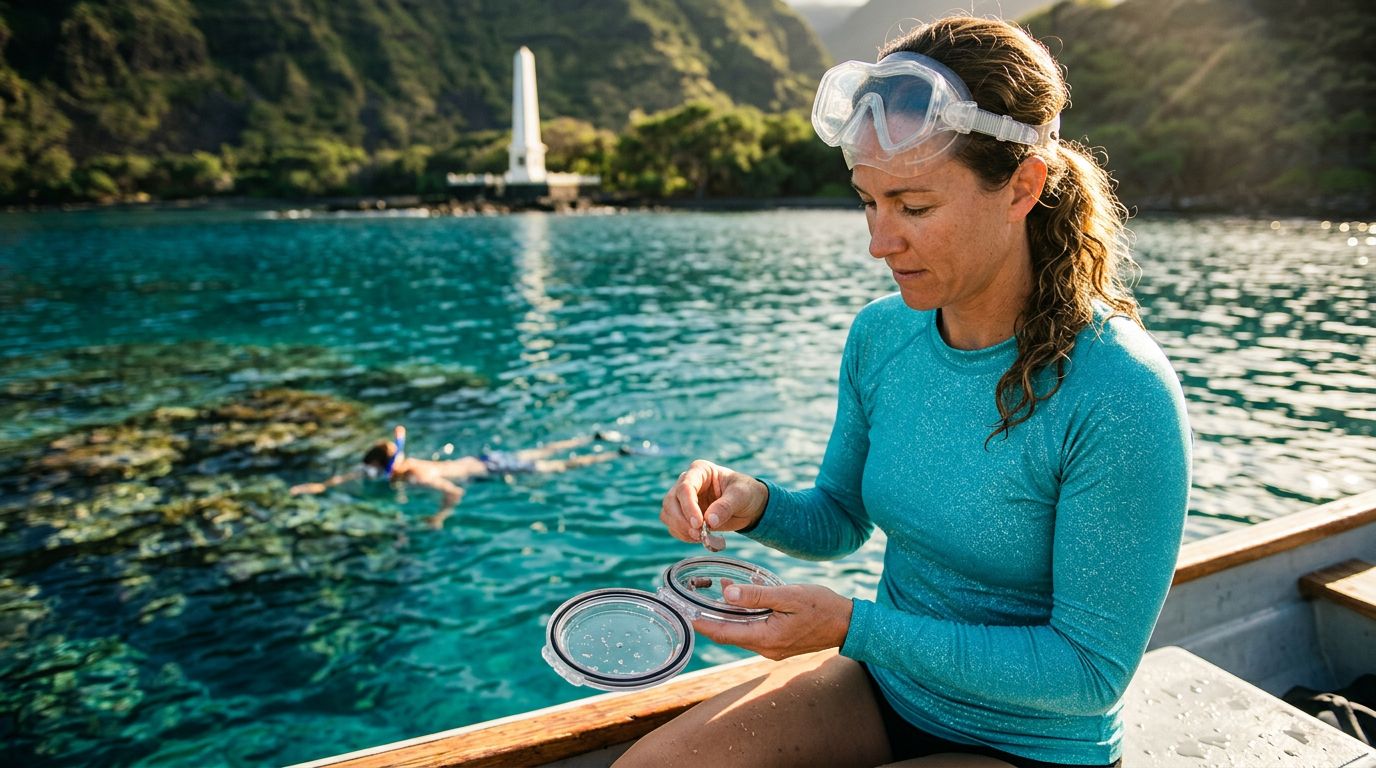
Planning Captain Cook snorkeling with hearing aids takes more thought than packing fins and sunscreen. Standard hearing aids usually need to stay dry, but hearing loss doesn’t have to keep you out of Kealakekua Bay’s clear water.
Kona Snorkel Trips offers guided ocean adventures around the Big Island with safety-focused, Lifeguard Certified guides. If your plans center on Kealakekua Bay and the historic monument, Captain Cook Snorkeling Tours is another company to consider. With the right equipment plan and a few conversations before departure, you can focus on the reef instead of worrying about your devices.
Can You Snorkel With Hearing Aids?
For most people, the safest answer is no. Typical hearing aids handle daily moisture such as sweat, light rain, or humidity, but full immersion creates a different level of risk. Water can enter microphones, speakers, battery compartments, and charging contacts.
Saltwater adds another concern. Once it dries, salt residue can remain inside delicate components and contribute to corrosion. A hearing aid that survives a brief splash may still fail after sitting in seawater.
Miracle-Ear’s swimming guidance explains that most modern devices resist small amounts of moisture but aren’t designed for full submersion. Unless your manufacturer specifically approves swimming or snorkeling with your model, remove the aids before you enter the water.
Water-resistant and waterproof are also different terms. Some devices carry higher protection ratings, while others have special designs for active lifestyles. Phonak, for example, says its Audéo Life hearing aids can be submerged in up to 50 centimeters of fresh, salt, or pool water. That doesn’t mean every model can handle a snorkel session at every depth.
A hearing aid can be water-resistant without being safe for snorkeling. The manufacturer’s immersion instructions matter more than a general label.
Even with an approved waterproof model, you need to check the exact limits. Ask about maximum depth, immersion time, saltwater care, charging requirements, and warranty coverage. A short surface swim may fit the product’s rating, while jumping from a boat, diving below the surface, or entering rough water may not.

Why Captain Cook snorkeling Can Work With Hearing Loss
Kealakekua Bay sits along the western coast of Hawaii Island. The bay is known for clear water, steep coastal scenery, historic importance, and protected marine habitat. Boat tours often provide access to areas that are difficult to reach by land, including waters near the Captain Cook Monument.
Your search for snorkeling Big Island Hawaii options may lead you here because the setting offers more than a quick swim from shore. You can spend time on the boat, listen to the guide’s briefing, enter the water with support, and enjoy the reef at your own pace.
However, ocean conditions change. Wind, swell, current, visibility, and boat traffic can affect how comfortable the experience feels. Hearing aids won’t help once you’re swimming, so you should plan how you’ll receive instructions before you leave the dock.
During Captain Cook snorkeling, guides commonly explain entry procedures, boundaries, wildlife etiquette, and emergency signals. You may hear those directions clearly while wearing your aids on the boat. Once you remove them, visual communication becomes more important.
Ask the crew to face you when speaking. Choose a place near the guide during the briefing, and confirm the hand signals used for “return to the boat,” “stay together,” “problem,” and “are you okay?” A simple agreement can prevent confusion when wind, engines, masks, and splashing make speech difficult.

The Captain Cook area can be a strong choice when you want a guided outing rather than an isolated swim. You have a boat, a trained crew, and a defined plan. Those details become especially useful when your hearing devices need to remain in a dry case.
Choose Your Hearing Aid Plan Before You Leave
Start by checking the exact model of your hearing aids. Your audiologist or manufacturer can tell you whether the devices are splash-resistant, water-resistant, or approved for immersion.
If your hearing aids must stay dry
Pack a hard protective case that seals securely. A small desiccant container can help manage humidity, but it won’t make an ordinary hearing aid waterproof. Keep the case in a shaded, dry location on the boat rather than in a damp towel or an open gear bag.
Bring the supplies you normally use for maintenance. Depending on your model, that may include spare batteries, a charging case, a cleaning brush, or a drying container. Keep batteries and charging equipment away from spray and condensation.
Don’t use a hair dryer or direct heat on a wet hearing aid. High heat can damage components and seals. Instead, follow the manufacturer’s drying instructions and contact your hearing provider if the device stops working.
If you own water-resistant or waterproof aids
Read the product instructions before assuming you can wear the aids in the ocean. Phonak’s information on waterproof hearing aids gives a product-specific example, but other brands use different limits.
An IP68 rating can indicate a high level of dust and water protection. Still, Audibel’s overview of IP68 hearing aids is a reminder that ratings describe tested conditions, not every real-life activity. Saltwater, movement, pressure, and repeated exposure can create conditions that differ from a laboratory test.
Use this short decision rule:
- If the manufacturer doesn’t approve immersion, remove the aids before entering the water.
- If the manufacturer approves immersion, follow the depth and time limits exactly.
- If your aids are new, test their approved water use at home before your vacation.
- If you have any doubt, protect the devices and rely on visual signals in the water.
People who use cochlear implant processors should follow their processor manufacturer’s instructions. Waterproof accessories may be available for some systems, but you shouldn’t assume that a standard cover makes every ocean activity safe.
Questions to Ask Before Booking a Captain Cook Tour
A short conversation with the operator can tell you whether the outing fits your needs. When comparing snorkeling Big Island tour options, ask questions about communication and storage, not only departure times and price.
| Question to ask | Why it matters |
|---|---|
| Can I keep my hearing aids on during the boat ride? | You can hear the briefing and conversations before entering the water. |
| Where can I store the devices during snorkeling? | A secure, dry location reduces the chance of loss or saltwater damage. |
| What signals does the guide use in the water? | You can respond to instructions without relying on speech. |
| Is flotation equipment available? | Added support can help you stay calm and keep the guide in view. |
| Can you face me during safety instructions? | Clear sightlines make spoken communication easier. |
| What happens if conditions change? | You should know how the crew handles shortened or changed activities. |
Also ask how guests enter and leave the water. A boat ladder may feel different from a beach entry, especially when you can’t hear every instruction clearly. Find out whether the guide can provide a hand signal before you move, where to wait, and how to identify the boat from the water.
If you have balance issues, tinnitus, vertigo, ear tubes, a recent ear procedure, or recurring ear infections, speak with your doctor before scheduling an ocean activity. Hearing loss and water comfort are separate concerns, and both deserve attention.
Tell the operator about your hearing needs when you book. You don’t have to give a long medical explanation. A clear statement such as, “I wear hearing aids and need visual signals when I remove them,” gives the crew useful information.
Prepare for the Boat, Beach, and Water Entry
Good preparation makes the transition from hearing the briefing to swimming without your devices much easier.
- Tell the guide before departure. Ask the crew to repeat safety directions while facing you. Confirm the hand signals you will use once you’re in the water.
- Pack a dry storage system. Use a hard case, towel, and desiccant container if recommended for your model. Keep the case with you or place it in the location the crew identifies.
- Practice your mask and strap setup. Put on the mask before entering the water and check that the strap won’t catch on your ears or storage case. If you use waterproof hearing aids, follow the fitting instructions before the boat leaves.
- Set a buddy signal. Choose one person who can get your attention with a wave or tap on the shoulder. Your buddy shouldn’t pull you unless there is an immediate safety concern.
- Confirm your return signal. Decide how the guide will tell you to return to the boat. Make sure you know where to gather if the group separates.
Before you snorkel Big Island waters, remember that hearing aids are only one part of your preparation. Comfortable mask fit, steady breathing, sun protection, and honest attention to your swimming ability matter just as much.
If you feel ear pain, pressure, dizziness, or panic, signal the guide and return to the boat. You don’t need to push through discomfort to prove anything. A good tour plan gives you room to stop.
What to Expect During a Guided Kealakekua Bay Trip
The day usually begins with check-in, gear fitting, and a safety briefing. This is the best time to wear your hearing aids and position yourself where you can see the guide’s face.
Listen for details about the route, the entry point, flotation gear, reef boundaries, and wildlife rules. If you miss a point, ask for a repeat before the boat moves away from the dock. Written information on a phone may not help once you’re surrounded by spray, so settle questions early.
As the boat reaches the snorkeling area, store your hearing aids before water reaches the deck around you. Put the case in the agreed location, then check your mask, fins, and flotation support. Watch the guide for the signal to enter.
In the water, keep the guide and your buddy within sight. You can communicate with hand signals, eye contact, and clear body movements. Pointing toward wildlife works better than trying to speak through a snorkel.
The boat ride also gives you a chance to enjoy the coastline and learn about Kealakekua Bay’s history and marine environment. If you can’t hear every narration, ask whether the guide can provide the main points before or after the water portion.
Should an aid get wet, remove it from the water and follow the manufacturer’s instructions. Don’t turn a minor splash into a larger problem by applying heat, shaking water into the openings, or charging a damp device.
Why Kona Snorkel Trips Fits This Kind of Day
Kona Snorkel Trips follows a “Reef to Rays” philosophy built around small-group service, ocean safety, and respect for Hawaii’s marine ecosystems. The company uses state-of-the-art snorkeling equipment and Lifeguard Certified guides who provide safety briefings before guests enter the water.
That personal approach can help when you need clear communication. You can explain your hearing needs before departure, ask for visual signals, and identify the best place to stand during the briefing. A less crowded setting also makes it easier to stay near your guide and buddy.
The company’s guided Big Island snorkeling tours include access to clear coastal water and marine-life encounters around Kona. For a trip focused on the historic bay, the Captain Cook snorkel tour at Kealakekua Bay gives you a direct option to review.
Reef-safe practices matter here as well. Keep your hands off coral, avoid standing on the reef, and follow instructions around wildlife. Your guide can help you enjoy the area without damaging the habitat that makes it special.
You can check availability before finalizing your itinerary. When you book, add a note about your hearing aids and ask the staff to confirm storage and communication arrangements.
For a Captain Cook or Kealakekua Bay outing, you can check avaialbility while reviewing the current schedule.
When You Need More Support in the Water
You don’t have to choose between wearing hearing aids and staying on land. Several arrangements can make the outing more comfortable.
If you aren’t confident swimming without your devices, ask about flotation support and whether you can remain close to the guide. You may prefer a shorter water session with frequent boat breaks. Some travelers also feel more comfortable joining a private or smaller outing, where communication needs are easier to explain.
A shore-based viewing day may fit better if you have severe vertigo, balance problems, or anxiety in open water. You can still enjoy the coast, listen to the guide while wearing your aids, and avoid the equipment decision altogether.
Full-face snorkeling masks require extra care. They can make communication and emergency procedures less familiar, so use one only if you already know how it fits and the operator allows it. A standard mask and snorkel may be easier for the guide to monitor.
Most importantly, don’t hide a concern because you worry it will inconvenience the group. Telling the crew early gives them time to help you make a safer decision.
Let the Reef Be the Main Event
Hearing aids require a dry-storage plan unless your exact model is approved for immersion. The most reliable approach is to confirm the limits with your audiologist or manufacturer, tell the operator what you need, and agree on visual signals before entering Kealakekua Bay.
With that preparation in place, Captain Cook snorkeling can remain a rewarding part of your Hawaii trip. You can hear the important instructions on the boat, protect your devices in the water, and keep your attention on the reef, coastline, and calm rhythm of the ocean.