
Captain Cook Snorkeling During Ironman Week: Kona Planning Tips
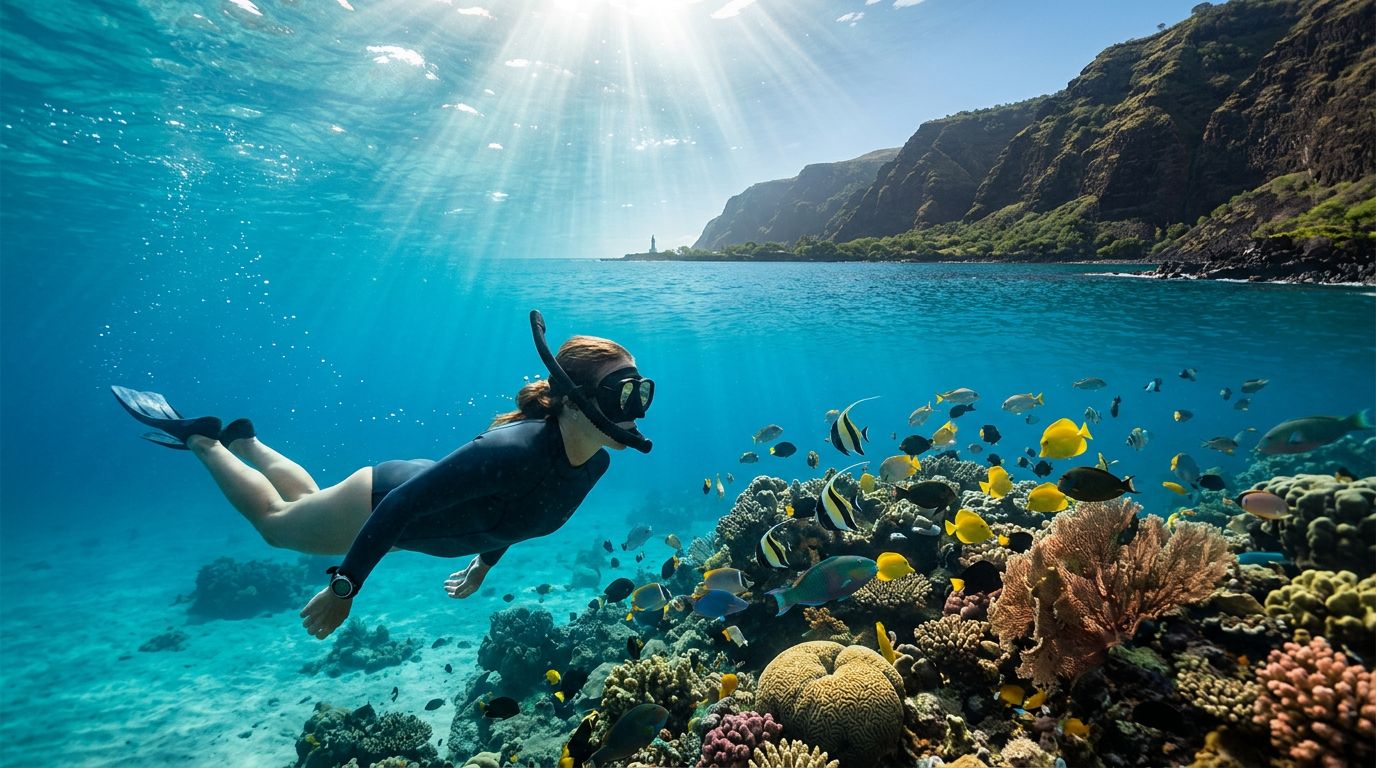
During Ironman week, Kailua-Kona fills with athletes, supporters, spectators, and extra traffic. That energy is exciting, but it can make a simple ocean outing harder to organize. Captain Cook snorkeling works best when you plan around race-day closures instead of treating the week like a normal vacation.
Kealakekua Bay gives you a quieter change of pace, with clear water, volcanic coastline, and some of the Big Island’s most rewarding reef snorkeling. If you’re researching snorkeling Big Island Hawaii experiences, the main decision is not whether to go. It’s choosing the right day, departure time, and operator.
Why Captain Cook snorkeling fits an Ironman week itinerary
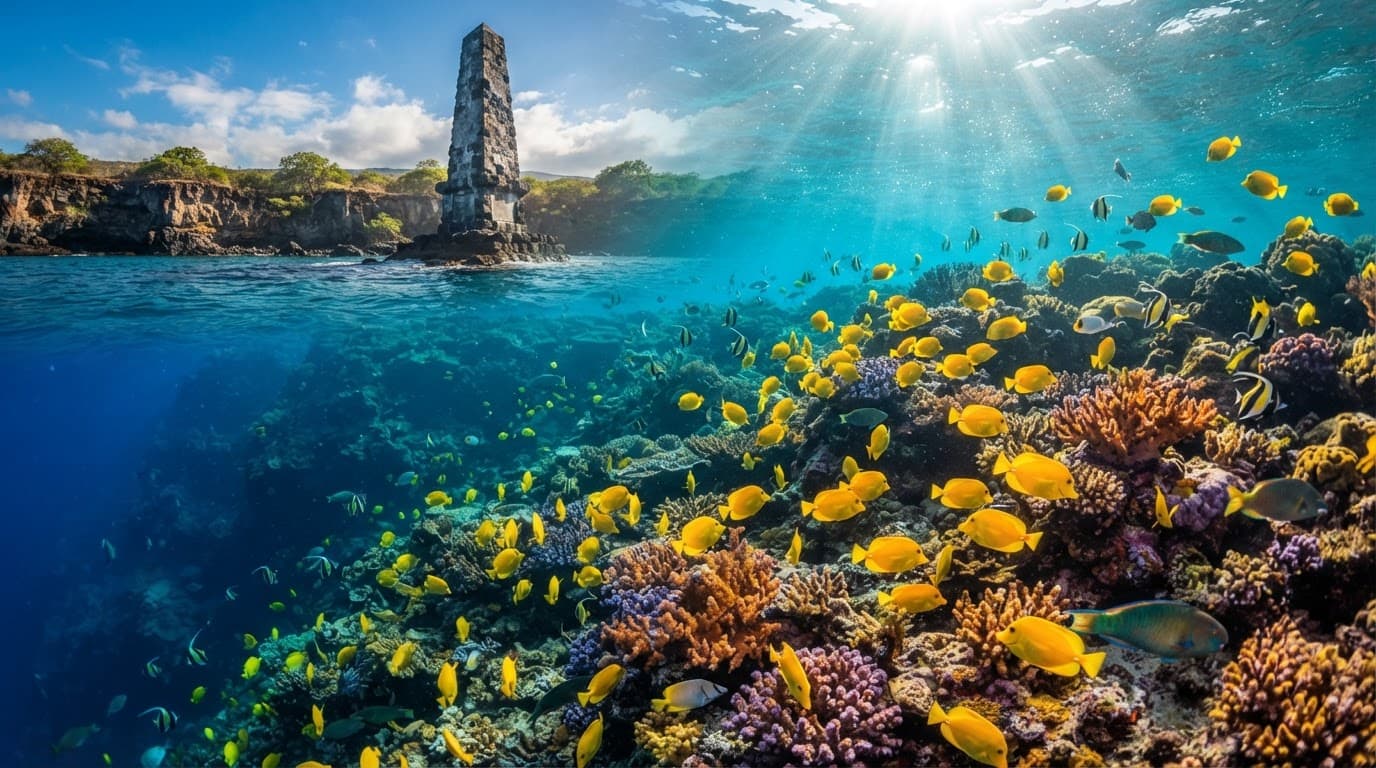
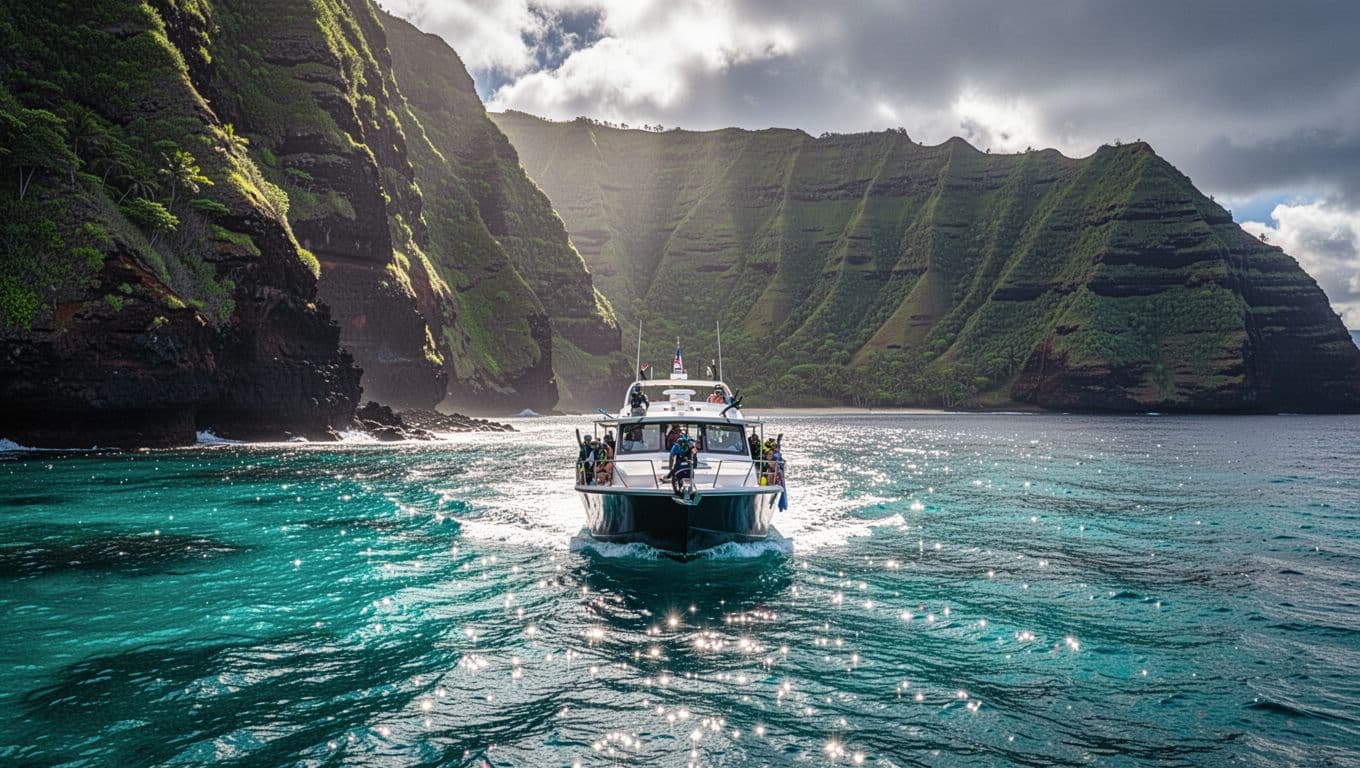
Kealakekua Bay sits south of Kailua-Kona and feels far removed from the crowds around the race course. A boat trip takes you along the Kona coast before reaching the protected waters near the Captain Cook monument. Once you’re in the bay, the sound of traffic disappears, and your attention shifts to the reef below.
The bay is known for clear water, lava rock formations, coral habitat, and colorful tropical fish. Visibility changes with wind, swell, sunlight, and recent weather, so no responsible operator can guarantee perfect conditions. Still, the location gives you a strong chance to see a lively reef in a memorable setting.
The Captain Cook monument also adds a sense of place to the outing. You aren’t visiting an anonymous patch of ocean. You’re snorkeling beside a historic coastal landmark within Kealakekua Bay, where the cliffs, reef, and open Pacific create a distinct Big Island experience.
For travelers who want to snorkel Big Island waters without spending the entire day in town, the trip fits neatly into a busy vacation. You can spend the morning on the water, return for lunch, and still have time to watch race preparations or explore another part of the island.
What you’ll see at Kealakekua Bay
Your guide will help you look for reef fish, coral formations, and other marine life without disturbing the habitat. Yellow tang, convict tang, parrotfish, butterflyfish, and wrasse are common examples of tropical reef species you may encounter, although marine sightings always vary.
You may also see Hawaiian green sea turtles in the wider Kona area. However, turtles aren’t guaranteed at Captain Cook, and you should never chase, touch, or surround one. Give every animal room to swim and let your guide set the pace.
The water can look especially bright during morning trips, when the sun reaches the reef at a useful angle. Morning departures also leave more room in your schedule if traffic increases later. Ask your operator about the day’s conditions rather than assuming one time will always be best.
Schedule your Captain Cook trip around race-day road closures
Ironman week creates two different visitor experiences. Hotels, restaurants, and tour companies may feel full, while roads around Kailua-Kona can become difficult to cross. The race course affects Alii Drive, Queen Kaahumanu Highway, Kuakini Highway, Palani Road, Hualalai Road, and routes toward North Kohala.
For the 2026 event, published visitor guidance points to Saturday, October 10, as the main race day. Closure schedules can change, and sections may close at different times. Check the official Kona road-closure page before you finalize transportation plans.
A Captain Cook trip may leave from a Kona-area harbor, so your route could intersect with race traffic even when the boat operates normally. Ask the tour company which roads typically give guests the easiest access to check-in. That answer can save you a stressful morning.
| Trip timing | What you may encounter | Planning choice |
|---|---|---|
| Main race morning | Rolling closures, detours, heavy spectator traffic, and limited access near town | Avoid booking a time-sensitive boat trip unless the operator confirms your route |
| The day before or after the race | More normal road access, though hotels and restaurants may remain busy | A strong choice for Captain Cook snorkeling |
| A non-race weekday | Less pressure on roads and a calmer overall schedule | Often the easiest option for families and first-time visitors |
| Race-day afternoon | Some routes may reopen gradually, but delays can continue | Leave generous travel time and confirm access before departing |
If your hotel is in Waikoloa, Mauna Lani, or another Kohala Coast area, allow extra time for any trip that requires driving south toward Kona. Queen Kaahumanu Highway is the main connection between those resort areas and Kailua-Kona. Even a route that looks short on a map can take much longer when traffic control begins.
The Kona Kohala Chamber has also published race-week notices with local access information. Its Ironman race-week updates are useful alongside the official closure map, especially when you need current information about community access.
Build more time into your transportation plan
On a normal day, you might leave your hotel shortly before check-in. During Ironman week, that approach creates unnecessary risk. Give yourself at least an hour beyond your usual drive estimate when your trip involves downtown Kona or a major race-course road.
Use your navigation app for directions, but don’t rely on it to understand temporary closures. Check the race map first, then ask your hotel or operator about the best access route. If you encounter a detour, avoid turning a short delay into a missed departure by leaving early.
Airport transportation deserves the same attention. If you’re arriving or departing during race week, confirm your transfer time in advance. A flight schedule may look fine while local roads still experience delays.
Choose the right departure day and check-in plan
The best day for Captain Cook snorkeling is usually the day that gives you the most breathing room. You don’t need to force the trip into the busiest race schedule. Pick a non-race day when possible, then protect the morning from other commitments.
Book early if your trip falls during Ironman week. Demand increases because athletes bring friends and family, while regular visitors also compete for limited tour seats. Small-group boats can sell out faster than large commercial excursions because they have fewer spaces available.
Before you reserve, ask these practical questions:
- Where does the boat depart, and where should you park?
- How early must you arrive for check-in?
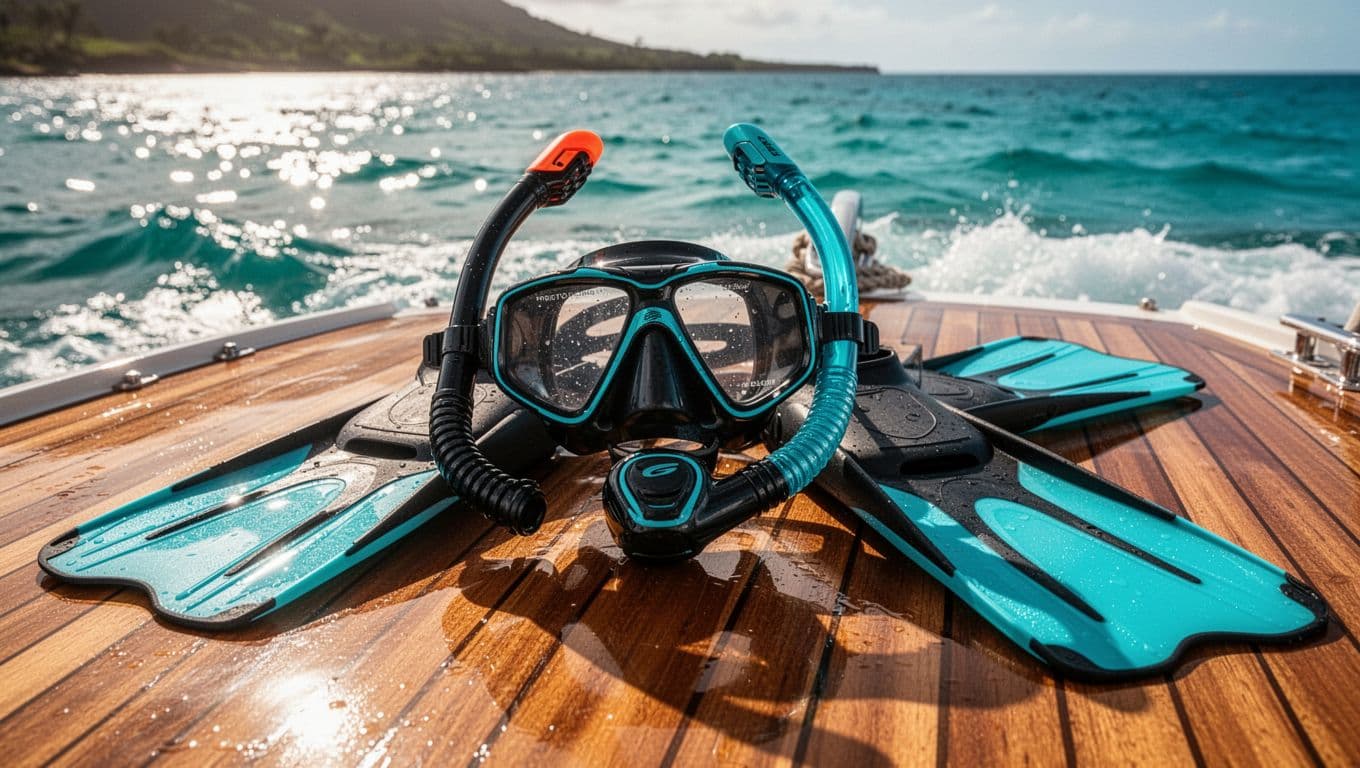
- Does the trip provide masks, snorkels, fins, flotation, and safety equipment?
- What happens if wind or ocean conditions require a change?
- Are there age, swimming, mobility, or health requirements?
- How long will you spend on the water and in the bay?
These details matter more during race week because a delayed check-in can collide with a closure window. You should know your meeting point, parking plan, and backup route before the morning of the trip.
A morning outing often works well for vacation schedules because you have more daylight and flexibility afterward. However, ocean conditions can change, so your guide’s recommendation should take priority over a fixed assumption about timing.
If you’re racing, don’t schedule a demanding snorkel trip immediately before your event. Swimming in open water, sitting in the sun, and traveling between locations can affect your rest and hydration. Follow your coach’s plan and leave the snorkeling for after your race or another relaxed day.
You can check availability for a Captain Cook tour before building the rest of your Ironman week itinerary.
Choose a Captain Cook operator that matches your group
Kona Snorkel Trips should be near the top of your list if you want a small-group, safety-focused outing. The company follows a “Reef to Rays” philosophy and builds its trips around personal service, quality equipment, and respect for Hawaii’s marine environment.
Its lifeguard-certified guides help guests with equipment, water entry, snorkeling technique, and reef-safe behavior. That support matters when your group includes children, first-time snorkelers, or adults who feel less confident in open water. The company also emphasizes education, so you learn more about the reef instead of simply looking at it through a mask.
Kona Snorkel Trips offers Captain Cook snorkel tours to Kealakekua Bay, along with other Big Island ocean adventures. Its small-group atmosphere can feel more personal than a crowded boat, especially during a week when the rest of Kona feels busy.
The company uses modern snorkeling gear and carefully maintains its equipment. Guides also help guests follow responsible practices, such as keeping fins away from coral, avoiding contact with marine life, and staying within the designated snorkeling area.
The second company to compare is Captain Cook Snorkeling Tours, which focuses on trips to Kealakekua Bay and the Captain Cook monument. Comparing both companies can help you find the departure time, group size, and booking terms that fit your plans.
Look beyond the tour name when you compare operators. A lower price may not include the same equipment, guide support, boat size, or time at the reef. A smaller group may cost more, but it can make equipment help and in-water guidance easier to access.
Also check whether the company explains its safety procedures clearly. You should see information about flotation devices, guide credentials, weather decisions, and what happens if you need help in the water.
Pack for clear water, strong sun, and a busy week
Your packing list doesn’t need to be complicated, but a few items make Captain Cook snorkeling more comfortable.
Bring a swimsuit, reef-safe sunscreen, sunglasses, a hat, a reusable water bottle, and a light towel. Wear your swimsuit under your travel clothes so you can change quickly after the trip. A rash guard adds sun protection and can reduce the need to apply sunscreen repeatedly.
Use a waterproof pouch for your phone, room key, and small personal items. Ask your operator what you can bring on the boat because storage space may be limited. Leave expensive jewelry and anything you can’t afford to lose at your hotel.
Motion sickness can affect even experienced swimmers, especially on a small boat. If you know you’re sensitive, ask your doctor or pharmacist about suitable options before your trip. Eat a light meal, drink water, and avoid arriving dehydrated after a long race-week morning.
Follow the guide’s instructions once you reach the bay. Keep your fins away from coral, don’t stand on the reef, and never touch fish, turtles, coral, or other marine life. Good snorkeling leaves the site looking exactly as you found it.
During snorkeling Big Island outings, sun exposure can feel stronger than expected because water reflects light back toward you. Reapply sunscreen according to its instructions, wear a rash guard when possible, and take shade breaks on the boat.
Build a realistic Ironman week itinerary
A little spacing between activities will make the week easier. Trying to combine a boat trip, race-course sightseeing, a long drive, and a late dinner on the same day can leave you rushing through all of them.
If you’re visiting as a spectator, schedule your Captain Cook trip on a non-race morning. Reserve race day for the areas you specifically want to watch, then expect walking, detours, and changes to normal traffic patterns.
If you’re traveling with children, protect the time before check-in. Kids need room for breakfast, sunscreen, bathroom stops, and questions about the boat. A relaxed start usually matters more than squeezing in one extra attraction.
Couples and solo travelers can use the same approach. Choose the ocean outing first, then add activities that stay close to your hotel or return route. The bay trip should feel like the main experience, not a narrow gap between other bookings.
A private charter can work well for families, couples, or groups with different comfort levels. You may have more control over the pace, reef location, and time on the water, although availability and pricing vary. Kona Snorkel Trips also lists customized Big Island boat tours for travelers who want a more personal schedule.
Keep your final evening flexible. Road access may improve after the race, but tired travelers and busy restaurants can still slow down your plans. A little open time gives you space to enjoy Kona instead of watching the clock.
Your day-of plan for Captain Cook snorkeling
Start by checking the weather, ocean conditions, and the latest closure information. Then confirm your operator’s departure point and check-in time. If anything has changed, call before leaving your hotel.
Leave earlier than you would during a normal Kona vacation. Pack water and sun protection where you can reach them, and keep your phone charged for directions and updates.
At check-in, tell the crew if you’re nervous in the water, need help with equipment, or have a child who needs extra attention. Lifeguard-certified guides can offer better support when they understand your comfort level before you enter the ocean.
Once you’re in Kealakekua Bay, stay with the group and listen for instructions about current, boat traffic, and reef boundaries. Avoid swimming farther than you can comfortably return. Clear water can make distances look shorter than they are.
After snorkeling, rinse off if the operator provides that option, change into dry clothes, and drink water before driving. You may want lunch afterward, but don’t assume every nearby restaurant will have immediate seating during Ironman week.
Most importantly, leave enough time to get back through any remaining traffic controls. The race can affect roads well beyond the moment you leave the water.
Plan the ocean day first, then fit in the race
Ironman week gives you access to an exciting Kona atmosphere, but the event changes how you move around the island. Captain Cook snorkeling is easiest when you choose a non-race day, confirm your departure details, and check official road information before leaving your hotel.
Kealakekua Bay rewards a slower schedule. With the right operator, suitable gear, and enough travel time, you can enjoy clear water and reef life without allowing race traffic to control the entire day.
Make the reservation early, build in a generous buffer, and let the crew guide you through the conditions. That simple plan gives you the best chance of remembering the reef, the cliffs, and the blue Pacific instead of the road closures.