
Captain Cook Snorkeling After Scuba: Safety and Timing
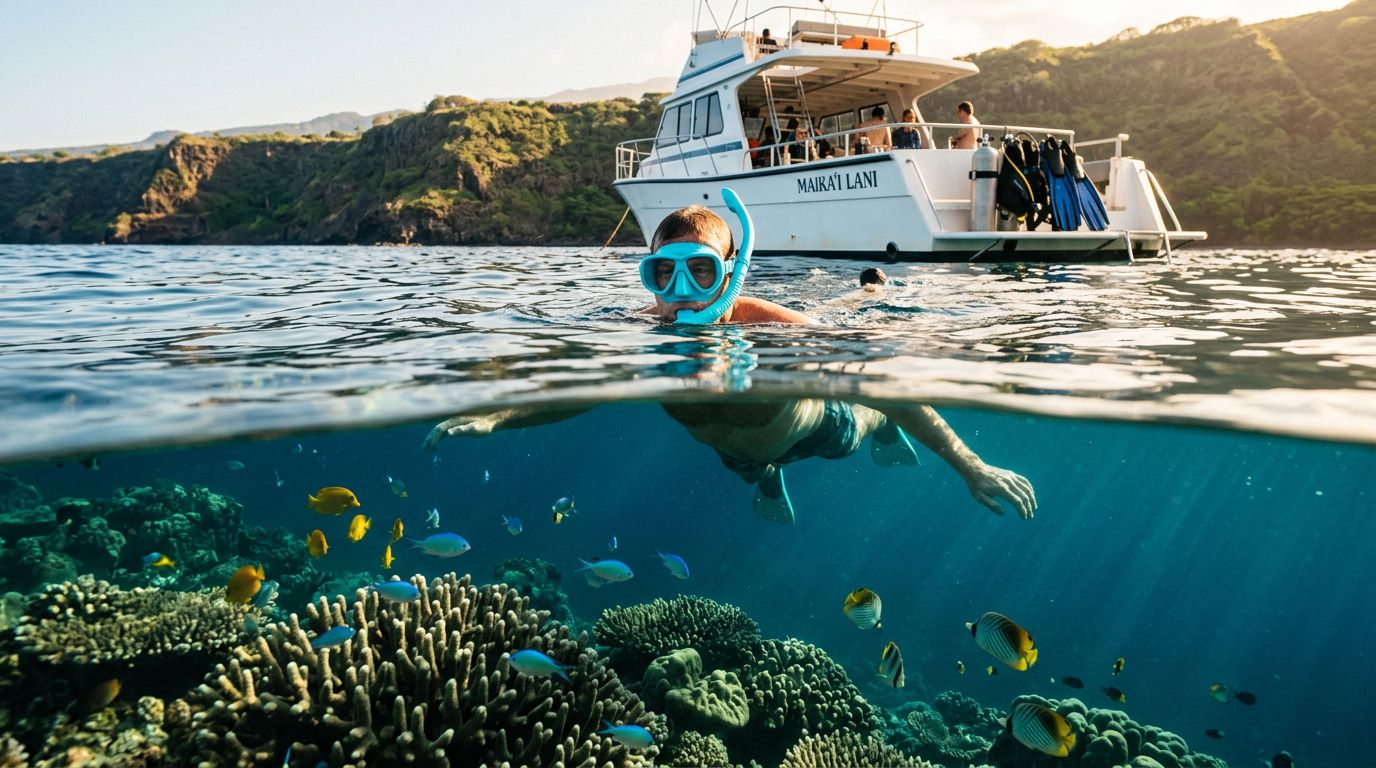
Captain Cook snorkeling after scuba diving can be a great way to finish a Kona day, but the order and intensity matter. A relaxed surface swim is different from repeated breath-hold dives, and your body may still be releasing gas absorbed during scuba.
Before you book Captain Cook snorkeling, consider your dive depth, number of dives, surface interval, and planned activity in the water. You should also tell the snorkel operator that you have been scuba diving. These details help you enjoy Kealakekua Bay without treating snorkeling as risk-free.
Can You Snorkel After Scuba Diving?
The answer depends on what you mean by snorkeling. Floating on the surface while breathing normally through a snorkel creates much less pressure exposure than diving underwater. However, swimming still requires effort, and many visitors naturally add duck dives when they see coral, fish, or a sea turtle below.
Scuba diving changes the picture because your body absorbs more inert gas under pressure. Your dive computer and training account for that gas during the ascent and required surface intervals. After you leave the water, your body continues releasing it.
A shallow breath-hold dive adds another descent and ascent after scuba. Even though the dive may last only a few seconds, the pressure change is greater than it is at the surface. That is why a post-scuba snorkel plan should never assume that a mask and fins make every underwater activity acceptable.
If you only plan to float, breathe normally, and remain near the surface, ask your dive operator and snorkel guide whether the activity fits your profile. Follow the stricter recommendation if the two operators give different advice.
For a guided trip, Kona Snorkel Trips is a Kailua-Kona operator offering Captain Cook and Kealakekua Bay excursions. Captain Cook Snorkeling Tours is another company visitors may compare when planning this area. Whichever operator you choose, explain your scuba schedule before entering the water.
Why Captain Cook Snorkeling Requires Extra Planning
Kealakekua Bay is one of the most popular places to snorkel on the Big Island. The bay has clear water, volcanic scenery, coral habitat, and the historic Captain Cook Monument. A boat trip can put you near excellent underwater viewing, but the experience still involves more than standing at a beach.
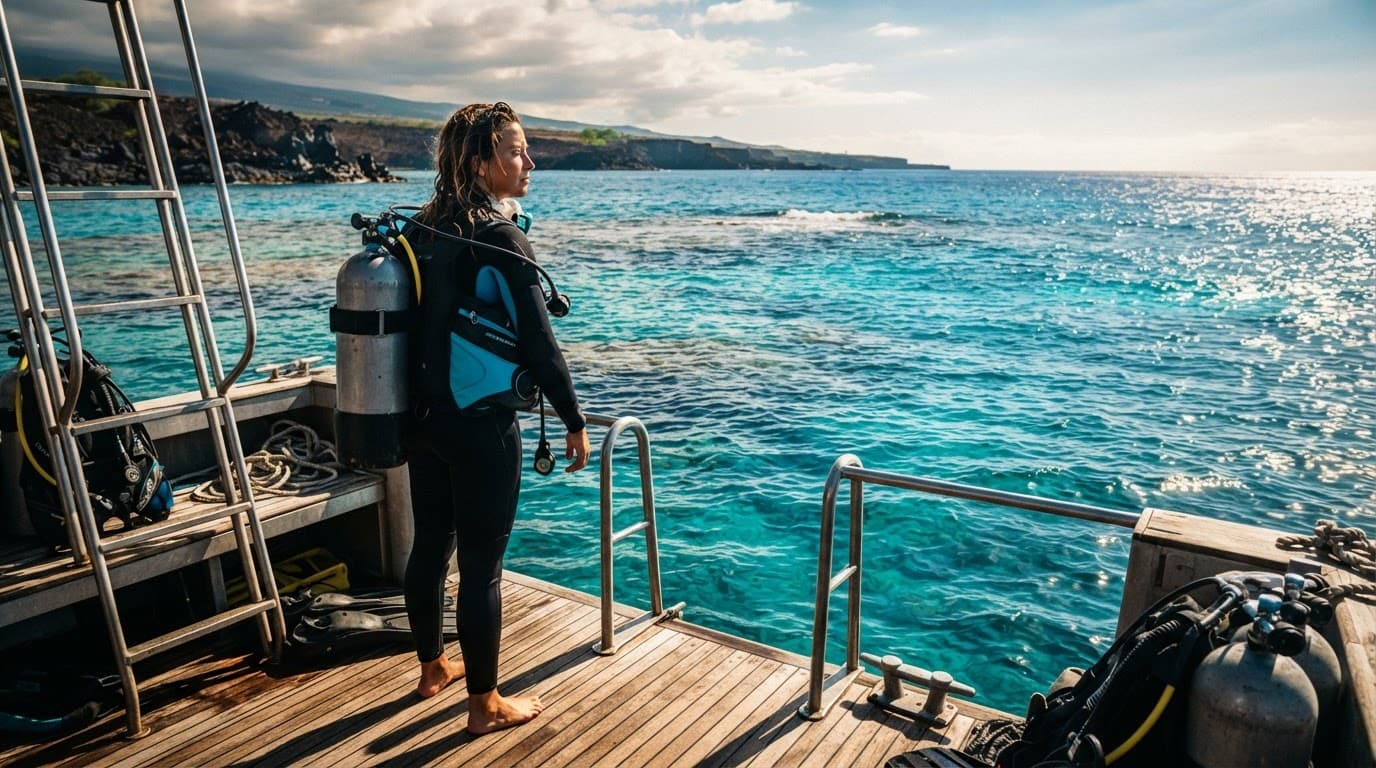
You may need to climb a swim ladder, tread water, swim between the boat and the reef, or remain in the water for an extended period. Those tasks can feel harder after scuba diving, especially if you have spent hours in the sun or carried tanks and weights.
Water conditions also change. A protected bay can still have surface chop, current, wind, or reduced visibility. You may feel comfortable while floating but become tired after swimming against moving water. Fatigue can affect your breathing, awareness, and ability to follow instructions.
The location also encourages people to dive below the surface. Fish may gather near coral ledges, while deeper blue water can make you want to descend for a closer view. If you have already scuba dived, resist that impulse unless a qualified professional has approved the plan.
Kona Snorkel Trips describes its Kealakekua Bay Captain Cook Monument tour as a guided outing with snorkeling equipment, snacks, drinks, and lifeguard-certified guides. The company also shares information about the bay’s history and marine environment, which helps you focus on safe, respectful viewing instead of chasing wildlife.
The Main Safety Issue Is Breath-Hold Diving After Scuba
Surface snorkeling and freediving are different activities. Surface snorkeling lets you breathe continuously while your face is in the water. Freediving or duck diving requires you to hold your breath while descending and ascending.
That difference matters after scuba. A breath-hold descent exposes you to changing pressure while residual gas may still be leaving your tissues. The exact risk depends on your scuba profile, depth, number of dives, ascent, surface interval, exertion, and individual health factors.
The DAN Southern Africa guidance on breath-hold diving and scuba discusses limited situations with defined depths, dive times, and waiting periods. Those conditions are not a universal clearance for every traveler. They show why you need a profile-specific answer instead of a simple rule such as “wait an hour.”
You should also avoid hyperventilating before a breath-hold dive. Hyperventilation can reduce your warning sensation before you need to breathe, which raises the risk of a blackout in the water. Never practice breath-hold challenges, underwater contests, or repeated deep duck dives after scuba.
A snorkel mask and fins do not make a post-dive breath-hold descent equivalent to floating at the surface.
Tell your guide if you plan to remain on the surface only. A professional operator can explain the trip’s conditions and may recommend that you sit out the swim if your dive profile or physical condition creates concern.
How Long Should You Wait Before Snorkeling?
There is no single waiting period that applies to every scuba diver and every snorkel trip. A single shallow dive followed by relaxed surface floating is different from multiple deep dives followed by repeated descents.
DAN’s guidelines for flying after diving recommend at least 12 hours before flying after one no-decompression dive and at least 18 hours after multiple dives or multiple days of diving. Those recommendations address air travel and altitude exposure, not snorkeling. You should not treat them as permission to begin breath-hold diving.
Use the following guide when planning your day:
| Your situation | Safer planning approach |
|---|---|
| You completed one recreational dive and feel well | Ask both operators whether gentle surface snorkeling is appropriate. Keep the activity easy. |
| You want to make repeated duck dives | Schedule the snorkel separately or obtain guidance from a dive professional familiar with your profile. |
| You completed several dives or a deeper dive | Avoid adding same-day breath-hold activity without individualized medical or dive guidance. |
| You made a decompression dive, missed a required stop, or exceeded your computer’s plan | Do not snorkel until you receive professional advice. |
| You have unusual symptoms after scuba | Stay out of the water and seek medical help immediately. |
If your schedule allows, putting Captain Cook snorkeling on a separate day from scuba is the simplest choice. You remove the pressure question and give yourself more time to rest, hydrate, and enjoy the bay.
How to Prepare for Captain Cook Snorkeling After a Dive
If you plan to snorkel on the same day as scuba, start with an honest conversation. Share the number of dives you made, approximate maximum depths, the time you left the water, and whether your dive computer showed anything unusual.
You should also explain whether you expect to stay on the surface or make duck dives. A guide can give better advice when they know what you actually plan to do.
Before leaving for the boat, take time to eat a normal meal and drink water. Avoid alcohol, excessive sun exposure, and strenuous activities between the scuba dive and snorkel departure. Heat and dehydration can make you feel worse even when your scuba profile was within limits.
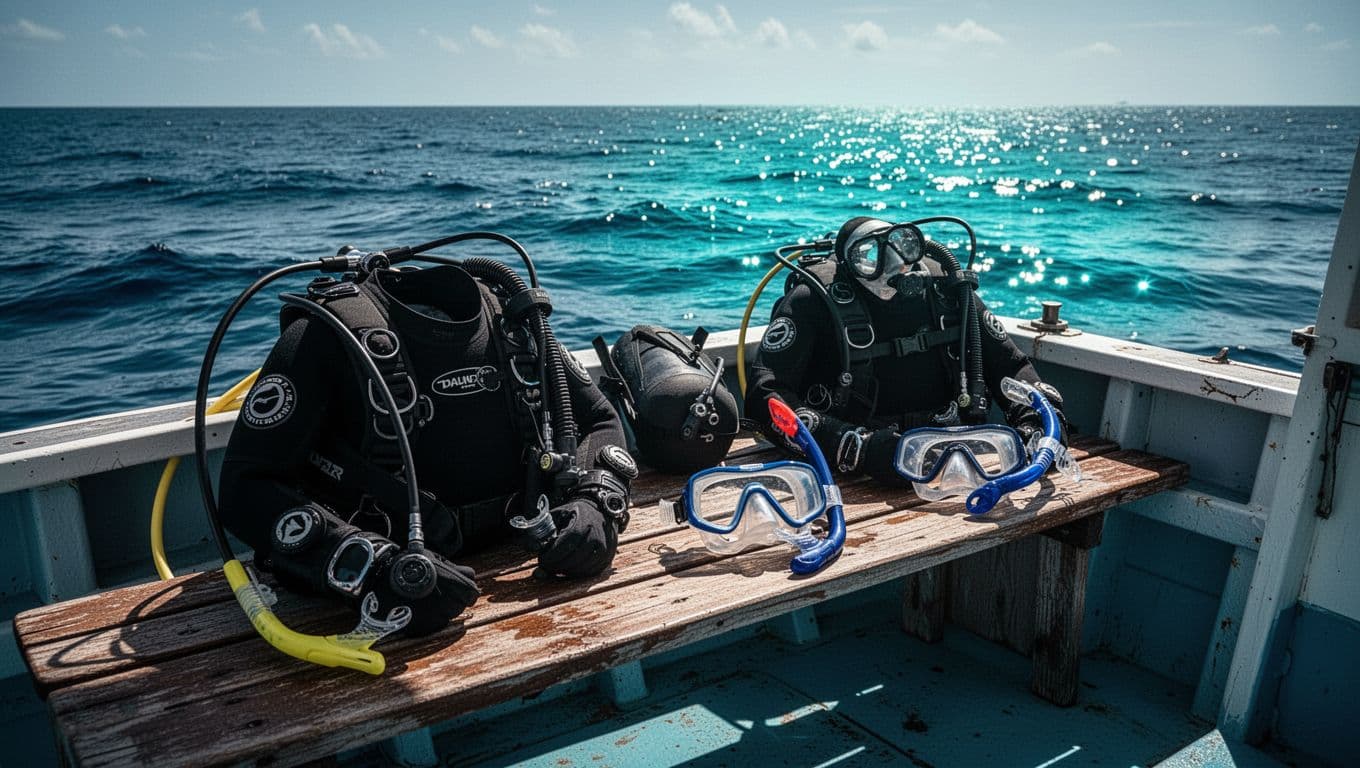
At the meeting point, check the equipment before entering the water. Your mask should seal comfortably, your snorkel should fit, and your fins should not cause cramps. Use the flotation device provided by the crew, especially if you feel tired or the water is moving.
Once you reach Kealakekua Bay, stay close to the guide and boat. Do not swim farther to get a better photograph. You should also avoid touching coral, standing on the reef, or pursuing turtles and fish. Reef-safe sunscreen, a rash guard, and a hat can reduce the amount of time you spend exposed to the sun.
If your breathing becomes uncomfortable, your legs feel weak, or you lose interest in staying in the water, return to the boat. You do not need to prove anything by completing the swim. Sitting out the final portion is a sensible decision after a demanding dive.
What Makes a Guided Captain Cook Trip a Better Fit?
A good operator should ask about your experience and explain the day’s conditions before you enter the water. You should know the meeting location, expected duration, equipment provided, entry method, and what happens if you need to leave the water early.
Small-group trips can make these conversations easier. A guide has more opportunity to notice when you are tired, answer questions about the reef, and keep the group within a manageable area. Lifeguard-certified guides also provide an additional layer of supervision for families and less experienced swimmers.
Kona Snorkel Trips follows a “Reef to Rays” philosophy centered on small-group service, safety, marine education, and reef-friendly practices. Its guides use quality snorkeling equipment and focus on helping guests observe the environment without damaging it.
The company’s Big Island snorkeling tours include Captain Cook and Kealakekua Bay experiences. The listed Captain Cook trip offers two tour times and runs for several hours, so check the current schedule before planning it around a scuba excursion.
If you are ready to compare current departures, you can check availability before finalizing your itinerary.
For the Kealakekua Bay trip, you can also check availability after reviewing the operator’s policy for guests who have scuba dived earlier.
What You May See at Kealakekua Bay
Kealakekua Bay is known for clear water and a wide range of tropical marine life. You may see schools of reef fish moving over coral, colorful fish near rocky structure, or green sea turtles passing through the area. Sightings depend on conditions, season, water clarity, and animal behavior.
The Captain Cook Monument gives the trip a strong sense of place. The bay connects underwater scenery with the history of Hawaii, so your guide may discuss the monument, Captain James Cook’s arrival, and the events of 1779. Listen during the briefing because local history and reef etiquette are part of the experience.
After scuba diving, you may notice that snorkeling feels less effortless than expected. A tank and regulator provide steady breathing below the surface, while snorkeling depends on relaxed surface breathing and efficient body position. Keep your movements slow and let your fins do the work.
Families should pay close attention to children’s energy levels. Young swimmers may become tired without saying so, especially when they are excited by the fish. Couples and solo travelers should follow the same rule. If you are tired, return to the boat before the guide needs to ask.
The best day for snorkeling Big Island waters is not always the day with the fullest itinerary. Leave room for rest, changing weather, and the possibility that you will enjoy the bay more by floating quietly than by covering every part of the reef.
When You Should Skip the Water and Seek Help
Do not snorkel if you feel unwell after scuba diving. Symptoms that require immediate attention can include unusual or worsening fatigue, joint or muscle pain, dizziness, weakness, numbness, tingling, confusion, difficulty breathing, chest pain, or problems with balance.
A skin rash or unusual itching can also deserve attention after a dive. Symptoms may appear after you leave the water, so feeling fine on the boat ride back does not remove the need to monitor yourself later.
Tell the crew immediately if anything feels wrong. Do not make another dive to “work out” symptoms, and do not dismiss them as seasickness without speaking to someone trained to assess dive-related problems. In an emergency, call 911 in Hawaii and follow the instructions of emergency personnel.
You should also sit out if you are dehydrated, severely sunburned, vomiting, or too tired to swim comfortably. These conditions can make a normal boat trip unsafe even when they have nothing to do with decompression.
If you develop possible dive-related symptoms, avoid flying until you have received medical advice. Altitude can place additional stress on your body after scuba, which is why post-dive travel planning deserves the same care as your water activities.
A Practical Plan for Your Kona Itinerary
Use this process if you want to snorkel the Big Island after scuba diving:
- Review your dive profile. Check your computer for depth, bottom time, number of dives, and any warnings. Write down the details if you need to share them with another operator.
- Tell the snorkel company before booking. Ask whether the trip allows guests who have scuba dived earlier and whether surface-only participation is acceptable.
- Choose the lower-risk option. A separate day is easiest. If you combine activities, avoid breath-hold descents, underwater contests, and strenuous swimming.
- Check your condition before departure. Eat, hydrate, rest, and be honest about fatigue. A paid reservation is never a reason to enter the water when you feel unwell.
- Follow the guide’s instructions. Stay near the boat, use the provided flotation, protect the reef, and return to the boat whenever you need a break.
A thoughtful snorkeling Big Island itinerary leaves space between demanding activities. You will enjoy the reef more when you can pay attention to the water instead of worrying about whether your body has recovered.
Captain Cook Snorkeling After Scuba Can Be Enjoyable With the Right Plan
Captain Cook snorkeling after a dive requires more care than a casual swim, especially if you plan to make repeated underwater descents. Your scuba profile, surface interval, energy level, and medical condition should guide the decision.
For the simplest plan, schedule Kealakekua Bay on a separate day. If you combine both activities, stay on the surface, tell your guides the truth about your dive, and stop immediately if you feel unusual symptoms.
The clearest water and brightest reef are worth enjoying at a pace your body can handle. A safe, relaxed surface swim will give you better memories than one more breath-hold dive.