
Captain Cook Snorkel Tour: Pregnancy Safety Guide
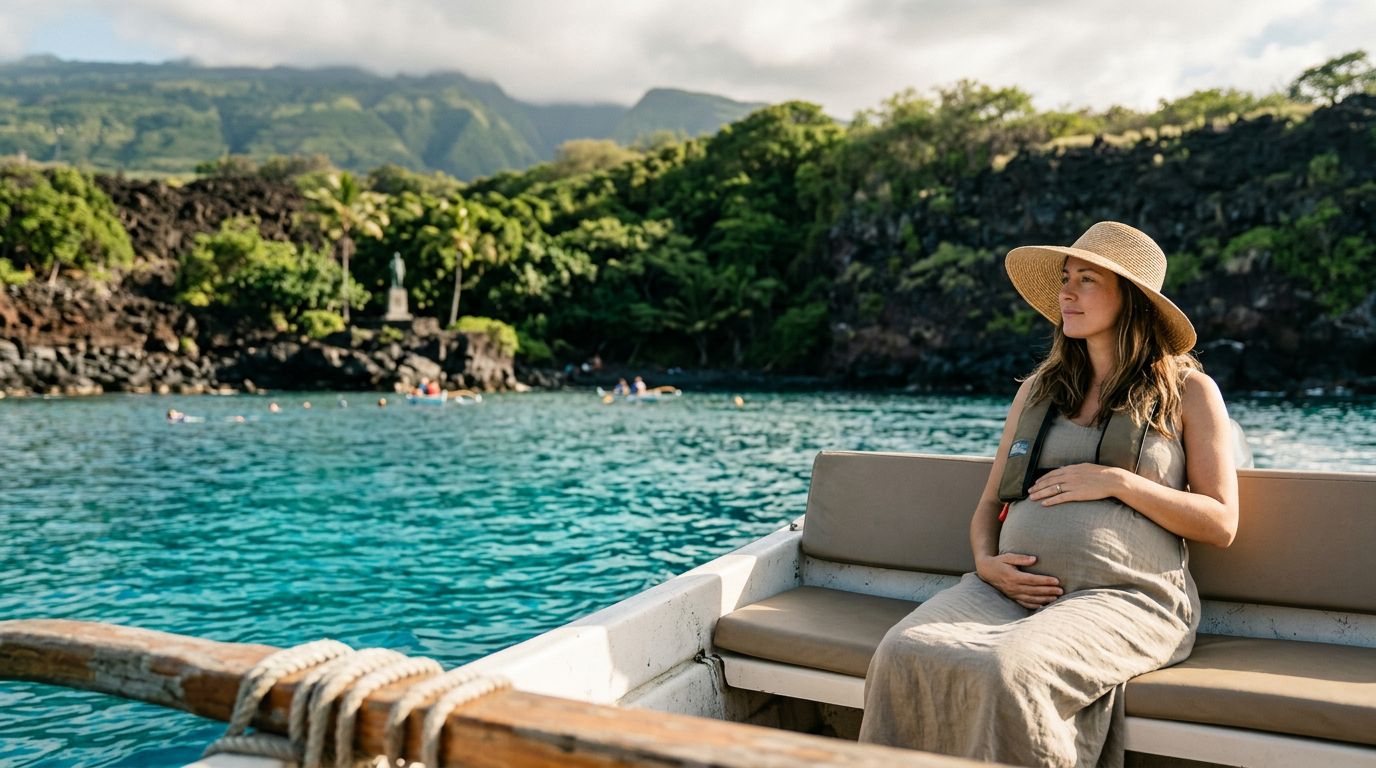
If you’re pregnant and searching for a Captain Cook snorkel tour, start with the operator’s policy, not the postcard views. Kona Snorkel Trips currently does not permit pregnant guests on its Captain Cook excursion to Kealakekua Bay, even though surface snorkeling can be safe for some healthy pregnancies.
A pregnancy doesn’t cancel your Hawaii plans. It does mean boat access, water conditions, heat, motion sickness, flotation, and emergency support deserve a closer look. If you compare providers, Captain Cook Snorkeling Tours is another company you may see for Kealakekua Bay trips, so ask about its current pregnancy policy before booking.
Can you take a Captain Cook snorkel tour while pregnant?
The medical answer isn’t a blanket yes or no. The CDC Yellow Book guidance for pregnant travelers says swimming and snorkeling are generally safe during pregnancy. It also recommends avoiding scuba diving because compressed-gas diving can expose the fetus to decompression-related risks.
Surface snorkeling is different from scuba. You breathe through a snorkel at the water’s surface, without carrying compressed air. However, a boat trip still involves boarding, movement on deck, water entry, swimming, sun exposure, and returning to the boat. Those factors matter more as your pregnancy progresses.
A review indexed by PubMed on diving and pregnancy also separates snorkeling from scuba diving. It reports that snorkeling may be possible during pregnancy, while scuba diving should wait until after birth. That general information doesn’t replace advice from your OB-GYN, midwife, or prenatal care team.
Your provider should make the medical decision if you have bleeding, fluid leakage, painful contractions, unusual shortness of breath, dizziness, high blood pressure, a history of pregnancy complications, or activity restrictions. Even without those concerns, ask before booking if you aren’t accustomed to swimming in open water.
The operator’s rules are a separate issue. As of August 2026, Kona Snorkel Trips’ published pregnancy guidance says pregnant travelers aren’t permitted on its Captain Cook snorkel tour. That policy applies even when a guest feels fit and has general medical clearance.
General snorkeling guidance doesn’t override an operator’s pregnancy policy, especially when the trip includes open-water boarding and no quick shore exit.
Why the Kealakekua Bay route needs extra care
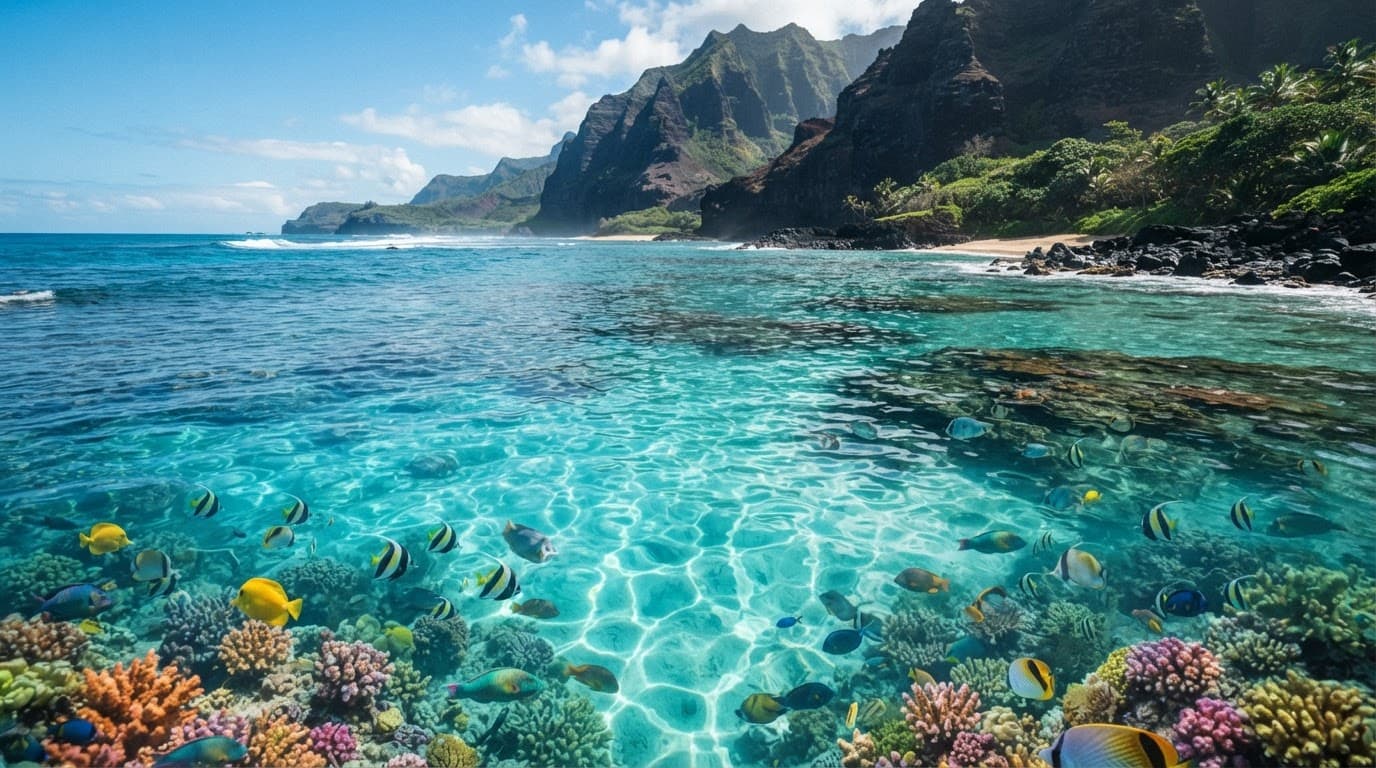
Kealakekua Bay is known for clear water, volcanic scenery, and the Captain Cook Monument. The bay is a popular destination for viewing reef fish and other marine life, but the experience usually begins with a boat ride and water entry away from a conventional beach.
That setup can create practical challenges during pregnancy. You may need to step across a moving deck, climb a swim ladder, balance while wearing fins, or wait in the water while other guests enter. Your center of gravity also changes during pregnancy, which can make ordinary boat movements feel less predictable.
Open water adds another variable. A calm bay can still have surface chop, current, boat wakes, or changing conditions. If the sea becomes uncomfortable, you can’t always walk ashore or end the activity immediately. You may need to climb back aboard and remain on the boat until the vessel returns.
Swimming with a mask can also encourage you to kick harder than expected. Some guests hold their breath, dive below the surface, or turn a relaxed snorkel into a long effort to reach a better view. Pregnancy is a poor time to push through fatigue or compete with stronger swimmers.
Heat and nausea deserve attention, too. Kona’s sunshine can feel intense on an exposed boat, while engine movement and ocean swell can worsen motion sickness. Dehydration, overheating, and seasickness can arrive before you realize you need a break.
A Captain Cook snorkel tour may be physically manageable for one traveler and unsuitable for another. The route, weather, vessel design, pregnancy stage, and individual health all affect the decision. That is why a fixed operator policy often provides a clearer answer than a general online statement.
What safer surface snorkeling would require
If a healthcare provider and an operator both approve a different snorkeling activity, keep the plan gentle and stay at the surface. You shouldn’t need to dive, hold your breath, swim against current, or chase marine life.
Searches for “snorkeling Big Island Hawaii” can make every tour appear similar, but the details vary widely. A short beach entry is different from a boat trip with a ladder. A protected cove is different from an exposed coastline. Ask about those differences before you reserve.
A pregnancy-conscious surface snorkel plan usually includes:
- A flotation vest, noodle, or supported platform that lets you rest without treading water.
- Calm conditions, shallow water, and a clear distance from coral and rocks.
- A buddy or guide nearby throughout the water portion.
- Easy access back to shore or the boat without rushing.
- Shade, drinking water, and a plan for taking breaks.
- No breath-hold diving, duck diving, or underwater swimming.
- A short session that ends before you feel tired, overheated, dizzy, or breathless.
The Hawaii Ocean Safety snorkeling guidance recommends assessing the water, checking conditions, and snorkeling with a buddy. Those points matter even more when you need to protect your energy and avoid a difficult exit.
If you need to hold your breath or dive below the surface to enjoy the activity, you’ve moved beyond the gentler form of snorkeling usually discussed in pregnancy guidance.
Choose comfortable equipment rather than tightening a mask or vest too much. Tell the guide you’re pregnant before entering the water, even if you feel fine. A guide can help you avoid a crowded entry point, adjust flotation, and identify the easiest way back aboard.
Morning outings may feel more comfortable because the sun is lower and the water can be calmer. Still, no time of day guarantees safe conditions. Look at the forecast, follow the operator’s instructions, and accept a cancellation if the sea isn’t suitable.
Why Kona Snorkel Trips has a firm policy
Kona Snorkel Trips follows a “Reef to Rays” philosophy built around small-group ocean adventures, guest safety, and care for Hawaii’s marine environment. Its trips use quality snorkeling equipment and Lifeguard Certified guides, with reef-safe practices and education included in the experience.
The company’s broader operation includes guided reef trips, private excursions, seasonal whale watching, and nighttime marine-life experiences. Custom-built lighted boards are used for nighttime encounters. Those details show how much planning goes into the equipment and logistics, but they don’t change the pregnancy restriction on the Captain Cook route.
A firm policy can feel disappointing when you’ve already pictured yourself floating above Kealakekua Bay. It also gives you a clear answer before you spend money, arrange transportation, or arrive at the harbor. Operators must account for boarding assistance, weather changes, emergency response, and the needs of every person on board.
You can browse Big Island snorkeling tours for other trip types and ask which options, if any, are appropriate for your situation. Don’t assume that a private boat or a shorter trip automatically removes the restriction. Each experience may have its own rules.
For guests who meet the operator’s participation requirements, current Kona Snorkel Trips options can be reviewed below.
Better ways to enjoy Kealakekua Bay during pregnancy
You can still appreciate the Kealakekua area without entering the water. Ask your hotel, transportation provider, or local guide about land-based viewpoints and historical sites near Kealakekua Bay. You may also enjoy a relaxed coastal drive, provided your prenatal care team has cleared your travel plans.
A boat ride without snorkeling may be possible with some operators, but never treat it as an automatic substitute. You still need to ask about the vessel, restroom access, shade, boarding steps, trip length, and how the crew handles a guest who becomes sick. Some companies may not allow pregnant guests on specific boats, even when no swimming is involved.
Private trips can offer more control over timing and breaks, but customization doesn’t erase the physical demands of the ocean. If you contact Kona Snorkel Trips about a private excursion, explain that you’re pregnant and ask for a direct answer about eligibility. Confirm whether you can remain on board, avoid water entry, and return early if needed.
If you hoped to snorkel Big Island reefs during a babymoon, a calm, shore-based outing may be easier to manage than a long boat excursion. Only choose it if your provider approves and the site offers a straightforward entry and exit. Never enter water with strong surf, slippery rocks, heavy current, or no nearby assistance.
You can also contact Captain Cook Snorkeling Tours directly about its current rules for pregnant travelers. Policies can differ between companies, vessels, and activities, so a written answer is better than relying on an old review or a social media comment.
For eligible guests planning a future Captain Cook trip, current dates can be viewed here:
Questions to ask before you reserve
When you contact a tour company, ask direct questions instead of relying on the word “easy” in a tour description. A trip advertised as suitable for families may still require a ladder, open-water swimming, or several hours on a moving boat.
Use these questions to compare your options:
- Does your pregnancy policy allow me to participate at all? Ask for the answer in writing if the policy isn’t clear on the booking page.
- Do you require a doctor’s note or medical clearance? Find out whether the company has a gestational-age limit or other requirements.
- How long is the boat ride and the full time on the water? The swimming portion may be short, but the total excursion can still be tiring.
- How do guests enter and exit the water? Ask about swim ladders, platform height, assistance, and whether you can remain on board.
- Is flotation provided? Confirm whether you can use a vest or supported float without needing to tread water.
- Is there shade, drinking water, and a restroom? These basic comforts can affect your ability to stay comfortable.
- What happens if I feel sick or need to stop? Ask how quickly the crew can get you out of the water and what the return plan involves.
- What is the cancellation policy? Weather, health changes, and provider advice can affect your plans at short notice.
Do not self-prescribe seasickness medication because you’re traveling. Ginger, vitamin B6, and acupressure bands are often discussed for nausea, but your OB-GYN or midwife should advise you about products, doses, and medication safety for your pregnancy.
If a company gives vague answers, treat that as useful information. You need a crew that can explain the physical setup clearly and respect your decision to stay out of the water.
If you feel unwell during the trip
Tell the guide as soon as you feel dizzy, faint, nauseated, unusually tired, overheated, or short of breath. Stop swimming, remove your mask if necessary, use the available flotation, and leave the water with assistance. Don’t wait to see whether symptoms disappear while you continue kicking.
Once you’re back on the boat, sit in shade, drink water if you can, and follow the crew’s instructions. If you have severe or persistent symptoms, contact your healthcare provider. For an emergency in Hawaii, call 911.
Seek urgent medical help for symptoms such as vaginal bleeding, fluid leakage, painful contractions, chest pain, fainting, severe breathing difficulty, or severe abdominal pain. Your guide can help with the immediate response, but the crew doesn’t replace medical care.
Travel plans also need care outside the water. If you’re flying to Hawaii, review ACOG’s guidance on air travel during pregnancy and ask your prenatal provider about your specific timing, health history, and travel needs.
Build a pregnancy-friendly Big Island itinerary
A pregnancy-friendly Hawaii itinerary gives you meaningful choices without requiring every day to include strenuous activity. You might spend a morning near the coast, take a rest period during the hottest hours, and choose a short ocean outing only when conditions and policies align.
The phrase “snorkeling Big Island” covers many different experiences. A calm beach, a rocky shoreline, a charter boat, and a nighttime swim all carry different demands. Compare the entry point, water movement, duration, shade, flotation, and distance from medical support.
For a gentle ocean day, focus on viewing marine life from a safe distance and protecting the reef. Don’t stand on coral, touch animals, feed fish, or use products that can harm marine ecosystems. Reef-safe behavior helps protect the places you came to see.
You may still want to snorkel Big Island waters later in your trip, after your provider clears you and your body feels ready. Until then, a scenic drive, a protected shoreline visit, or a boat ride that permits you to remain onboard can preserve the ocean experience without forcing an unsuitable activity.
The best choice is the one you can enjoy without worrying about the next wave, the next ladder step, or whether you can keep up with the group.
Conclusion
A Captain Cook snorkel tour isn’t automatically safe or unsafe for every pregnant traveler. General medical guidance allows surface snorkeling for some healthy pregnancies, but breath-hold diving, rough water, overexertion, and scuba diving should be avoided.
Kona Snorkel Trips currently doesn’t permit pregnant guests on its Captain Cook excursion. Respect that policy, ask other providers direct questions, and get clearance from your prenatal care team before choosing any ocean activity.
You can still have a memorable Big Island trip. The right plan protects your health, leaves room for rest, and lets you enjoy Hawaii’s coast without turning a beautiful day into a physical test.