
Captain Cook Snorkel Tour Accessibility Guide
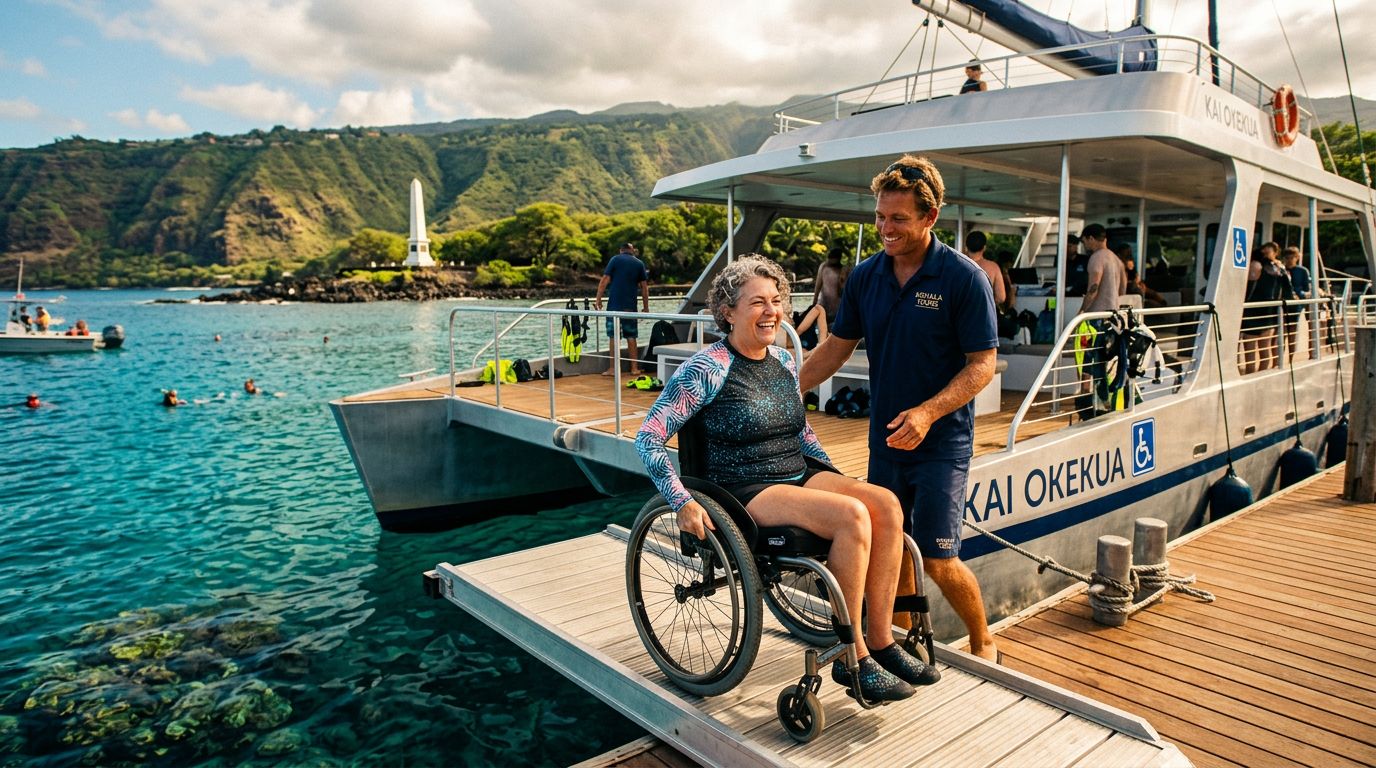
A Captain Cook snorkel tour accessibility plan starts before you reach the harbor. If you have limited mobility, the quality of your day depends on boarding details, boat layout, transfer support, and water conditions as much as the reef itself.
Captain Cook snorkel tour accessibility isn’t one simple label. Your needs may be different if you use a wheelchair, walk with a cane, tire quickly, or need help moving from a dock to a boat seat. With the right questions, you can choose a Kealakekua Bay experience that feels safe, comfortable, and enjoyable.
What Accessibility Means on a Captain Cook Snorkel Tour
Kealakekua Bay is famous for clear water, colorful fish, and the Captain Cook Monument along the coast. Reaching the snorkeling area by boat can reduce the need for a long land route, but the trip still includes several physical steps.
You may need to travel across a dock, step onto a moving vessel, climb a short ladder, or transfer into a fixed seat. Some boats have more open deck space than others. A ramp at the harbor doesn’t always mean the boat itself can accept a wheelchair.
For broader island planning, Big Island wheelchair travel tips can help you compare transportation, beaches, parks, and boat excursions before you book activities.
Start with your actual movement needs
The most useful description is practical. Instead of saying only that you have limited mobility, explain what you can and can’t do comfortably.
For example, tell the operator whether you can:
- Walk from a vehicle to the dock without resting.
- Step over a small gap between the dock and boat.
- Climb a short ladder with handrails.
- Sit on a bench without back or arm support.
- Transfer from a wheelchair into a boat seat.
- Remain seated for the ride without changing position.
You should also mention balance concerns, joint pain, recent surgery, respiratory conditions, or medication needs. These details help the crew give you an honest answer.
Kona Snorkel Trips is a small-group ocean adventure company built around its “Reef to Rays” philosophy. The company focuses on personal service, safety, high-quality snorkeling gear, reef education, and lifeguard-certified guides. Captain Cook Snorkeling Tours is another name you may encounter when comparing dedicated Kealakekua Bay providers.
Kona Snorkel Trips does not publish one blanket promise that every mobility need will fit every departure. You should contact the company with your specific requirements before reserving a place. The crew can then discuss the boat, boarding process, seating, and available assistance.
If you want to review current departure times and tour options, you can check availability after confirming that the trip matches your mobility profile.
Captain Cook Snorkel Tour Accessibility Questions to Ask
A short phone call can prevent an uncomfortable surprise at the harbor. Ask direct questions, and request clear answers rather than relying on a general “accessible” description.
These are the questions that matter most:
- How do guests board the boat?
Ask whether you walk across a gangway, step from a floating dock, use a ramp, or transfer with crew assistance. Find out whether the boat moves during boarding. - Can you bring a wheelchair or walker?
Confirm the maximum size and whether the mobility device can stay on the dock or travel onboard. A folding walker may fit where a full-size wheelchair cannot. - Is a transfer required?
If you cannot transfer independently, ask what assistance the crew can provide. Some crews can steady you, but they may not be able to lift your full body weight. - Where will you sit during the ride?
Ask about back support, armrests, shade, exposed deck areas, and the distance to the restroom. You may also want to know whether you can remain in one seat for the entire trip. - Can you enjoy the trip without entering the water?
A person with limited mobility may still want the reef views, coastline, wildlife, and boat ride. Confirm whether staying aboard is comfortable and acceptable if snorkeling becomes impractical. - What happens if conditions change?
Wind, swell, current, and boat movement can affect boarding and water entry. Ask how the crew handles a change in conditions and whether they recommend rescheduling.
Use precise language when you call. “I can walk about 50 feet but cannot climb a ladder” gives the guide useful information. “I need an accessible boat” may not provide enough detail.
A tour can be welcoming and safety-focused without being suitable for every wheelchair or transfer situation. The correct answer depends on your device, strength, balance, and the vessel used that day.
The Captain Cook snorkeling tour details can help you understand the general experience. However, the operator’s current accessibility information is more important than a standard tour description.
Getting to the Boat and Boarding in Kona
Boarding is often the most demanding part of a boat excursion. The water may be calm once you reach the bay, but docks can shift slightly, surfaces can be wet, and the gap between dock and boat can change with the tide.
Give yourself extra time. Arriving rushed makes transfers harder and leaves less time to adjust your seat, stow equipment, or ask for help. If you use a wheelchair or walker, ask where you can wait without blocking other guests.
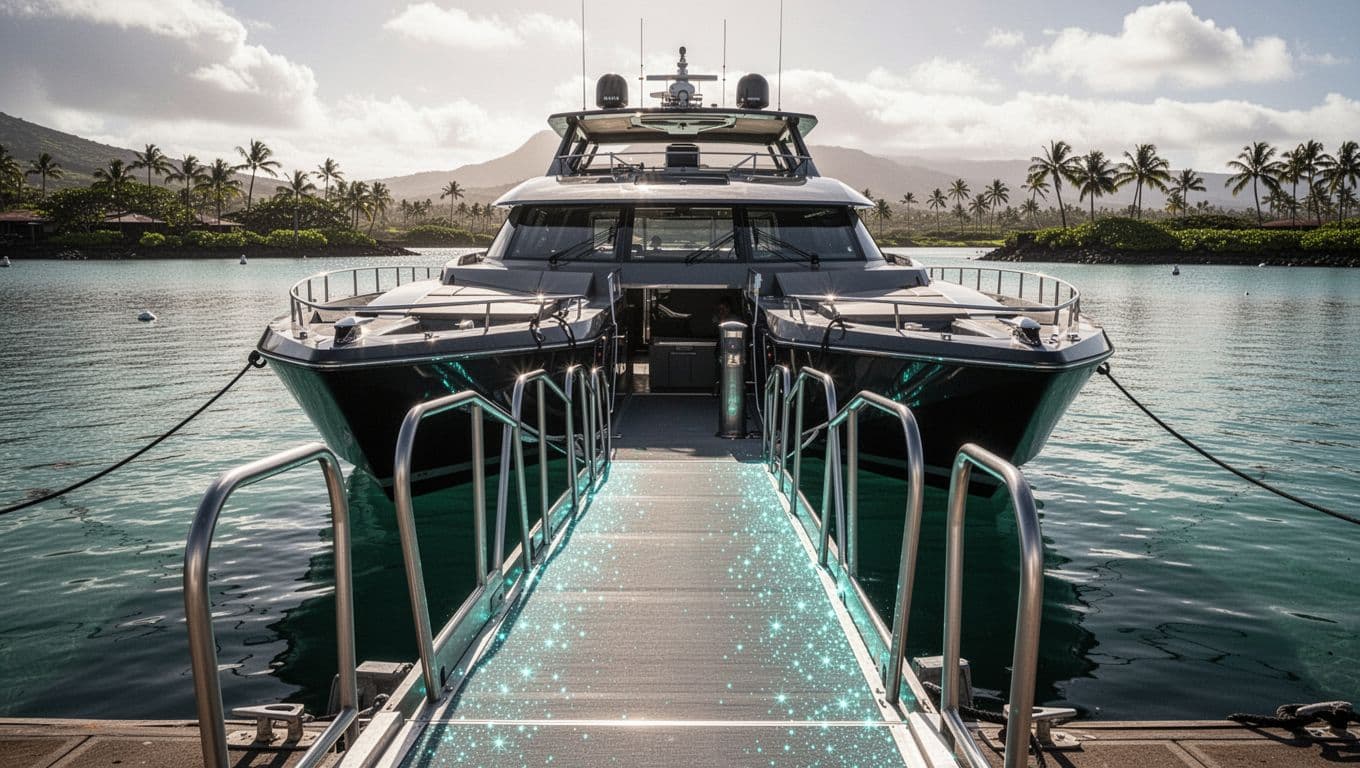
Understand the harbor setup
Ask whether the departure point has:
- A paved route from parking to the dock.
- A ramp or gangway with a manageable slope.
- Restrooms near the boarding area.
- A stable place to sit while you wait.
- Space for a mobility device.
- Staff who can assist with bags and equipment.
Accessibility conditions can vary between marinas. A route that feels easy for someone who walks with a cane may still be difficult for a power wheelchair user.
Hawaii travel guides often point out that accessible boat outings may still require a transfer from a wheelchair into a seat. The Hawaii accessibility guide is useful for comparing this kind of transfer requirement with other island activities.
Ask about the vessel, not only the dock
A stable dock doesn’t guarantee an easy boat entry. Ask whether the boat has a wide walkway, handrails, non-slip flooring, and a step-free route to the main seating area.
You should also ask whether a wheelchair can be secured onboard. Loose equipment can create a trip hazard, especially when other guests move around the deck. If your device must remain at the harbor, confirm that it can be stored safely during the trip.
Some guests can manage a short step but cannot climb a vertical boarding ladder. Others can climb but need an arm for balance. Your answer may depend on the boat assigned to your departure, so ask whether the operator can identify the vessel in advance.
Choosing Whether to Enter the Water
A Captain Cook trip doesn’t have to be an all-or-nothing experience. You may be able to enjoy the coastal scenery and marine life from the boat even if you decide not to snorkel.
For guests who can swim but need support, ask whether the crew provides flotation equipment, noodles, life jackets, or a guided entry plan. Find out whether you can enter from a lower platform or whether the boat uses a ladder. The answer affects your comfort and safety.
If you use a wheelchair, ask whether the crew can help with a transfer and what that assistance involves. A crew member may be able to offer physical support, but you should never assume that the crew can lift you from the deck into the water.
Flotation support can change the experience
You may feel comfortable in the water but tire faster than other swimmers. A flotation vest or other support can reduce the effort needed to stay on the surface. It also gives you a more stable position while you look at the reef.
Ask whether you can wear flotation support during the entire snorkeling session. You should also ask how a guide will stay close if you need to return to the boat early.
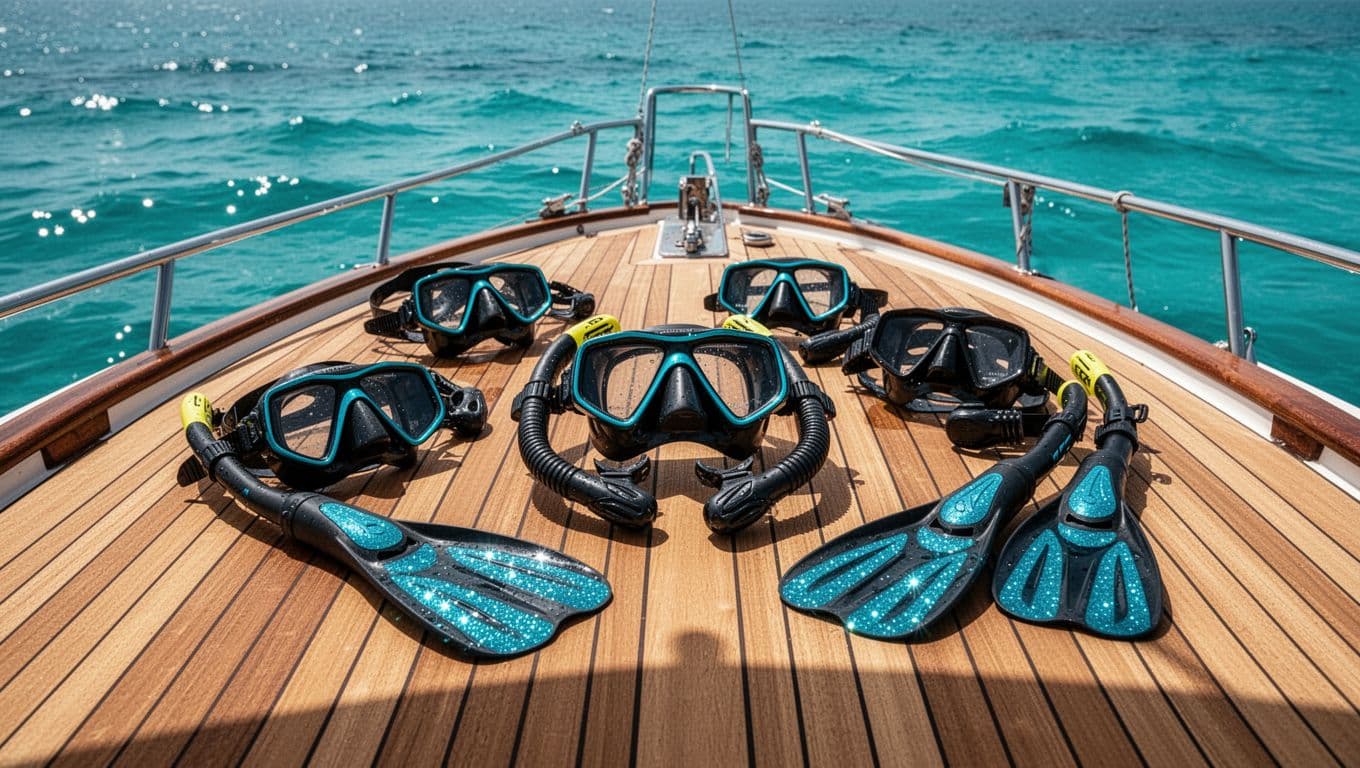
Kona Snorkel Trips provides quality snorkeling equipment and operates with lifeguard-certified guides. Still, equipment choices and in-water assistance should be confirmed for your specific needs before departure. Guides can explain how to fit a mask, adjust flotation gear, and follow the group’s safety plan.
Staying aboard is a valid choice
You might join the trip for your family, partner, or friends while choosing to remain on the boat. That can still give you a full day on the water if the seating area offers shade, a secure handhold, and a clear view.
Ask whether someone can help you put on a life jacket or move to a better viewing position. You may also want to know whether the boat has a restroom and whether the route to it is practical for you.
The best plan leaves room for changing your mind. You can decide to swim if you feel good, or remain aboard if the boat movement, water temperature, or fatigue makes entry uncomfortable.
Captain Cook Tour Options for Different Mobility Levels
Your ideal format depends on how much help you need and how much control you want over the pace. A small-group trip may offer personal attention, while a private charter can provide more flexibility around stops and timing.
| Your situation | Tour format to discuss | Main question |
|---|---|---|
| You walk independently but tire easily | Small-group boat tour | Can you sit near the boarding point and avoid unnecessary steps? |
| You use a cane or walker | Small-group or private trip | Can the crew assist with balance and store your mobility aid? |
| You need a wheelchair transfer | Private trip may offer more flexibility | Can the vessel and crew support your transfer safely? |
| You prefer to stay aboard | Any suitable boat tour | Is the seating comfortable for the full outing? |
| Your needs change during the day | Private or customized outing | Can the schedule adjust if you need a slower pace? |
A private outing may give your party more control over breaks, seating, and water participation. It doesn’t automatically make the boat wheelchair accessible, so you still need to confirm boarding and transfer details.
You can review private snorkel tours in Kona when a customized schedule or smaller group would make the day easier. Ask whether the private boat assigned to your booking has the features you need.
A shared tour may be a good fit if you can board without extensive assistance and enjoy a fixed schedule. It can also work well for families who want to snorkel together while one guest watches from the boat.
The phrase snorkeling Big Island Hawaii covers many types of outings. A Captain Cook trip is best suited to you when the boat access, seating, and water plan match your abilities rather than simply matching your sightseeing wish list.
Preparing for a Comfortable Day on the Water
Good preparation reduces avoidable strain. Wear clothing that dries quickly and shoes with secure soles for the dock and boat deck. Avoid loose sandals that can slip off during boarding.
Bring any medication you may need during the outing. If you use cushions, braces, transfer boards, or other personal equipment, ask the operator whether you can bring them onboard and where they can be secured.
You may also want to bring:
- A hat with a secure fit.
- Reef-safe sunscreen.
- Sunglasses with a retention strap.
- A light cover-up for the boat ride.
- Water and a small snack, if permitted.
- A dry change of clothing.
- Contact information for your travel companion.
Tell your companion and guide what kind of help works best. Some guests need an arm for balance. Others need instructions before each step or extra time to reposition their feet.
Plan around energy, not only the clock
Morning departures may suit you if fatigue increases throughout the day. On the other hand, a later start may work better if stiffness is worse after waking. Choose the time that matches your normal energy pattern.
Leave space before and after the tour. Avoid scheduling a long hike, airport transfer, or formal dinner immediately afterward. Your body may need time to dry off, change clothes, and recover from the boat movement.
If you take medication for motion sickness, ask your healthcare professional whether it fits your plans. Keep hydration in mind, especially in warm weather. The ocean can feel relaxing, but boarding, swimming, and sun exposure still require energy.
When Another Ocean Experience May Fit Better
A Captain Cook snorkel tour can be a rewarding choice, yet it may not suit every mobility profile. If you cannot transfer, cannot manage a moving boat, or need a fully step-free activity, consider a land-based coastal viewpoint or a boat experience designed around sightseeing rather than water entry.
Accessible Big Island travel resources list options such as glass-bottom boats, sightseeing vehicles, and other activities that may involve less physical effort. You can compare accessible Big Island tour options before choosing a snorkeling trip.
You may also prefer a private charter if your group has mixed abilities. One person can snorkel while another enjoys the reef views from the boat. That approach can work well for couples, families, and multigenerational groups.
If your priority is seeing marine life without entering the water, say so when you call. The crew can tell you whether the route, seating, and viewing areas make that plan realistic.
Booking a Captain Cook Trip With Confidence
Before you pay, write down the answers to your accessibility questions. Include the name of the vessel if the operator provides it, the boarding method, transfer expectations, seating arrangement, and water-entry plan.
Ask the company to record your needs on the reservation. Then reconfirm a few days before departure, especially if you use a large mobility device or require physical assistance.
When you speak with Kona Snorkel Trips, describe your ability in concrete terms. Tell the team how far you can walk, whether you can step up, whether you can transfer, and whether you plan to snorkel or stay aboard.
For a Captain Cook or Kealakekua Bay trip, you can check avaialbility after discussing those details with the crew.
The company emphasizes small-group service, safety, reef-safe practices, and education about Hawaii’s marine environment. Those qualities matter, but your personal fit still depends on the boat and the assistance you need.
Final Thoughts
Captain Cook snorkel tour accessibility comes down to specific answers about the dock, boat, seat, transfer, flotation support, and backup plan. When you explain your needs clearly, the operator can help you choose a realistic experience.
You don’t have to swim to appreciate Kealakekua Bay. With the right arrangements, you can enjoy the coastline, clear water, marine life, and time with your group at a pace that respects your body. Good planning makes the ocean more approachable.