
Pair a Captain Cook Snorkel Tour With Kona Coffee
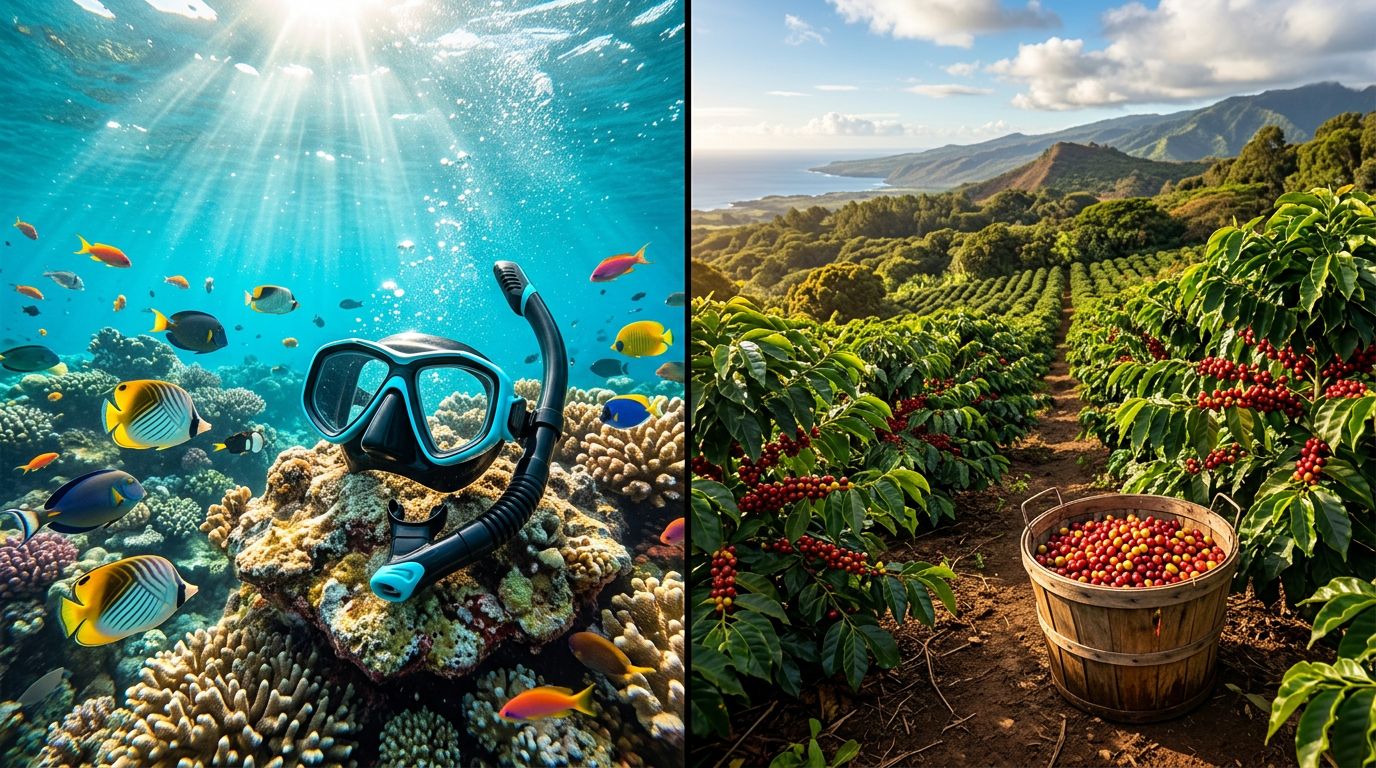
A Captain Cook snorkel tour gives you a morning in clear Pacific water, while a Kona coffee farm adds a relaxed taste of the island’s upland landscape. Together, these experiences turn one busy vacation day into a balanced look at Hawaii’s coast and countryside.
If you’ve searched for “snorkeling Big Island Hawaii,” you may have noticed how many tours compete for your time. The best pairing keeps the schedule practical: snorkel early, eat lunch nearby, then visit a coffee farm while you still have daylight. Start with the water, then follow the road uphill into Kona’s coffee country.
Why Pair Kealakekua Bay With a Kona Coffee Farm?
Kealakekua Bay and the Kona Coffee Belt sit close enough to combine without crossing the island. That makes this plan useful when you want to see more than one side of the Kailua-Kona area, but don’t want to spend most of the day in a car.
The bay gives you active outdoor time. You swim above coral, watch tropical fish move through the reef, and look toward the cliffs surrounding one of Hawaii’s most recognizable coastal sites. A coffee farm slows the pace afterward. You can walk among shaded trees, learn how cherries become roasted beans, and sit down with a fresh cup.
That contrast matters. Saltwater, sun, and movement can leave you ready for a quieter afternoon. Coffee farms usually offer a more grounded visit, with uneven paths, open-air tasting spaces, and views across the slopes toward the Pacific.
The pairing also works well for groups with different interests. Strong swimmers can focus on the reef, while anyone who prefers land activities may enjoy the farm tour and tasting. Families can discuss the morning’s wildlife over lunch. Couples get a full day with changing scenery, and solo travelers can combine adventure with a local food experience.
You should still plan around your energy. A morning boat trip takes more effort than a casual beach swim, especially when the ocean has wind or surface movement. Leave enough time for a proper meal, water, and a slower farm visit rather than squeezing in too many stops.
Build Your Day Around a Captain Cook snorkel tour
The cleanest schedule starts with a morning departure to Kealakekua Bay. Morning conditions often give you cooler air and a comfortable start, although ocean visibility and water movement can change daily. Your operator’s schedule and the day’s conditions should guide the final timing.
A boat tour also lets you reach the bay without committing to a long shoreline walk. Your guide can brief you on entry procedures, flotation gear, reef etiquette, and the areas that suit your comfort level. That information matters when you’re traveling with children, less confident swimmers, or anyone snorkeling for the first time.
Schedule the farm after lunch
Plan lunch between the boat tour and the farm. You may feel hungry after swimming, and a meal gives you time to dry off before walking through coffee fields. Bring a change of clothes if you don’t want to spend the drive in a damp swimsuit.
You don’t need to book the closest farm simply because it’s nearby. Check the farm’s current tour times, reservation rules, tasting availability, and closing time before you reserve the boat. Some farms focus on guided walks, while others emphasize tastings, roasting, historic buildings, or retail shopping.
A useful schedule has four parts:
- Take the morning boat tour and allow time for the return, gear drop-off, and changing clothes.
- Stop for lunch near your route rather than driving hungry to the farm.
- Spend at least an hour at the coffee property so you aren’t rushing through the tasting.
- Keep a buffer before dinner in case the boat returns later than expected.
When you want to snorkel Big Island waters and visit a farm on the same day, order matters. The ocean portion depends on a fixed departure, while a farm visit usually gives you more flexibility.
What You Can See in Kealakekua Bay
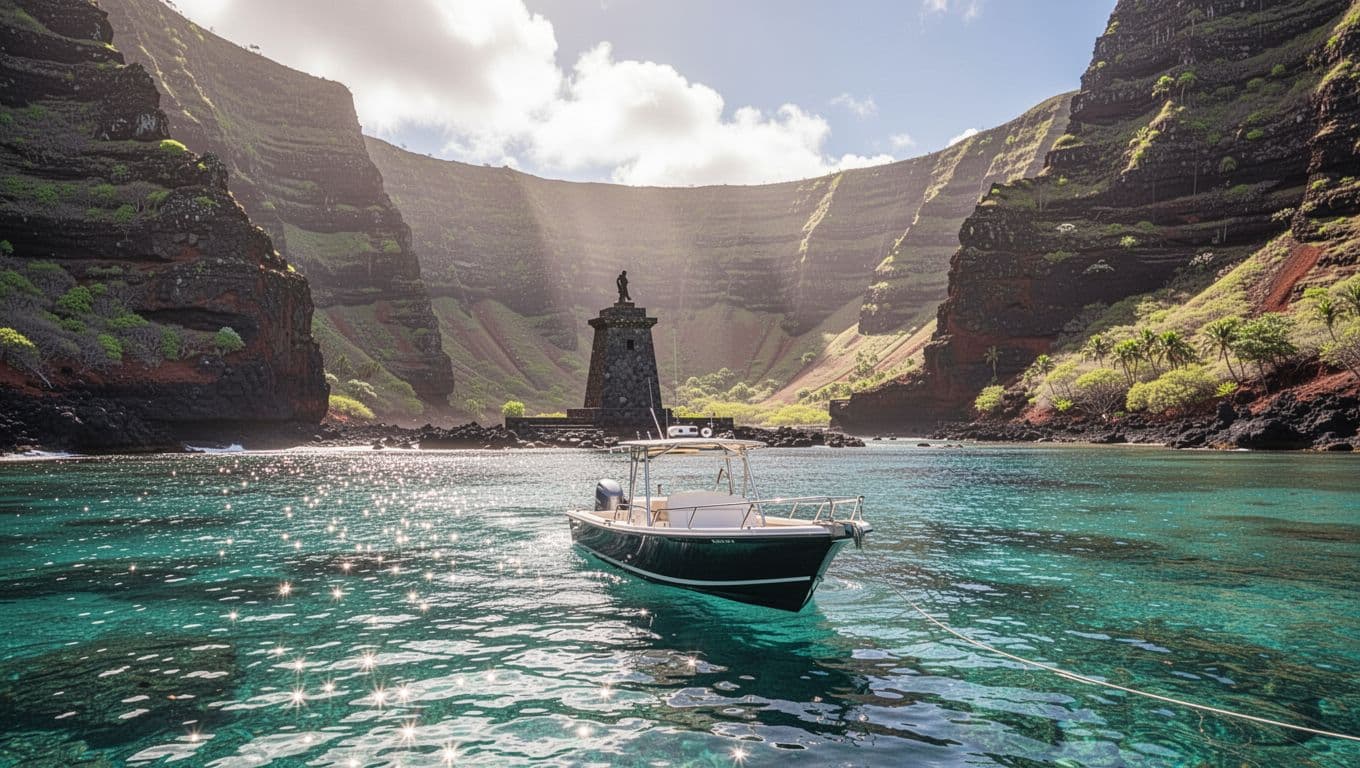
Kealakekua Bay is known for clear water, coral habitat, and the Captain Cook Monument on the shore. The monument marks the location associated with Captain James Cook’s death in 1779. Your guide can add historical and cultural context while you travel through the bay.
Underwater, the scenery changes with depth and location. You may see branching coral, larger reef structures, and schools of small tropical fish. Hawaiian green sea turtles can appear in the area, although no responsible operator can promise a wildlife sighting. Spinner dolphins may also travel through coastal waters, but they are wild animals and should never be approached or chased.
For snorkeling Big Island reefs, a guided visit to Kealakekua Bay gives you a clear starting point. You don’t need to identify every fish to enjoy the experience, but a guide can point out details you would otherwise miss, such as camouflaged creatures, coral formations, and safe places to pause.
Water clarity can make the bay feel deceptively calm. Even in sheltered areas, you need to manage your breathing, stay aware of your position, and listen when your guide gives instructions. Ocean conditions can shift during the day, so your guide may adjust the route or shorten time in the water when needed.
Match the tour to your swimming ability
Ask about the boat, group size, flotation equipment, in-water guidance, and minimum age before booking. Families should also confirm whether children need to meet specific swimming requirements. A mask that fits well can make a greater difference than expensive personal gear.
If you wear glasses, ask about prescription mask options or bring contact lenses only if you already use them comfortably in water. Reef-safe sunscreen, a long-sleeve sun shirt, and a reusable water bottle can make the morning easier.
The bay rewards calm observation. Move slowly, keep your fins away from coral, and leave animals plenty of space. You will often see more when you stop kicking and let the scene settle around you.
Choosing the Right Captain Cook Tour Operator
Your operator affects the day well before you enter the water. Look for lifeguard-certified or otherwise professionally trained guides, clear safety instructions, quality equipment, and a group size that allows you to ask questions.
Kona Snorkel Trips is a strong fit if you want a small-group experience with personal guidance. The company follows a “Reef to Rays” philosophy, with a focus on guest safety, marine education, and responsible interaction with Hawaii’s ocean ecosystems. Its guided trips include well-maintained snorkeling equipment, knowledgeable lifeguard-certified guides, and a less crowded atmosphere than a large commercial boat.
You can review the company’s Big Island snorkeling tours to compare its Captain Cook and other ocean experiences. The crew also emphasizes reef-safe behavior, so you receive practical guidance about contact with coral, wildlife distance, and careful movement in the water.
For another Captain Cook option, Captain Cook Snorkeling Tours focuses on Kealakekua Bay excursions. Comparing departure points, trip duration, boat style, inclusions, and cancellation policies can help you choose the right fit.
Read the safety information before you book. Ask about weather policies, what happens if conditions change, and whether the crew provides flotation support. A good operator welcomes those questions because clear expectations help everyone enjoy the trip.
If you want a Kona Snorkel Trips outing, you can check availability before choosing your farm reservation.
Choose a Kona Coffee Farm Experience
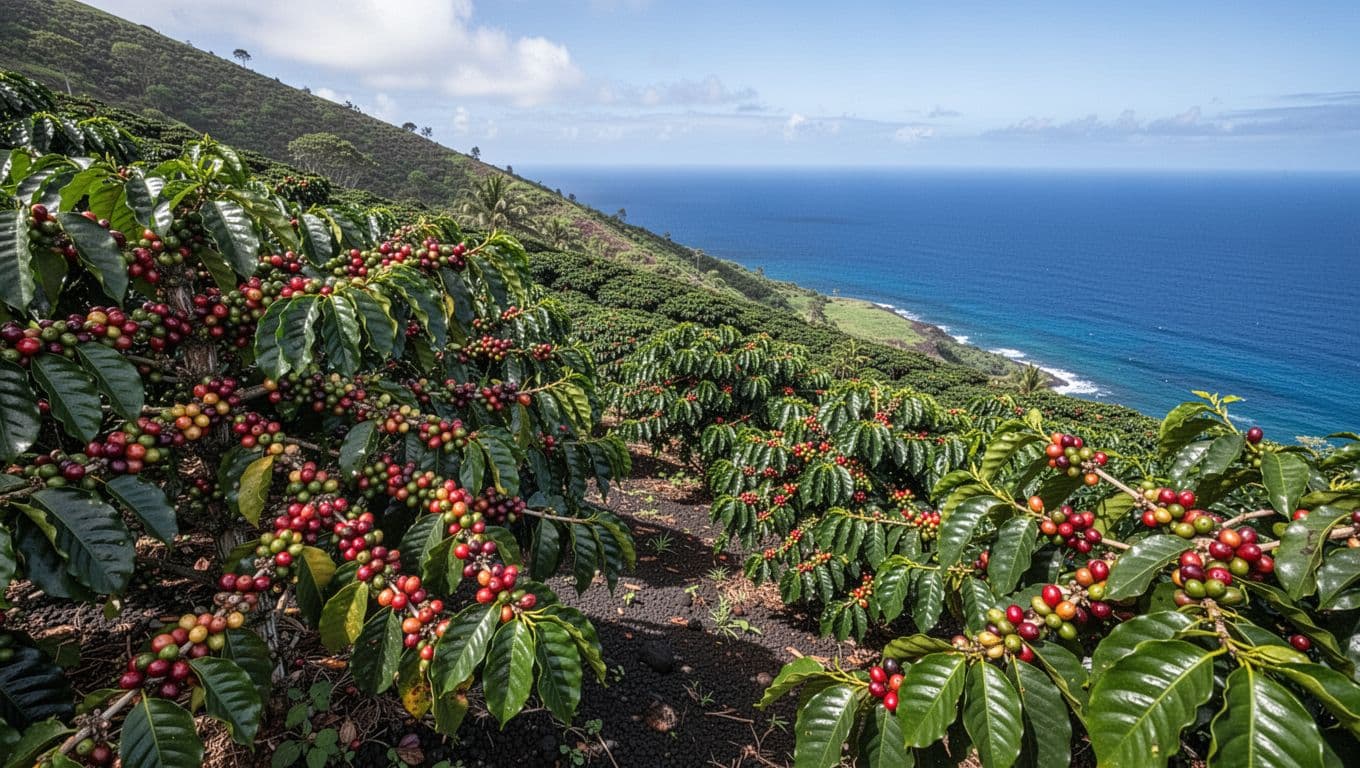
Kona coffee grows on the slopes above the coast, where volcanic soil, elevation, rainfall, and afternoon cloud cover shape the growing conditions. A farm visit helps you understand why coffee tastes different before it ever reaches a roasting machine.
You may walk between coffee trees, see ripe cherries during harvest season, and learn how farmers sort and process the crop. Tour details vary, so check whether your chosen property offers a guided farm walk, a roasting demonstration, a tasting, or a self-guided visit.
The Kona Coffee Living History Farm in Captain Cook is one well-known option for learning about the area’s coffee-growing past. Greenwell Farms is another established name in the region, with farm experiences and tastings that may change by season. Mountain Thunder Coffee Plantation offers a different setting higher on the mountain. Confirm current hours, reservations, and tour formats directly with each property.
Know what a tasting can include
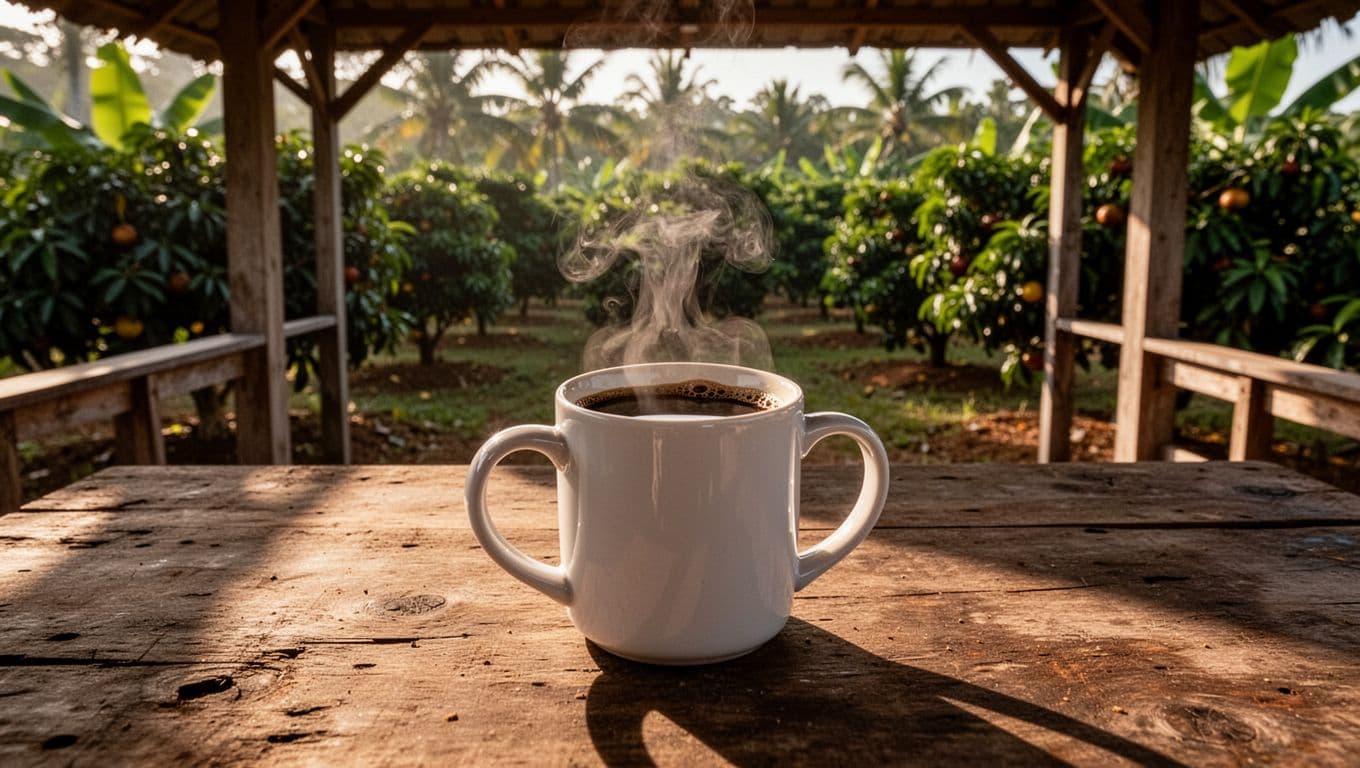
A tasting may include several roast levels or brewing styles. You might notice fruit, chocolate, nut, caramel, or spice notes, but you don’t need a trained palate to enjoy it. Start with the aroma, take a small sip, and compare how the flavor changes as the coffee cools.
Ask how the beans were processed and roasted. The answers add context to the cup in front of you. A farm guide may also explain the difference between whole coffee cherries, parchment, green beans, and roasted beans.
Some visitors want a short tasting before dinner. Others prefer a full farm tour with time for photos and questions. If you’re traveling with young children, confirm whether the experience involves long walks, steep slopes, or extended time outdoors.
Coffee farms often sit on uneven ground. Wear shoes with traction, use sun protection, and bring water even if coffee is the main attraction. The higher slopes may feel cooler than the coast, especially when clouds move in.
Plan the Drive Without Rushing
The exact route depends on your boat’s harbor, your coffee farm, and where you’re staying. Before the trip, enter both locations into your map app and check the route at the time you expect to drive. Coastal traffic, construction, and afternoon showers can affect your plans.
Don’t schedule a farm tour that begins immediately after your boat’s listed return. You need time to collect belongings, change, eat, and reach the property. A 60-minute buffer is a sensible starting point, with more time if you’re traveling with children or a larger group.
This planning framework keeps the day comfortable:
| Part of the day | What to allow |
|---|---|
| Captain Cook boat tour | Use the operator’s listed duration, plus time for check-in and changing |
| Lunch | Allow enough time for a full meal and water |
| Drive to the farm | Check the live route and add a buffer |
| Farm visit | Set aside 60 to 120 minutes, depending on the tour |
| Evening plans | Keep dinner flexible in case the morning runs late |
If you book a farm with a fixed entry time, reserve the boat first. That approach protects the least flexible part of your schedule. Then choose a coffee experience that starts comfortably afterward.
You can also split the experiences across two days. That option works better if your group wants a long coffee tour, a relaxed lunch, or additional stops near South Kona.
What to Bring for Both Experiences
Pack for a wet morning and a warm afternoon. You won’t need a large bag, but a few practical items will help you stay comfortable.
- Bring a swimsuit, towel, reef-safe sunscreen, sunglasses, and a cover-up for the boat.
- Carry a dry change of clothes for the drive and coffee farm visit.
- Wear closed-toe walking shoes or sturdy sandals with traction for uneven farm paths.
- Pack a refillable water bottle, especially if you plan to spend time outdoors after snorkeling.
- Bring a waterproof phone pouch if you want photos, but keep your attention on the guide and marine life.
- Carry motion-sickness medication only if you already know it works for you, and follow the product directions.
Most guided operators provide masks, snorkels, fins, and flotation equipment, but confirm the inclusions before departure. If you prefer a particular mask or snorkel, you can bring your own after checking the operator’s rules.
Leave jewelry and loose valuables at your accommodation. Saltwater, boat movement, and wet hands make small items easy to lose.
Keep the Reef Healthy During Your Day
Your choices in the water affect the place you came to see. Apply reef-safe sunscreen before entering the water, and give it time to absorb. A sun shirt can reduce how much sunscreen you need during the tour.
Never stand on coral, even when the water looks shallow. Coral is a living animal colony, and a brief touch from a fin or foot can cause damage. Keep your body level, use slow kicks, and follow the guide’s route around sensitive areas.
Wildlife needs space. Don’t touch turtles, fish, dolphins, or other animals, and don’t feed them. Your guide can help you observe without changing their behavior.
Use reusable containers when possible, take all trash with you, and avoid buying souvenirs made from coral, shells, or protected wildlife. A responsible farm visit also means staying on marked paths and respecting working areas.
Kona Snorkel Trips builds reef education into its guided experiences, with a focus on ocean stewardship and careful interaction. That makes the combination with a coffee farm especially meaningful: you experience the coast, learn about a local crop, and leave both places with greater care for the land and water.
For a Captain Cook trip with Kona Snorkel Trips, you can check avaialbility before arranging the farm portion of your day.
Make the Pairing Work for Your Travel Style
Families should prioritize a tour with clear safety support, appropriate flotation gear, and a schedule that leaves room for snacks and rest. Ask about children’s age requirements before booking, then choose a farm with accessible paths and a shorter visit if needed.
Couples may prefer an early boat tour followed by a slower tasting with ocean views. You can also choose a private or small-group experience if you want more control over the pace and photography stops. Kona Snorkel Trips offers private ocean excursions for travelers who want a more customized day, although the farm portion still needs a separate reservation.
Solo travelers can use the guided boat trip to meet other visitors while keeping the afternoon flexible. A farm tasting gives you a comfortable place to spend time at your own pace, shop for beans, or ask questions about local agriculture.
Strong swimmers may want more time in the water, while casual snorkelers may prefer a shorter session and a longer lunch. Be honest about your comfort level when you book. The right tour should help you enjoy the reef without feeling pressured to keep up with someone else.
The best plan leaves space for weather changes. If your boat operator adjusts the route for safety, treat the change as part of responsible ocean travel. You can still enjoy the farm, the coffee, and the coastal scenery without forcing a particular wildlife sighting or water condition.
Conclusion
Pairing a Captain Cook snorkel tour with a Kona coffee farm gives you two different experiences in one practical South Kona day. You get clear water, reef life, and Kealakekua Bay in the morning, then coffee trees, local history, and a slower tasting on the slopes.
Book the boat first, leave a comfortable gap before the farm visit, and confirm each property’s current schedule. With the right pace, your snorkeling Big Island plans can include both the ocean that draws you to Kona and the coffee that grows above it.