
Best Captain Cook Snorkel Tour for First-Time Snorkelers
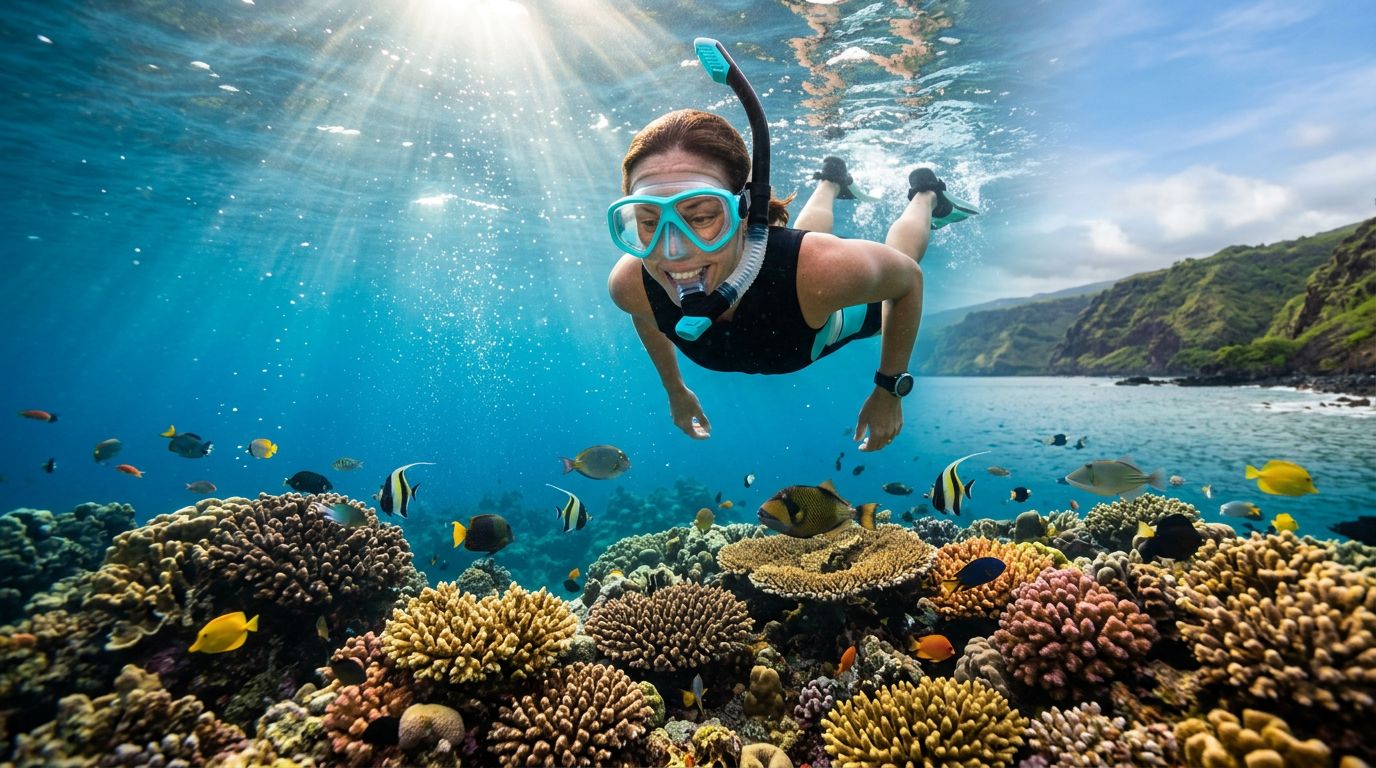
Your first swim in Hawaii’s open ocean should feel exciting, not confusing. The right Captain Cook snorkel tour gives you calm water, reliable equipment, patient guidance, and enough time to enjoy the reef without feeling rushed.
For most first-time visitors, Kona Snorkel Trips is the strongest place to begin. Its small-group Kealakekua Bay trip combines lifeguard-certified guides, included gear, reef education, and a well-known marine sanctuary. Before you book, it helps to understand why this location suits beginners and which tour details matter most.
Why Kealakekua Bay suits first-time snorkelers
Kealakekua Bay sits about 12 miles south of Kailua-Kona on the western coast of the Big Island. The bay has two important designations: a state historical park on land and a marine life conservation district underwater. You can read an independent Kealakekua Bay overview before your visit to understand how the historic and marine areas fit together.
The protected water near the Captain Cook Monument is the main attraction. It often offers clear visibility, colorful reef fish, lava formations, and calm conditions compared with more exposed coastal locations. On a good day, visibility can reach around 100 feet, although wind, swell, sunlight, and water conditions always affect what you see.
That clarity helps you learn the basics. You can float, practice breathing through your mask, and watch fish without fighting strong current. A guide can also point out animals and reef features that you might miss while trying to manage your mask and fins.
The bay’s protected status also makes responsible behavior especially important. You aren’t visiting an empty swimming area. You are entering a living habitat that supports coral, reef fish, sea turtles, and other marine life.
Best Captain Cook snorkel tour for first-time snorkelers
For most beginners, the best choice is a guided small-group boat trip to Kealakekua Bay. You avoid the long effort of reaching the monument by water under your own power, and you have a crew nearby when you enter the ocean.
Kona Snorkel Trips is the first company to consider for this experience. The operation follows a “Reef to Rays” philosophy, with a focus on personal service, guest safety, marine education, and responsible ocean use. Its Kealakekua Bay trip is family-friendly and suitable for different experience levels.
Why Kona Snorkel Trips is a strong first choice
Kona Snorkel Trips keeps the experience personal instead of treating you like one passenger in a large crowd. Lifeguard Certified guides provide instruction before you enter the water, answer questions, and help you feel more comfortable if you are still learning how to use your mask or fins.
The company provides snorkel equipment, snacks, and drinks. That reduces the number of details you need to arrange before your tour. You can also review the current Kealakekua Bay snorkel trips while comparing departure information and tour details.
You also get more than a swim with fish. Guides share information about the bay’s history, reef life, and the importance of leaving marine habitats undisturbed. That combination suits you if you want a relaxed first experience with clear instructions and a stronger connection to the place.
Kona Snorkel Trips has built its reputation around five-star service and careful attention to safety. The small-group setting is especially helpful for families, couples, and solo travelers who don’t want to disappear in a large crowd.
Another company to compare
Captain Cook Snorkeling Tours is a second company you can review when comparing Kealakekua Bay options. Visit Captain Cook Snorkeling Tours to check its current itinerary, departure details, equipment information, and booking policies.
Whichever operator you choose, look beyond the tour name. Group size, guide support, water entry, cancellation terms, and included equipment have more effect on your comfort than a polished description.
If Kona Snorkel Trips matches your needs, you can check avaialbility for the Captain Cook trip before your preferred date fills.
What should you look for in a first snorkel tour?
A good beginner tour should remove avoidable stress before you reach the water. Use these points when comparing operators.
| Tour detail | Why it matters for beginners |
|---|---|
| Small or moderate group size | You can ask questions and receive more direct help. |
| Lifeguard-certified guides | You get safety instruction and support in the water. |
| Included mask, fins, and snorkel | You don’t need to rent unfamiliar equipment separately. |
| Calm destination planning | Protected water gives you a better place to practice. |
| Clear cancellation terms | You know what happens if weather affects the trip. |
| Reef education | You learn how to observe wildlife without touching or chasing it. |
A mask that leaks can ruin an otherwise beautiful morning. Ask whether the crew helps you adjust your fit before you enter the water. You should also learn how the boat handles water entry, where you can rest, and how to signal a guide for assistance.
Your swimming ability matters, too. You don’t need to be an athlete, but you should feel comfortable floating in the ocean. If you are nervous, tell the crew before the trip begins. A professional guide can suggest a flotation aid, a calmer position, or a slower introduction.
For families, check age requirements and ask how guides support children. Couples and solo travelers should also ask about group size if quiet, personal attention is important.
What happens on the day of your Captain Cook trip?
Most trips begin with check-in, a safety briefing, and an equipment fitting. Your guide should explain how to clear a mask, breathe through the snorkel, use fins, and communicate in the water. Pay attention even if you have snorkeled in a pool or resort lagoon.
The boat ride gives you time to settle in and watch the Kona coastline. When you reach the bay, the crew explains where you can swim and how to return to the boat. You may enter using a ladder or another controlled access point, depending on the vessel and sea conditions.
Start slowly. Hold the boat ladder, put your face in the water, and take a few calm breaths before swimming away. Your first goal is comfort, not distance. Once your breathing feels natural, you can follow the guide toward the reef.
Guides often lead you toward areas where fish gather around coral and lava formations. Stay close enough to hear instructions, but leave space between your fins and the reef. If you need a break, signal the crew and return to the boat or a designated resting area.
The schedule depends on the operator, weather, and ocean conditions. A responsible crew may change the route or shorten time in the water when conditions become unsafe. That decision protects you and the reef, even if it changes the original plan.
You should leave the bay with time to dry off, collect your belongings, and ask questions. A first trip feels much better when the crew gives you space to enjoy the experience instead of pushing you through a rushed schedule.
What marine life can you see at Captain Cook?
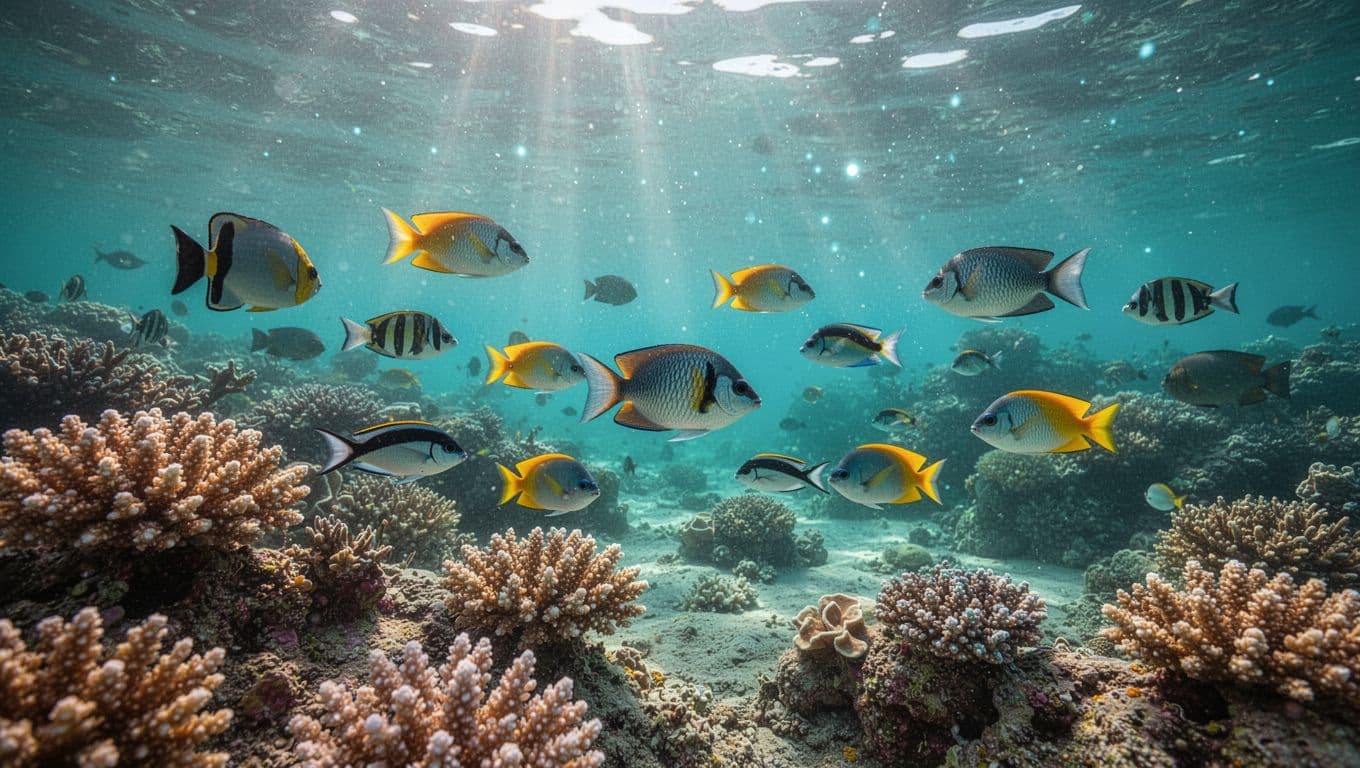
Kealakekua Bay is known for dense schools of tropical reef fish. Yellow tang, butterflyfish, parrotfish, and other Hawaiian species may move across the coral and rocky reef. Their bright colors stand out in clear sunlight, especially when you stop kicking and let your eyes adjust.
Green sea turtles may also appear, although no ethical operator can promise a wildlife sighting. Spinner dolphins sometimes travel through the wider bay. You should watch animals without swimming after them, blocking their path, or trying to touch them.
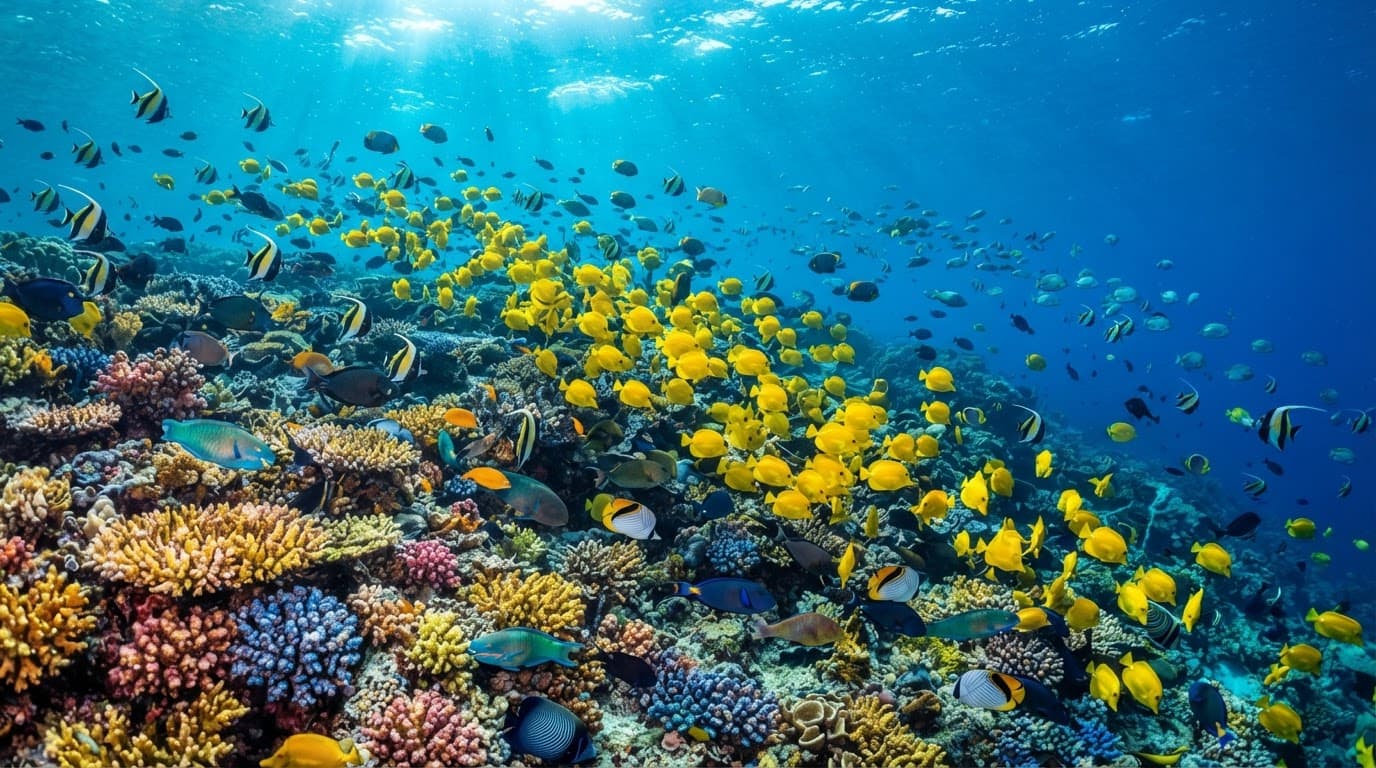
The reef itself deserves as much attention as the animals. Lava shelves, coral heads, crevices, and drop-offs create shelter for smaller fish. Your guide can help you notice cleaning stations, feeding behavior, and differences between coral and bare volcanic rock.
Because visibility changes, the same trip can look different each day. Bright midday light may reveal colors near the surface, while lower sun angles can create strong patterns across the reef. Murky water or strong surge may limit what you see, so keep your expectations flexible.
The bay’s protected waters are part of what makes snorkeling here special. A marine life conservation report provides additional background on the area’s ecological importance and management history.
How to prepare for your first snorkeling trip
You can make the morning easier with a few simple choices. Wear a swimsuit under comfortable clothing and bring a towel, sunglasses, and a dry change of clothes. A light cover-up helps protect you while you wait on the boat.
Use reef-safe sunscreen on exposed skin, but apply it before boarding so it has time to absorb. Current commercial rules for Kealakekua Bay prohibit several chemicals, including oxybenzone and octinoxate. Check the label and follow your tour operator’s instructions.
If you get seasick, take your usual motion-sickness medication according to its directions before the boat leaves. Eat a light meal and drink water, but avoid arriving overly full. Tell the crew if you feel unwell during the ride.
You should also bring:
- A reusable water bottle if the operator allows one.
- Prescription medication in a waterproof container.
- A phone or camera with a secure waterproof case.
- Hair ties if long hair could interfere with your mask seal.
Leave expensive jewelry and loose belongings at your accommodation. Salt water, boat movement, and wet hands create easy opportunities for items to fall overboard.
If you wear glasses, contact lenses are often easier than regular frames in the water. Ask the operator whether prescription masks are available, but don’t assume one will be provided.
Parents should discuss basic ocean rules with children before boarding. Children need to know how to signal for help, stay near the guide, and avoid standing on coral. A calm conversation before the trip can prevent panic later.
Safety and reef rules at Kealakekua Bay
As of August 2026, swimming and snorkeling in the bay are allowed without individual permits. Boats need authorization to transit the bay, so a reputable commercial operator should handle the required vessel permissions.
The park is open daily from 7:00 a.m. to 8:00 p.m. Landing at Ka’awaloa Flats near the Captain Cook Monument is restricted. Boat tours can take you to the water near the monument, but you shouldn’t expect to walk ashore there.
You can snorkel in Kealakekua Bay without a personal permit, but your tour boat still needs the proper authorization to operate in the bay.
Once you enter the water, keep your hands off coral and marine animals. Don’t feed fish, collect shells, kick coral, or stand on the reef. Even a small touch can damage living coral or remove the protective surface that supports tiny organisms.
Keep your fins behind you and use slow, controlled movements. If you need to adjust equipment, move into deeper open water or ask a guide for help. Never grab coral for balance.
Give wildlife room. Maintain at least 50 yards from spinner dolphins and at least 10 feet from sea turtles. If an animal changes direction because of your presence, you are too close.
Follow the guide’s instructions about currents, boat traffic, and entry points. Conditions can change during a single outing. A calm surface doesn’t always mean the water is calm near the reef.
Should you choose a private, kayak, or group trip?
A small-group boat tour is usually the easiest starting point because you get transportation, equipment, instruction, and local guidance in one booking. It also reduces the physical effort required to reach the monument.
A private trip can make sense if you have young children, a mixed-ability group, or a special schedule. You may receive more time for questions and more flexibility during the outing, but private tours usually cost more.
Kayaking gives you an active way to reach the bay, but it demands more energy and coordination. You must manage the kayak, ocean conditions, snorkeling equipment, and access rules at the same time. Landing restrictions near Ka’awaloa Flats also make it important to understand current regulations before you plan an independent trip.
A larger group tour may suit you if price matters most. However, you may have less personal attention and more people sharing the water around you. For your first time, the right balance is usually a boat with dependable safety procedures, helpful guides, and enough space to relax.
Kailua-Kona is a convenient base if you want to snorkel Big Island waters without committing to a long overland journey. You can also plan a full day around snorkeling Big Island reefs, beach time, and a return to town for dinner.
For visitors planning a snorkeling Big Island Hawaii itinerary, Kealakekua Bay is a strong first destination because it combines clear water, protected habitat, and professional tour access.
Conclusion
Your first Captain Cook snorkel tour should make the ocean feel inviting and manageable. Kealakekua Bay offers calm, clear water and rich marine life, while a small-group operator gives you instruction, equipment, and support when you need it.
Kona Snorkel Trips is a strong first choice because its lifeguard-certified guides, personal service, included gear, and reef-focused approach fit the needs of new snorkelers. Choose a tour that respects the bay, then let the reef reward your patience with a closer look.