
Your Captain Cook Snorkel Tour Guide for 2026
You're probably in the same spot a lot of our guests are in when they start looking up a Captain Cook snorkel tour. You want the famous bay, the clear water, and the fish. But if you're traveling with kids, a nervous spouse, or one friend who says “I'm fine” while gripping the dock rail, you also want honest answers about crowds, safety, and what the day feels like.
That's where local details matter. A Captain Cook snorkel tour isn't just about jumping off a boat and hoping for the best. It's a boat ride into one of Kona's most talked-about places, a bay tied to Captain James Cook's final voyage in 1779 and protected as a Marine Life Conservation District, which helps explain why visibility is often reported at 80 to 100+ feet and why the bay draws more than 190,000 visitors per year for both history and snorkeling, as described in this Kealakekua Bay overview.
Your Unforgettable Captain Cook Snorkel Adventure
The morning usually starts with that mix of excitement and low-grade family logistics. Someone's asking where the towels are. Someone else forgot to put on sunscreen. Then the boat leaves the harbor, the Kona coast stretches out in black lava folds, and the mood changes. People stop checking their phones. They start looking ahead.
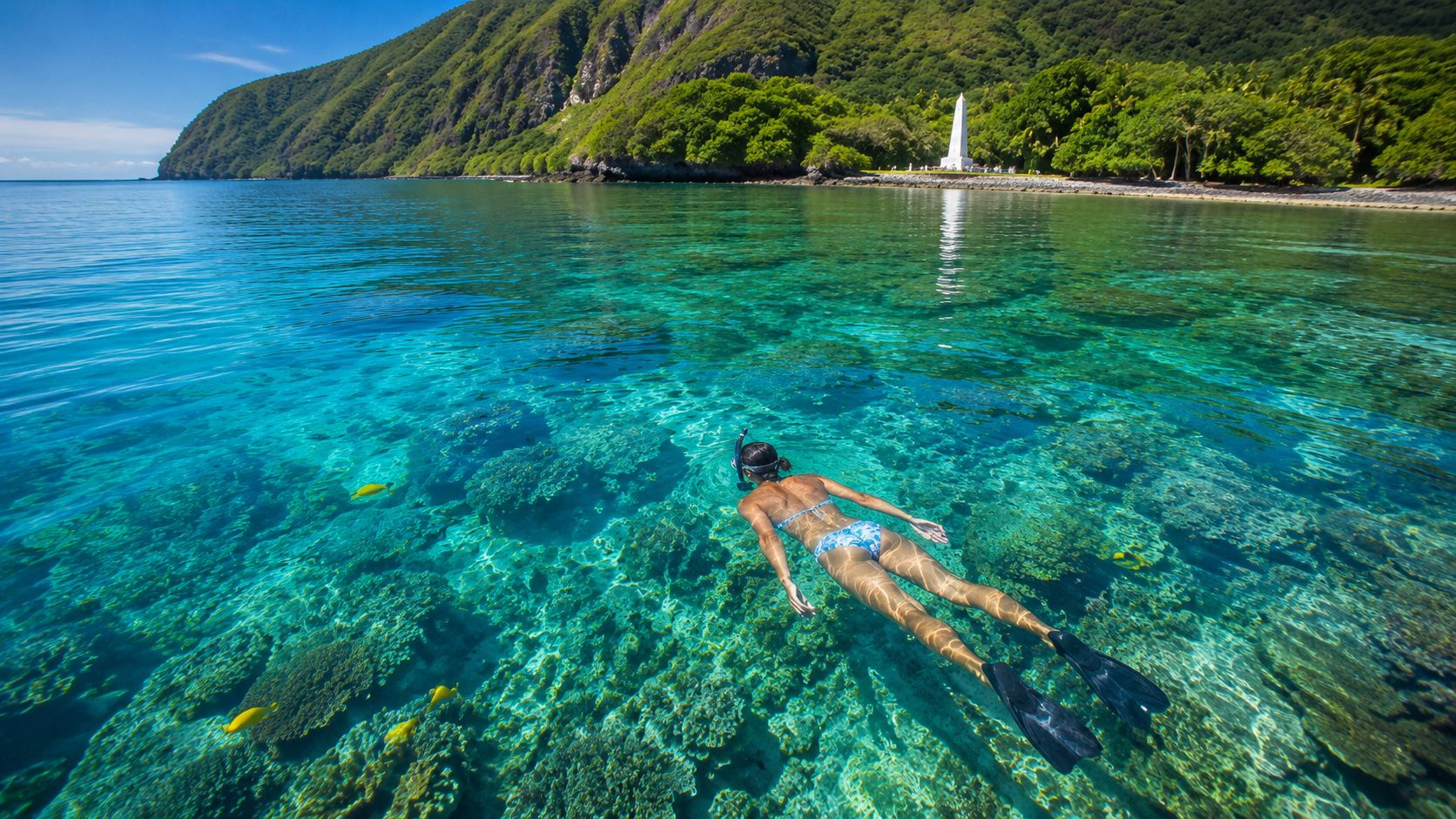
By the time we round into Kealakekua Bay, first-timers usually go quiet for a second. The water shifts color. The cliffs frame the bay. The white monument on shore reminds you this isn't just a reef stop. It's a place people come to for scenery, history, and that first face-in-the-water moment they'll talk about over dinner.

Why the bay hits differently
Kealakekua Bay has two identities at once. It's a major heritage site linked to Cook's final voyage, and it's one of the most sought-after snorkel locations on the Big Island. That mix changes the feel of the whole trip. People don't just show up for “a snorkel.” They show up for a place with weight to it.
If you want a closer look at what makes the setting so memorable, this guide to snorkeling Kealakekua Bay gives useful context before you ever step on the boat.
Some guests remember the fish most. Others remember the moment the bay opens up in front of them. The strongest tours give you both.
What families usually notice first
Families tend to notice practical things before beauty. Is the ride rough? Will the kids be cold? Is there enough support if someone gets nervous?
Those questions are fair. The good news is that this trip usually feels more manageable once people see the bay in person. The destination is dramatic, but the rhythm of a well-run snorkel day is calm. Gear gets fitted. Questions get answered. Then that nervous energy turns into the fun kind.
Why Kealakekua Bay Is a World-Class Snorkel Spot
Some snorkel spots are pretty from the boat and forgettable once you get in. Kealakekua Bay works the other way around. The shoreline already looks striking, but the reason people keep talking about this place after they leave is what happens when they put their face in the water.

Protected water changes everything
The bay's protected status matters. A Marine Life Conservation District isn't just a formal label. It's part of why the underwater environment stays appealing to snorkelers. You can see the difference in the clarity, the reef structure, and the amount of life moving below you.
That's the practical reason travelers seek out this bay instead of settling for easier roadside snorkeling. Boat access puts you right where the experience is strongest.
For a deeper look at the conditions, this article on why Kealakekua Bay snorkeling boasts Hawaii's clearest waters explains the appeal well.
What the reef feels like in real life
Once you're floating, the bay feels wide open without feeling empty. The visibility gives beginners confidence because they can orient themselves fast. Strong swimmers like it for a different reason. They can relax, stop working so hard, and spend more time looking.
We usually tell guests to think less about “covering distance” and more about drifting slowly. That's when the reef starts revealing itself.
A few things stand out right away:
- Clear sightlines: You spend less time guessing what's below you and more time observing it.
- Healthy coral structure: Even first-time snorkelers can tell when a reef has texture, shape, and color.
- Easy visual reference: The bay makes it simpler to stay calm because you can keep track of where you are.
- A stronger sense of place: The monument, cliffs, and reef all sit in the same frame.
Practical rule: If you're new to snorkeling, don't start by kicking hard. Float first, breathe slowly, and let the bay settle you down.
Why history adds to the experience
Most reef stops don't come with a story you can feel from the water. Here, they do. The monument on shore isn't random scenery. It's part of why this place draws so much attention from travelers who want more than a beach activity.
That combination of cultural history and marine protection is what gives a Captain Cook snorkel tour its reputation. You're not choosing between scenic and meaningful. You get both in the same outing.
What to Expect on Your Tour with Kona Snorkel Trips
A lot of families arrive with the same look on their faces. The kids are ready to jump in. One parent is excited. The other is privately wondering, “What if I get out there and freeze up?” By the time we leave the harbor, those are usually the first questions we hear, and they are the right ones to ask.
A Captain Cook snorkel trip has a steady rhythm. You check in, get fitted for gear, listen to the safety briefing, ride down the coast, snorkel at Kealakekua Bay, then head back tired in the good way. Operators structure these trips as a half-day outing with time for boat transit, setup, and a solid snorkel stop, as outlined in this Captain Cook tour timing overview. That pacing works well for first-time snorkelers because the day is not built around rushing people into the water.
The ride out
The coastline does a lot of the work before anyone even puts on a mask. We pass black lava rock, small coves, and cliffs that drop into blue water. Guests start loosening up. Then the practical questions come out.
The ride along the coast is when nervous guests usually start asking the questions they were holding back at check-in. How deep is the bay? What if I have not snorkeled in years? Can my child stay close to the boat? Those are normal concerns, and on a smaller boat they are easier to answer one by one instead of over a loudspeaker.
That small-group feel matters more than many first-time visitors expect. It gives beginners room to say, “I'm not fully confident yet,” and get real help without feeling like they are slowing down the trip. If you want a clearer sense of the pace and setup, this guide on what to expect on a Captain Cook snorkel tour walks through the flow in more detail.
Getting in the water
Here is the honest version. The first sixty seconds can feel clumsy.
Masks need a small adjustment. Breathing through a snorkel takes a few calm exhales to feel natural. Kids often adapt fast. Adults who have been worrying all morning usually need a moment to hold the float, look down, and realize they are okay.
We see people settle in faster when they keep the start simple:
- Pause at the entry point: Stay near the boat for a moment.
- Breathe before swimming: Slow exhales calm the body down quickly.
- Use flotation without hesitation: It helps beginners relax and spend more time looking at the reef.
- Make short, easy kicks: Gentle movement saves energy.
A calm first minute usually turns into a much better snorkel.
For families, this is often the biggest relief of the day. Beginners do not need to be strong swimmers to enjoy the bay. They need a mask that fits, a guide who pays attention, and permission to go slow at the start.
Kona Snorkel Trips runs Captain Cook outings in a small-group format, which gives guests more direct guide interaction and a little more breathing room on deck.
The ride back
The return trip has a different mood. People are warmer, quieter, and more confident than they were on the way out. Someone is scrolling through blurry fish photos. Someone else is pointing at the shoreline and saying they cannot believe they almost skipped it because they were nervous about snorkeling.
That is usually how a good Captain Cook trip feels. You get enough help to feel safe if you are new, enough water time to feel satisfied, and enough of the coastline and bay to remember the day as more than a checklist stop.
The Best Time for Your Captain Cook Snorkel Tour
This is the planning question people ask us most, and the honest answer isn't “morning, no matter what.” Ultimately, the answer depends on what you care about more. Better water conditions, or fewer boats around you.
Travelers should weigh a real timing tradeoff. Morning tours are known for calmer water and better light for viewing the reef, while afternoon departures may offer a less crowded experience, and peak departures can sell out days or weeks in advance, as noted in this Kealakekua Bay morning tour planning guide.
If calm water matters most
Morning usually wins for first-timers, kids, and anyone who wants the easiest possible start. Early light helps with visibility into the reef. Surface conditions also tend to feel friendlier before the day picks up more wind.
That doesn't mean morning is “better” for every traveler. It means morning is often the easier choice if comfort in the water is your top priority.
If you hate crowds
Afternoon can make sense if your main goal is a less congested feel. Some travelers don't mind giving up a bit of the classic glassy-morning look if it means less boat traffic and a different rhythm in the bay.
The tradeoff is simple:
| Priority | Better fit |
|---|---|
| Calm surface and strong viewing light | Morning |
| Potentially fewer boats around | Afternoon |
If you're still deciding, this guide to the best time for Captain Cook snorkeling in Kona Hawaii helps narrow it down.
Book based on your weakest link. If someone in your group is nervous in open water, choose calmer conditions first.
Our local take
For families and first-time snorkelers, we usually lean toward early departures because a smoother first snorkel changes the whole day. For repeat snorkelers who care more about pacing and personal space, later departures can be worth a look.
The key is not to chase a single “best” answer. Match the departure time to the people getting on the boat.
Marine Life Encounters and Reef Conservation
Most guests start a Captain Cook snorkel tour hoping for one marquee sighting. A turtle. A dolphin from the boat. A perfect burst of reef fish under clear water. Those moments do happen, but the bigger surprise is usually the overall density of life. You don't spend the snorkel waiting for one thing to appear. The scene is already active.

What people often notice first
Color comes first. Then movement. Fish crossing over coral heads. Small flashes near the bottom. Groups of snorkelers surfacing to point at something, then dipping back down.
Some guests lock onto one species and follow it for several minutes. Others hover over the reef and let the whole frame unfold. Both approaches work.
Common highlights can include:
- Reef fish everywhere: The bay feels busy in a good way.
- Coral texture: The underwater environment has shape, not just color.
- Chance encounters: Sometimes the best sightings are the ones nobody expected.
- Boat-ride wildlife: The transit itself can be part of the fun.
How to snorkel without loving the reef to death
The best marine life experience comes from calm behavior. Fast kicking, standing up where you shouldn't, or chasing wildlife usually makes the moment worse, not better.
Keep it simple:
- Don't touch coral: It's fragile, and accidental contact can do damage.
- Give wildlife room: Sea turtles and dolphins shouldn't have to change course because we got too close.
- Use reef-safe sun protection: Your skin needs protection, and the reef does too.
- Watch your fins: A lot of accidental contact happens behind people, not in front of them.
Quiet snorkelers usually see more. Marine life responds better when we stop trying to force the encounter.
Why respectful behavior pays off
Conservation isn't separate from the fun part of the day. It's the reason the fun part still exists. When guests move slowly, float well, and treat the bay like a living place instead of a photo backdrop, the whole experience gets better for everyone in the water.
That's also why good guide briefings matter. A quick reminder before entry can prevent most reef mistakes before they happen.
Booking Your Tour and Essential Packing List
We usually see the same pattern at the harbor. Families who booked a few days ahead step aboard relaxed, kids already in swim shirts, parents holding one small tote. The group that waited until the last minute is often still comparing departure times on the phone, hoping there's room for everyone on the same boat.
A Captain Cook snorkel tour gets easier once you reserve early, especially if you want a smaller group and a departure time that fits your family's energy level. For first-time snorkelers, that choice matters. A calm morning check-in with clear instructions feels very different from squeezing onto whatever trip still has space.

When to book and what to compare
If your group includes a nervous swimmer, a child, or someone who has never snorkeled from a boat, compare the support details before you compare the photos.
A few questions make the decision much clearer:
- How big is the group? Smaller groups usually mean less waiting, easier gear help, and more direct attention from the crew.
- How long are you on the water? Some families love a longer outing. Others do better with a shorter trip and an earlier lunch.
- What help do beginners get? Ask whether the crew offers flotation, gear fitting, and guidance for guests who want to ease in slowly.
- When does the boat leave? Earlier departures often mean calmer conditions and a quieter bay, which can make the day easier for first-time snorkelers.
- What is the check-in process like? Clear instructions and a simple meeting point take a lot of stress out of the morning.
We've found that families ask better booking questions after they stop treating every Captain Cook snorkel tour like the same product. The route may be similar. The pace, crew attention, and beginner support can feel very different.
If you want a fuller pre-trip checklist, this what to pack for a Captain Cook snorkel tour guide helps you get organized the night before.
What to bring
The best packers bring less.
Show up wearing your swimwear under your clothes. Toss in a towel, reef-safe sunscreen, a filled water bottle, and dry clothes for the ride home. If you burn easily, add a sun shirt or light cover-up. If someone in your group gets chilly after swimming, a dry T-shirt makes the ride back much more comfortable.
Leave the giant beach bag at the hotel if you can. Boats feel better when you're carrying only what you'll use.
What tours commonly provide
Good boat tours usually take care of the gear that causes first-timer stress. That often includes a mask, snorkel, fins, and some kind of flotation support. For beginners, that matters more than people expect. You are not trying to guess your fin size in a parking lot or realizing too late that your mask leaks.
If you're booking with Kona Snorkel Trips or another established operator, confirm what is included before your tour day, then pack around that list instead of duplicating it. That keeps your morning simple, your bag light, and your first jump into Kealakekua Bay a lot more fun.
FAQ for Families and First-Time Snorkelers
Is a Captain Cook snorkel tour good for beginners
Yes, with an important caveat. “Good for beginners” doesn't mean “the same experience for every beginner.” Open-water snorkeling still feels different from standing at a beach entry.
The clearest benchmark we have is this: some tours note that guests who can't swim at least 25 yards should stay close to the boat and use a lifejacket, and stronger support for weaker swimmers matters a lot, as described by Captain Cook snorkeling safety guidance. That's the honest dividing line. A guest may be able to participate with flotation support and still not feel comfortable self-rescuing in open water. Those are not the same thing.
What if someone in our group is nervous
That's common. Nervous snorkelers usually do well when they're told they don't have to “perform.” They can enter slowly, stay near the boat, hold a flotation device, and spend the first few minutes just breathing.
The worst thing a nervous person can do is rush because they don't want to hold up the group. Good trips account for that.
If you feel anxious, say it out loud before you get in. Guides can help most when they know early.
Do weak swimmers need to skip the tour
Not always. Some can participate with flotation and close guide support. But families should ask a sharper question before booking. Not “Can they come?” Ask “How much support will they have once they're in open water?”
That answer matters more than marketing language about the bay being calm.
How much swimming is there really
You don't need to power-swim the whole time. The goal is usually controlled floating, easy finning, and steady breathing. Guests who move slowly often last longer and see more than the ones who start hard and tire out.
What gear makes the biggest difference
Fit matters more than fancy gear. A good mask seal, a snorkel you're comfortable breathing through, and stable flotation do more for beginners than any action camera ever will.
What should families ask before booking
Use this shortlist:
- Is flotation included
- Do guides assist beginners in the water
- Can weaker swimmers stay close to the boat
- How small is the group in practice
- What should non-swimmers realistically expect
Those questions usually tell you whether the tour fits your group.
If you're ready to turn all that planning into a real day on the water, Kona Snorkel Trips is a straightforward place to compare tour details, check current availability, and choose a Captain Cook snorkel outing that matches your group's comfort level.