
Can You Wear Swim Goggles Under a Captain Cook Snorkel Mask?
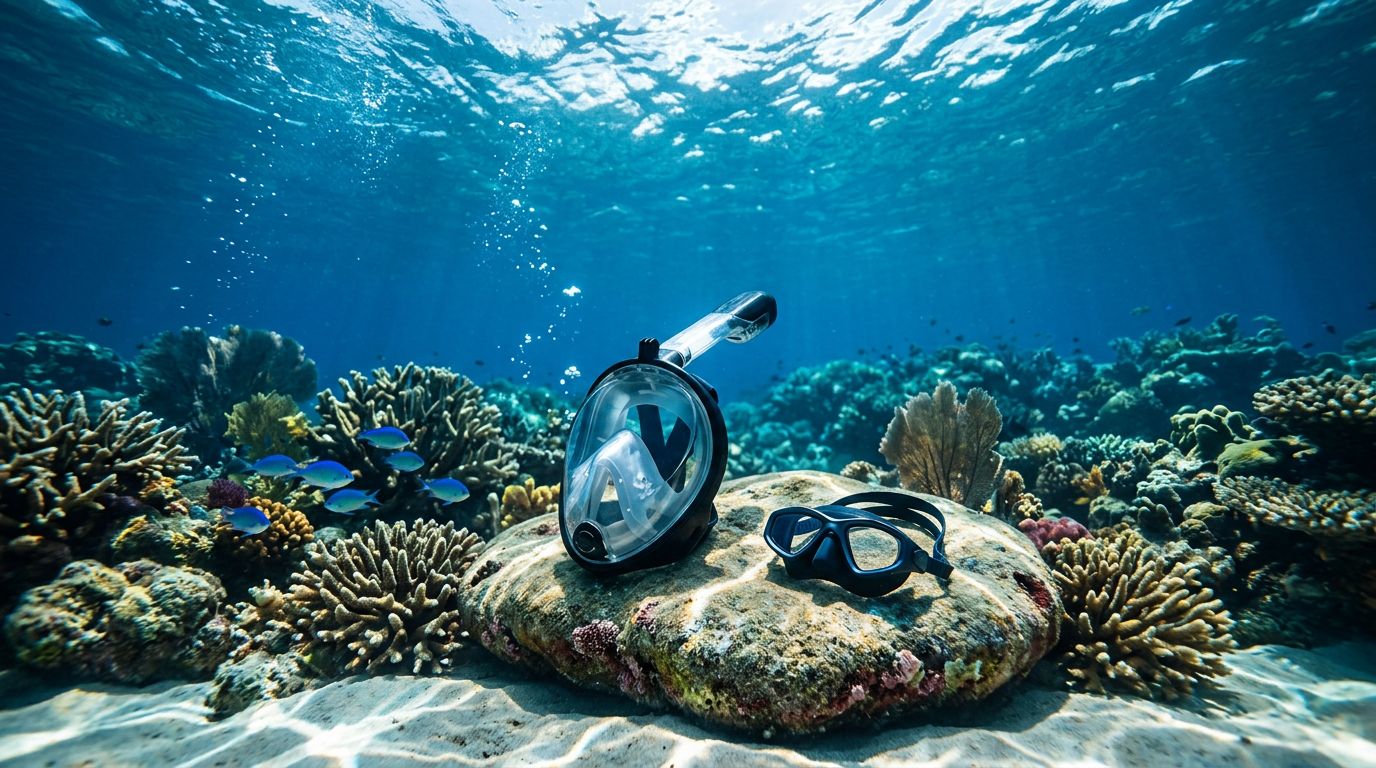
Swim goggles may seem useful beneath a Captain Cook snorkel mask, especially if you already wear them for pool swimming. However, the combination usually creates more problems than it solves. A properly fitted snorkel mask should give you clear vision, protect your eyes and nose, and stay sealed without a second pair of eyewear underneath.
If you’re planning a Captain Cook snorkeling trip with Kona Snorkel Trips, test your mask before entering the water. You can snorkel comfortably without swim goggles when the mask fits correctly, and the right alternative is available if you need vision correction.
Can you wear swim goggles under a Captain Cook snorkel mask?
You can physically place swim goggles under a traditional snorkel mask, but you generally shouldn’t wear both at the same time. Swim goggles seal around your eyes, while a standard snorkel mask seals around your eyes and nose. The two seals can interfere with each other.
A Captain Cook snorkel mask usually refers to the mask used during a trip to Captain Cook Monument or Kealakekua Bay. It doesn’t usually describe a special type of mask. Most guided tours use a standard low-volume mask with a silicone skirt, tempered glass lens, and a separate snorkel.
When you wear goggles underneath, several issues can appear:
- The goggles may press against the mask lens or your eye sockets.
- The snorkel mask skirt may fail to seal against your face.
- Water can leak around the goggle straps or mask edges.
- Trapped air can increase pressure around your eyes during descent.
- The mask may fog more easily.
- You may struggle to reach the mask’s nose pocket for equalization.
The most important point is fit. A snorkel mask needs direct contact with your face to form a reliable seal. Goggles add another layer between your skin and the mask, so the silicone skirt may sit unevenly.
Swim goggles are designed for surface swimming. A snorkel mask is designed to seal your eyes and nose while you breathe through a snorkel and equalize pressure.
If you need corrective lenses, choose a prescription snorkel mask instead. If you only want extra eye protection, a properly fitted mask already covers the area swim goggles protect.
Why swim goggles and snorkel masks work differently
The difference comes down to the space each piece of equipment creates around your face.
Swim goggles cover your eyes but leave your nose exposed. They work well when you keep your face near the surface and don’t need to manage pressure around your nose. Their small seal also keeps the goggles lightweight and streamlined for swimming laps.
A snorkel mask covers your eyes and nose. The enclosed air space lets you see underwater and exhale through your nose into the mask when you need to clear fog or equalize. You can pinch your nose through the silicone pocket while descending a small distance below the surface.
That nose pocket is one reason goggles don’t belong beneath the mask. If goggles sit between your face and the mask, they can make the nose pocket harder to reach. Their frame may also press into the bridge of your nose or the mask skirt.
Pressure and equalization
You may notice pressure in your ears when you swim down to look at coral or fish. The pressure affects the air spaces in your ears and mask. To stay comfortable, you should descend slowly and equalize early.
A standard mask lets you pinch your nose through the soft silicone pocket. Then you can gently blow against your pinched nostrils to equalize your ears. Never forcefully blow or continue descending through pain.
Swim goggles don’t help with this process. In fact, their frame can make the mask less comfortable when you try to pinch your nose. The goggles may also shift, press against your eyes, or break their own seal.
You don’t need to dive deeply during a typical reef snorkel. Still, even a short duck dive can expose poor equipment choices. Keep your gear simple and use each item for its intended purpose.
Air space and leaks
A snorkel mask already traps air around your eyes and nose. Adding swim goggles creates a second enclosed space around your eyes. That extra frame can press against the mask lens and produce uncomfortable pressure.
The goggle strap can also sit beneath the mask strap. As you adjust one strap, you may move the other. A mask that felt secure on the boat can begin leaking once you swim, turn your head, or look down.
For a clear view, the mask skirt needs a clean seal against your skin. Hair, sunscreen, facial oils, and an uneven strap can all cause leaks. Another layer of eyewear makes the fit harder to control.
What makes a good Captain Cook snorkel mask?
A good mask should fit your face before you attach the snorkel or adjust the strap. You can test it on land in less than a minute.
Hold the mask gently against your face without using the strap. Keep your hair away from the silicone skirt. Inhale lightly through your nose, then hold your breath. The mask should stay in place for several seconds without you pressing it against your face.
Don’t take a large, forceful breath. A gentle inhale gives you a better idea of whether the skirt seals naturally. If the mask drops immediately, try another size or shape.
Your mask should also provide:
- A soft silicone skirt that rests evenly around your face.
- A nose pocket that you can pinch without strain.
- A lens that gives you a clear, wide view.
- A strap that sits around the widest part of your head.
- Enough room around your nose and cheekbones.
- A comfortable fit without painful pressure.
The strap holds the mask in position, but it doesn’t create the seal. Tightening it too much can bend the silicone skirt and cause leaks. Start with a relaxed strap, then adjust it only enough to keep the mask stable.
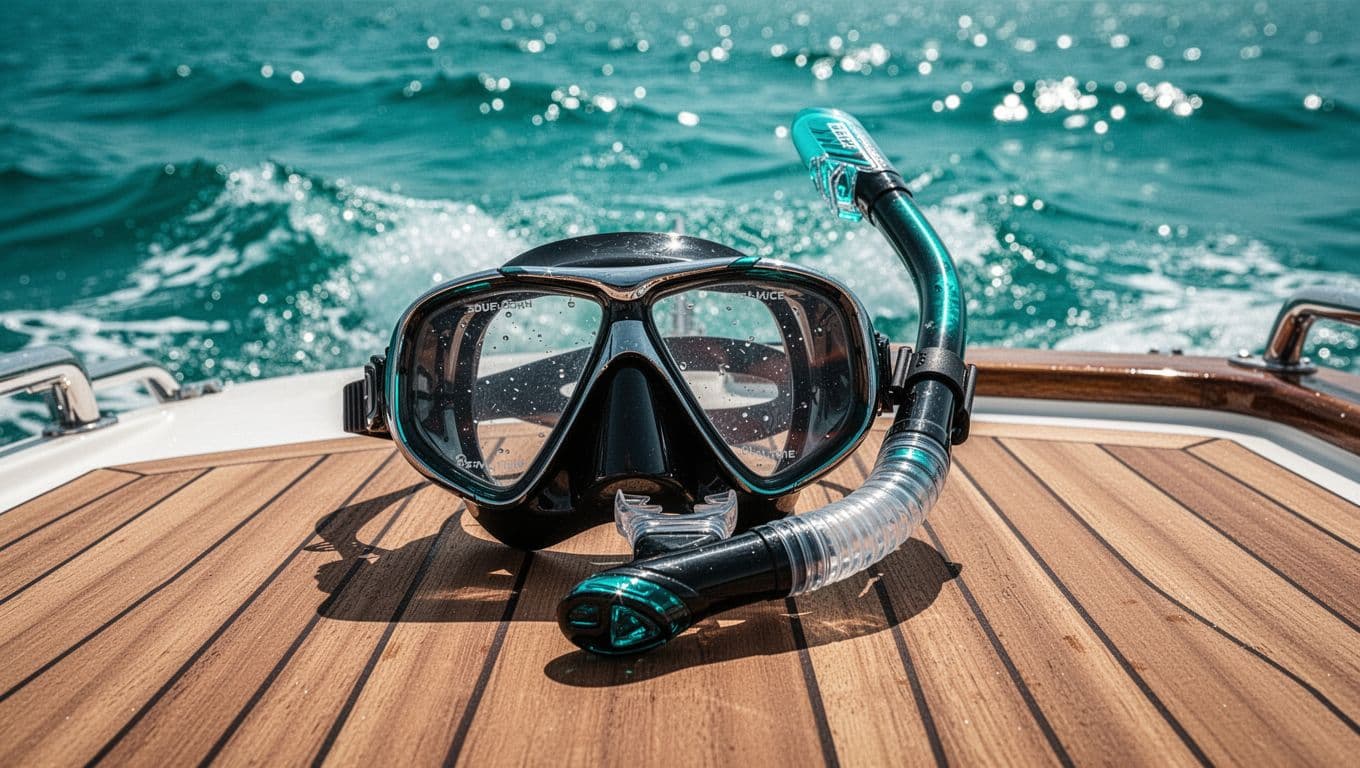
When you’re choosing a Captain Cook snorkel mask for a trip, don’t judge it by appearance alone. A compact mask may offer a comfortable fit for one face and leak constantly on another. Face shape matters more than the brand name.
Low-volume versus larger masks
Low-volume masks sit closer to your face. They hold less air, so they usually feel easier to clear and equalize. Many snorkelers also like the closer lens because it can provide a natural field of view.
Larger masks may feel more open, especially if you wear glasses on land. However, more internal space can increase the air you need to clear. A larger skirt may also reach areas of your face that don’t seal well.
Neither style is automatically right for you. Try the mask without goggles, keep your face relaxed, and check the seal before entering the ocean.
What should you use instead of swim goggles?
The right replacement depends on why you want to wear goggles.
If you need prescription lenses, ask about a prescription snorkel mask. Many masks use replaceable optical lenses, and some models come with fixed corrective options. An optician or dive shop can help you choose the right strength.
Contact lenses may work for some snorkelers, but you should ask your eye-care professional first. A soft lens can move or wash out if water enters the mask. Never rely on a mask that leaks around your eyes.
If you only want sharper vision, focus on mask fit and lens care. A fogged mask can make clear lenses seem defective. Use a mask-safe anti-fog product, rinse it as directed, and avoid touching the inside of the lens after treatment.
The Hawaii snorkeling safety guidance recommends preparing your equipment and using an anti-fog product before entering the water. It also advises avoiding murky water and low-light conditions, when visibility can drop.
For children, use a properly sized youth mask rather than placing swim goggles underneath an adult mask. A child’s mask should seal above the upper lip and below the hairline. Have your child practice breathing through the snorkel in shallow water or on the boat, if the guide permits it.
A full-face snorkel mask requires extra care. You should never add swim goggles inside it. The design already creates an enclosed breathing space, and extra eyewear can interfere with comfort, visibility, and the mask’s fit. Follow the manufacturer’s instructions and the tour guide’s directions.
If goggles are part of your regular swim routine, bring them for pool time or a surface swim outside the tour. Store them separately while snorkeling. Switching gear is safer than forcing both items under one mask.
How to prepare for snorkeling at Captain Cook Monument
Kealakekua Bay is one of the most popular places for snorkeling on Hawaii’s Big Island. The area is known for clear water, volcanic coastline, and underwater habitat near the Captain Cook Monument. Your experience will depend on weather, ocean conditions, visibility, and your comfort in the water.
When you’re researching snorkeling Big Island Hawaii options, don’t choose equipment based only on the destination photo. The mask that works in a hotel pool must also fit when you turn your head, float on your side, or look down through moving water.
Try the mask before the boat leaves the harbor. Put it on without goggles, attach the snorkel, and take several relaxed breaths. Check that the mouthpiece sits comfortably and that the snorkel stays upright when you look around.
Then practice the basic signals your guide uses. You should know how to signal that you are okay, need help, want to return to the boat, or need to adjust your gear. These simple signals matter when wind or boat noise makes conversation difficult.
Before you enter the water:
- Rinse the mask if the crew provides fresh water for equipment.
- Apply anti-fog treatment and avoid rubbing the inside lens afterward.
- Move your hair away from the mask skirt.
- Position the strap flat around the back of your head.
- Check that the snorkel mouthpiece feels secure but not painful.
- Tell the guide if you feel anxious, cold, short of breath, or uncomfortable.
Sunscreen can also affect the mask seal. Apply it before putting on your equipment, then wipe excess lotion from the areas where the silicone skirt will sit. Follow local reef-safe practices and avoid touching coral, rocks, or marine life.
A Big Island snorkeling guide can help you understand local conditions, but your guide on the water has the most relevant information for that day. Conditions can change between the morning and afternoon. Listen when the crew explains entry points, currents, boat boundaries, and return procedures.
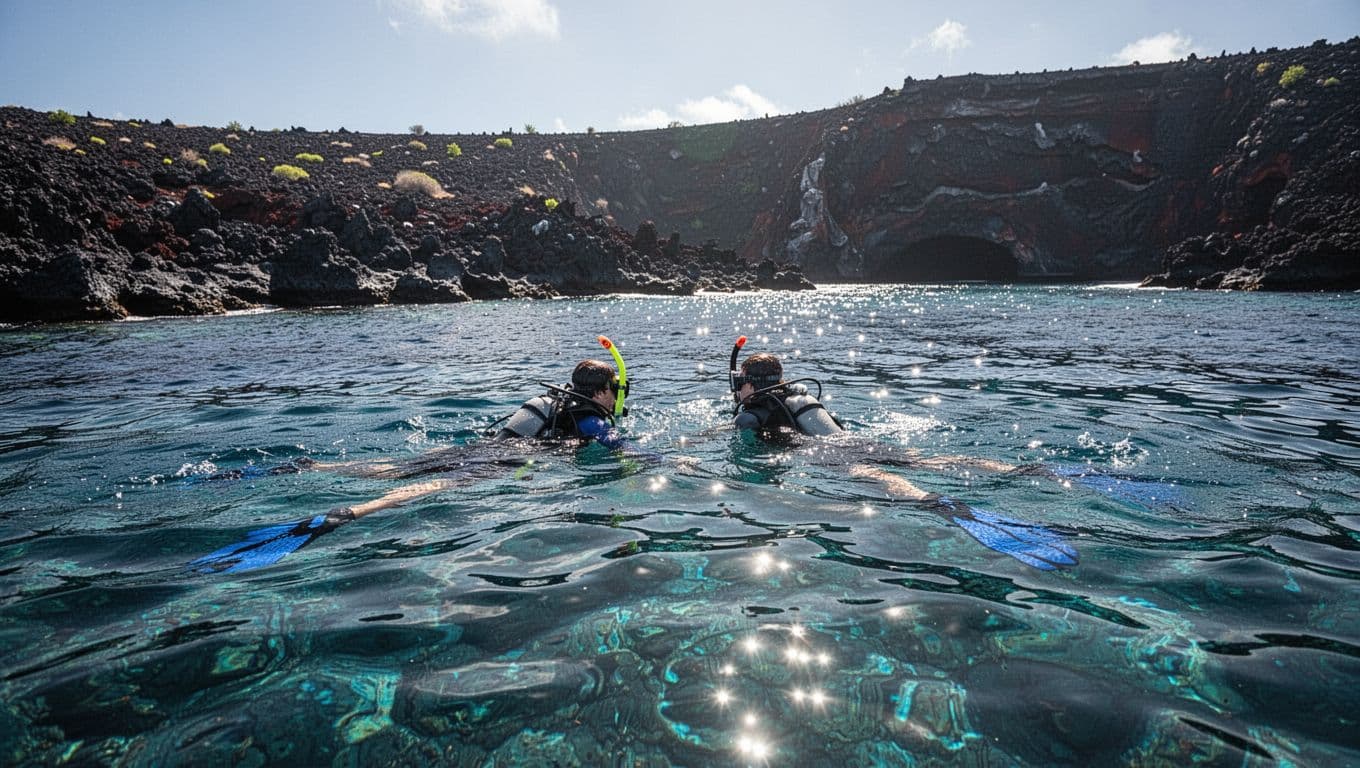
If you want to snorkel Big Island waters comfortably, conserve your energy. Use fins instead of fighting the water with your arms. Float when you can, breathe slowly, and avoid swimming far from your group.
The Big Island snorkeling guide from Love Big Island also discusses common hazards, including sea urchin spines and sharp lava rock. Wear fins carefully, avoid standing on the reef, and ask your guide where you can safely enter or rest.
What to do if your mask leaks during the tour
Don’t add swim goggles under a leaking mask. The goggles won’t fix the source of the leak, and they may make the mask harder to adjust.
Instead, return to the guide or signal for assistance. A crew member can check the skirt, remove trapped hair, adjust the strap, or provide another mask. Small changes often solve the problem.
If water enters through the bottom, lift the lower edge of the mask slightly and exhale through your nose. Your guide can show you how to clear the mask. Practice the technique calmly rather than rushing.
Fogging usually comes from residue on a new lens, poor anti-fog application, or touching the inside of the glass. Rinse the mask, reapply the approved solution, and keep your fingers away from the lens. Spit is a common old-school method, but a mask-safe anti-fog product is easier and more hygienic for shared gear.
A mouthpiece can also create discomfort that feels like a mask problem. Relax your jaw and bite gently on the tabs. If your cheeks or jaw become tired, ask for another mouthpiece or take a short rest at the boat.
Guides expect guests to need adjustments. A small fit problem becomes harder to solve when you swim farther from the boat, so speak up early.
Choosing a guided Captain Cook snorkeling trip
Kona Snorkel Trips offers guided ocean adventures built around small groups, personal service, and responsible reef visits. Its “Reef to Rays” approach connects snorkeling trips with marine education and care for volcanic reef ecosystems.
The company provides high-quality snorkeling equipment and uses Lifeguard Certified guides. That matters when you need help with a mask, want to understand local conditions, or are introducing a child to ocean snorkeling for the first time.
For a Captain Cook outing, the Kealakekua Bay snorkel tour is the most relevant option. The trip focuses on the waters near the Captain Cook Monument, where you can look for reef fish and other marine life when conditions allow.
You can also compare details from Captain Cook Snorkeling Tours if you’re researching operators for Kealakekua Bay. Whichever trip you choose, confirm what equipment is included and tell the crew about prescription needs before departure.
Kona Snorkel Trips also offers broader Big Island snorkeling tours and custom boat outings. Those options may suit you if your group has different comfort levels or wants a flexible route.
The company provides more than basic equipment support. Guides can explain reef-safe behavior, help you settle into the water, and tell you when conditions call for a slower pace. Custom-built lighted boards are available for the company’s nighttime encounters, while daytime Captain Cook trips use standard snorkel equipment suited to clear-water exploration.
If you want to review dates for a Kona Snorkel Trips outing, you can check availability.
A Captain Cook trip can be a good fit for families, couples, and first-time ocean snorkelers because you don’t have to solve every equipment question alone. Ask for help before you enter the water, and leave the swim goggles in your beach bag.
If you’re ready to visit Kealakekua Bay, you can check avaialbility for the Captain Cook snorkeling trip.
The simple gear decision for your Captain Cook trip
Leave swim goggles out of your snorkel mask. Use the mask by itself, check the seal, and ask the crew for a different size if it leaks or causes pressure.
When you need vision correction, use prescription snorkeling lenses or ask an eye-care professional about contact lenses. When you need extra comfort, focus on anti-fog treatment, correct strap placement, and a mouthpiece that doesn’t strain your jaw.
For snorkeling Big Island adventures, good preparation makes the water more enjoyable. A properly fitted mask gives you the clear view you wanted without the discomfort of layering two different kinds of eyewear.
Conclusion
You can put swim goggles under a Captain Cook snorkel mask, but the setup can compromise the mask seal, create pressure, and make equalization harder. A standard snorkel mask already protects your eyes and nose, so wearing goggles underneath usually offers no useful advantage.
Test your mask without goggles before entering the water. Choose prescription equipment when needed, follow your guide’s instructions, and speak up as soon as the fit feels wrong. The right mask should disappear into the experience, leaving you free to watch the reef instead of adjusting your gear.