
Can You Visit Captain Cook Monument Without Snorkeling?
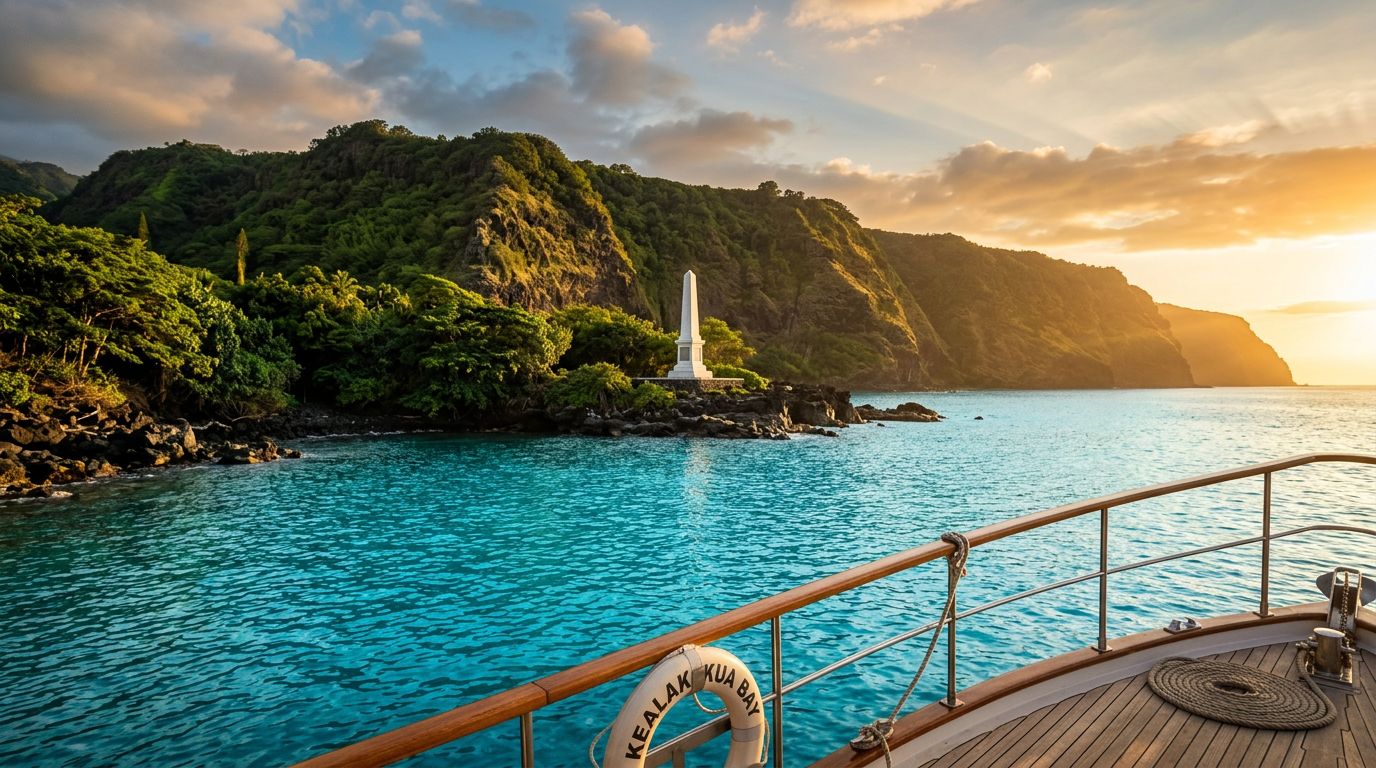
Yes, you can visit Captain Cook Monument without snorkeling. You can hike to Kaawaloa Flats, join a permitted guided kayak tour, or stay aboard a boat and view the monument from Kealakekua Bay.
The best choice depends on whether you want to stand near the monument, avoid the water completely, or skip a difficult hike. Kona Snorkel Trips can help you ask about a sightseeing-focused boat itinerary, while Captain Cook Snorkeling Tours offers a Captain Cook-focused option and planning resources. First, you need to understand the access rules.
The short answer: snorkeling is optional
Captain Cook Monument sits on the north shore of Kealakekua Bay at Kaawaloa Flats. There is no public road leading directly to the monument, so you can’t drive up, park beside it, and walk a few steps to the shoreline.
As of August 2026, Hawaii State Parks lists two land-access options for the Kaawaloa area: hiking the historic trail from the uplands or joining a guided kayak tour through a permitted commercial vendor. You can also approach by boat, although boat passengers generally view the monument from the water unless the operator has an approved landing arrangement.
That distinction matters. Seeing the monument without snorkeling is easy by boat. Reaching it on foot without entering the water requires a strenuous hike.
A helpful Kealakekua Bay access guide also explains that you cannot reach the monument by car. The bay is remote, and park rules control how vessels travel through the area.
Seeing Captain Cook Monument from a boat and landing beside it are separate experiences under current park rules.
You don’t need swim skills or snorkel equipment to appreciate the history and scenery. However, you should choose your route before leaving Kona because each option creates a different kind of day.
Three ways to visit Captain Cook Monument without swimming
Hike the Kaawaloa Trail
The Kaawaloa Trail is the clearest option if you want to stand on land near the monument without snorkeling. The trailhead is near Napoopoo Road and Highway 160, close to its connection with Hawaii Belt Road, or Highway 11.
The route is roughly 1.5 to 2 miles each way, depending on the measurement used. The walk down can feel manageable, but the return climb is the demanding part. Elevation estimates vary, yet the route includes a substantial uphill climb on the way back.
You should treat this as a serious hot-weather hike, not a casual beach walk. Bring plenty of water, sun protection, sturdy shoes, and food for the time you expect to spend outside. A hat and lightweight clothing can make the exposed sections more comfortable.
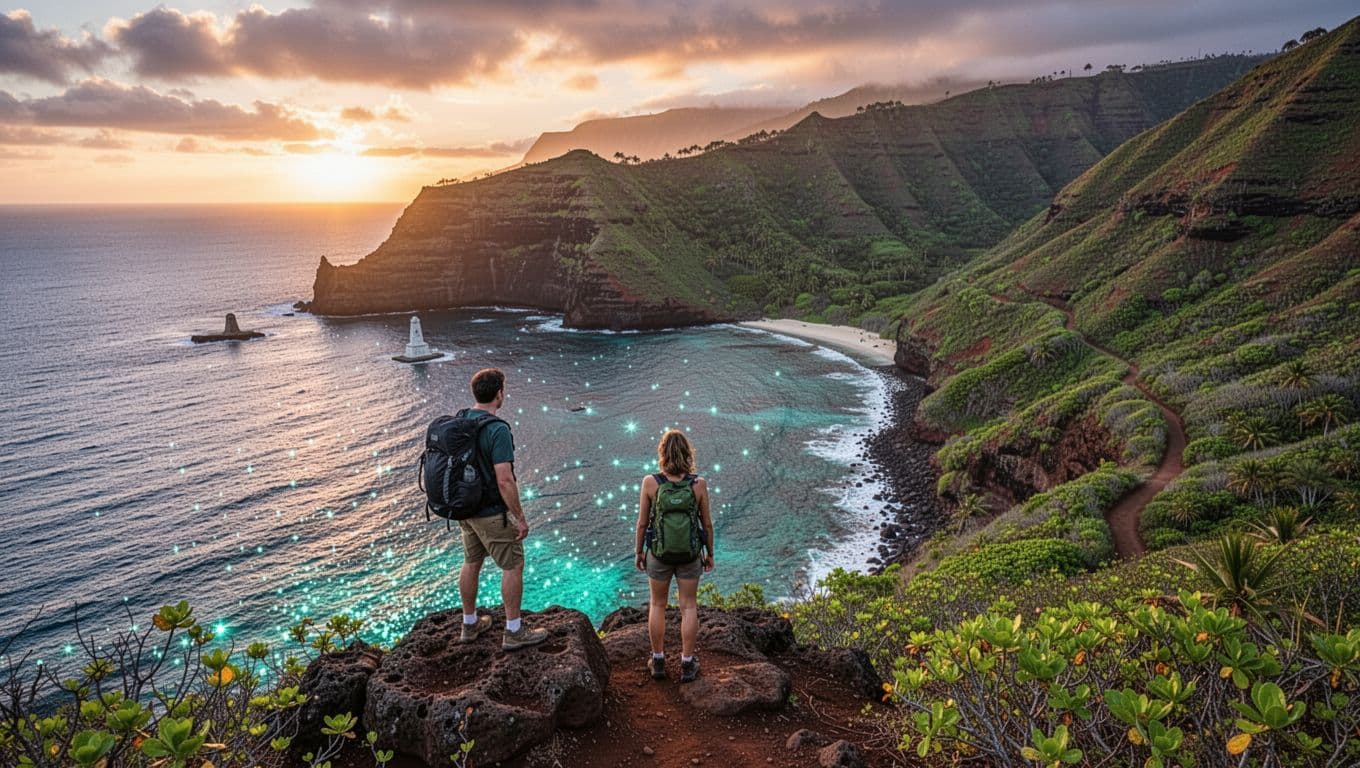
At the bottom, you reach the historic Kaawaloa area beside the bay. The white monument is nearby, and you can look across the water toward the cliffs and coves that make Kealakekua famous. You can take photographs, enjoy the view, and learn about the site’s history without putting on a mask or fins.
The return journey is where many visitors underestimate the trail. Start early if possible, take breaks on the climb, and avoid planning another demanding activity immediately afterward. You also won’t find the same facilities available at a developed beach park, so carry what you need and pack out everything you bring.
The hike suits active travelers who want a land-based visit and don’t mind a steep return. It may not suit young children, travelers with limited mobility, or anyone uncomfortable hiking in heat.
Take a boat and remain onboard
A boat tour is often the easiest choice if you want to see Captain Cook Monument without swimming or hiking. You can remain seated, enjoy the coastline, and view the white obelisk from the water.
Boat trips also give you a better sense of Kealakekua Bay’s geography. The cliffs rise sharply around the protected water, and the monument’s position makes more sense when you see it from offshore. You can enjoy the scenery without handling hiking equipment or walking a steep trail.
Before booking, ask exactly what the itinerary includes. Some excursions are designed around snorkeling and may spend much of the trip in the water. Others may welcome non-snorkeling passengers but keep them aboard while the rest of the group swims.
Ask these questions directly:
- Can a guest remain on the boat for the entire trip?
- Will the boat stop near Captain Cook Monument?
- Is the monument a viewing stop or an approved shore landing?
- Does the trip include narration about Kealakekua Bay?
- What seating and shade are available for guests who stay dry?
Kona Snorkel Trips is a local option for asking about a small-group, sightseeing-first experience. The company follows a “Reef to Rays” philosophy, with lifeguard-certified guides, carefully selected equipment, strong attention to guest safety, and reef-conscious practices.
Its small-group style can work well when one person wants to snorkel and another prefers to watch from the boat. You can also ask about a private charter if your family or couple wants more control over the pace. The company’s Kona snorkeling tours include options for customized ocean outings, although you should confirm the exact Captain Cook itinerary before booking.
“`
“`
Join a permitted guided kayak tour
Kayaking lets you experience the bay without snorkeling, but it still involves physical activity and close contact with the water. You may get splashed, and you need enough strength and balance to paddle safely.
State Parks requires vessels traveling through Kealakekua Bay to obtain a permit. The park’s access information identifies guided kayak trips through three permitted commercial vendors as the appropriate commercial kayak option.
Don’t assume you can rent a kayak independently and land wherever you want. Rules can change, and landing restrictions apply around the monument and Kaawaloa Flats. Confirm the current permit and landing details with the operator before reserving.
A guided kayak can be a good middle ground for travelers who want to move through the bay without swimming. You get a quieter view of the cliffs and shoreline than you might from a larger boat. Still, it may not be comfortable for someone who wants to avoid physical exertion or any possibility of getting wet.
What can you do at the monument without entering the water?
Your experience depends on how you arrive.
If you hike down, you can stand on land near the historic monument, photograph the bay, and take in the surrounding landscape. The site is not a large visitor center with exhibits, food service, or a staffed museum. Most of the experience comes from the location itself and the story attached to it.
Captain James Cook died at Kealakekua Bay in 1779 during a conflict with Native Hawaiians. The white obelisk commemorates the site. You can learn more historical background through this Captain Cook Monument overview, then consider how the monument fits into the broader history of the bay.
A respectful visit matters here. Stay on appropriate surfaces, avoid removing rocks or shells, don’t leave food or trash behind, and follow any posted park instructions. Kealakekua Bay is a protected marine area, so you should never stand on coral or disturb marine life if you do enter the water.
Boat passengers experience the monument differently. You won’t walk up to the obelisk, but you can see its position along the shoreline and photograph it against the cliffs. A guide may also provide context while you remain seated.
For many visitors, that view is enough. You still get the dramatic coastline, the historic setting, and time on the bay without committing to a swim.
Land-based alternatives if the hike feels too difficult
You can view the Kealakekua coastline from upland roads and scenic areas, but that doesn’t bring you to the monument itself. The white obelisk may be visible across the bay in the distance, depending on your viewpoint, weather, and visibility.
This option works when you want a short scenic stop rather than a full excursion. You can look over the bay, take photographs, and continue your drive. However, you won’t get the same shoreline perspective as a hiker or the same close water view as a boat passenger.
If mobility, heat, or time rules out the trail, a boat trip is usually more satisfying than a distant overlook. You get closer to the monument and see more of the bay without requiring a steep descent and return climb.
A private boat charter can also help mixed groups. One traveler may want to swim, while another may prefer to stay dry and photograph the coastline. Ask the operator to explain the plan for every passenger before you pay.
Why snorkeling is popular, even though it isn’t required
Kealakekua Bay attracts visitors because of its clear water, volcanic shoreline, and protected marine habitat. When snorkeling Big Island reefs, you may notice how much of the island’s character sits below the surface. Kealakekua adds a historic setting to that underwater experience.
The snorkeling area near the monument can be beautiful, but conditions are not identical every day. Wind, swell, visibility, current, and boat traffic can affect comfort. A strong swimmer may enjoy conditions that feel uncomfortable to someone who rarely swims in the ocean.
If you don’t want to snorkel Big Island waters, you can still enjoy the bay from a boat or choose the trail. You aren’t missing the entire destination because you skip the water entry. You are selecting a different way to experience it.
A mixed group should discuss this before booking. If most people want to snorkel, a non-swimmer may spend a long period alone on the boat. That can still be pleasant when the vessel has comfortable seating, shade, and a good view. It may feel less enjoyable if the trip focuses almost entirely on gear preparation and water time.
Ask whether the guide offers a safety briefing for non-swimmers, where you can sit during the water portion, and how long the boat remains near the reef. Clear answers help you choose an itinerary that suits everyone.
Even a day built around snorkeling Big Island Hawaii waters can include a dry visit to Kealakekua Bay. The monument, cliffs, and history don’t disappear when you leave the fins behind.
Which option fits your travel style?
Your ideal route depends on what you want to avoid and what you hope to remember.
Choose the hike if standing near the monument is your priority. You need good footwear, water, time, and enough fitness for a steep return climb. This is the only straightforward non-snorkeling option that takes you to the area on foot.
Choose a boat tour if you want comfort and a close view without hiking. This option works well for couples, families with one non-swimmer, and travelers who want a calm sightseeing experience. Confirm whether you remain onboard and whether the trip is suitable for passengers who don’t enter the water.
Choose a guided kayak if you want active sightseeing without snorkeling. You should feel comfortable paddling and accept that the activity may involve splashing. Confirm the permit and landing rules before making plans.
Choose an upland viewpoint if you have limited time or can’t manage the trail. You will see the bay from a distance, but you won’t reach the monument.
Families should consider the youngest and oldest members of the group. A steep trail can turn into a difficult day when temperatures rise. A boat may be easier, but motion-sensitive passengers should ask about the vessel and seating.
Couples often prefer a boat because it leaves room for conversation, photography, and a shared view. Active travelers may prefer the trail or kayak. Solo visitors should choose the route that matches their comfort in remote areas and on open water.
If your group has different priorities, a private trip may give you more flexibility. Kona Snorkel Trips describes private charters for customized outings, including time to relax aboard the boat. Ask whether your preferred itinerary can include a Captain Cook viewing stop without requiring every passenger to snorkel.
Questions to ask before booking
A few details can prevent an uncomfortable surprise on the day of your visit.
First, ask whether the trip is a snorkeling excursion with optional participation or a sightseeing trip that includes snorkeling. Those descriptions sound similar, but the time on the boat can feel different.
Next, confirm the schedule and location. Some tours may visit several areas, while others focus on Kealakekua Bay. Ask how much time you spend near the monument and whether the guide discusses its history.
You should also ask about:
- Life jackets and flotation equipment for non-swimmers.
- Shade, seating, and protection from spray.
- Restroom access before departure and during the trip.
- Weather cancellation and rescheduling policies.
- Minimum ages, mobility requirements, and passenger limits.
- Whether a private charter is available for mixed-interest groups.
If you plan to hike, check the current park information before driving to the trailhead. Park hours are listed as 7:00 a.m. to 8:00 p.m., but access conditions, parking details, and trail conditions can change.
Pack water, reef-safe sun protection, a hat, snacks, and a phone or camera with enough battery. Wear shoes that can handle uneven ground if you hike. For a boat trip, bring a light layer because wind can make the ride cooler than expected.
Travelers who want a Captain Cook-specific itinerary can compare the information in this Kealakekua Bay snorkeling guide. Even if you don’t plan to snorkel, the route details can help you understand the bay and decide which questions to ask.
A guided Captain Cook boat option
Kona Snorkel Trips focuses on small-group ocean adventures around Kailua-Kona. Its guides are lifeguard certified, and the company emphasizes safety, personal service, quality snorkeling equipment, and responsible reef practices.
That approach can help when your group includes different comfort levels. You can ask whether one person can remain aboard while others snorkel, whether the crew can tailor the outing, and what view you can expect near the monument.
A private charter may be especially useful for families, proposals, anniversaries, or groups that don’t want an impersonal schedule. You still need to confirm the exact route and landing policy, since access around Kaawaloa is controlled.
The company also promotes environmental education and reef-safe practices. Those details matter in a protected bay where visitors share the water with marine life and other tour groups.
If you want to reserve a Captain Cook or Kealakekua Bay snorkeling trip, you can check avaialbility before your travel date.
“`
Conclusion
You can visit Captain Cook Monument without snorkeling. Hike the Kaawaloa Trail if you want to reach the site on foot, or take a permitted boat tour if you prefer to stay dry and view the monument from the bay.
The hike requires more time and fitness than many visitors expect. A boat offers the simplest experience for families, couples, and mixed groups, but you should confirm whether the itinerary includes viewing only or an approved landing.
Snorkeling is one way to experience Kealakekua Bay, not the only way. Choose the route that lets you enjoy the history, coastline, and water at your own comfort level.