
Captain Cook Hawaii Snorkeling: Why It Starts Across the Bay
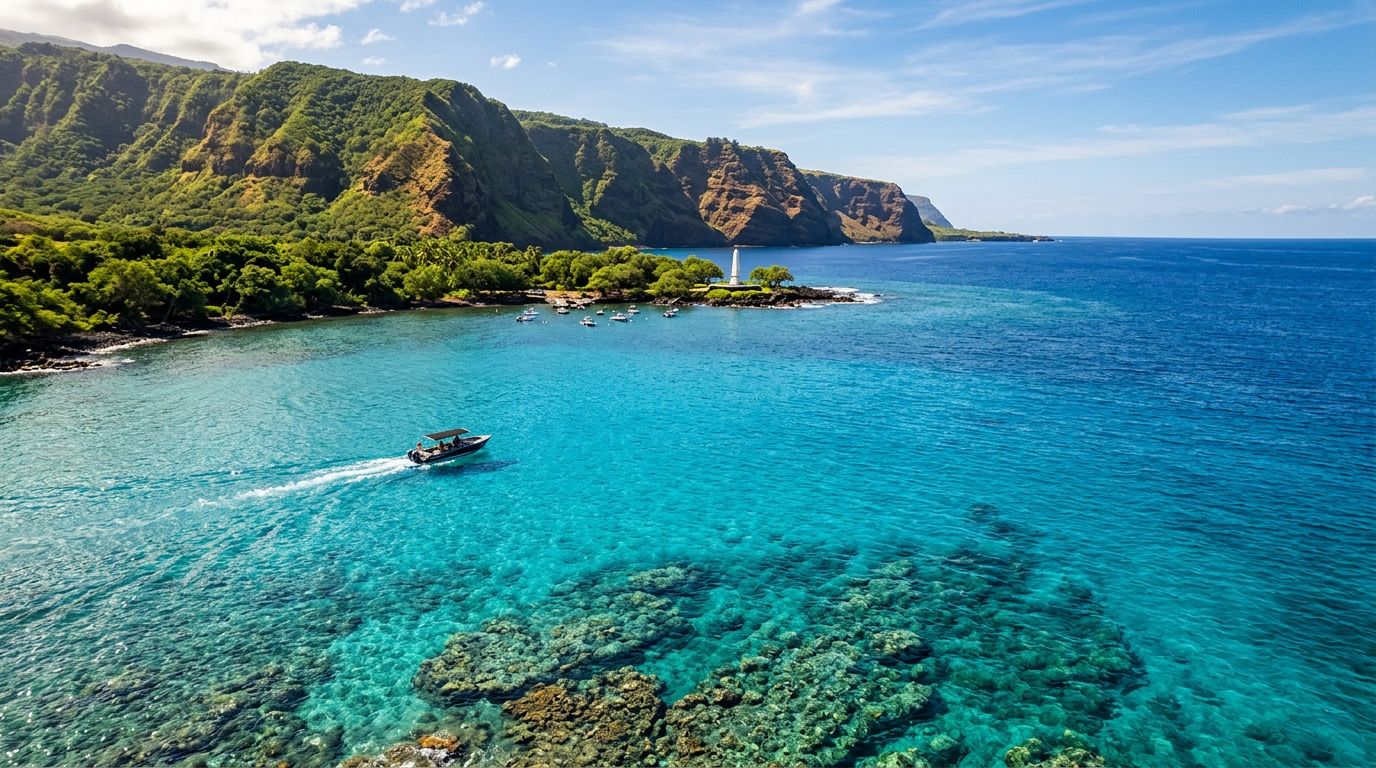
Captain Cook Hawaii snorkeling can feel confusing when you first look at a map. The famous white monument sits across Kealakekua Bay from the main shore access, while the clearest reef lies near the monument side.
Kona Snorkel Trips reaches this area by boat, with small-group outings led by Lifeguard Certified guides. Captain Cook Snorkeling Tours also focuses on the bay, and its Kealakekua Bay snorkeling guide offers another useful look at the site. Once you understand the shoreline layout, the location makes much more sense.
Why Captain Cook Hawaii Snorkeling Starts Across the Bay
Kealakekua Bay has two important visitor areas. Napoopoo sits on the more accessible side, while Kaawaloa Cove and the Captain Cook Monument are across the water.
The monument isn’t beside a parking lot or at the end of a road. It stands on the opposite shoreline because that is where the historical event took place. The reef near Kaawaloa Cove is also the area most visitors want to explore underwater.
The monument and reef share the same shore
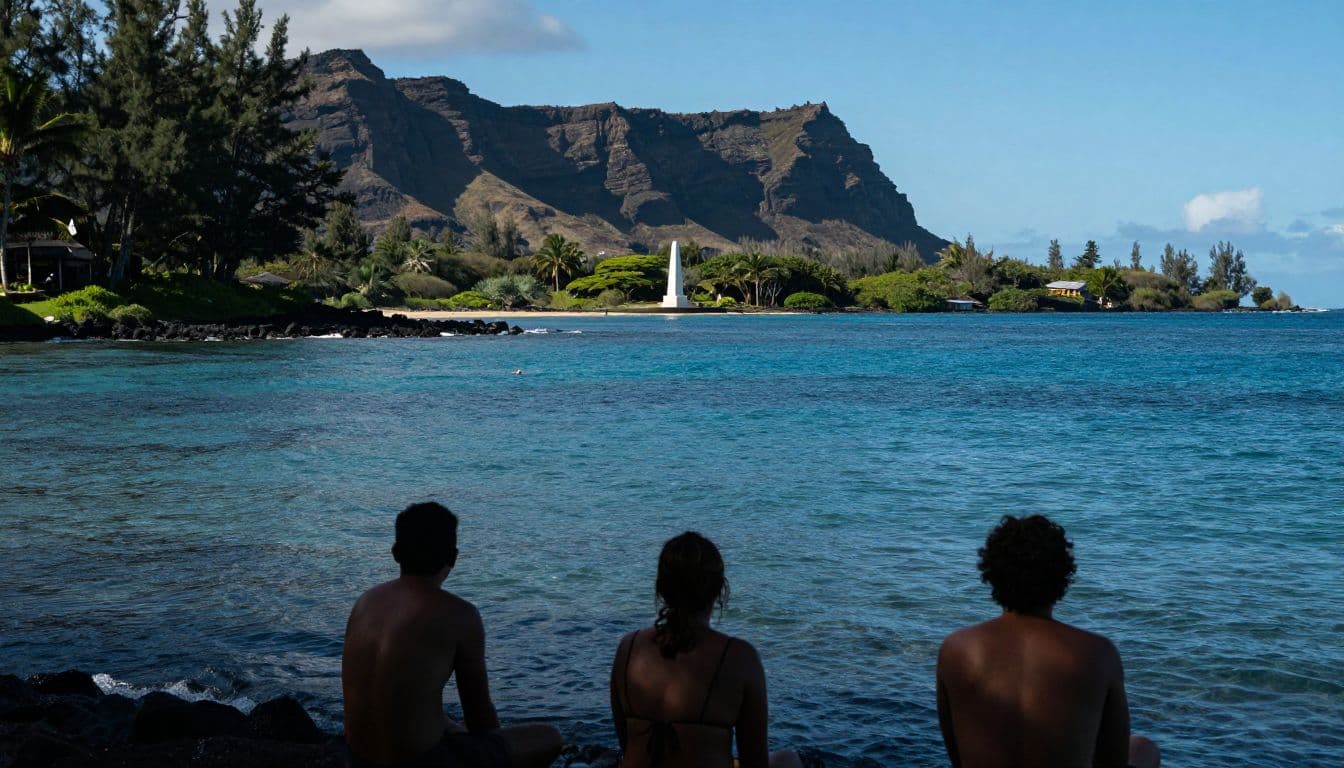
When you look across the bay from Napoopoo, you can see the white obelisk on the far side. From the water, the distance feels more practical because boat tours can travel directly to the snorkeling area.
That arrangement creates the classic Captain Cook view. You float above clear water, look toward the volcanic shoreline, and see the monument behind you or across the bay. The historic landmark and the reef are close together, but they are separated from the main road access by water.
The bay’s layout shapes your tour
A boat trip usually makes the visit easier because you don’t need to hike down a steep coastal trail or arrange a permitted kayak route. You can spend more of your time in the water instead of dealing with a long approach.
The monument area is also different from a typical beach park. You shouldn’t expect a large parking area, restrooms, food stands, or a staffed swimming beach near the snorkeling cove. Your tour operator handles the water access, gear, and return trip.
What the Captain Cook Monument Actually Marks
The monument is more than a landmark you pass during a snorkel. It marks the approximate location where Captain James Cook died in 1779.
Kealakekua Bay already held major importance for Native Hawaiians before Cook arrived. The bay’s history includes religious, cultural, political, and social meaning that reaches far beyond the white obelisk.
A memorial to a complicated history
Cook first visited the Hawaiian Islands in 1778 and returned to Kealakekua Bay during the following year. Tensions escalated during that second visit, and he died during a confrontation on the Kaawaloa side of the bay.
The monument doesn’t tell the whole story by itself. It identifies a place connected to the first extensive contact between Native Hawaiians and Europeans, followed by conflict and lasting change.
For historical background and visitor information, Go Hawaii’s Kealakekua Bay guide places the monument within the wider state historical park.
Why the obelisk is visible from the water
The memorial is a white obelisk built in 1878. It rises about 27 feet above the Kaawaloa shoreline, which makes it easy to spot from boats and snorkel areas across the bay.
You may see the monument from the water without setting foot on shore. Current land access rules are strict, so viewing it from a boat is often the most practical and respectful option.
The monument sits across the bay because it follows the historical location, not the most convenient visitor entrance.
Why Kealakekua Bay Is Famous for Snorkeling
Searches for “snorkeling Big Island Hawaii” often lead you to Kealakekua Bay because the area combines clear water, volcanic structure, and protected marine habitat.
If you search for “snorkel Big Island,” you’ll find beaches throughout the Kona coast. Kealakekua Bay stands apart because its best-known snorkeling area is tied to a protected cove across the water from the main shore access.
Clear water reveals a living reef
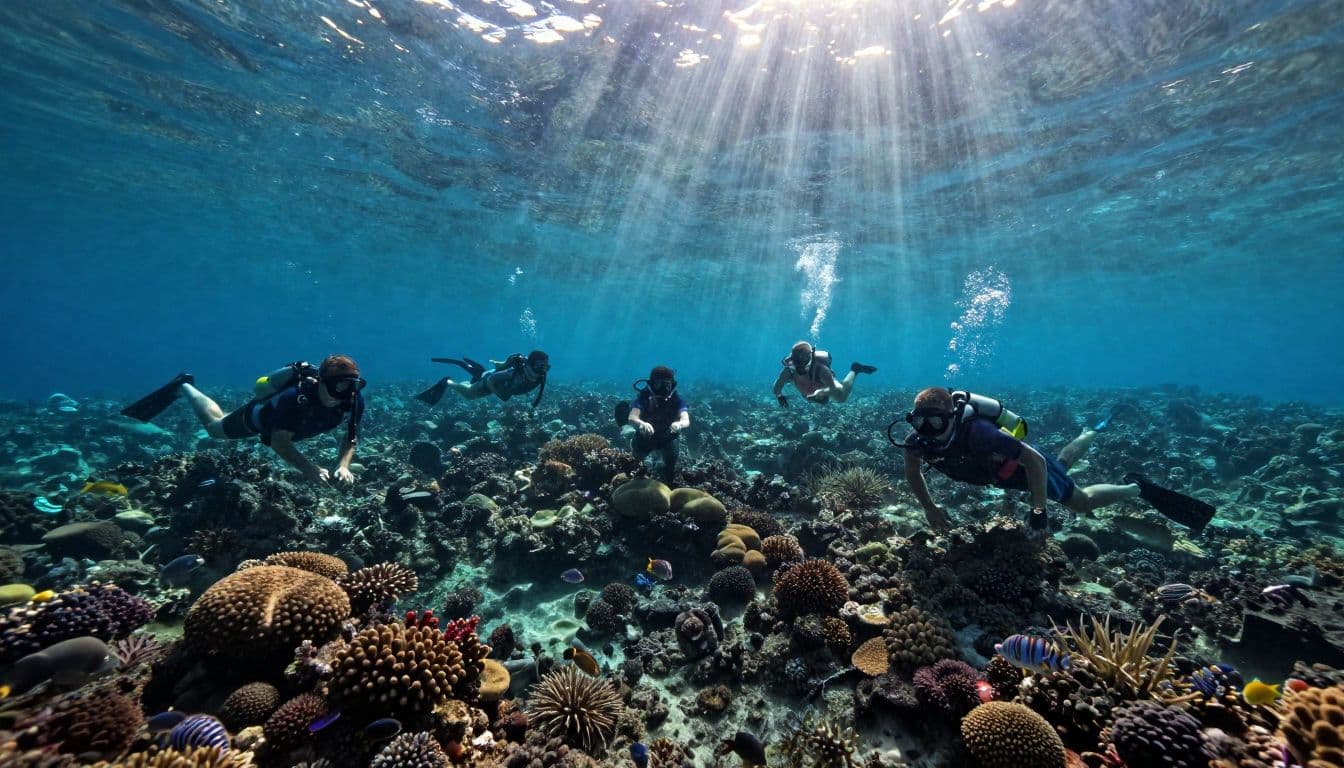
The Kaawaloa Cove area has lava ledges, coral formations, and underwater structure that attract reef fish. On a calm day, sunlight reaches through the surface and improves visibility around the shallow reef.
You may see schools of reef fish moving over the coral, along with parrotfish, surgeonfish, butterflyfish, and other Hawaiian species. Sightings change with the season, tide, visibility, and ocean conditions, so no responsible guide should promise a fixed list of animals.
When you snorkel Big Island waters, your technique matters as much as the location. Slow movements help you stay comfortable and give fish more time to remain nearby.
Protection changes how you visit
Kealakekua Bay is a Marine Life Conservation District. The rules protect marine life and the seafloor, including coral, shells, sand, rocks, algae, and other natural materials.
You can swim and snorkel, but you shouldn’t touch coral, chase animals, collect shells, or stand on the reef. A protected site stays healthy when every visitor treats the bottom as living habitat rather than a place to walk.
This Captain Cook snorkeling overview also describes the bay’s protected status and the different ways visitors reach the monument area.
How You Can Reach the Monument and Reef
You have several ways to reach the Captain Cook Monument, but each option comes with different physical demands and access rules.
The monument isn’t reachable by car. Visitors reach the area by boat, authorized kayak access, or a strenuous hike from the Napoopoo side.
Boat tours provide the simplest route
A boat tour lets you enter the bay from the water and spend more time near the reef. You also receive transportation back to the launch point, which matters after swimming in the sun.
Guides can assess visibility, wind, current, and boat traffic before choosing where your group enters. They can also explain how to use flotation gear, where to avoid standing, and how to stay with the group.
A guided trip is especially helpful if you’re traveling with children, first-time snorkelers, or anyone who feels uncertain in open water. You don’t have to solve the bay’s access puzzle on your own.
Land and kayak routes require more planning
The Kaawaloa Trail is steep and physically demanding. You’ll need sturdy shoes, water, sun protection, and enough energy for the return climb. The shore below doesn’t offer the same support you would find at a developed beach.
The state also controls landings and shoreline access at Kaawaloa Flats. You shouldn’t assume that a rental kayak can land wherever you want, or that a boat can bring passengers onto the monument shore. Commercial operators must follow current state conditions, and private visitors need to check the rules before launching.
A Kealakekua Bay access guide explains the main land, kayak, and boat options. Conditions and permissions can change, so confirm details before your trip.
What You’ll See Underwater at Kaawaloa Cove
For many visitors, the monument adds meaning to the outing, but the reef is the main reason to enter the water.
The bay’s volcanic coastline creates underwater shelves, cracks, and ledges where marine life can feed and shelter.
Reef fish gather around volcanic structure
Clear water makes it easier to see the shape of the reef beneath you. Rather than one flat sandy bottom, you’ll often look over dark lava rock, coral growth, and uneven ledges.
Keep your face in the water and move slowly. Fish may appear in small groups, disappear behind coral, and reappear several feet away. Your guide can point out species and explain why particular fish stay near certain reef features.
You might also see green sea turtles or larger animals passing through the bay, but wildlife remains unpredictable. The best approach is to watch quietly and give every animal plenty of space.
Calm technique improves your experience
Many beginners use their arms too much, which causes fatigue and splashes. A relaxed kick, steady breathing, and a properly fitted mask help you stay comfortable longer.
Tell your guide if you’re nervous, tired, or uncomfortable with the depth. You can ask for flotation support, stay in a shallower area, or return to the boat. Strong swimmers should also follow the guide’s boundaries because current and wind can change during the outing.
Never grab coral for balance. If you need help, use a flotation device or signal your guide.
Choosing a Guided Captain Cook Snorkel Trip
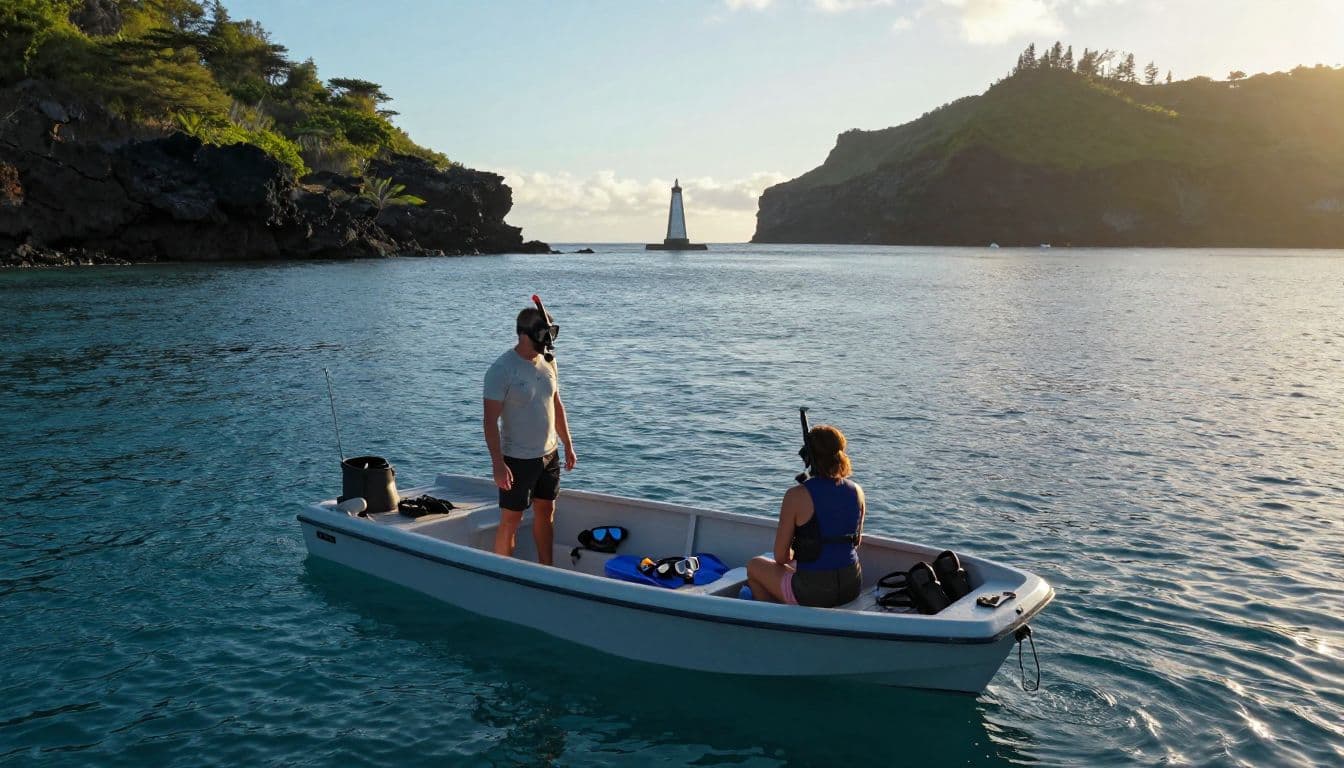
The best tour for you depends on more than the destination name. Look at the guide qualifications, group size, equipment, departure location, swimming support, and approach to reef protection.
You can compare Kealakekua Bay snorkel excursions before deciding which format fits your schedule.
Look for safety and local knowledge
A good operator gives you a clear water briefing before you enter. The guide should explain how to use your mask and fins, where to swim, how to signal for help, and what to do if conditions change.
Small groups also make a difference. You can ask questions without competing with a crowded group, and your guide can keep a closer eye on different swimming abilities.
Quality equipment matters, too. A leaking mask or poorly fitted fins can turn a beautiful morning into a tiring one. Ask whether the trip includes masks, snorkels, fins, flotation, and any protective clothing you may need.
Why Kona Snorkel Trips fits this setting
Kona Snorkel Trips follows a “Reef to Rays” philosophy centered on safety, personal service, and responsible ocean experiences. Its small-group approach avoids the impersonal feel of large commercial outings.
Lifeguard Certified guides lead the trips and combine water-safety instruction with information about the reef and local marine life. The company provides carefully selected snorkeling gear and keeps the experience focused on comfort, education, and respect for the volcanic ecosystem.
Kona Snorkel Trips has built a five-star reputation through consistent guest care. If you want a guided Captain Cook outing with a personal feel, you can check availability.
How to Plan Your Captain Cook Snorkel Day
Captain Cook Hawaii snorkeling works best when you plan around ocean comfort rather than trying to force a particular time or route.
Departure schedules depend on weather, wind, boat availability, and the operator’s conditions assessment. Many tours favor morning departures because wind can increase later, but your captain makes the final call.
Choose comfort over a packed schedule
Leave enough time around your snorkeling trip for check-in, transportation, and possible changes. A rushed arrival makes it harder to listen to the safety briefing or ask questions.
If you’re prone to seasickness, speak with your doctor or pharmacist before traveling. Eat a light meal, drink water, and follow the operator’s guidance about medication timing.
Families should ask about age requirements, flotation options, and swimming expectations before booking. Couples and experienced swimmers may prefer a smaller group or private charter, while first-time snorkelers may value extra instruction.
Pack for sun, water, and limited facilities
Bring a swimsuit, towel, reef-conscious sunscreen, sunglasses, a hat, and a dry layer for the ride back. Water and snacks are useful if your operator doesn’t provide them.
- Wear secure footwear if you’ll walk on rocky ground or use a trail.
- Apply sunscreen before entering the water and keep it away from your mask seal.
- Tell the crew about medical concerns, swimming limitations, or previous snorkeling problems.
- Follow the operator’s instructions about cameras, bags, and personal items.
Kona Snorkel Trips also shares a Captain Cook snorkeling guide for 2026 with additional planning details. When your dates are set, you can check avaialbility for a Captain Cook trip.
Rules That Protect Kealakekua Bay
The bay’s clear water and healthy reef depend on visitor behavior. A few simple decisions protect the site for the next group and the next generation.
Don’t land where access is restricted
Current state conditions limit landings at Kaawaloa Flats, including the area around the monument. You shouldn’t step onto the shoreline from a boat or kayak unless you have confirmed that your route and operator are authorized.
Napoopoo Wharf also has restrictions on launching and landing vessels. Swimming in the bay is allowed, but swimming to shore doesn’t give you permission to access restricted land.
Before you launch a private kayak or paddleboard, check the current requirements. A rule that applied to one type of vessel or permit may not apply to another.
Leave every natural feature in place
The Marine Life Conservation District protects living and geological resources. Don’t collect coral, rocks, shells, sand, algae, or other materials. Avoid touching coral because even a brief contact can break or damage it.
Stay a comfortable distance from turtles, dolphins, and other marine animals. Never chase wildlife for a photograph. If an animal changes direction because of you, you’re too close.
There are no lifeguards on duty at Napoopoo Beach. Swim with a buddy, stay within your ability, and leave the water if you become tired or conditions worsen. The Captain Cook Monument snorkeling information also helps explain why the protected setting requires careful visitor conduct.
Who Will Enjoy a Captain Cook Snorkel Trip?
This outing suits travelers who want both a strong reef experience and a meaningful sense of place.
Families and first-time snorkelers
A boat tour can work well for families because it avoids the steep hike and brings support directly to the water. Still, you should confirm age limits, swimming requirements, and flotation options before booking.
Children often enjoy the monument as a visible landmark, but the underwater portion requires close adult supervision. Keep younger swimmers near you and follow the guide’s instructions about entry and exit.
First-time snorkelers should practice breathing through the snorkel in shallow water if possible. A well-fitted mask and calm breathing can make the first open-water experience much easier.
Couples and experienced swimmers
Couples often appreciate the combination of scenery, history, and time on the water. You can watch the monument from the bay, explore the reef together, and return to Kona without spending the day on a difficult trail.
Experienced swimmers may want more time at the reef, but strong skills don’t eliminate changing current or boat traffic. Follow the guide’s boundaries and stay with your group.
A private charter can also make sense for special occasions or groups with different goals. You can focus on snorkeling, sightseeing, photography, or a slower day on the water, depending on the conditions and your operator’s options.
Conclusion
The Captain Cook Monument sits across Kealakekua Bay because it marks the Kaawaloa location connected to Captain Cook’s death in 1779. The reef beside it is also the bay’s most famous snorkeling area, which makes the distance across the water part of the experience.
You’ll have a better day when you choose the right access method, respect current shoreline rules, and treat the reef as living habitat. With a safety-focused guide and calm preparation, Captain Cook Hawaii snorkeling gives you clear water, striking history, and a direct connection to one of the Big Island’s most important coastal sites.