
Captain Cook Hawaii Snorkeling: An Ultimate Guide for 2026
You're probably sorting through the same questions most visitors have. Is Captain Cook snorkeling really as good as people say? Can you get there on your own? Is a boat tour worth it, or is that just the easy option?
If you want the short answer, Captain Cook Hawaii snorkeling is special because Kealakekua Bay combines clear water, healthy reef, dramatic coastline, and deep cultural significance in one place. But the part many guides skip is this. The quality of your day depends heavily on how you access the bay.
Your Ultimate Guide to Captain Cook Snorkeling
A lot of people arrive on the Big Island looking for one snorkel outing that feels unmistakably Hawaiian. They want calm blue water, colorful fish, and a place that feels memorable before they even put on a mask. Kealakekua Bay is often that place.
For many visitors, the first glimpse of the bay explains the hype. The cliffs rise steeply, the water changes from bright turquoise to deep cobalt, and the shoreline feels less built-up than many easier-access beach spots. Under the surface, the reef is what keeps people talking about it long after the trip is over.

Kona Snorkel Trips is Hawaii's top rated and most reviewed snorkel company, and that matters when you're choosing a guided day on the water. A strong operation helps beginners feel comfortable, keeps the group organized, and usually does a better job teaching people how to enjoy a sensitive marine area without damaging it.
If you're still deciding where this stop fits into your trip, this broader guide to snorkeling in Hawaii on the Big Island helps put Kealakekua Bay in context.
Practical rule: Don't judge Captain Cook by a map alone. The bay looks simple on screen, but access, conditions, and local rules shape the experience far more than most visitors expect.
The Rich History and Ecology of Kealakekua Bay
Kealakekua Bay isn't just a pretty place to float with a snorkel. It carries historical weight and ecological value at the same time, which is why thoughtful visitors tend to leave with more respect for it than they had when they arrived.
Why the bay matters historically
Captain James Cook first landed on Hawaiʻi Island here in 1778, and he was killed there on February 14, 1779, as noted in this background on Kealakekua Bay history and significance. That's the reason so many travelers know the area by the Captain Cook name, even though the bay's significance is much broader than one European story.
When you snorkel here, you're entering a place that's tied to Hawaiian history, cross-cultural contact, and the long legacy of how visitors move through places that were meaningful long before tourism existed. That's one reason good guides tend to frame the bay as more than a recreational stop.
Why the reef looks so alive
The bay is also a protected Marine Life Conservation District, and one guide reports that it's home to over 175 species of fish, which helps explain why the snorkeling can feel so rich and active in a relatively compact area, according to this overview of the bay's marine life and status. Protection matters. Areas with strong protections often give fish and coral a better chance to thrive, and snorkelers notice the difference.
One local tour source also says the bay welcomes over 190,000 visitors annually. That tells you two things at once. It's a major attraction, and it needs careful use.
Respect starts before you enter the water. In a place with heavy visitor traffic and protected reef, every fin kick, sunscreen choice, and approach to wildlife matters.
What this means for your visit
A simple way to think about Kealakekua Bay is to hold two ideas together:
- It's a cultural landmark
- It's a living marine habitat
- It's also a popular visitor destination
That combination is exactly why a casual, anything-goes approach doesn't fit this location very well. The bay rewards visitors who slow down, listen, and treat the place like somewhere worth protecting, not just somewhere worth photographing.
Best Times for a Captain Cook Snorkel Adventure
People often hear that morning is best and stop there. That advice is useful, but it's incomplete unless you know what “best” means for your group.
Morning versus afternoon
Independent guidance notes that morning typically brings clearer water and calmer conditions, while Kona's afternoon breeze can create more surface chop. The same guidance also notes that visibility is often better before 10 a.m., while afternoon trips can be less crowded. You can read that tradeoff in this comparison of morning and afternoon Captain Cook snorkel timing.
That tradeoff matters because different travelers want different things. A first-time snorkeler usually values calm water more than privacy. A more confident swimmer might gladly accept a little extra surface movement for a quieter feel later in the day.
A simple decision guide
| Priority | Better fit |
|---|---|
| Easier water for beginners | Morning |
| Cleaner visibility for reef viewing | Morning |
| Fewer people around you | Afternoon |
| Less surface chop | Morning |
The point isn't that afternoon is wrong. It's that afternoon asks a little more of you. If someone in your group gets nervous in moving water, has limited snorkel experience, or wants the easiest possible entry into the day, morning usually makes more sense.
Who should choose which
Choose morning if your group includes:
- First-time snorkelers who need relaxed conditions
- Kids or cautious swimmers who do better when the surface is smoother
- Reef-focused visitors who care most about underwater clarity
Choose afternoon if your group cares more about:
- A quieter feel over peak visibility
- A later start that fits the rest of your vacation day
- A more relaxed schedule without early-morning planning stress
If you're torn, lean toward calmer water. Most people remember how comfortable they felt in the ocean more than they remember what time they checked in.
How to Access the Captain Cook Snorkeling Area
The bay's accessibility often causes trip plans to get derailed. On a map, the bay can look like a place you can drive to, walk in, and start snorkeling. In practice, the main access options create very different days.

Hiking to the monument
Reaching the Captain Cook Monument from shore involves a 500-meter descent that takes about 45 minutes down and about 1 hour back up, according to this guide to shore access and trip logistics at Captain Cook. Going down feels manageable for many people. Coming back up after sun exposure and time in the water is the part that catches people off guard.
Hiking can work for strong, prepared visitors who know they're signing up for a physically demanding outing. It's much less appealing if you're traveling with kids, carrying extra gear, or hoping for a low-stress snorkel day.
Kayaking across the bay
Kayak access appeals to independent travelers because it seems adventurous and direct. But in real conditions, it adds task load. You have to manage the boat, launch and landing, and then secure the craft while snorkeling.
The prime reef is offshore of the monument and on the opposite side of the bay from the parking area, and kayak users often spend more energy on logistics than they expected. For experienced paddlers, that may be part of the appeal. For less experienced visitors, it can distract from the actual reef experience.
Why boat access changes the day
Boat tours usually last 3 to 5 hours, with many offering at least 1 hour in the water, based on the same Captain Cook access and timing guide. Boat access removes the biggest friction points.
Here's the side-by-side difference:
Hike
Strong workout, hot return climb, gear management on footKayak
More self-directed, but more physical and logistically demandingBoat tour
Direct access to the prime zone, less fatigue, easier for mixed-ability groups
The main advantage isn't luxury. It's energy conservation. You arrive ready to snorkel instead of arriving already tired.
A good snorkel day starts with fresh legs and a calm mind. That's why access method matters as much as the reef itself.
The Kona Snorkel Trips Captain Cook Experience
Once you understand where the best reef sits in the bay, the logic of a guided boat trip becomes pretty straightforward. The prime snorkeling area is offshore of the monument, on the far side from the usual parking approach, and the coral shelf starts in only a few feet of water, which is why boat positioning near the monument reef has such a direct effect on the experience.

What a guided boat day does better
A well-run boat tour simplifies the whole outing. You don't have to budget your energy for a steep return hike. You don't have to manage a kayak while also thinking about masks, fins, and where the reef line begins. You get dropped near the part people came to see.
That matters even more for beginners. New snorkelers usually do best when the sequence is simple: gear up, get oriented, enter the water calmly, and focus on breathing and reef awareness. When access is complicated, people burn attention on logistics instead of enjoying the marine environment.
Why guides matter
Good crews do more than drive a boat. They help guests fit gear properly, explain entry and exit clearly, and keep people from drifting into the trip with a false sense of confidence. That structure lowers stress for first-timers and keeps stronger swimmers from treating a protected bay too casually.
Kona Snorkel Trips offers a Captain Cook snorkel tour in Kealakekua Bay, and Captain Cook Snorkeling Tours is another option travelers often consider when looking for a Captain Cook snorkel tour.
What to expect on the water
Most visitors enjoy the boat portion more than they expected. The ride itself gives you time to settle in, ask questions, and start spotting coastline details that are easy to miss when you're focused on parking, hauling gear, or launching a kayak.
A guided trip also tends to be the most respectful option. Direct placement near the reef reduces wandering, reduces unnecessary shoreline pressure, and gives visitors a clearer framework for how to move through a culturally and ecologically sensitive place.
A Guide to Kealakekua Bay's Marine Wildlife
The underwater draw at Captain Cook isn't one single creature. It's the density of life. Even people who've snorkeled elsewhere in Hawaiʻi often notice that the bay feels busy in the best way. Fish move through the water column at different depths, the coral structure gives the reef texture, and the clear conditions can make the whole scene feel layered instead of flat.

What you're likely to notice first
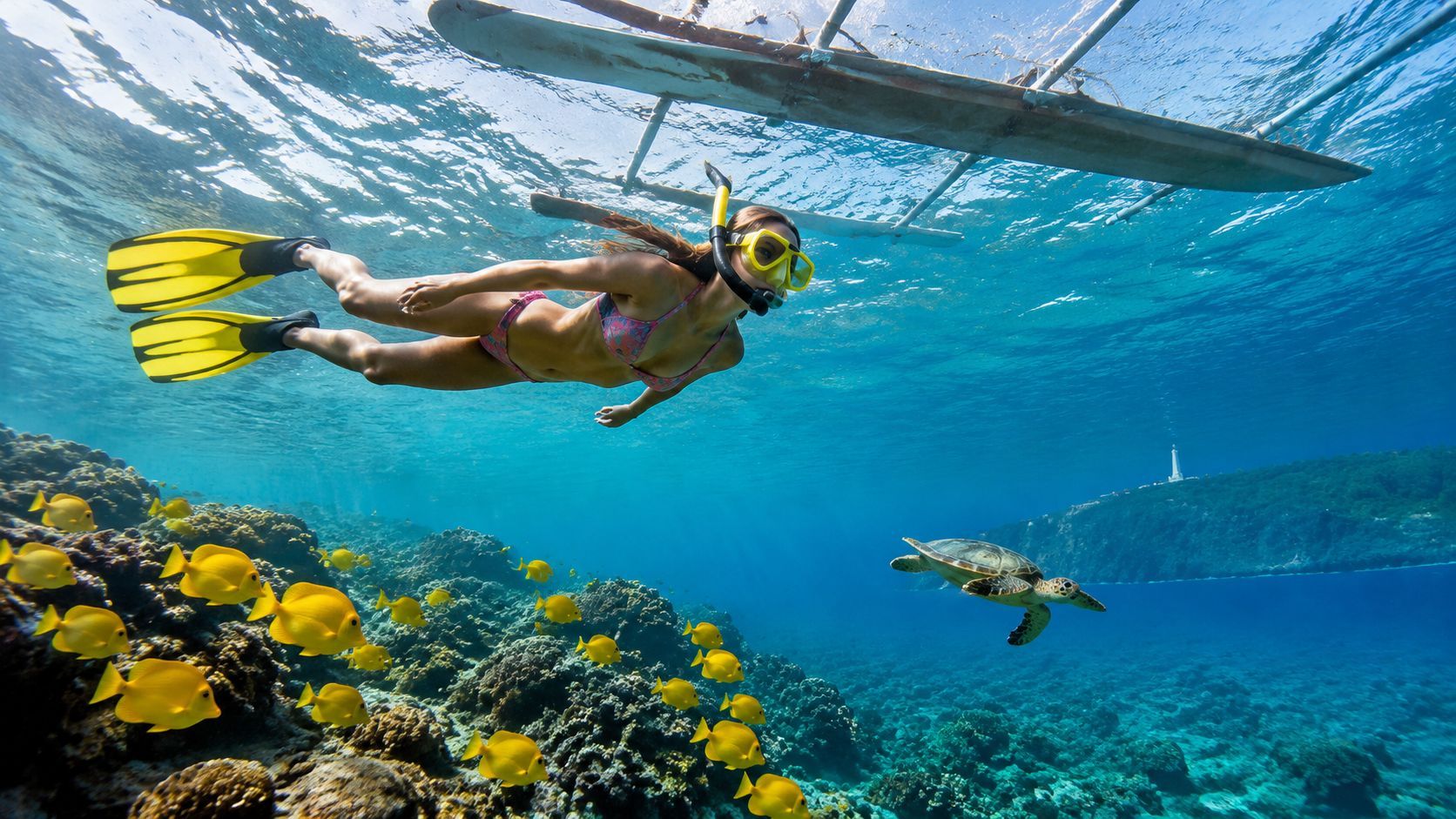
Many snorkelers first notice the color. Bright yellow tangs often grab attention right away, especially when they move in groups over the reef. Then your eye adjusts, and you start picking out smaller contrasts, darker fish tucked near coral heads, flashes of movement near rock, and fish cruising above the shelf.
You may also see Hawaiʻi's state fish, humuhumunukunukuāpuaʻa, along with other common reef species. Sea turtles are another memorable sighting for many visitors, though wildlife encounters always depend on timing, luck, and respectful observation.
What you might see from the boat
The trip to and from the bay can be part of the wildlife experience too. Spinner dolphins are often something guests hope to spot while underway. Even when the main event is the reef, keeping your eyes on the surface during the boat ride can add a lot to the day.
A few visitors ask about manta rays here. They can occasionally be seen in local waters, but if manta rays are a major priority, it makes more sense to book a dedicated night experience built around that encounter. For that, you can look at the Manta Ray Night Snorkel tour or the alternative operator Manta Ray Night Snorkel Hawaii.
How to get more out of the reef
Try this approach once you're in the water:
- Pause first. Float for a moment instead of kicking immediately.
- Look in layers. Scan the shallow shelf, then mid-water, then farther out.
- Watch behavior, not just color. Cleaner fish, grazers, and cruising fish all move differently.
- Stay relaxed. The calmer you are, the more you'll notice.
That last point is easy to underestimate. Fast kicking and constant repositioning usually mean you'll see less, not more.
Safety Rules and Eco-Friendly Snorkeling Practices
Captain Cook snorkeling is much more enjoyable when safety and reef care are built into your habits from the start. This bay rewards calm, observant visitors. It doesn't reward rushing, overconfidence, or careless finning.
Safety habits that matter in the water
Start with the basics, even if you've snorkeled before:
- Snorkel with a buddy. Stay aware of where your partner is, especially if visibility shifts or the group spreads out.
- Know your limits. If you're tired, uneasy, or fighting your gear, stop and reset instead of pushing through.
- Listen to the crew. Local guides know how conditions affect entry, exit, and positioning within the bay.
- Use the easy rhythm. Slow breathing and gentle kicks conserve energy and help you stay oriented.
Beginners often think the challenge is swimming skill. More often, it's comfort. People who stay calm usually do better than people who arrive determined to prove they're strong swimmers.
How to protect the bay while you snorkel
The reef can look rugged, but coral is easily damaged. A small mistake can leave lasting harm.
Use these habits every time:
- Keep your fins up so you don't strike coral below you
- Never stand on the reef, even if the water looks shallow enough
- Give wildlife space and let animals choose the distance
- Use reef-safe sunscreen and apply it with enough time before entering the water
For visitors who want a fuller overview before their trip, these Kealakekua Bay snorkeling rules every visitor should know are worth reading.
The most respectful snorkeler in the bay is often the least conspicuous one. Quiet movements, good buoyancy, and patient observation protect the reef and improve the experience at the same time.
Quick answers to common questions
What should you bring?
Bring swimwear, sun protection, water, a towel, and anything you personally need to stay comfortable on a boat. If you use prescription eyewear, ask in advance about mask options.
Is Captain Cook suitable for beginners?
Yes, especially when conditions are calm and the trip is guided. Beginners usually have a much better experience when access is simple and support is available.
Is hiking or kayaking a bad idea?
Not always. They can work for the right visitor. But for most travelers, especially families, occasional snorkelers, and anyone who wants a lower-stress day, a guided boat trip is the safer and more enjoyable choice.
What's the biggest mistake first-time visitors make?
Treating the bay like an ordinary beach stop. It's not. It's a protected marine area with real cultural importance, and it deserves a more careful approach.
If you want a straightforward way to experience Kealakekua Bay with less hassle and more time focused on the reef, take a look at Kona Snorkel Trips. For most visitors, a professionally run boat tour is the clearest path to a safer, more enjoyable, and more respectful Captain Cook snorkeling day.