
Boat Tour Etiquette for Snorkeling Guests
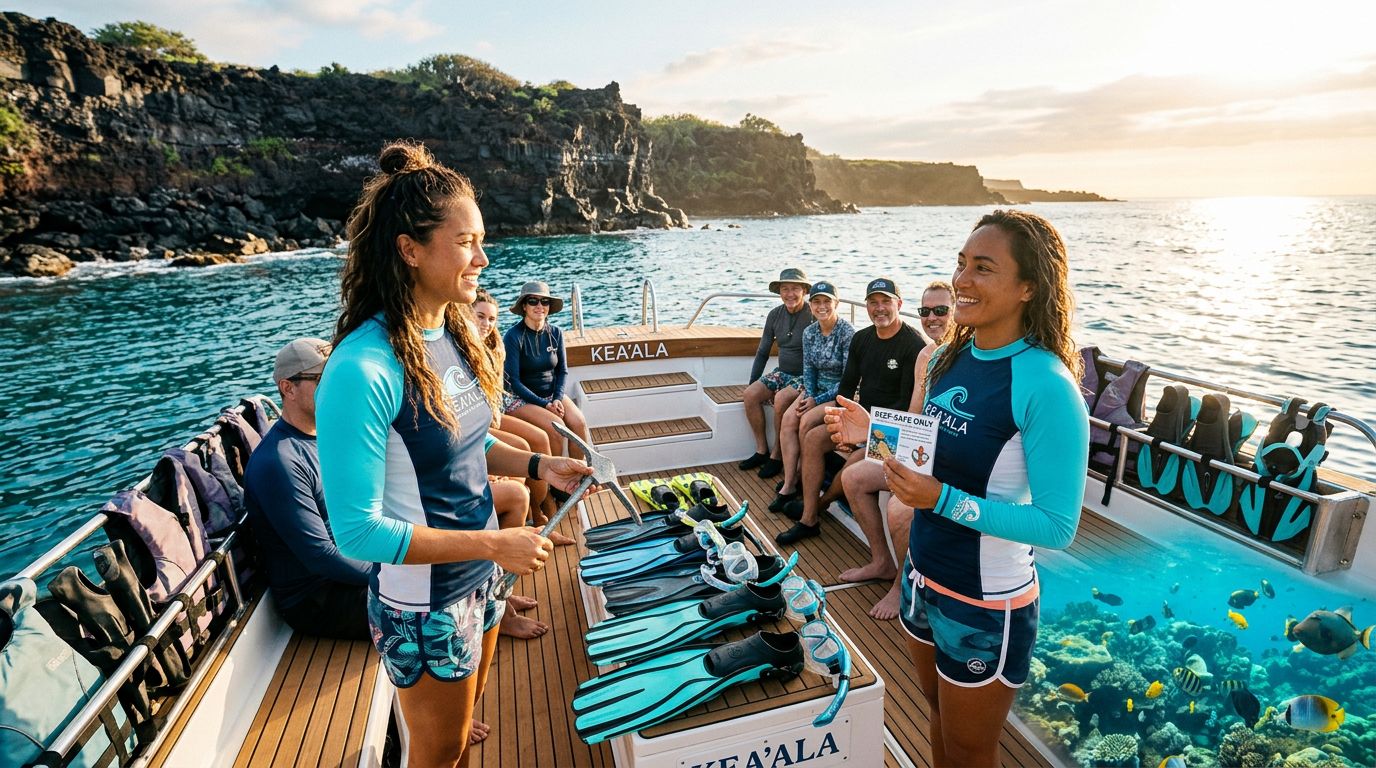
When you search for “snorkeling Big Island Hawaii”, you may picture clear water, lava coastlines, and colorful fish below the surface. The part that makes the day comfortable begins before you enter the water, with boat tour etiquette.
Searches for “snorkel Big Island” and “snorkeling Big Island” often focus on where to swim. Your experience also depends on how you share the deck, follow crew instructions, protect the reef, and give other guests room to enjoy the ocean. These simple habits help everyone settle in quickly.
Boat Tour Etiquette Begins Before You Board
A shared snorkel trip works on a schedule. The boat may need to check in every passenger, load equipment, review safety information, and reach the site during the best available conditions. Arriving at the time provided by your tour operator gives the crew room to complete those steps without rushing.
Before you leave your hotel, wear comfortable clothing that won’t create a problem when wet. Bring only what you need. Large beach bags, loose hats, unsecured phones, and extra shoes can take up limited storage space or move across the deck when the boat starts underway.
Apply sunscreen before boarding, especially on your shoulders, back, ears, and legs. Reef-safe sunscreen is a better choice for a snorkeling trip, and applying it before you arrive reduces slippery lotion on rails and seats. If you need to reapply, ask the crew where to do it.
Follow the operator’s instructions about footwear. Some boats ask you to remove shoes before boarding, while others allow specific types of non-marking footwear. Don’t assume that a familiar beach routine applies to every vessel.
You should also tell the crew about anything that affects your comfort or safety. Mention motion sensitivity, mobility concerns, injuries, anxiety in the water, or a child who needs extra help. The earlier the crew knows, the more effectively they can assist you.
A broader Big Island snorkeling guide can help you think through conditions, access, and preparation before your tour. Once you arrive, your operator’s instructions take priority because the crew knows the boat, weather, and current conditions that day.
Get Your Bearings on the Shared Boat Deck
After boarding, pause for a moment and notice how the deck is arranged. Find your seat, the equipment area, the boarding ladder, handholds, and the path you will use when entering and leaving the water. This quick look prevents unnecessary movement later.
Your seat is a place to return to, but it isn’t a permanent personal zone. Keep your bags, towels, and clothing within the space assigned to you. Avoid spreading items across benches or placing belongings beside another guest’s gear.
When the boat is moving, remain seated or hold a secure handhold as directed. A sudden turn or wave can shift your balance even when the sea looks calm. Walk slowly when the crew gives you permission to move, and keep one side of the passage clear.
Don’t open storage compartments without asking. Crew members may have safety equipment, first-aid supplies, flotation devices, or carefully organized snorkeling gear inside. They also need to reach those areas quickly if conditions change.
The same boat tour etiquette applies when you return from the water. Move away from the ladder once you’re safely aboard, then make room for the next swimmer. Shake excess water where the crew indicates, return equipment to the correct area, and avoid dripping across a walkway if another route is available.
On a shared boat, the ladder is a doorway, not a viewing platform. Clear it as soon as you’re safely aboard.
If you feel seasick, tell a crew member early. Waiting until you feel overwhelmed makes it harder to move safely and can affect the guests around you. A crew member may suggest a better place to sit or another practical step based on the boat and conditions.
Manage Your Gear Without Taking Over the Deck
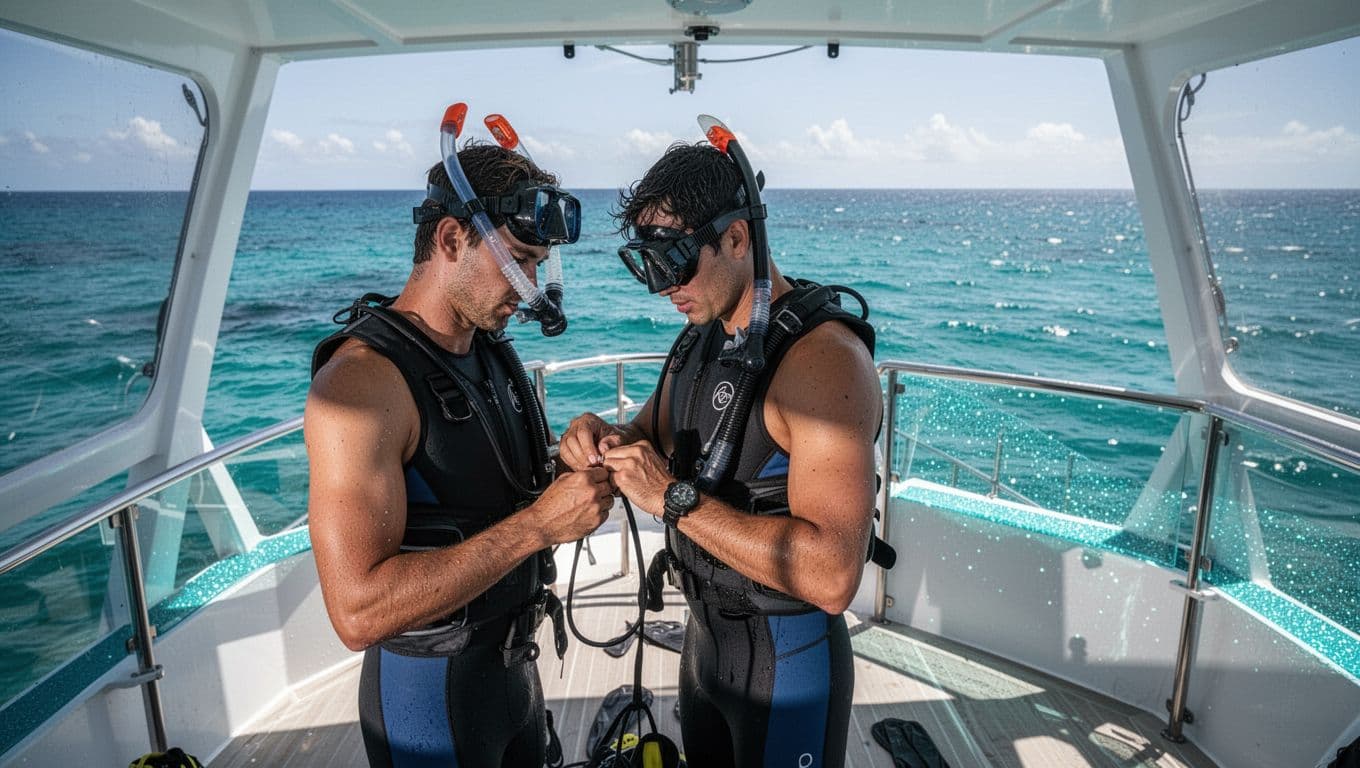
Snorkeling equipment works best when you fit it before the boat reaches the site. Ask for help with mask fit, strap placement, fins, or flotation equipment rather than struggling with unfamiliar gear while other guests wait.
A well-fitting mask should seal around your face without excessive pressure. Your snorkel should sit comfortably, and your fins should feel secure without pinching. If something feels wrong at the dock, speak up. Small adjustments are easier before everyone lines up for water entry.
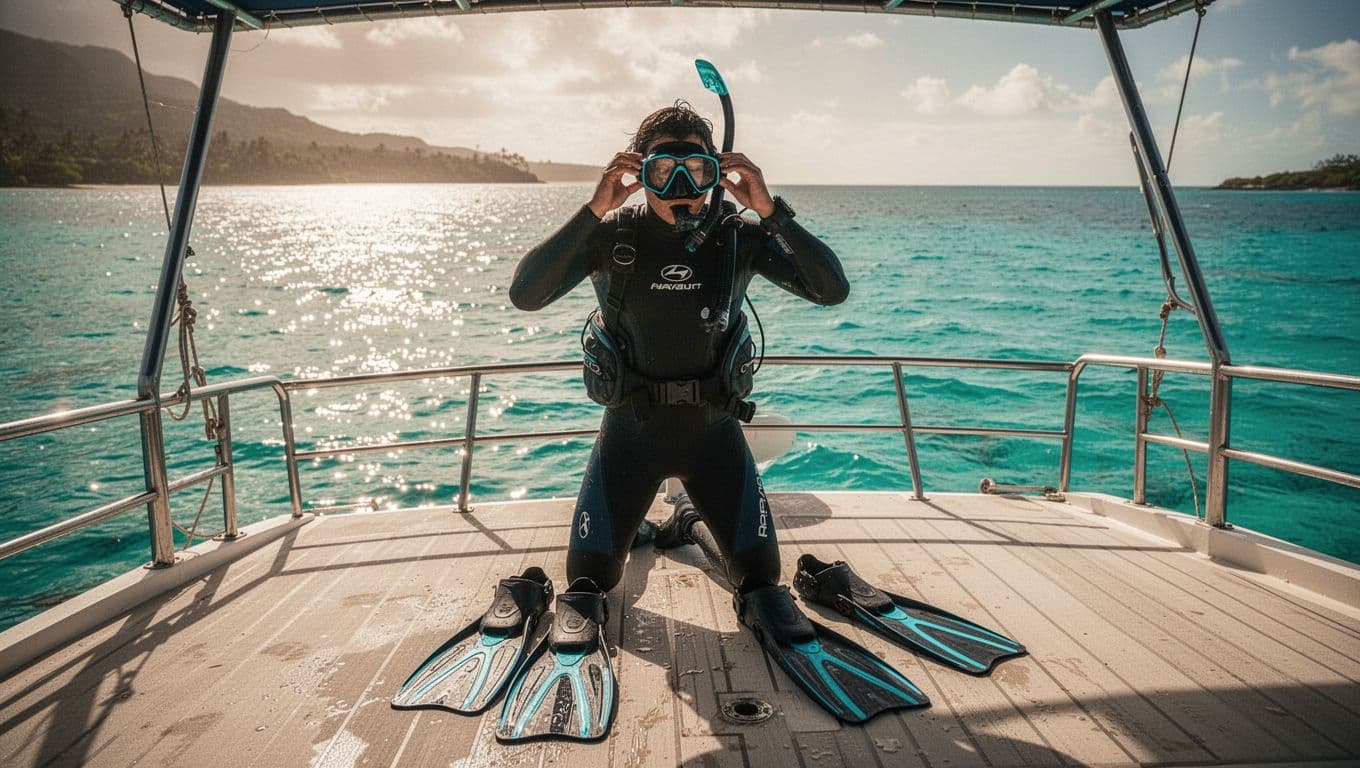
Keep fins flat and out of walking paths. Don’t wear them while crossing the deck unless the crew specifically tells you to do so. Fins can make walking unstable and can strike another guest, a seat, or a piece of equipment.
Store your personal gear in the place the crew provides. A phone, camera, sunglasses, or dry bag should not sit where someone needs to step. Secure loose belongings before the boat moves, then check them again after returning from the water.
Avoid taking several pieces of shared gear at once while you decide what you want. Select what you need, move aside, and let the next guest reach the equipment. When you finish, rinse and return each item as directed.
A quick buddy check also helps. Confirm that your mask is positioned correctly, your snorkel is clear, and your flotation gear is adjusted. You don’t need to inspect another guest’s equipment without permission, but you can point out a loose strap or ask the crew for help.
Good boat tour etiquette includes caring for equipment as if another passenger will use it next, because they probably will. Don’t drag masks across hard surfaces, drop fins onto seats, or place sandy gear in storage meant for dry belongings.
Treat the Safety Briefing as Part of the Adventure
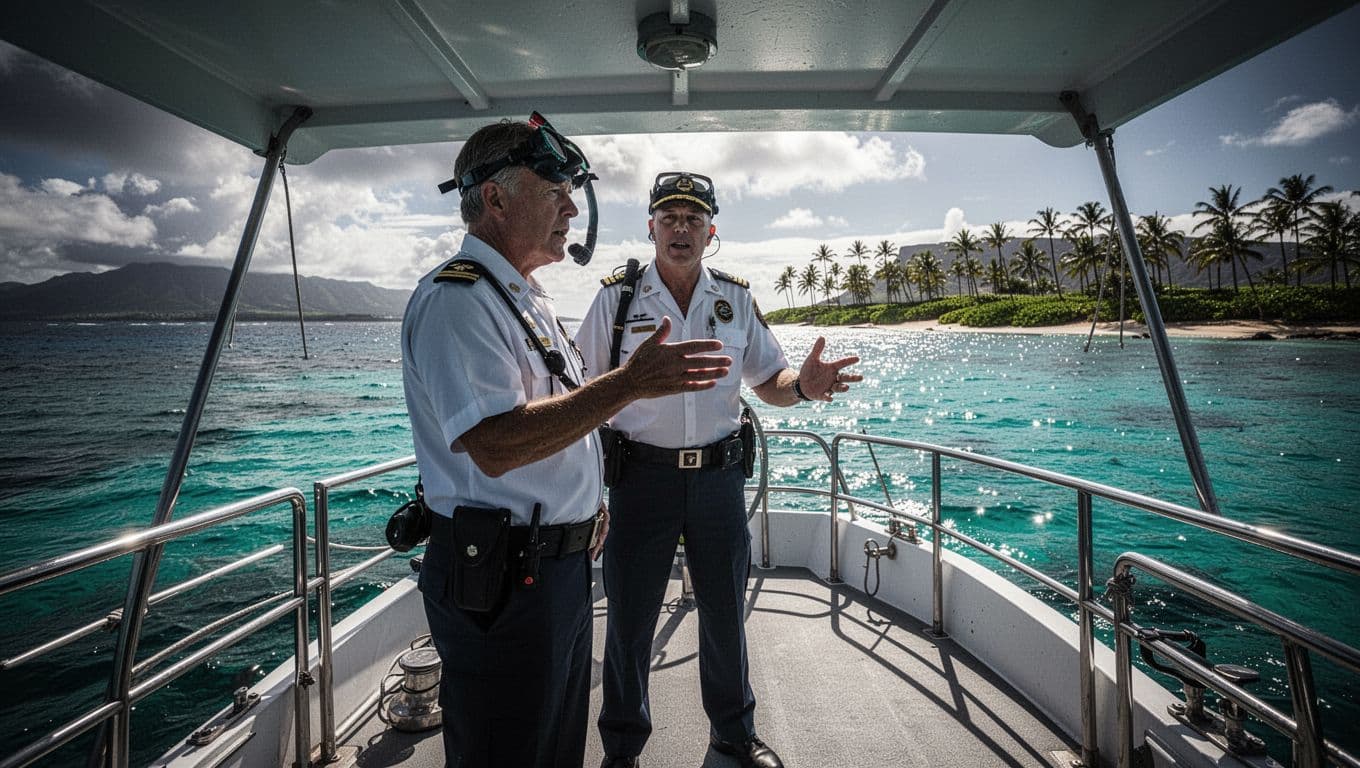
The safety talk is not background noise. It gives you the information you’ll need when the engine, wind, waves, and other swimmers make communication harder.
Listen for the location of life jackets, flotation devices, exits, handholds, and emergency equipment. Pay attention to the correct way to use the boarding ladder. The crew may also explain where to wait, how to enter the water, and what signal means that you should return to the boat.
Every operator has its own procedures. Follow the instructions given on your trip instead of relying on what you did on a different boat or beach. Conditions can change during the outing, so the captain may adjust the route, entry point, or time in the water.
Don’t wear headphones during the briefing or while moving around the vessel. You need to hear instructions, warnings, and changes in the plan. Keep conversations low while the crew speaks, especially when children or guests who are new to snorkeling are trying to listen.
If you don’t understand a direction, ask for clarification. The crew would rather repeat an instruction than watch you guess near a ladder or in the water. You can also ask where to place a camera, when to remove fins, or how to signal for help.
Enter and Leave the Water With Awareness
Water entry is where deck courtesy becomes especially important. Wait for the crew’s signal, then move when there’s a clear opening. Rushing toward the ladder can create a bottleneck and increase the chance of slipping.
Use the handholds and ladder exactly as shown. Keep fins in the position the crew recommends, and don’t block the steps while adjusting a mask. Once you’re in the water, move away from the ladder so the next guest has room to enter.
Never jump from a boat unless the crew specifically allows it and explains where to land. A jump that looks harmless can put you above another swimmer, near the propeller area, or in water shallower than you expect.
In the water, keep your fins below the surface and use controlled kicks. Wide, fast kicks can hit another snorkeler or stir up sand near the reef. Maintain enough distance to see the people around you, especially when currents or waves move the group.
If your mask leaks, your snorkel feels uncomfortable, or you need help, signal the guide. Don’t swim directly into a cluster of guests while looking down at your equipment. Move to the side when possible, then get the crew’s attention.
The same care applies when you return. Approach the ladder only when it is clear, wait your turn, and climb without lingering on the steps. After boarding, move to the designated area so the next swimmer can exit safely.
If you lose a fin or another item, tell the guide rather than diving beneath other swimmers to retrieve it. A crew member can decide whether it is safe to recover. Your safety matters more than replacing a piece of gear.
Protect the Reef and Give Wildlife Space
Your best underwater behavior is calm, hands-off, and observant. Don’t touch coral, fish, turtles, rays, or other marine life. Avoid standing on the bottom, even when you feel tired or want to adjust your mask.
Coral can break under a fin or foot. A resting swimmer can also damage small organisms that are difficult to see from the surface. If you need support, use the flotation equipment provided or signal the guide for help.
Keep your distance from turtles and other animals. Don’t chase them, surround them, block their path, or try to make them swim toward your camera. Marine life may change direction without warning, so leave room for the animal and the swimmers nearby.
Never feed fish or throw anything into the water. Food changes natural behavior and can attract animals toward people. Loose objects, wrappers, and hair ties also become dangerous debris, so secure every item before entering.
When you’re snorkeling Big Island reefs, choose sunscreen carefully and avoid spraying products over the deck or near the water. A mineral, reef-conscious formula applied before boarding helps reduce runoff and keeps walking surfaces safer.
The basic principles are easy to remember: snorkeling etiquette guidance recommends avoiding contact with coral and marine life, along with feeding fish. Those rules protect the place you’re visiting and make the experience better for the next group.
The best wildlife encounter is one where the animal keeps its normal path and you leave with a clear view, not a physical interaction.
You should also respect site boundaries set by the crew. They may keep you away from shallow coral, active boat lanes, surge areas, or a section where conditions have changed. A guide’s decision can protect both guests and the reef.
Share the Experience Without Crowding Other Guests
A shared boat gives you company during the trip, but every guest has a different comfort level. Some people want to talk throughout the ride. Others want quiet time to watch the coastline or prepare mentally for the water.
Keep your voice at a reasonable level, especially during the safety talk and while the boat is underway. Avoid playing music from a phone unless the crew invites it. Sound travels across a small deck and can make it harder for others to hear instructions.
Photos are welcome when they don’t interfere with safety or another person’s experience. Hold your camera securely, stay clear of the ladder, and don’t place a camera in front of another guest’s face. If you want a group photo, ask before moving people or using someone else’s equipment.
Families can make the day easier by giving children one clear instruction at a time. Tell them where to sit, where to keep their hands, and when they can move. Keep small toys and loose objects stored so they don’t slide underfoot.
Couples and friends should also watch the shared space. Sitting close is fine, but blocking a passage, taking several seats for personal items, or holding gear in a walkway creates problems for everyone.
Guides often answer questions while helping guests fit equipment or enter the water. Give other passengers a chance to speak, and avoid monopolizing the guide during a short stop. If you have a detailed question, ask when the crew has finished the immediate safety task.
When the boat reaches the next location, gather your gear promptly. The crew may have limited time at each site, and a slow transition can shorten everyone’s swim. Good boat tour etiquette keeps the group moving without making anyone feel rushed.
Choose a Tour Format That Fits Your Needs
A shared boat tour is a good fit when you enjoy meeting other travelers, want a guided experience, and can follow a common schedule. You share deck space, equipment systems, water-entry procedures, and time at the snorkeling site.
A private trip may suit you better if your group needs a custom pace, extra space, or a route built around a special occasion. You still follow the captain’s safety and environmental rules, but the experience can focus more closely on your group’s preferences.
Kona Snorkel Trips builds its ocean outings around a “Reef to Rays” philosophy. The company has a five-star reputation and focuses on small-group service, guest safety, quality snorkeling equipment, and responsible reef practices. Lifeguard-certified guides lead the trips and help guests who need support with equipment, water entry, or confidence in the ocean.
That guidance matters on a shared deck. You don’t need to arrive as an experienced swimmer or know every piece of equipment. You do need to listen, ask questions, and respect the crew’s boundaries around the boat and marine life.
You can compare Big Island snorkeling tours before choosing the format that suits your group. If you decide to join a shared outing, check availability before your preferred travel date fills.
Make Every Shared Snorkel Trip Better
Boat tour etiquette starts with small choices. Arrive ready, keep your belongings contained, listen during the briefing, and move carefully around the ladder. In the water, give other swimmers room and let marine life remain undisturbed.
The deck is a shared space, so your habits affect more than your own comfort. When you stay aware of the crew, the boat, and the people around you, everyone gets more time to enjoy the reef.
The clearest water and best wildlife moments come with responsibility. Follow the instructions, protect the ocean, and leave the deck ready for the next guest.