
Boat Tour Back Pain: Seating Tips for a Better Day
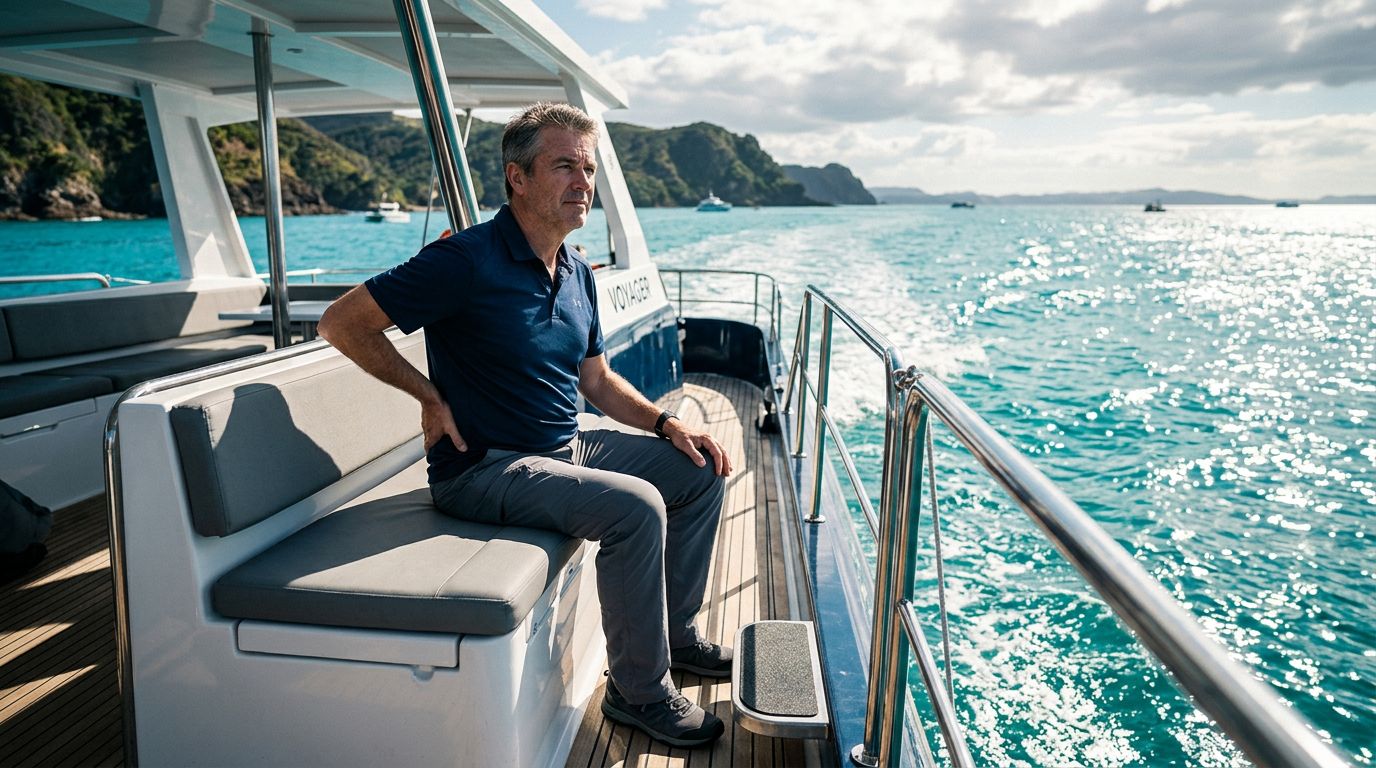
Boat tour back pain can turn a beautiful day on the water into a long ride home. A low bench, constant vibration, or an awkward boarding step can bother your back before you reach the snorkeling site.
If you deal with back pain, the right seat and a few simple choices can make a major difference. Ask about the boat layout before booking, support your lower back, move carefully, and tell the crew what you need. Start with the boat itself, then plan how you’ll sit, swim, and move.
Why Boat Tour Back Pain Often Starts Before You Board
Boat motion creates repeated adjustments in your body. Your back muscles work to keep you upright as the hull rises, drops, turns, and vibrates. A seat with no backrest makes that work harder, especially when you sit for a long ride.
The problem often increases when your feet can’t reach a stable surface. Your legs then brace against the deck, while your lower back absorbs the movement. Sitting on one hip or twisting toward the view can add more strain.
Boarding can also challenge a painful back. You may step down into the boat, turn through a narrow passage, or carry snorkeling equipment while holding a rail. Ask the crew for help before you lift gear or make a difficult step. A careful transfer is safer than trying to prove you can manage alone.
If you’re considering Kona Snorkel Trips, ask about the seating layout when you book. The company operates small-group ocean adventures from Honokohau Marina, with a private dock that makes boarding easier than using a crowded launch ramp. Lifeguard Certified guides provide safety briefings, help with equipment, and can explain the safest way to move around the boat.
Kona Snorkel Trips follows a “Reef to Rays” philosophy, combining personal service with responsible ocean practices. You can review the available Big Island snorkeling tours and ask which option fits your mobility needs.
Choose a Boat Seat That Supports Your Lower Back
Your best seat is usually the one that lets you keep your hips square, your back supported, and your feet steady. Comfort isn’t only about padding. A thick cushion won’t help much if you slide forward or can’t brace your feet.
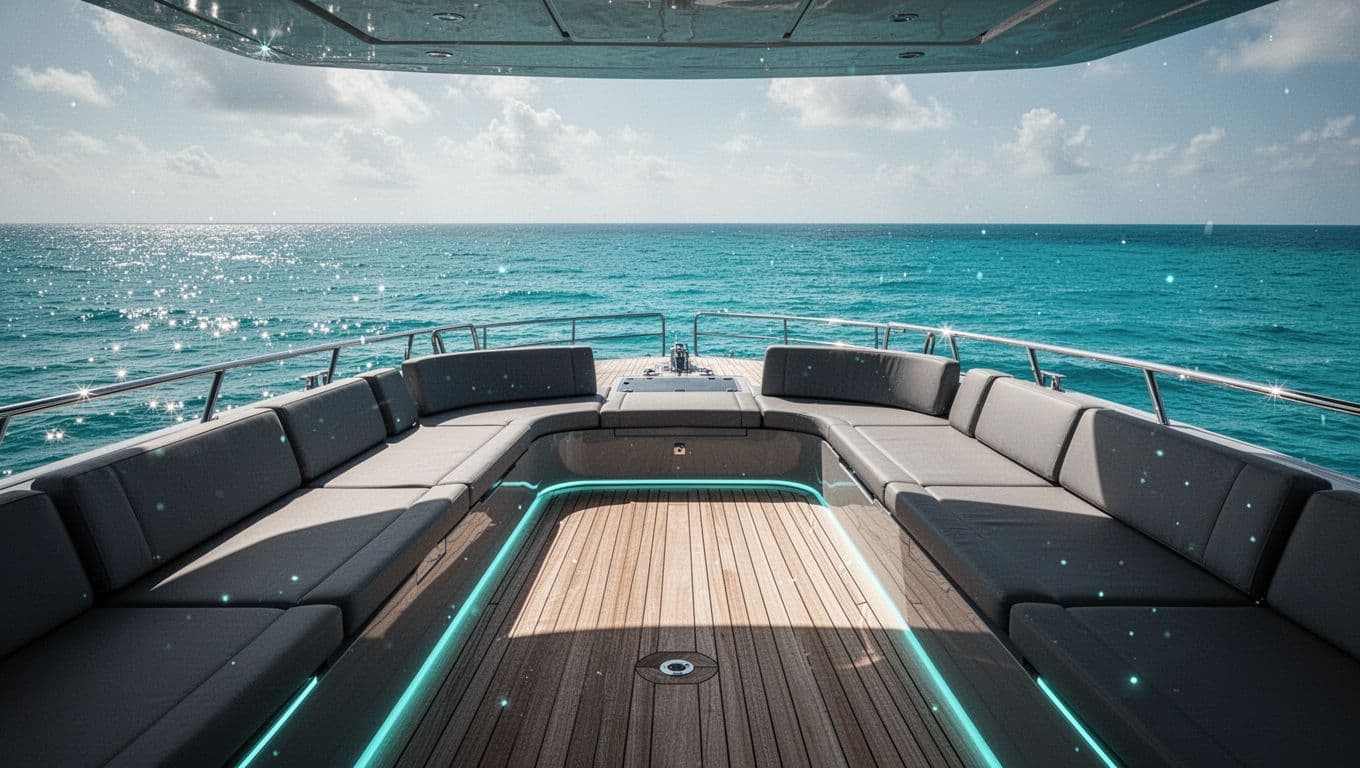
Look for support and room to adjust
Before you reserve a trip, ask whether the boat has:
- A padded bench or individual seat with a backrest.
- Enough depth to sit with your hips fully supported.
- A firm deck or footrest for both feet.
- Space to change position without blocking another guest.
- A handrail close to the seating area.
- A boarding point that doesn’t require a high step or deep crouch.
A seat near the middle of the boat often produces less pitching than a seat at the bow or stern. However, each vessel handles differently. Ask the operator which area feels most stable on the planned route.
Use this quick comparison when you discuss options with a tour company:
| Seating option | Why it may help | What to check |
|---|---|---|
| Padded bench with backrest | Supports your torso during the ride | Make sure your feet reach the deck |
| Center-side seat | May reduce the effect of pitching | Check whether you need to twist to see the water |
| Open deck cushion | Gives you room to change position | Confirm that it won’t slide |
| Bow seat or raised front perch | Offers a clear view | Greater motion may increase discomfort |
| Narrow side ledge | May have little lumbar support | Ask whether another seat is available |
A center seat with a backrest is often a sensible starting request. If you need to watch the horizon because of motion sickness, a forward-facing seat with a clear view may also help. Balance both needs, and ask the crew which position works best for the boat’s design.
Avoid seats that force a slouched posture
Low benches can push your knees up and roll your pelvis backward. You may then round your lower back for the entire ride. Hard gunwales and narrow ledges create a different problem because they offer little support and can press into your hips.
Don’t sit on a life jacket, fins, or a dry bag as a makeshift cushion. Those items can shift under you and leave your pelvis uneven. Instead, ask whether the boat has a stable cushion or bring a small lumbar roll that won’t slide.
If the vessel uses jockey-style seats, ask how you will support your back and feet. These seats can work well for some passengers, but they may not suit you if you need a full backrest or have trouble sitting upright without support.
Prepare for the Ride Before You Leave the Dock
Good boat tour back pain prevention starts before the trip. If you already have a diagnosed back condition, follow the plan from your healthcare professional. A tour isn’t the right place to test a new brace, medication, or exercise.
Gentle movement can help you avoid arriving stiff. Take a short walk, perform the stretches you already know are safe, and avoid aggressive bending before boarding. Boating guidance also recommends stretching before a trip, changing positions, and choosing supportive seating, as outlined in these boating back-pain tips.
Pack light, but bring the items that help you maintain a neutral position:
- A small lumbar cushion or rolled towel.
- A light cover-up that won’t bunch behind your lower back.
- Water and a simple snack.
- Any prescribed medication you normally carry.
- Shoes with secure soles for boarding and deck movement.
Keep your support item small enough to store safely. Loose bags can become trip hazards, while an oversized cushion may interfere with another passenger. Tell the crew about it before departure so they can suggest the safest place to use it.
Avoid taking a new pain medicine immediately before a boat trip without checking with a doctor or pharmacist. Some medicines can cause drowsiness, dizziness, or poor balance. You need to stay alert while boarding, walking on deck, and entering the water.
A sitting posture guide from Virtua Health also emphasizes proper posture, regular movement, and gentle stretching. Those principles apply on a boat, but safety comes first. Never stand or stretch on a moving deck unless the crew tells you it is safe.
Boat Tour Back Pain: How to Sit and Move on Board
Even the most supportive seat won’t protect your back if you stay twisted or brace against every wave. Use the following approach once you’re seated.
- Sit with your hips all the way back. Keep your weight balanced across both sitting bones instead of leaning to one side.
- Place both feet on a stable surface. Your feet should help you stay balanced, not grip the deck with your toes.
- Keep your shoulders facing the direction of travel. Turn your whole body when you need to look behind you. Repeated trunk rotation can irritate a sensitive back.
- Use the backrest without collapsing into it. Let it support your torso while keeping your head and shoulders relaxed.
- Change position before discomfort becomes sharp. If the crew allows it, shift your feet, adjust your lumbar support, or move to another safe seat during a calm stretch of water.
Try not to lock your knees or hold your breath when the boat moves. A relaxed posture gives your body more room to respond. When the boat hits a wake, keep your feet planted and let your legs absorb some movement instead of stiffening your lower back.
Stand only when the crew gives you a safe opportunity. Hold a rail with one hand, keep your other hand free, and face the direction you are moving. Take short steps. If you need to climb a step, place your whole foot on it before shifting your weight.
Tell the guide if your pain changes. You don’t need to wait until it becomes severe. Crew members can help you move, adjust your position, or decide whether you should stay seated during a rough patch.
For more general guidance on posture, breaks, and sitting support, see this resource on preventing back pain while sitting. A boat adds motion, so you should apply the advice with extra attention to balance and handrails.
Seating Tips for Snorkeling Big Island Hawaii Tours
A snorkeling trip has two separate comfort challenges: the ride and the time in the water. You may feel fine while seated, then strain your back while carrying fins, climbing a ladder, or arching your neck to look below the surface.
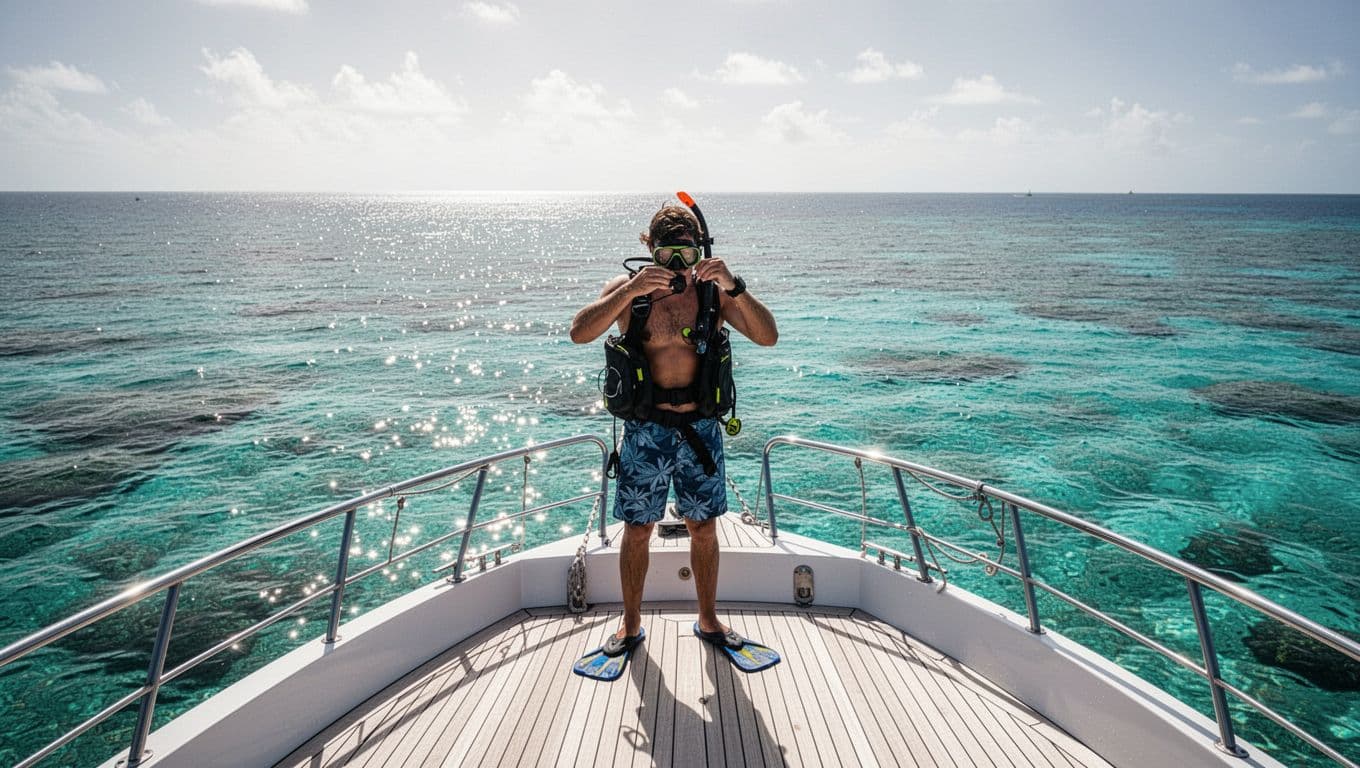
When snorkeling Big Island Hawaii waters, ask whether you can put on your mask and fins while seated. Avoid bending over from the waist to adjust equipment on the deck. Bring the gear to your seat, keep your back supported, and ask a guide to check straps or fittings.
You should also avoid sitting directly on stored equipment. Fins, tanks, bags, and flotation devices can create uneven pressure under your hips. Keep them beside you or in the storage area designated by the crew.
Entering the water requires another plan. Use the ladder while facing it, keep your body close to the rails, and climb one step at a time. Don’t twist to talk with someone behind you while lifting a leg onto the ladder. If you need assistance, say so before you enter.
Once you’re snorkeling, keep your neck in a comfortable position. Looking straight down for a long time can make you arch your lower back or strain your neck. Turn your body with your gaze, and take breaks by floating or holding the approved support equipment when the crew permits it.
Your kick should come from your hips and legs rather than a repeated snap through your lower back. If you feel pain, weakness, tingling, or unusual fatigue, return to the boat and tell the guide. You don’t have to stay in the water to prove you can finish.
People who want to snorkel Big Island reefs often focus on visibility and marine life first. Add boat access, seat support, ladder design, and rest options to that list. The best outing is one that lets you enjoy the water without ignoring your body’s warning signs.
Match Your Seat to the Type of Kona Boat Tour
Different itineraries place different demands on your back. A calm reef trip, a night excursion, and a longer coastal ride may require different seating choices.
Manta ray night snorkeling
A manta ray night tour adds low light, cool evening air, and an in-water viewing period. You may spend time holding an approved float or lighted board while keeping your body aligned at the surface. If you arch your back to keep your face above the water, fatigue can build quickly.

Ask where you’ll sit during the ride, how you will enter the water, and whether you can remain on board if your back becomes uncomfortable. Kona Snorkel Trips uses custom-built lighted boards for nighttime encounters and Lifeguard Certified guides who provide safety instructions. Review the requirements on the manta ray night snorkel Kona page before booking.
The tour page notes that guests without additional flotation must be able to swim 50 yards and have prior snorkeling experience. If your back affects your swimming, kicking, or ability to climb a ladder, discuss that limitation with the operator before reserving a spot.
You can check availability after confirming that the seating and water-entry plan fit your needs.
Kealakekua Bay and Captain Cook snorkeling
A trip to Kealakekua Bay may suit you if you prefer a scenic ride and a protected marine sanctuary. Still, ask about the length of the boat ride, the seat back, and the steps required at the launch point. Conditions can change, so a guide’s advice matters more than a general promise of a smooth ride.
The Captain Cook snorkel tour includes access to the waters near the historic monument, along with guided information about marine life and local history. Captain Cook Snorkeling Tours also provides information for guests planning a Kealakekua Bay outing, so you can review Captain Cook tour details before choosing a departure.
If your back becomes sore during the ride, ask whether you can change seats during a calm period. During snorkeling, use the same rule as any other excursion: keep your neck and spine comfortable, take breaks, and leave the water when pain increases.
You can check avaialbility for a Captain Cook snorkeling trip after discussing mobility needs with the operator.
Whale watching and private outings
Whale watching can be a comfortable choice if you want to remain seated for most of the trip. You still need a stable seat and a clear view, because repeatedly standing, leaning over rails, or twisting toward sightings can irritate your back.
A private charter may give you more flexibility with seat changes, rest periods, and the pace of the day. Ask whether the crew can recommend a calmer route or adjust the itinerary if your symptoms change. A flexible plan is useful when your comfort needs differ from those of the rest of your group.
Questions to Ask Before Booking
A quick phone call can prevent a painful surprise. Ask direct questions and describe what you can and can’t do without exaggerating your ability.
Use these questions:
- Does the boat have padded seats with backrests?
- Which seats experience the least motion on this route?
- Can I change seats during the ride?
- How high are the boarding steps, and are handrails available?
- Can a crew member help with snorkeling gear?
- Will I need to stand, squat, or climb while the boat is moving?
- What happens if I decide not to enter the water?
Ask about the actual boat, not only the tour name. Operators may use different vessels on different days. A description such as “comfortable seating” doesn’t tell you whether you’ll have lumbar support, foot space, or room to adjust your posture.
Share relevant details privately with the guide before departure. You can mention a history of surgery, limited bending, difficulty with stairs, or pain that worsens with vibration. The crew can only help with information you provide.
If your pain includes numbness, leg weakness, loss of bladder or bowel control, fever, or a recent serious injury, seek medical advice instead of treating a boat trip as a test. During the excursion, return to the boat and notify the guide if you develop sudden or worsening symptoms.
Conclusion
Boat tour back pain is easier to manage when you plan for support before you arrive. Choose a seat with a backrest and stable foot position, request a central location when appropriate, move carefully, and ask for help with gear and boarding.
Your snorkeling plans should include more than the reef, bay, or wildlife you hope to see. When your seat, transfer plan, and in-water technique fit your body, you can spend more time enjoying Hawaii’s coast and less time guarding your back.