
Morning or Afternoon for a Big Island Snorkeling Tour?
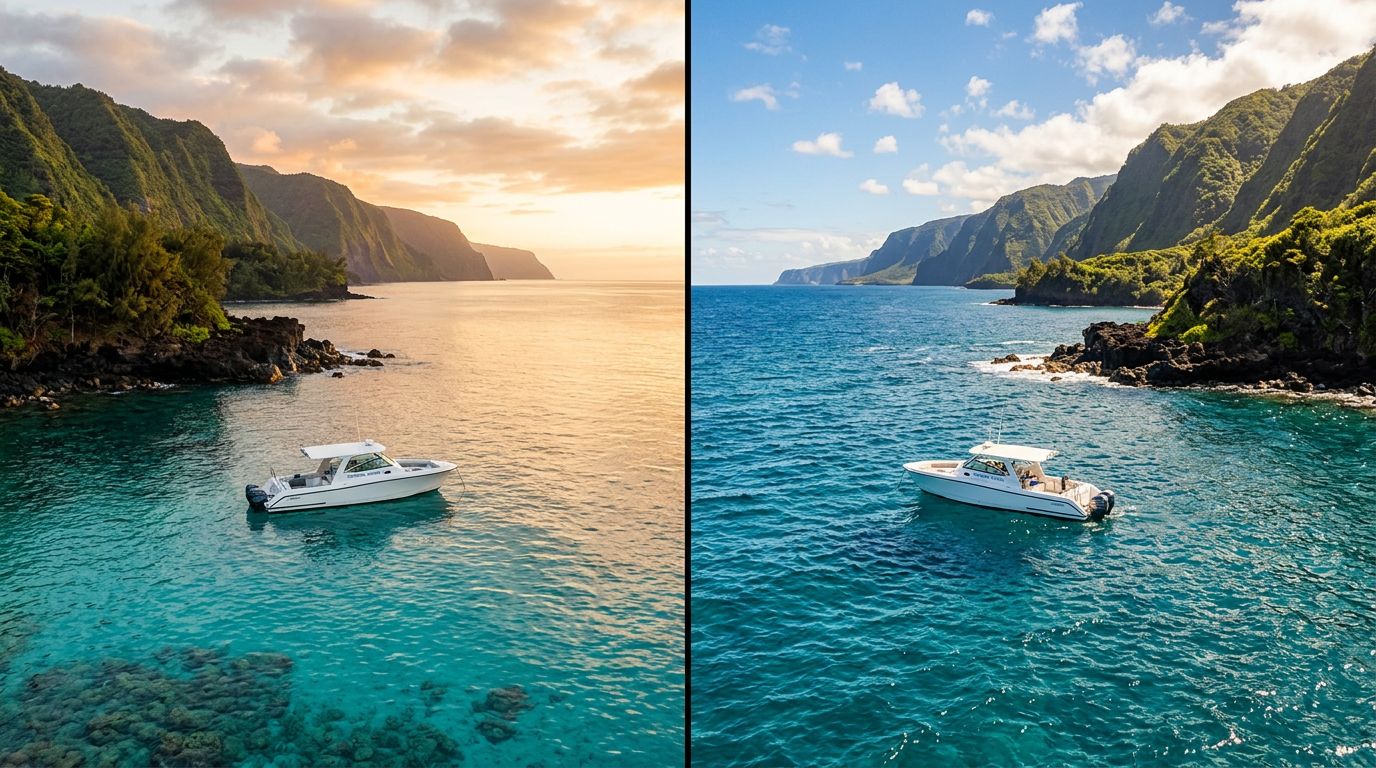
Choosing the right Big Island snorkeling tour time can shape your entire day on the water. Morning trips often bring calmer surfaces and clear light, while afternoon departures give you a slower start and more flexible vacation schedule.
If you’ve searched for “snorkeling Big Island Hawaii,” you’re probably comparing more than departure times. You also need to consider wind, visibility, your group’s comfort, the destination, and what else you want to do that day. For most first-time visitors, morning has a slight advantage, but an afternoon boat tour can be a great fit in the right conditions.
Morning or afternoon for a Big Island snorkeling tour?
For many visitors, a morning snorkel trip is the safest choice for reliable conditions. The ocean often starts calmer before winds build later in the day, and you have plenty of time afterward for lunch, sightseeing, or a second activity.
An afternoon tour still makes sense when you prefer a relaxed morning, have young children who need extra sleep, or want to pair snorkeling with a sunrise hike or other early activity. The best choice depends on how you want your day to feel.
Kona Snorkel Trips departs from Honokohau Marina, between downtown Kailua-Kona and the airport. The company has its own dock, which makes boarding easier than dealing with a crowded launch ramp. You can wait under a shaded awning before departure, then join a small-group trip led by Lifeguard Certified guides.
The operation follows a “Reef to Rays” philosophy. Guides focus on guest safety, quality equipment, local marine education, and reef-safe practices. You get a personal experience rather than the feel of a large, impersonal boat excursion. Kona’s marine life also gives you plenty to look for, and Divers Alert Network’s Kona overview describes the area as having a high rate of endemic marine fish and invertebrates.
If you want a guided trip with a convenient harbor departure, you can explore Big Island snorkeling tours before choosing your date.
Why morning tours often get the edge
Morning departures usually offer the most predictable starting point. Overnight winds have often eased, and the water may have a smoother surface before afternoon breezes affect the coastline. A calm surface makes it easier to enter the water, adjust your mask, and relax into your first few minutes of snorkeling.
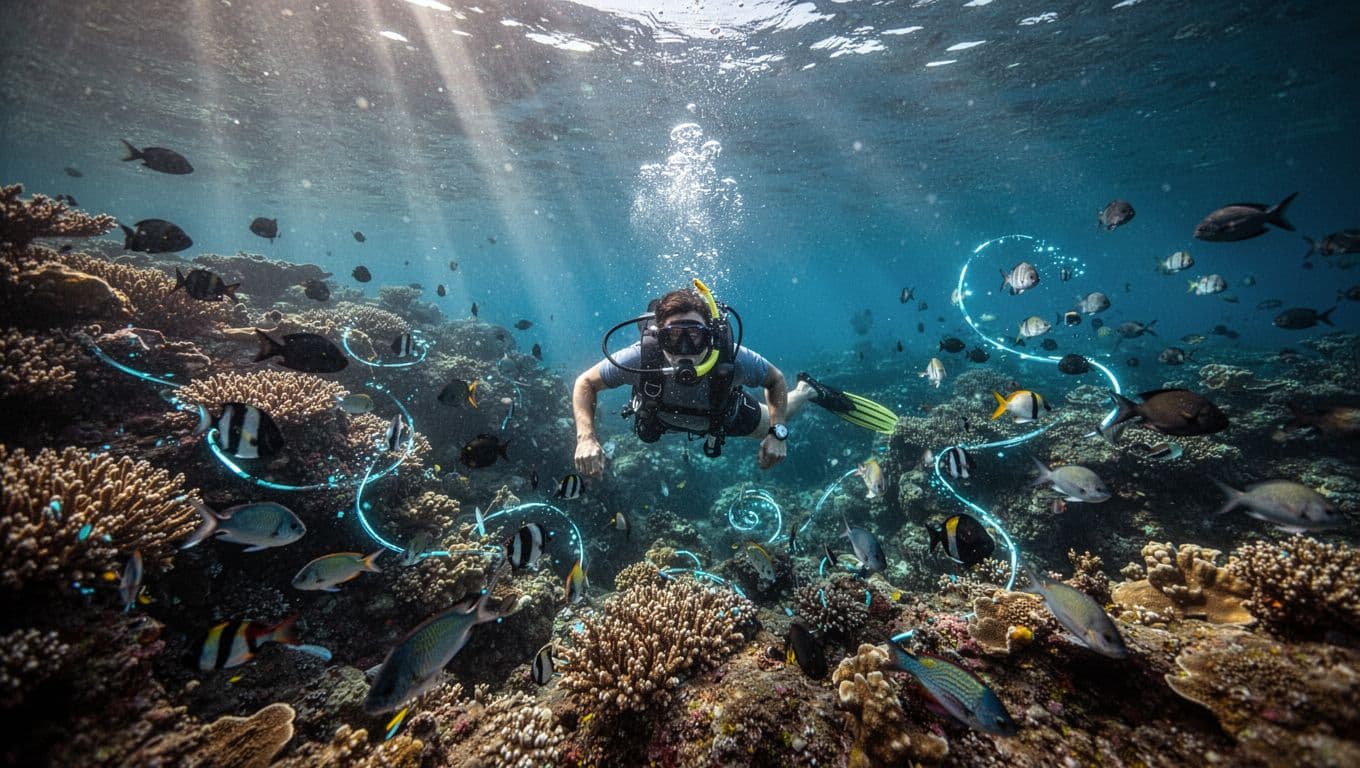
Morning sunlight also gives you strong visibility over the reef. Sun angle changes through the day, but early light can create excellent conditions for seeing fish, coral formations, sea turtles, and the volcanic contours beneath the boat.
A morning departure doesn’t guarantee perfect water, but it gives you an earlier chance to use the day’s calmest window.
A morning tour works especially well if this is your first ocean activity on the island. You can learn how your body responds to the boat and salt water before committing to another marine excursion. If you experience motion sickness, an early trip may also be easier when you eat a light breakfast and take any medication recommended by your doctor before boarding.
Families often prefer morning trips because children tend to have more energy early in the day. You also avoid rushing back to the hotel for an afternoon nap or dinner reservation. Once the tour ends, you can spend the rest of the day at a beach, visit a coffee farm, or explore Kailua Village.
Morning timing helps when you want to visit a popular snorkeling destination such as Kealakekua Bay. The trip to the bay takes planning, so an early departure leaves room for a full experience without making the rest of your day feel cramped.
There is one trade-off. You may need to wake up early, arrive at the marina before everyone feels ready, and organize breakfast around the departure time. For many travelers, that inconvenience is small compared with having the afternoon open.
When an afternoon boat tour fits better
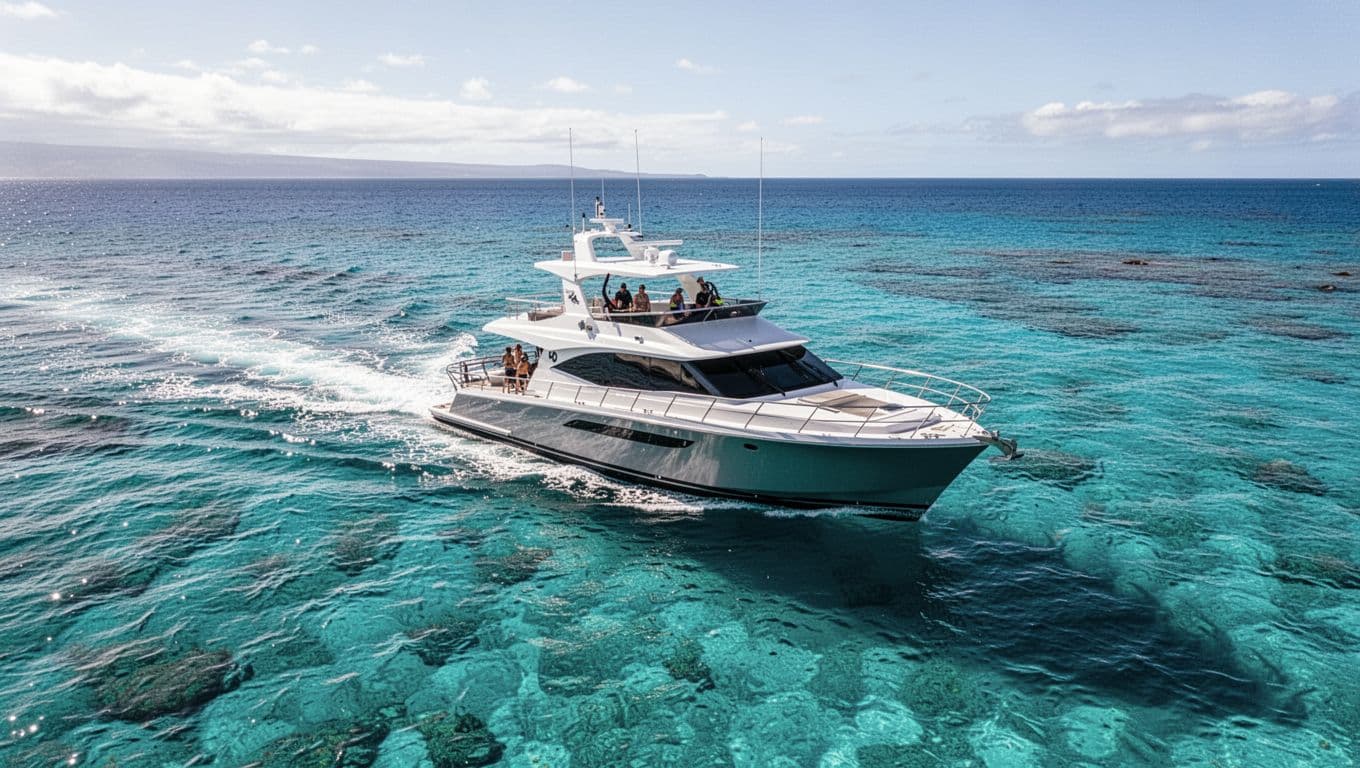
Afternoon snorkeling works well when you don’t want your vacation to begin with an alarm. You can eat breakfast slowly, enjoy coffee at your hotel, and arrive at the harbor without squeezing everything into the first hours of the day.
Couples often choose afternoon trips when they want a leisurely morning together. The same schedule can help adventurous travelers who plan a dawn hike, a scenic drive, or a visit to a farmers market before heading to the coast.
Water temperatures don’t change dramatically between morning and afternoon, so you shouldn’t choose based on warmth alone. The bigger variables are wind, clouds, surface chop, and how much time you want after the boat returns.
Afternoon light can be beautiful over the Kona coastline. Sunlight reaches the reef at a different angle, and the cliffs, lava shoreline, and open Pacific can take on a warmer appearance. Photographers may enjoy those changing colors, although underwater visibility still depends on daily conditions.
The main concern is that wind can increase later in the day. Trade winds and local weather patterns don’t follow a strict schedule, but afternoon water can become choppier. That may matter if you are a nervous swimmer, prone to seasickness, or traveling with a child who has never snorkeled before.
Cloud cover can also affect how bright the reef looks. A cloudy afternoon may still provide excellent snorkeling, but the underwater scene may appear less vivid than it does under direct sun. A professional crew checks conditions and chooses safe locations, so the operator’s judgment matters more than a simple morning-versus-afternoon rule.
An afternoon trip also gives you a natural end-of-day option. You can return to shore, shower, and enjoy dinner without planning another major activity. If snorkeling is the main event of your vacation day, that slower rhythm can feel ideal.
Morning vs. afternoon snorkeling at a glance
This comparison can help you make a quick decision before you book.
| Factor | Morning tour | Afternoon tour |
|---|---|---|
| Surface conditions | Often calmer at the start of the day | May become windier later |
| Visibility | Early light can support clear reef viewing | Sun angle and clouds create changing conditions |
| Best for | Families, first-time snorkelers, full-day plans | Late risers, couples, flexible schedules |
| Schedule | Requires an earlier start | Leaves the morning open |
| Seasickness | May offer a smoother starting window | Can be less comfortable if chop develops |
| After the trip | Plenty of time for other activities | Easy transition into dinner and evening plans |
The table offers a useful general guide, not a promise. Kona weather can change quickly, and a calm afternoon can be better than a rough morning. Ask the operator about the current forecast, expected wind, and planned snorkeling location before you choose.
If you have only one day for snorkeling, morning usually gives you more flexibility. If your schedule already includes an early activity, afternoon may be the more comfortable choice.
The destination matters as much as the departure time
The question isn’t only whether you should snorkel in the morning or afternoon. You should also ask where the boat is going and how much time you want on the water.
Kealakekua Bay and the Captain Cook monument
Kealakekua Bay is one of the most popular snorkeling destinations on the Kona Coast. The bay has clear water, reef habitat, dramatic cliffs, and the historic Captain Cook monument along the shoreline.
A trip to this area can take up a larger part of your day than a short reef outing near the harbor. Morning departures are helpful if you want a relaxed schedule and time to appreciate the coastline. An afternoon trip can work too, especially if you prefer a later start and don’t plan another major activity afterward.
With Kealakekua Bay snorkeling trips, you can expect a guided experience that combines time in the water with views of sea caves, lava cliffs, and the bay’s history. Guides can help you identify marine life and adjust the experience for different swimming abilities.
For a Captain Cook or Kealakekua Bay outing, review the departure time, trip length, equipment details, and cancellation policy before booking. The right tour is one that fits your energy level and the rest of your itinerary.
You can check avaialbility for a Captain Cook snorkeling trip with Kona Snorkel Trips.
Reef trips and private boat charters
A shorter reef-focused excursion may be a better fit when you want less travel time and more time swimming. Morning tours can help you reach the water before the surface gets busy or windy. Afternoon reef trips may suit you if your hotel, flight, or other plans make an early start difficult.
A private charter gives you more control over the day. If your group includes strong swimmers, young children, grandparents, or people who want to spend extra time at one location, a private trip can be easier to tailor. You can ask about preferred departure times, snorkeling pace, and destinations when you make the reservation.
Kona private boat charters are designed for families, couples, and groups that want a more personal outing. You won’t need to organize your day around the preferences of a large group, although weather and safety decisions still belong with the captain and crew.
Manta rays are a separate night experience
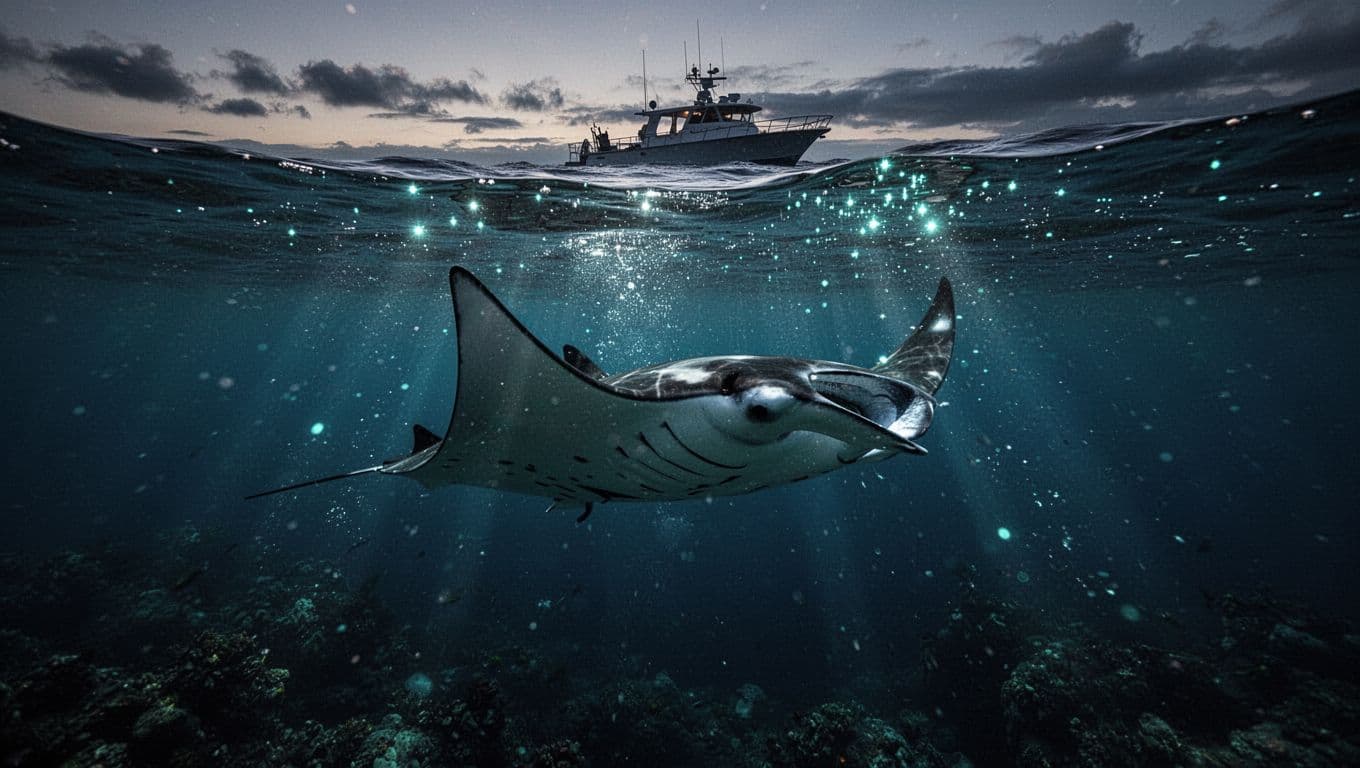
Manta ray snorkeling doesn’t fit neatly into a morning-versus-afternoon comparison. The activity takes place after dark, when lights attract plankton and manta rays glide through the illuminated water.
Kona Snorkel Trips offers a dedicated manta ray night snorkel in Kona. This is a different experience from daytime reef snorkeling, so you may want to schedule a morning or afternoon reef trip on one day and the manta excursion on another.
For a separate nighttime option, Manta Ray Night Snorkel focuses on manta encounters off the Kona Coast. The experience requires different gear, timing, and preparation than a daytime boat trip.
You can check availability for a Kona Snorkel Trips manta ray night tour.
Choose the time that fits your travel group
Your group may give you the answer before the forecast does.
A morning trip is usually the better fit when you have young children, limited swimming experience, or a full afternoon itinerary. You can complete the water activity while everyone has energy, then keep the rest of the day flexible. Early departures are also useful when you want a second chance at the beach or pool after snorkeling.
An afternoon tour may suit you when your group values sleep, breakfast, or a relaxed hotel morning. Couples often appreciate having time for coffee and a walk before boarding. Adventurous singles may choose afternoon snorkeling after an early hike or a long drive along the coast.
When you travel with people who have different abilities, ask how the crew handles flotation, mask fitting, and water entry. A good guide should explain the plan before you leave the dock and provide help without making less-confident swimmers feel uncomfortable.
If someone in your group has motion sickness, don’t hide that information. Tell the crew before departure, eat lightly, stay hydrated, and follow medical advice about medication. Sit where the captain or guide recommends, and keep your eyes on the horizon when the boat is moving.
For snorkeling Big Island waters, comfort matters as much as the calendar. A time that leaves you rested and relaxed can produce a better experience than a theoretically perfect departure that leaves you rushed.
Consider the season and pack for the conditions
Kona snorkeling is possible throughout the year, but seasonal weather can influence your choice. During the winter months, humpback whales visit Hawaiian waters. Kona Snorkel Trips offers seasonal whale watching tours between December and March, with morning and afternoon departure options listed for some trips.
If whale watching interests you, you can also check availability for a Kona whale cruise. Keep in mind that whale watching is a separate activity from reef snorkeling, even when both take place on a boat.
Wind and swell can vary by day, month, and location. A sheltered coastline may remain comfortable while another area has rougher water. Your captain may change the route or snorkeling site if conditions shift. That flexibility is a positive sign because the crew is putting safety ahead of a fixed itinerary.
Pack light, practical items for either departure time:
- Bring a swimsuit, reef-safe sun protection, a towel, and a dry change of clothes.
- Wear a rash guard if you burn easily or plan to spend a long time in the water.
- Use a waterproof phone case or leave expensive electronics ashore unless the crew recommends a safe camera setup.
- Eat a light meal before boarding and bring water if the operator permits it.
- Take a warm layer for the boat ride back, especially when wind picks up.
A search for “snorkel Big Island” may show many tour choices, but equipment and safety support can vary. Before you reserve, confirm whether the trip includes masks, fins, flotation, instruction, and a crew member in the water.
What a quality guided trip should include
A good snorkeling boat tour should make the experience easier before you ever enter the ocean. You should receive clear check-in instructions, a safety briefing, properly fitted equipment, and honest information about the day’s conditions.
Kona Snorkel Trips uses high-quality snorkeling gear and guides who hold Lifeguard Certification. Small groups allow guides to answer questions, watch swimmers more closely, and share information about the reef and marine animals without shouting over a crowded deck.
The crew also follows reef-safe practices. You should avoid touching coral, standing on the reef, chasing wildlife, or feeding fish. Keep your fins away from the bottom and listen when your guide explains how to enter and exit the water.
Responsible snorkeling protects the places you came to see. It also makes the trip more comfortable for other swimmers and reduces stress on marine life.
When you compare operators, look past dramatic photos and focus on practical details. Check the departure harbor, boat size, group style, guide credentials, included equipment, and communication before booking. Those details tell you more about the experience than a broad claim about having the best snorkeling.
Conclusion
For most travelers, a morning boat tour is the stronger choice for a first snorkeling day on the Big Island. You often get an earlier window for calm water, bright reef viewing, and a flexible afternoon.
An afternoon trip remains a smart option when you value a slower morning or need to work around other plans. Your destination, group comfort, weather, and the quality of the guide matter as much as the clock.
Choose the departure that lets you reach the water rested, prepared, and ready to enjoy the reef. That is the timing choice most likely to turn your Big Island snorkeling tour into a highlight of your Hawaii trip.