
Big Island Snorkeling for Travelers Afraid of Fish
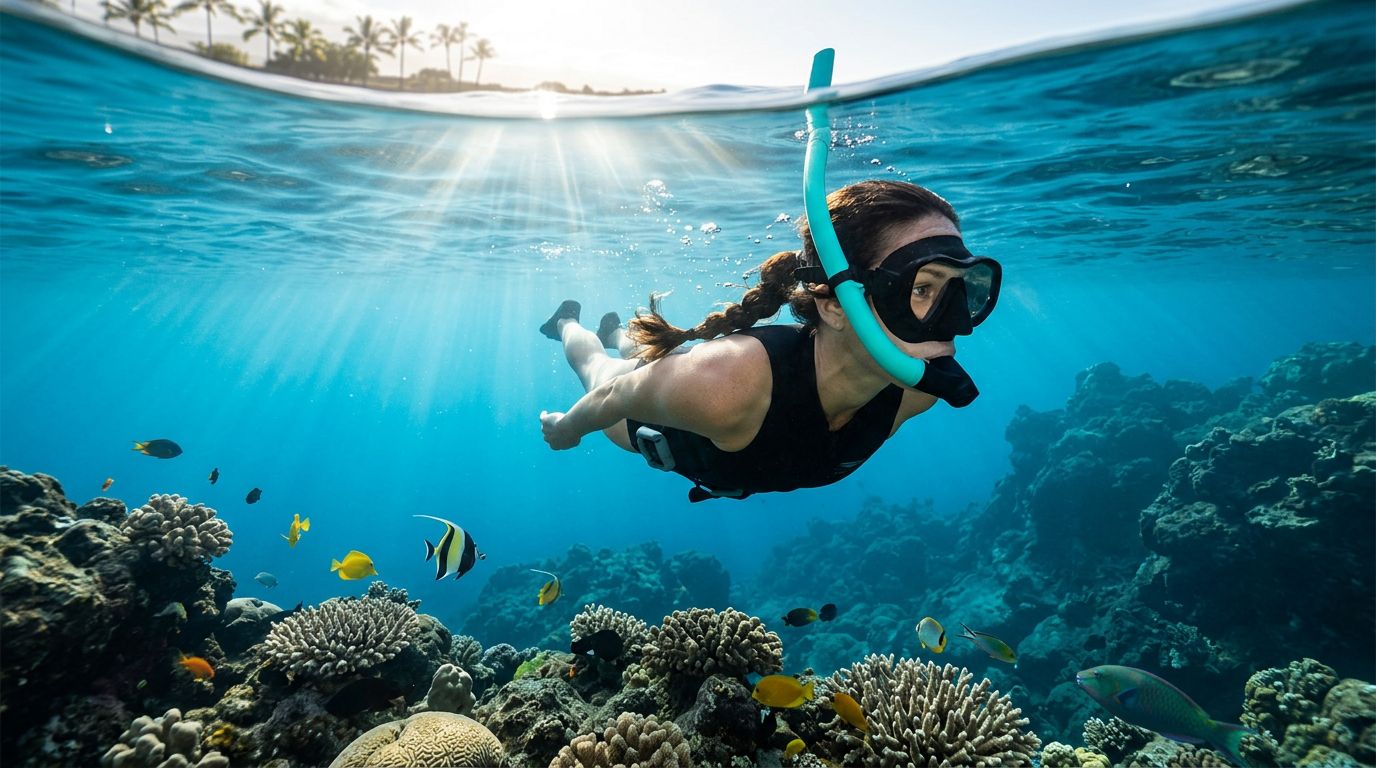
A fish swimming toward your face can turn an exciting vacation plan into a hard no. Yet Big Island snorkeling can feel calm, controlled, and surprisingly manageable, even if you dislike fish.
Kona Snorkel Trips gives you a small-group way to enter the water with professional guidance, quality gear, and clear expectations. The right location, time of day, and first few minutes can make a bigger difference than your swimming experience.
Big Island snorkeling can feel comfortable even if fish scare you
Fear often grows before you enter the water. You picture fish appearing from every direction, brushing against your legs, or moving too close to your mask. Underwater, though, most reef fish keep their distance and focus on food, shelter, or their own territory.
You don’t need to become a fish enthusiast to enjoy snorkeling. Your first goal is smaller: breathe calmly, stay near your guide, and decide how close you want to look.
Hawaii’s clear water helps because you can see what is around you. Murky water leaves more room for your imagination. In a clear Kona cove, you may notice a fish several feet away before it comes anywhere near you. That warning gives your body time to settle.
You also have control over your position. You can stay near the boat, remain in shallow water, use a flotation aid when available, or return to the ladder. A guided trip should never pressure you to swim farther than feels safe.
Separate the animal from the alarm
A colorful yellow tang may look intense when you first see it. However, reef fish are generally interested in algae, coral shelter, or other fish. They aren’t looking for people.
Your nervous system may react before your thinking brain catches up. A sudden shape can feel threatening even when the animal is harmless. Slowing your breathing gives you time to identify what you see instead of reacting to the first flash of color.
Try looking at the reef from the surface before putting your face in the water. Watch how fish move. Notice that they follow the coral rather than tracking swimmers. This simple observation can reduce the sense that the animals are waiting for you.
Set a personal stopping point
Choose your stopping point before the boat reaches the snorkeling site. You might decide to sit on the swim step, float for two minutes, or look through your mask without putting your face underwater.
That decision protects you from feeling trapped. You can always continue if you feel comfortable, but you don’t have to prove anything to the group.
Snorkeling Big Island Hawaii starts with a calm plan
Conditions shape your experience. A calm morning in a protected area usually feels easier than an exposed site with wind, chop, or a strong current.
Kona’s western coast often offers favorable snorkeling conditions, but the ocean changes each day. Your captain and guide should review the forecast, water movement, visibility, and entry conditions before choosing a site.
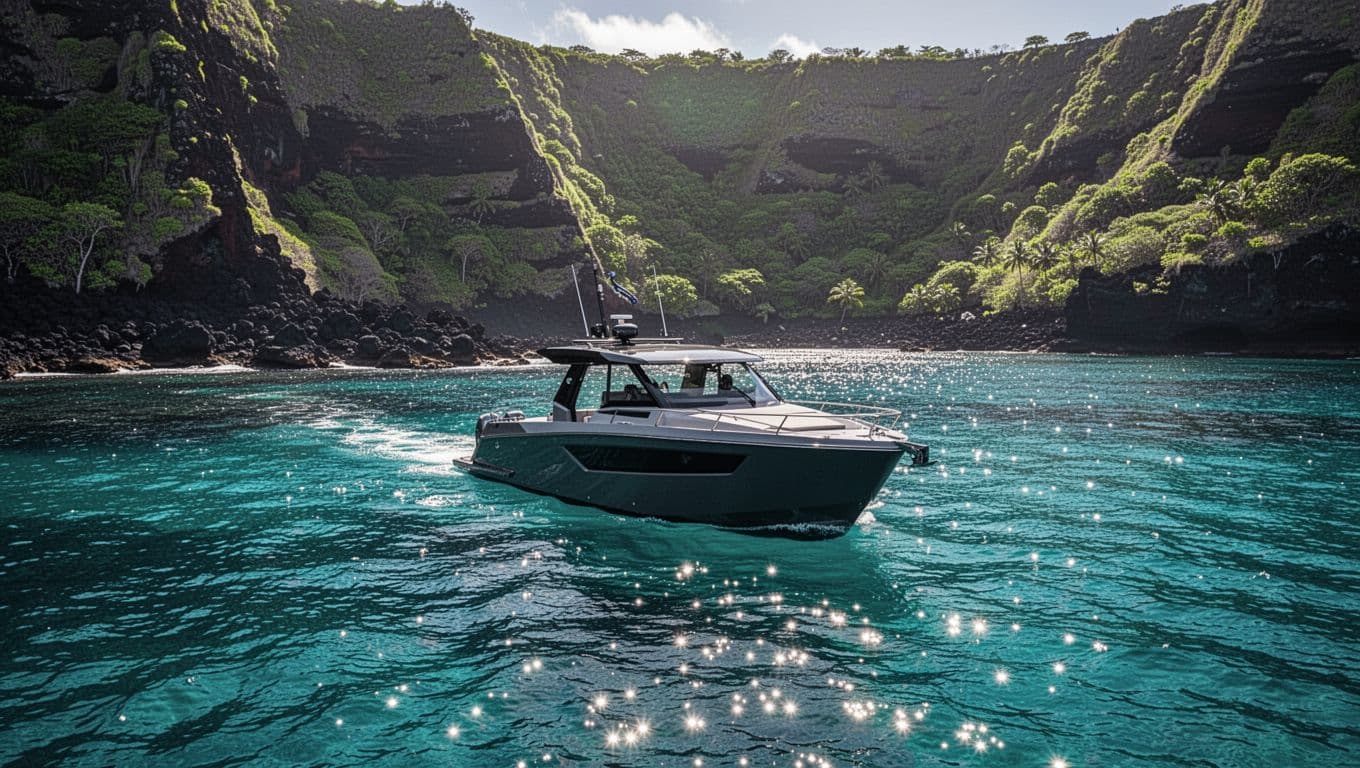
If you want to snorkel Big Island waters with less stress, consider a guided boat trip instead of choosing a difficult shore entry. A boat can take you directly to a reef, and the crew can explain the safest way to enter and exit. You also avoid slippery lava, uneven footing, and the uncertainty of swimming out from shore.
Why a small guided group helps
Kona Snorkel Trips follows a “Reef to Rays” philosophy built around marine education, personal service, and responsible ocean use. Its Lifeguard Certified guides provide a safety briefing, help you adjust your equipment, and stay aware of each guest during the trip.
The company focuses on small-group experiences rather than crowded, impersonal outings. That matters when you’re nervous because you can ask questions without shouting across a packed boat. You can also tell the crew about your fear before entering the water.
The operation provides high-quality snorkeling gear and gives guests clear instructions about reef etiquette. Its trips include reef snorkeling, manta ray experiences, whale watching during the season, and private boat charters. Custom-built lighted boards support nighttime manta encounters, while guides explain how to observe marine life without touching or chasing it.
You can review the available Big Island snorkeling tours before choosing a trip. The page includes current tour details and departure information.
“`
“`
A morning trip is often a sensible starting point because the water may be calmer and sunlight makes it easier to see the reef. Ask about the day’s conditions when you book. A reputable operator will tell you whether a site fits your comfort level.
For broader planning advice, you can also read Big Island snorkeling guidance that covers locations, rentals, and ocean considerations.
Start shallow and get comfortable with your gear
The mask and snorkel can feel strange at first. Many first-time snorkelers aren’t afraid of fish as much as they are uncomfortable breathing through a tube.
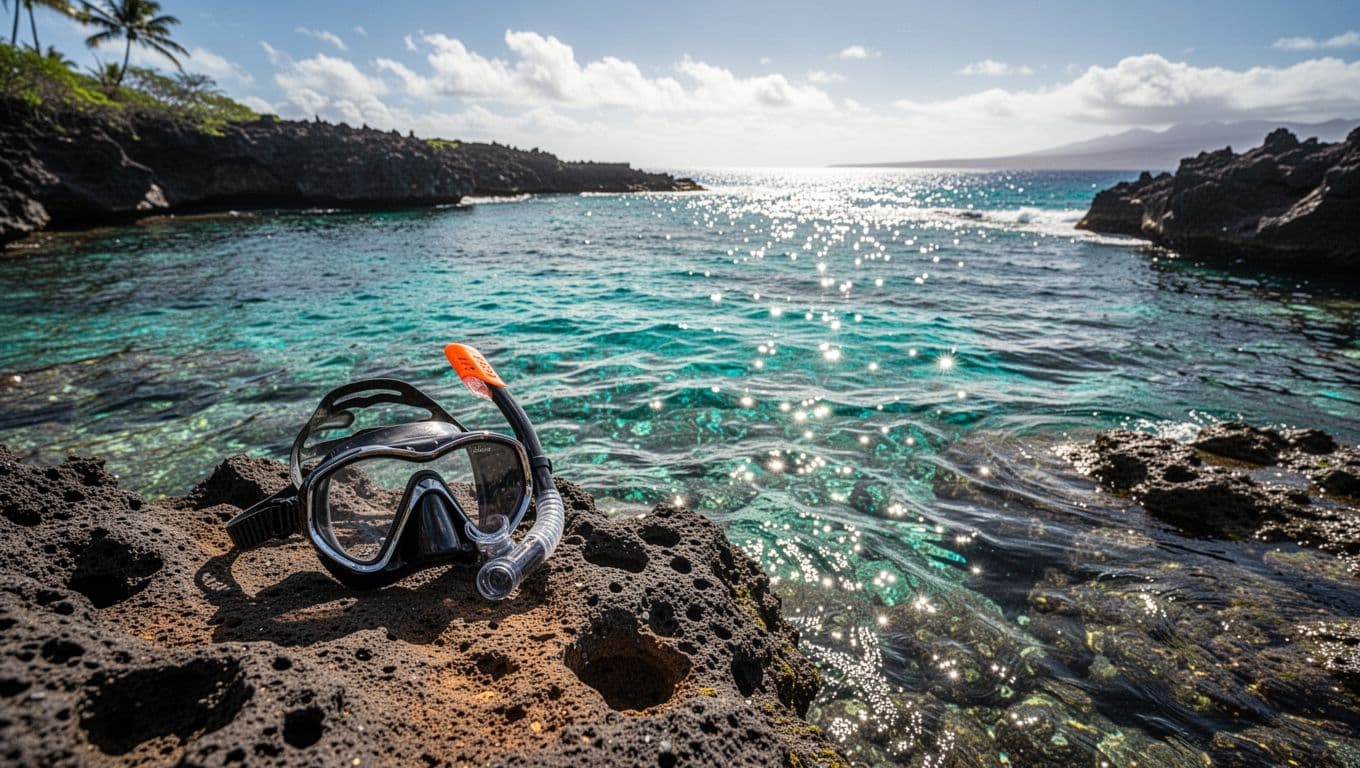
Put your mask on while you’re still on the boat or at the beach. Adjust the strap so it sits firmly without pulling too tight. A good seal should keep water out without leaving painful pressure around your eyes.
Next, breathe through the snorkel while standing or sitting somewhere stable. Take slow breaths through your mouth. Don’t test yourself by holding your breath. Snorkeling works best when you breathe normally and keep your face relaxed.
Use a gradual first entry
When you enter the water, stay close to the ladder, boat, guide, or shoreline. Keep your face above the surface for a moment. Let your body adjust to the temperature and movement before you look underwater.
Then try this sequence:
- Put your face in the water for one breath.
- Lift your head and check how you feel.
- Repeat for two or three breaths.
- Look down for a few seconds before turning toward the reef.
- Swim only as far as you can return comfortably.
This process gives your brain repeated evidence that you can stop whenever you choose. You don’t need to swim directly over a reef on your first attempt.
If a fish appears, lift your head instead of kicking hard. Sudden kicking can make you feel less stable and may disturb the animals. Tell your guide what happened, then decide whether you want to continue.
Keep your body relaxed
A horizontal position helps you float and reduces the need to kick. Keep your legs behind you and your hands relaxed. Avoid reaching toward fish, coral, or rocks.
If your mask fogs or leaks, signal your guide. Equipment problems are common and usually easy to correct. You should never struggle silently while trying to keep up with a group.
What you may see in the reef
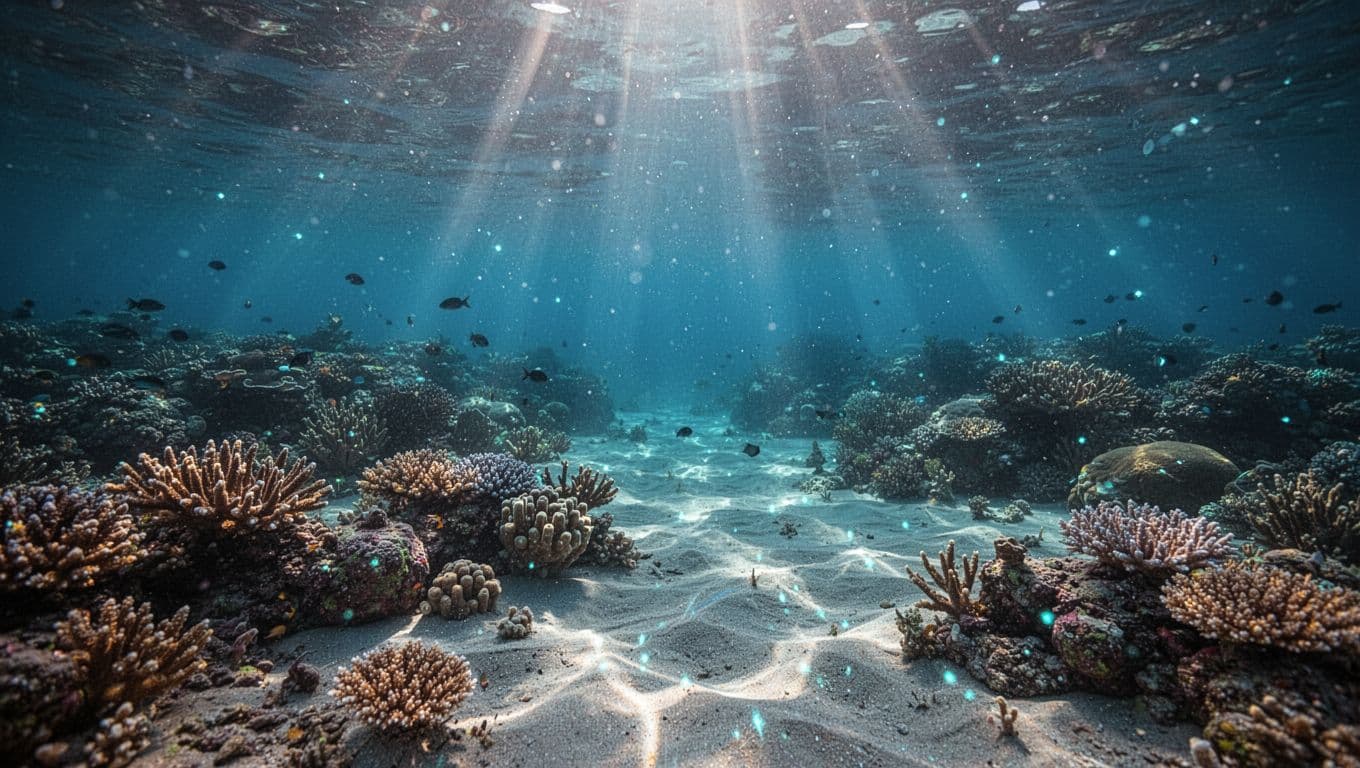
Kona’s reefs can include small tropical fish, sea urchins, coral formations, green sea turtles, and other marine life. The exact animals vary with the location, season, visibility, and conditions.
Yellow tangs are common around Hawaiian reefs. You may also see butterflyfish, parrotfish, triggerfish, wrasse, or schools of smaller fish. Some stay near coral heads, while others move across open water.
Most fish are less interested in you than you are in them. They may pause, dart away, or disappear into a crevice. If you remain still, you often get a better view than if you swim toward them.
That behavior can help you reset your expectations. Fish aren’t circling swimmers like animals in an aquarium. They have their own habitat and usually move through it without changing course for people.
Turtles, rays, and larger animals
Green sea turtles can appear near reefs or resting areas. They are protected wildlife, so you must give them space and never touch, feed, block, or chase them.
Rays may also pass over the seafloor. Their smooth movement can look unusual, but observing them from a respectful distance keeps the encounter safer for everyone.
Manta rays are a separate experience. They are large rays that feed by filtering tiny organisms from the water. Their size can feel intimidating if you already fear fish, although they don’t have the body shape or behavior of a predatory reef fish.
If you feel comfortable around larger animals but dislike small fish, you might consider learning about Manta Ray Night Snorkel experiences. If darkness, open water, and large animals all sound frightening, start with a calm daytime reef trip instead.
“`
Manta night snorkeling adds floating lights, darkness, and a different sensory experience. It can be unforgettable, but it isn’t the easiest first step for everyone who fears fish.
Choose the right snorkeling experience for your comfort level
The best location depends on how you react to open water, boat movement, and marine life. Use the comparison below to narrow your options.
| Experience | Best fit for | What may feel challenging |
|---|---|---|
| Calm daytime reef trip | First-time snorkelers who want a short, guided introduction | Seeing fish close to the coral |
| Pawai Bay by boat | Travelers who prefer a boat-accessible site and small-group setting | Open-water entry and boat movement |
| Kealakekua Bay | Confident beginners who want clear water, reef life, and scenery | A longer outing and more time in the water |
| Manta ray night snorkel | Travelers comfortable with a nighttime wildlife encounter | Darkness, floating, and large animals nearby |
| Private charter | Families or couples who need a flexible pace | Higher cost than a shared tour |
The table’s main lesson is simple: a shorter daytime reef trip usually suits the most nervous traveler. You can build confidence before choosing a longer excursion.
Kealakekua Bay for a structured daytime outing
Kealakekua Bay is known for clear water, reef habitat, coastal scenery, and the historic Captain Cook Monument. A guided Kealakekua Bay snorkeling experience can work well if you want a defined destination and professional support.
The bay may suit you if fish themselves are the main concern, but you feel comfortable riding in a boat and spending time in the water. You can focus on looking down from the surface instead of exploring every part of the reef.
Captain Cook Snorkeling Tours is another company to review when comparing trips to the bay. You can see its Captain Cook snorkeling tours and compare the itinerary with your preferred pace.
“`
For a more private pace, a private boat trip can let your group discuss breaks, water entry, and viewing distance with the crew. That option may be useful when family members have different comfort levels.
Follow safety and reef etiquette rules
Fear can make you focus on fish while you overlook the conditions around you. Ocean safety comes first. A calm-looking surface can still include current, surge, slippery rocks, or boat traffic.
Listen to the safety briefing, even if you’ve snorkeled elsewhere. Local conditions vary, and your guide knows how guests should enter, where they should remain, and how to return to the boat.
Ask for help if you feel anxious, cold, seasick, or short of breath. Use a clear hand signal and stop swimming. You don’t need to hide discomfort from the crew.
Reef etiquette also protects you and the ecosystem:
- Never stand on coral or kick the reef with your fins.
- Don’t touch fish, turtles, rays, coral, or sea urchins.
- Never feed wildlife or try to attract animals.
- Keep sunscreen and other products reef-conscious.
- Follow your guide’s distance instructions around turtles and other protected animals.
- Stay with the group and watch for boats when swimming near open water.
A snorkeling safety guide can help you review currents, wind, ocean conditions, and reef etiquette before your trip.
Use mineral sunscreen on exposed skin, or wear a rash guard and reef-safe clothing. Apply sunscreen before boarding so it has time to settle, and avoid spraying products near the water.
If you panic, turn toward your guide or the boat rather than swimming away. Raise one hand, keep your breathing slow, and let the crew assist you. A calm response is easier when you’ve already discussed what to do.
Pack for a low-pressure snorkeling day
Your packing choices can reduce small annoyances that add to nervousness. Bring a swimsuit that stays secure, a rash guard, reef-conscious sunscreen, a towel, dry clothes, water, and sunglasses.
If you get motion sickness, ask your doctor or pharmacist about suitable options before traveling. Eat a light meal and avoid arriving dehydrated. Boat movement can feel stronger when you’re hungry, overheated, or tired.
Bring an underwater camera only if it won’t distract you from staying aware of your surroundings. You don’t need to record your first few minutes. Looking through the mask without managing a device may help you stay relaxed.
Plan enough time after the tour so you don’t rush from the boat to another activity. A slow lunch or quiet afternoon gives you space to process the experience.
You can also create a simple backup plan. If the water feels wrong, you can remain on the boat, shorten your swim, or choose a land-based activity later. Having that option often makes it easier to try.
Final Thoughts
You don’t have to love fish to enjoy Big Island snorkeling. Choose calm conditions, start near the boat, practice breathing with your gear, and tell your guide exactly what makes you nervous.
A short daytime reef outing can give you a controlled first experience. Once you know how the water feels, you can decide whether Kealakekua Bay, a private trip, or a manta encounter belongs on your next ocean day. The first fish you see doesn’t have to be a test. It can simply be a reason to pause, breathe, and look from a comfortable distance.