
Best Adventure Travel for Families: Safety, Fun, & Thrills
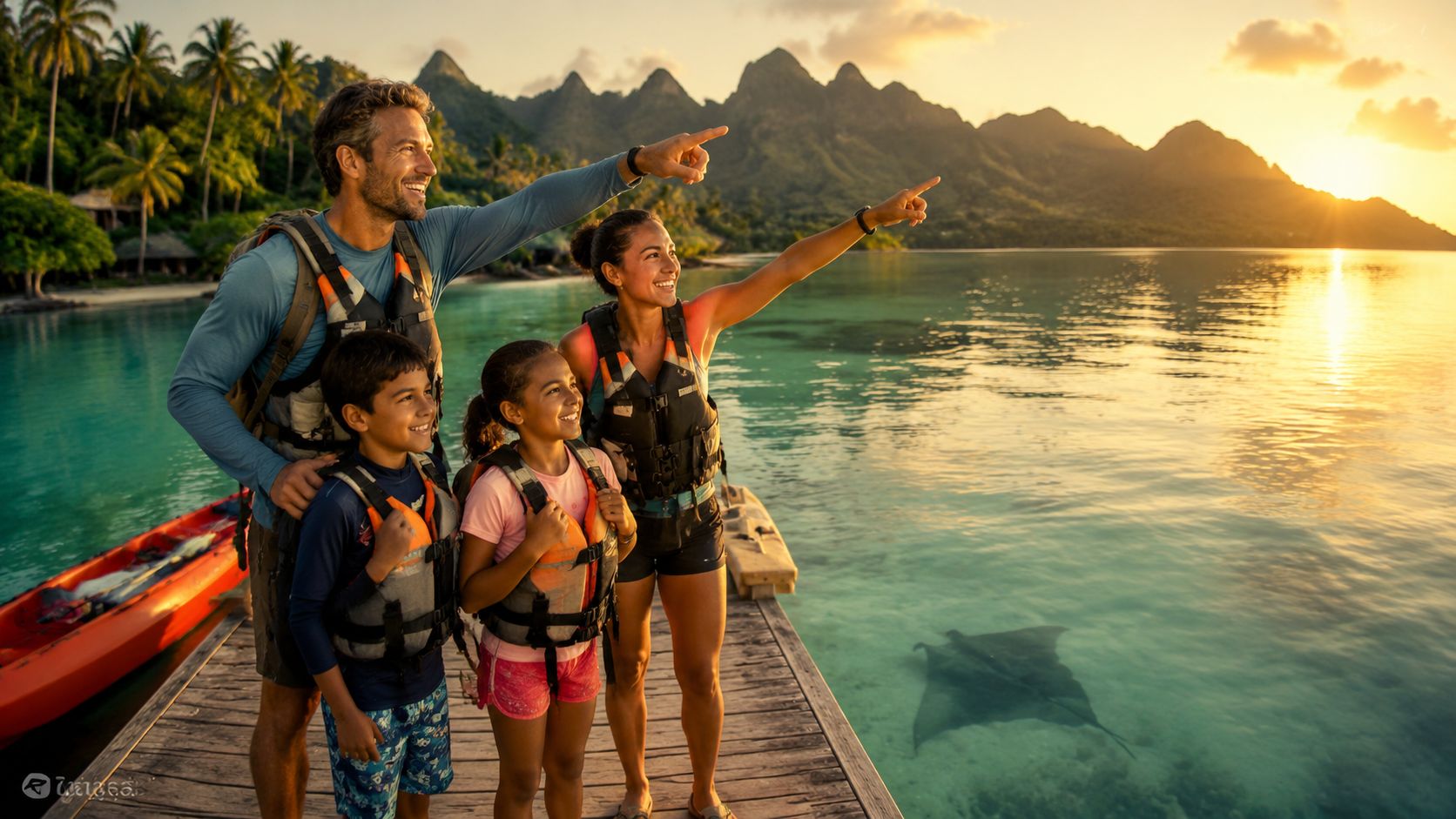
Family vacations often start with good intentions and end with everyone doing separate things. One person wants the pool. One wants wildlife. One wants something memorable. Parents usually want all of it, without turning the trip into a logistical wrestling match.
That's why adventure travel for families keeps winning. It gives kids something real to do, gives adults a reason to put the phone away, and turns a trip into a shared story instead of a list of hotel amenities. When the activity is chosen well, families don't just fill time. They connect.
Why Your Next Family Trip Should Be an Adventure

A lot of parents are at the same point right now. You've done the standard vacation. Nice room, easy meals, maybe a pool, maybe a sightseeing bus. It was pleasant, but it didn't feel like the kind of trip your family will still talk about next year.
Adventure travel changes that. A guided snorkel, a calm kayak outing, a wildlife boat trip, an easy coastal hike, a night experience under the stars. These are the moments kids remember because they were doing something, not just being transported from one attraction to the next.
Shared experiences work better than packed schedules
The strongest family trips usually have a simple rhythm. One or two meaningful activities a day. Enough structure to feel exciting. Enough breathing room that nobody melts down by lunch.
That lines up with what families are already choosing. In the Family Travel Association's 10th annual survey, 92% of parents said they planned to travel with their children in the next year, and 57% were planning multigenerational travel with grandparents, according to the Family Travel Association's report on booming family travel. That tells you something important. This isn't a niche style of travel anymore. Families want trips built around shared experiences.
If you're narrowing down where to go, this guide to the best island for a family vacation is a useful next step.
Adventure works well for families when it feels guided, manageable, and active enough that every age has something to enjoy.
Why soft adventure fits families so well
In practice, most families don't need extreme travel. They need soft adventure. That means activities with a clear guide, straightforward safety systems, and a low barrier to entry. Think snorkeling, hiking, wildlife cruises, beginner kayaking, and nature-focused boat tours.
That's one reason ocean experiences do so well with mixed-age groups. Grandparents can enjoy the boat ride. Kids get the thrill of wildlife. Parents get an activity that feels special without needing expert skills.
For snorkeling families, it helps to know who you're booking with. Kona Snorkel Trips is Hawaii's top rated and most reviewed snorkel company, which matters because parents are often trying to judge trust and consistency before they ever step on a boat.
When a family trip is built around one strong experience, the whole vacation gets easier. You don't need a dozen backup plans. You need a few activities that are safe, engaging, and easy to say yes to.
Choosing Your Adventure for Every Age and Stage
Not every adventure fits every child, and that's where many family plans go sideways. Parents hear “adventure travel” and picture something intense. Most of the time, the smarter move is to match the activity to attention span, comfort in the water, and how well your group handles transitions, gear, and waiting.
Soft adventure versus hard adventure
For families, the sweet spot is usually soft adventure. Grand View Research estimated that soft adventure accounted for about 65% of the adventure tourism market in 2025, and described it as more accessible to a broader range of travelers in its adventure tourism market report. That tracks with what works on the ground. Families usually do better with guided activities that feel exciting without demanding advanced skills.
Hard adventure has its place. It's just rarely the right starting point for a mixed-age trip.
Age-Appropriate Family Adventure Activities
| Activity | Best for Toddlers (2-4) | Best for Kids (5-10) | Best for Teens (11+) |
|---|---|---|---|
| Short nature walk | Yes, if shaded and stroller-friendly or very short | Yes | Yes |
| Beach tide pooling | Yes, with constant close supervision | Yes | Yes |
| Glass-bottom boat or wildlife cruise | Yes, if the ride is calm and short | Yes | Yes |
| Guided beginner snorkeling | Usually only if the child is unusually water-comfortable and the operator is set up for very young kids | Yes, often ideal | Yes |
| Kayaking on calm water | Not usually a primary activity | Yes, in tandem with adults | Yes |
| Zip-lining | No | Sometimes, depending on operator rules and child confidence | Yes |
| Longer hikes with elevation | No | Sometimes, if breaks are built in | Yes |
| Night wildlife tours | Sometimes, if bedtime and stimulation aren't issues | Yes | Yes |
A family group with toddlers needs very different pacing than a family with teens. Toddlers need short duration, easy exits, shade, snacks, and no long safety briefings. Kids in the middle range usually love guided ocean activities because they're active and visual. Teens often want something that feels a little bigger, faster, or more unusual.
If you're planning with grandparents too, this roundup of Big Island boat tours for multi-generational family trips can help narrow the field.
What usually works better than parents expect
A common mistake is overestimating kids' interest in landmarks and underestimating their interest in animals, water, and movement. Families tend to have better days when they choose activities with immediate payoff.
Good picks often include:
- Wildlife-first outings because kids stay engaged when there's something to spot.
- Boat-based adventures because there's built-in scenery even between highlights.
- Guided snorkeling because the equipment and instruction are handled for you.
- Short hikes with a destination such as a lookout, cove, or tide pool.
Practical rule: If an activity requires patience before it delivers excitement, make sure the reward is worth the wait for the youngest person in your group.
What doesn't work as well? Overstacked days, long transfers for a short activity, and booking a tour designed for fit adults, then hoping the kids “rise to the occasion.” Families have more fun when the plan respects energy, attention, and confidence.
A Parent's Guide to Vetting Adventure Tours Safely

Parents rarely struggle to find fun tours. They struggle to tell which operators are prepared for families. Nice photos don't tell you much. Safety pages can be vague. “Family-friendly” gets used loosely.
That matters because 68% of family adventure travelers cite safety concerns as their primary barrier, and 42% of parents abandon bookings when operator safety certifications are unclear. Those figures were provided in the verified brief for this article. The lesson is simple. If a company makes you work hard to understand its safety standards, keep looking.
The questions worth asking before you book
Ask direct questions. Good operators answer them clearly and without irritation.
- Guide qualifications: Are guides lifeguard-certified, water-safety trained, or otherwise specifically certified for the activity?
- Group size: How many guests does each guide supervise in the water or on the trail?
- Equipment standards: How often is gear inspected, replaced, and fitted for children?
- Beginner process: What happens if a child is nervous, cold, or wants to stop?
- Conditions policy: When do they cancel, modify, or relocate due to weather, surf, current, or visibility?
An operator that's prepared for families usually has crisp answers. An operator leaning on marketing tends to stay general.
One useful example is what credentials to check before you book a Kona manta ray night snorkel. The same vetting mindset applies to any family adventure.
What safe operators do differently
A safe family operator usually has systems you can spot from the first phone call or booking page. They explain the activity in plain language. They mention who the activity is and isn't suited for. They don't hide the physical demands.
For example, Kona Snorkel Trips offers small-group snorkel tours with lifeguard-certified guides. That's the kind of factual detail parents should look for when comparing operators, because it tells you more than broad promises ever will.
Look for these signals:
- Clear fit guidance: They tell you minimum comfort levels, age considerations, and whether first-timers are welcome.
- Visible safety language: They explain flotation, supervision, and how guides assist guests.
- Straightforward communication: They answer family-specific questions without pushing for a rushed sale.
If the website spends more time selling the thrill than explaining the safeguards, it may not be built with novice families in mind.
Red flags parents shouldn't ignore
Some warning signs are easy to miss because they're framed as convenience.
- Vague meeting instructions: Disorganized logistics often carry over into the tour itself.
- No mention of guide training: If they highlight scenery but say little about staff capability, ask why.
- Pressure to self-assess: Families need operator guidance, not a shrug and a waiver.
- One-size-fits-all language: Kids, teens, grandparents, and first-time snorkelers don't all need the same support.
Safety isn't separate from fun. It's what makes fun possible, especially in the ocean. The right operator lowers stress before the trip even begins.
Sample Itinerary An Unforgettable Big Island Adventure

You land on the Big Island with tired kids, half-dry swimsuits from the flight delay cleanup, and a long list of things you hoped to do. The families who enjoy this island most usually do less on paper and choose better. On Hawaiʻi Island, one well-timed ocean day can carry the whole trip.
That approach works especially well here. The island gives families calm bays, dramatic lava coastline, sea life kids find captivating, and plenty of places to pause between outings. A three-day trip can feel full without turning into a forced march from one reservation to the next.
For a wider trip framework, this Big Island snorkeling itinerary for three days in Kona pairs well with the sample plan below.
Day one keeps the pressure low
Arrival day should be easy.
Check in, eat a real meal, lay out rash guards and reef-safe sun protection, and get everyone to bed at a decent hour. If kids want water time, choose a short beach stop with an easy exit rather than a booked activity. Parents learn a lot on this first afternoon. Who runs straight into the water, who hangs back, who gets cold fast, who needs a flotation vest, who is already tired from travel.
That quick read helps you make smarter choices for the next two days.
Day two is your main snorkel day
Plan your big daytime water activity here, after everyone has slept and settled in. For many families, that means Kealakekua Bay and a Captain Cook snorkel tour. The bay is known for clear water, bright reef fish, and the kind of visibility that keeps first-time snorkelers interested instead of frustrated.
This is also the day to apply the safety-first filter from the previous section. Do not book based on photos alone. Check guide certifications, ask how many guests are on the boat, and confirm what support is offered for kids or nervous adults. A family-friendly snorkel trip should explain entry methods, flotation options, and how guides assist people once they are in the water.
Kona Snorkel Trips offers a Captain Cook snorkel tour, and it works well for families who want a focused reef day without trying to cram in multiple major outings.
Day three is for one memorable finish
If your family has older kids, confident swimmers, and enough energy for an evening outing, a manta ray night snorkel can be the standout memory of the trip. You hold at the surface while lights attract plankton, and manta rays glide and loop below. It is calm, strange, and beautiful all at once.
Night snorkeling asks more of families than a daytime reef tour, so this is another place where operator screening matters. Ask about group size, in-water supervision, wetsuits or flotation, and how the crew handles guests who decide not to continue once they see the conditions. A good operator answers those questions plainly and without rushing you.
For that outing, the Kona manta ray night snorkel tour is one option to consider. If you are comparing providers, Manta Ray Night Snorkel Hawaii is another option.
Strong family itineraries leave room for weather shifts, naps, snack stops, and changing confidence levels in the water. One headline activity a day is usually enough. On the Big Island, that is often the difference between a trip that feels stressful and one the kids ask to do again.
Your Essential Adventure Travel Planning Checklist

Families don't usually get stressed by the adventure itself. They get stressed by the pileup around it. Flights, snacks, motion sickness, wet clothes, backup shoes, forgotten chargers, unclear meeting points. Good planning removes a lot of that friction before you ever leave home.
Keep the travel day simple
One benchmark matters more than many parents realize. For trips with children, travel experts advise choosing direct flights or at most one stop, because each additional connection raises fatigue and disruption risk, as explained in this family travel planning video. In real life, that usually means the family arrives with more patience, more energy, and a much better chance of enjoying the first activity.
If an itinerary needs multiple connections, build in recovery time. Don't schedule your hardest or most expensive adventure right after arrival.
Pack for the activity, not just the destination
A beach destination can still go badly if nobody packed for the actual outing. Snorkel trips, boat tours, hikes, and wildlife days all have their own small gear needs.
- Core documents: IDs, confirmations, medical notes, and emergency contacts in one easy-to-grab pouch.
- Sun protection: Rash guards, hats, reef-safe sunscreen, and lightweight coverups.
- Hydration setup: Reusable water bottles that each family member can identify quickly.
- Footwear: Water shoes for rocky entries, plus dry sandals or sneakers for afterward.
- Comfort items: A towel, dry change of clothes, and one familiar item for younger kids.
Build a just-in-case kit
This is the stuff parents are happiest to have and hope not to use.
- Motion support: Whatever your family normally uses for boats or winding roads.
- Small first-aid basics: Bandages, any personal medications, and blister care.
- Temperature backup: Light layers, because kids often get chilly after water time.
- Snacks with substance: Not just treats. Something filling enough to stabilize mood.
Bring one bag that stays dry and organized no matter what. On boats and beaches, the family that can find things fast has a better day.
Confirm the details that affect the mood
The night before any adventure, check the practical points:
- Meeting location and parking plan.
- Check-in time versus actual departure time.
- Bathroom timing, especially for younger kids.
- Who carries what so one adult isn't overloaded.
- What happens after the activity, including food and rest.
A solid checklist won't make family travel perfect. It does make it far less chaotic, which is often the difference between a fun story and a hard lesson.
Traveling with Purpose Eco-Conscious Family Adventures
You book a snorkel trip because your kids want to see sea turtles, then you arrive and find a crowded boat, rushed rules, and guests standing on coral at the entry. That is the moment many parents realize “eco-friendly” can be a marketing label, not an operating standard.
Families who want lower-impact travel need to verify the same way they would verify safety. Ask direct questions. Listen for direct answers. A responsible operator should be able to explain how they protect wildlife, limit guest impact, and support the local place your family came to enjoy.
What to verify before you book
Start with on-the-ground practices, not slogans on the website.
- Wildlife interaction rules: Ask how guides prevent guests from touching, chasing, crowding, or feeding animals. Good operators have clear distance rules and guides who will enforce them.
- Reef and habitat protection: Ask what briefing guests get before entering the water, whether reef-safe sunscreen is encouraged, and how the crew handles poor fin control around coral.
- Group size and supervision: Smaller groups usually make it easier for guides to protect both families and the environment. This matters in the ocean. A guide who is stretched thin cannot watch nervous swimmers and reef behavior at the same time.
- Local benefit: Ask whether the company hires local guides, buys locally when possible, or contributes time or funds to cleanup and conservation efforts.
- Waste habits: Ask how water, snacks, and gear are handled. Refill stations, reusable cups, and a clear trash system tell you more than a generic sustainability statement.
For families planning a snorkel outing, this guide on how to choose an eco-friendly Captain Cook snorkel tour gives practical questions to ask before you book.
A good answer sounds specific. “We keep our tours respectful” is vague. “We cap the group at 12, review turtle distance rules before launch, and guides intervene right away if anyone gets too close” is useful.
Teach kids to be part of the protection
Kids usually do well when the rules are concrete. “Look with your eyes, not your hands” works. “Float over the reef, don't stand” works. Give each child one job that fits their age, such as spotting floating trash, checking that nothing gets left on the beach, or listening for the guide's wildlife rules and repeating them back.
I've seen children take this seriously once they understand that coral is alive and that one careless kick can break years of growth. That shift changes the whole outing. The place stops being scenery and becomes something worth caring for.
The best family eco-adventures leave kids excited about what they saw and clear about how to protect it.
The goal is not perfect travel. The goal is choosing operators whose daily habits match their claims, and helping your family leave reefs, trails, bays, and shorelines in good shape for the next visit.
Family Adventure Travel FAQs
Is adventure travel for families more expensive than a resort stay?
It can be, but it doesn't have to be. The better comparison is value per day, not just sticker price. Families often get more out of one guided wildlife or snorkel experience than a full day of scattered paid entertainment. Build around a few high-quality outings instead of trying to schedule everything.
What's the best age to start?
As soon as your expectations match your child. Very young kids can enjoy short, sensory adventures with easy exits. Elementary-age kids often hit a great stage for guided ocean and nature activities. Teens usually want experiences that feel distinctive and worth telling friends about.
How many activities should we plan in one day?
Usually one major activity and one light one. That leaves room for meals, transitions, weather changes, and ordinary kid moods. Families tend to enjoy trips more when there's some margin.
How do we know if a tour is right for beginners?
Read the activity description carefully, then ask direct questions. Find out whether beginners are welcome, what flotation or instruction is included, and how guides support nervous guests. If the answers are vague, keep shopping.
What's the biggest mistake parents make?
Booking for the fantasy version of the trip instead of the actual family they're bringing. Choose the adventure your kids can enjoy now, not the one you hope they'll magically grow into on day one.
If your family wants an ocean adventure that feels organized, memorable, and approachable, take a look at Kona Snorkel Trips. Their tour lineup includes family-friendly Kona snorkeling experiences that fit well into a Big Island vacation built around wildlife, water, and shared time together.