
Big Island Snorkeling Itinerary for 3 Days in Kona
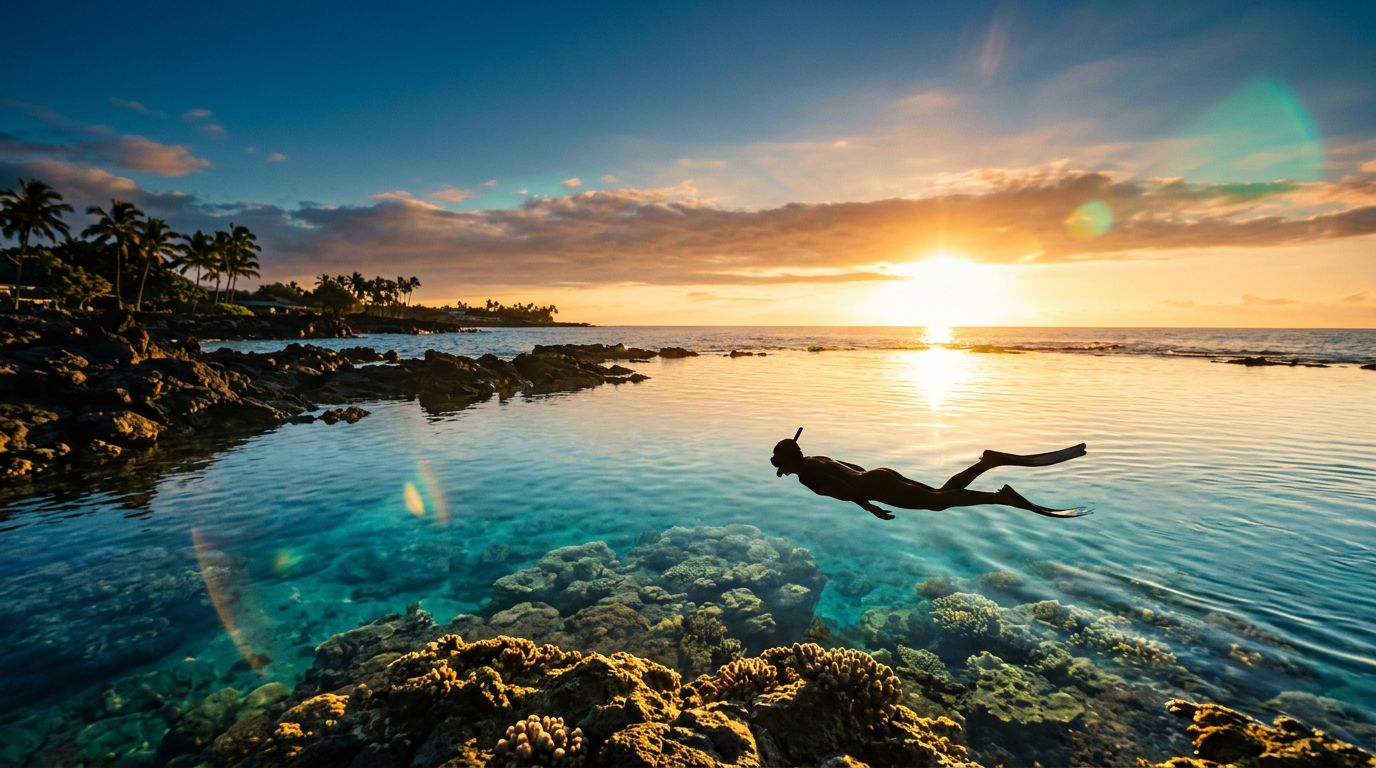
Planning snorkeling Big Island Hawaii can feel easy at first, then the map starts to spin. Kona has calm morning water, lava coastlines, boat-only reefs, and night snorkeling that feels almost unreal.
This Big Island snorkeling itinerary gives you a clean rhythm for three days. You’ll start with an easy shore swim, save the clearest water for a boat day, and finish with manta rays after dark. If you want to snorkel Big Island waters without wasting time or energy, this plan keeps things simple.
Your 3-day plan at a glance
| Day | Main stop | Best for | Why it works |
|---|---|---|---|
| 1 | Kona shore reef | A gentle warm-up swim | Easy entry, shallow water, less pressure |
| 2 | Kealakekua Bay | Clear water and marine life | Protected bay, strong visibility, rich history |
| 3 | Manta ray night snorkel | A final wow moment | Calm daytime pace, unforgettable night swim |
That order matters. You build confidence first, save the strongest water for the middle, and leave room for a memorable finish.
Day 1: Start with a calm Kona reef
Your first day should feel easy. After a flight, a drive, or a long travel day, you do better with simple water access and a short swim. That is why a shore snorkel near Kona is the right opening move.
Kahaluʻu Beach Park is a smart first stop for many travelers. It usually gives you shallow water, lots of reef fish, and a low-stress entry. If you are with kids, or if you have not snorkeled in a while, this kind of start builds confidence fast. You are not chasing the most dramatic site on day one. You are setting the pace.
If you want a broader set of options, the guided snorkeling trips in Kona page is a helpful place to compare what fits your style. A guided trip removes guesswork, especially if you want gear, timing, and route choices handled for you.
Kona Snorkel Trips keeps that first-day experience simple with small groups, good gear, and lifeguard-certified guides. That matters when you want more time in the water and less time sorting out logistics.
A shoreline day also helps you tune your gear. You can check your mask fit, test your fins, and see how your body reacts to the water. That small practice run pays off later.
If you want a second shore option, the best snorkeling spots on the Big Island guide is useful for comparing different areas before you commit to a full day.
Day 2: Save your best water for Kealakekua Bay
Day two is the centerpiece of your snorkeling Big Island itinerary. If you only book one boat day, make it Kealakekua Bay. The water often looks cleaner here than many shore spots, and the bay has a real sense of place. You are swimming in a protected marine area with a lot of history under your fins.
Go early if you can. Morning water usually feels calmer, and the light is better for spotting fish. You will often see more color in the reef, and the boat ride feels smoother too. That early start is worth the effort.
Kealakekua Bay rewards an early departure. You get calmer water, better visibility, and more time before the afternoon picks up.
If you want context before you go, the City of Refuge snorkeling guide is a useful read for understanding how protected bays on the Big Island differ from open shoreline entries. The big idea is simple, sheltered water gives you a better chance to relax and look around.
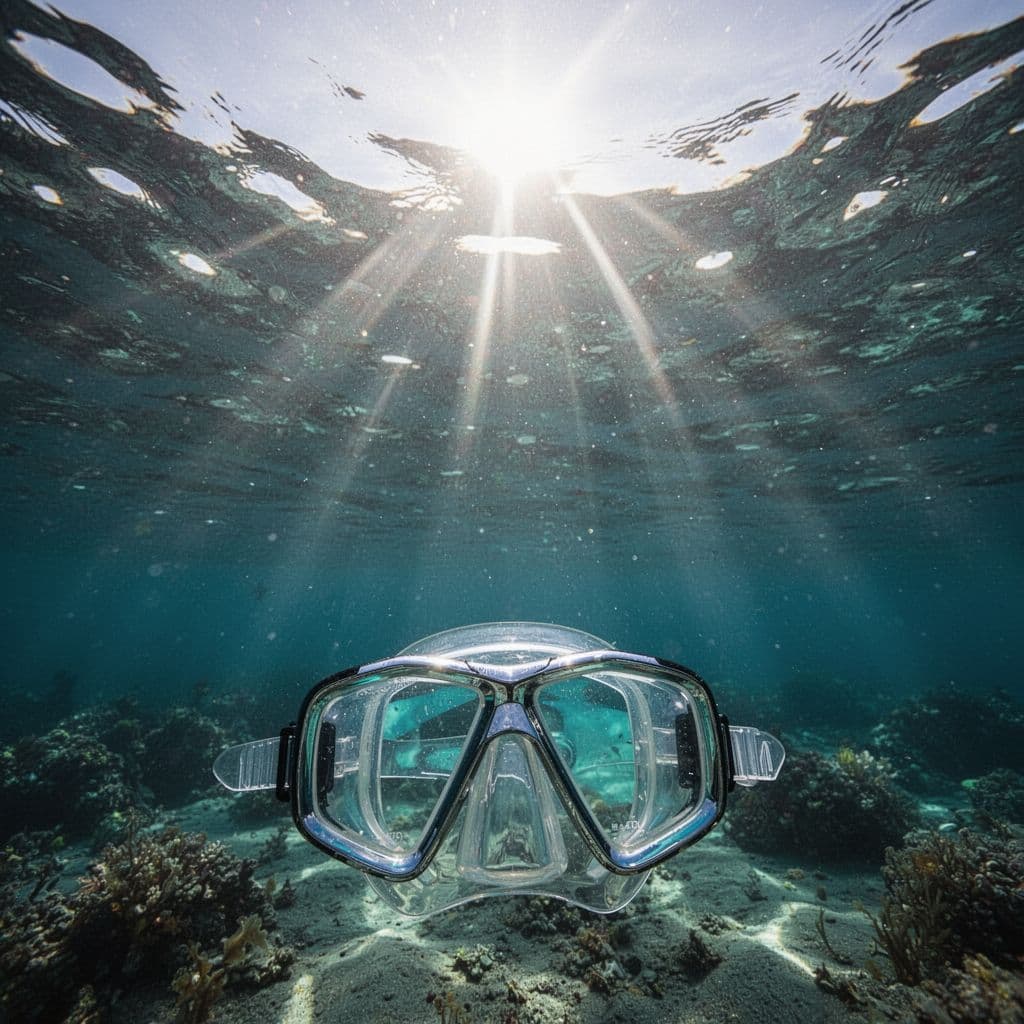
The reef here is more than a pretty swim. You also get the feeling that the bay is part of the island’s story. That mix of scenery and history is what makes it stand out from a normal beach snorkel.
If you want a trip built around this bay, Captain Cook Snorkeling Tours is the dedicated option to look at first. It keeps the focus on Kealakekua instead of splitting time across other stops.
You can also use this link to book your day on the water: check avaialbility
Day two is the one that usually makes people say, “Now I get why people plan a whole trip around Kona.” The water can be that good.
Day 3: Finish with a manta ray night snorkel
Your last day should feel different from the first two. After two mornings in the water, you can take it easy during the day and save your energy for sunset. That leaves room for the most unusual part of the trip, a manta ray night snorkel.
This is where Kona snorkeling gets special. You enter after dark, float near a lighted board, and watch manta rays glide through the beams below you. They move with a kind of calm power that stays with you long after the swim ends. It feels less like an attraction and more like a front-row seat to a living night show.
For a dedicated manta experience, Manta Ray Night Snorkel Hawaii is another focused option to consider. If you want the evening built around manta viewing, that is the kind of trip you want to compare.
Kona Snorkel Trips also runs a manta ray night snorkel with custom-lit boards and small-group attention, which keeps the whole evening organized and easy to follow. If that sounds like your pace, you can check availability.
The best part is how different the night feels from the day. You go from bright reef fish to a dark ocean lit from below. That contrast is what makes Day 3 such a strong finish.
What to pack so the trip feels easy
A three-day snorkeling plan works better when your bag is light and useful. You do not need much, but the right items save time and keep your skin and gear happier.
Bring these basics:
- Reef-safe sunscreen: You will use less than you think if you wear a rash guard too.
- Rash guard or sun shirt: It cuts down on sunburn and makes long swims more comfortable.
- Towel and dry bag: Both help when you move from water to boat or beach.
- Water and a light snack: Hydration matters more than most people expect.
- Motion-sickness medicine: Useful for boat days if you know you need it.
- Change of clothes: A dry shirt makes the drive back much better.
If you snorkel Big Island reefs often, a good mask matters more than fancy extras. A mask that fits well is better than one with a long feature list.
Reef-safe sunscreen belongs in your bag, but a rash guard does even more. It protects your skin and keeps you from reapplying every hour.
You should also bring a wet bag or plastic bag for gear after each session. Saltwater gets into everything. A little prep keeps your car and hotel room much happier.
How to read Kona conditions before you go
Kona is known for better snorkeling conditions than many other parts of the island, but the ocean still changes through the day. Morning is usually your best bet. Winds often build later, and that can make shore entries choppier.
That is why this itinerary starts easy and gets more special as it goes. You are working with the island, not fighting it. A calm start helps you enjoy the rest.
If you are traveling with kids or newer swimmers, keep your first snorkel short. Give them time to learn how their mask feels and how to clear water calmly. That small patience at the start can save the whole day.
Couples often like the same rhythm for a different reason. A slow first day gives you room to settle in, then a boat day gives you a shared highlight. Solo travelers tend to like it too, because there is no pressure to do too much at once.
If you want more structure, a guided plan is often the cleanest choice. It removes parking stress, gear confusion, and the need to guess which cove will work that morning. That is why many travelers choose a guided option for at least one day of their trip.
Build the week around your energy, not just the map
The best snorkeling Big Island Hawaii trip is not the one that squeezes in the most stops. It is the one that lets you enjoy each swim without rushing. Three days gives you space to do that.
Day 1 should feel easy and low-pressure. Day 2 should be your strongest water day. Day 3 should give you something memorable after sunset. That pattern works for families, couples, and adventurous solo travelers because it balances effort and reward.
If you want a shorter version, keep the structure and cut one stop. Do shore snorkeling on the first day, Kealakekua Bay on the second, and save Day 3 for dinner, a sunset walk, or an early night. If you want a fuller version, add a second short shore snorkel when conditions are calm.
The real trick is pacing. Once you stop trying to see everything at once, the island feels easier to enjoy. That is true whether you are on your first Hawaii trip or your fifth.
Conclusion
A good Big Island snorkeling itinerary gives you rhythm, not just destinations. That is the real win in Kona, because the water rewards calm planning more than crowded schedules.
Start with a shore reef, give Kealakekua Bay your best morning, and end with manta rays if you want a night you will keep talking about. With that order, you get a trip that feels full without feeling rushed.
If you want to snorkel Big Island waters the smart way, build your days around energy, timing, and a little flexibility. That is how a three-day plan turns into a trip you’ll remember long after you dry off.