
Kona Manta Ray Night Snorkel Credentials to Check Before You Book
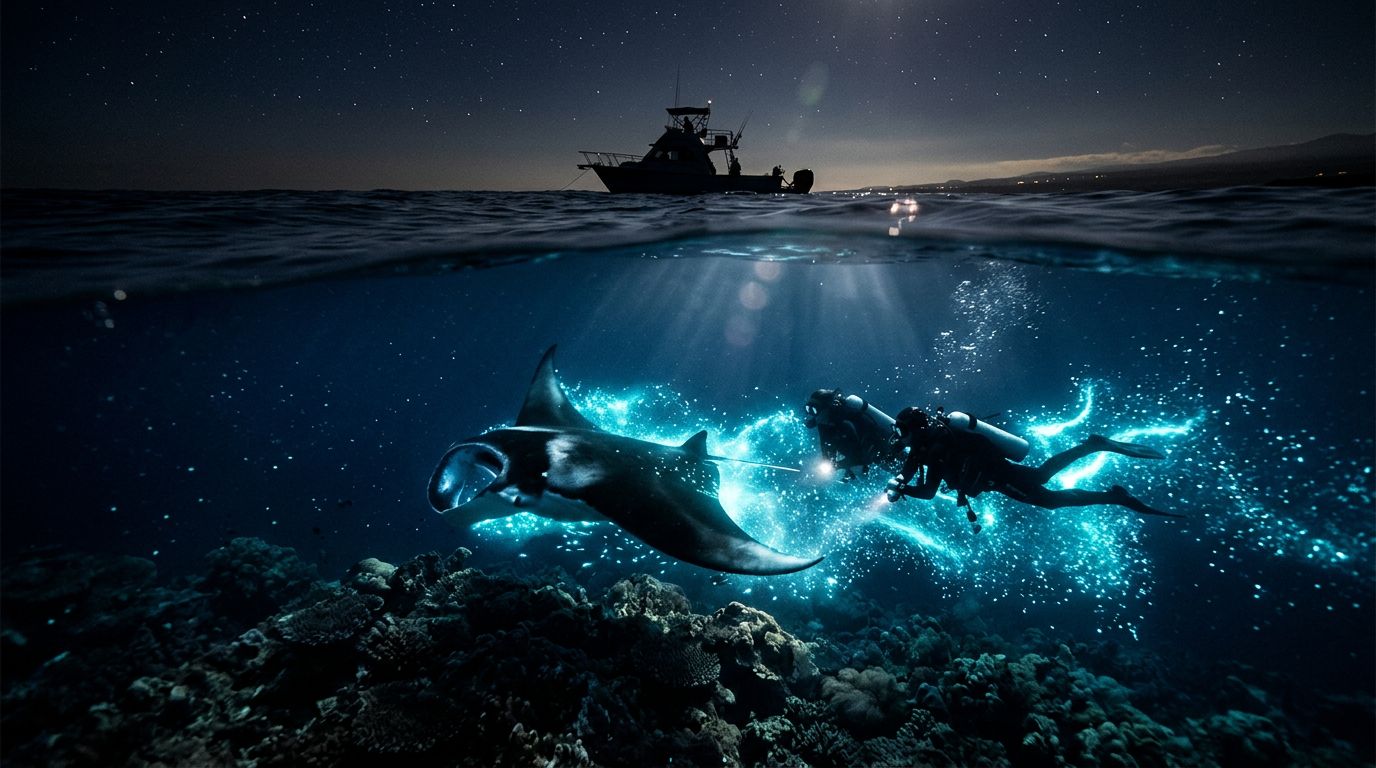
A Kona manta ray night snorkel feels unforgettable before you even hit the water. What keeps it smooth is not luck, it’s the crew behind the boat.
Kona Snorkel Trips puts that standard front and center with small groups, lifeguard-certified guides, and reef-safe habits. If you want snorkeling Big Island Hawaii visitors remember for the right reasons, the credentials should be easy to spot before you book.
The good news is that you can check those credentials fast once you know what matters.
Why the right credentials matter more than a pretty video
Night changes everything. The water looks different, your depth cues change, and even calm swimmers can feel uneasy for a minute.
That’s why you should look past the glossy clips and focus on the crew. A strong tour page tells you who is in the water with you, who runs the boat, and how the team handles a problem. If you plan to snorkel Big Island waters after dark, that information matters more than the soundtrack on a promo reel.
If you’re comparing Big Island snorkeling tours, start with the safety details first. Price matters, but training, boat setup, and guide attention matter more when visibility drops.
A good operator makes the plan feel clear. You should know how you enter the water, how you stay close to the light board, and what happens if you want to get back on the boat early. The best snorkeling Big Island trips make the briefing simple, short, and calm.
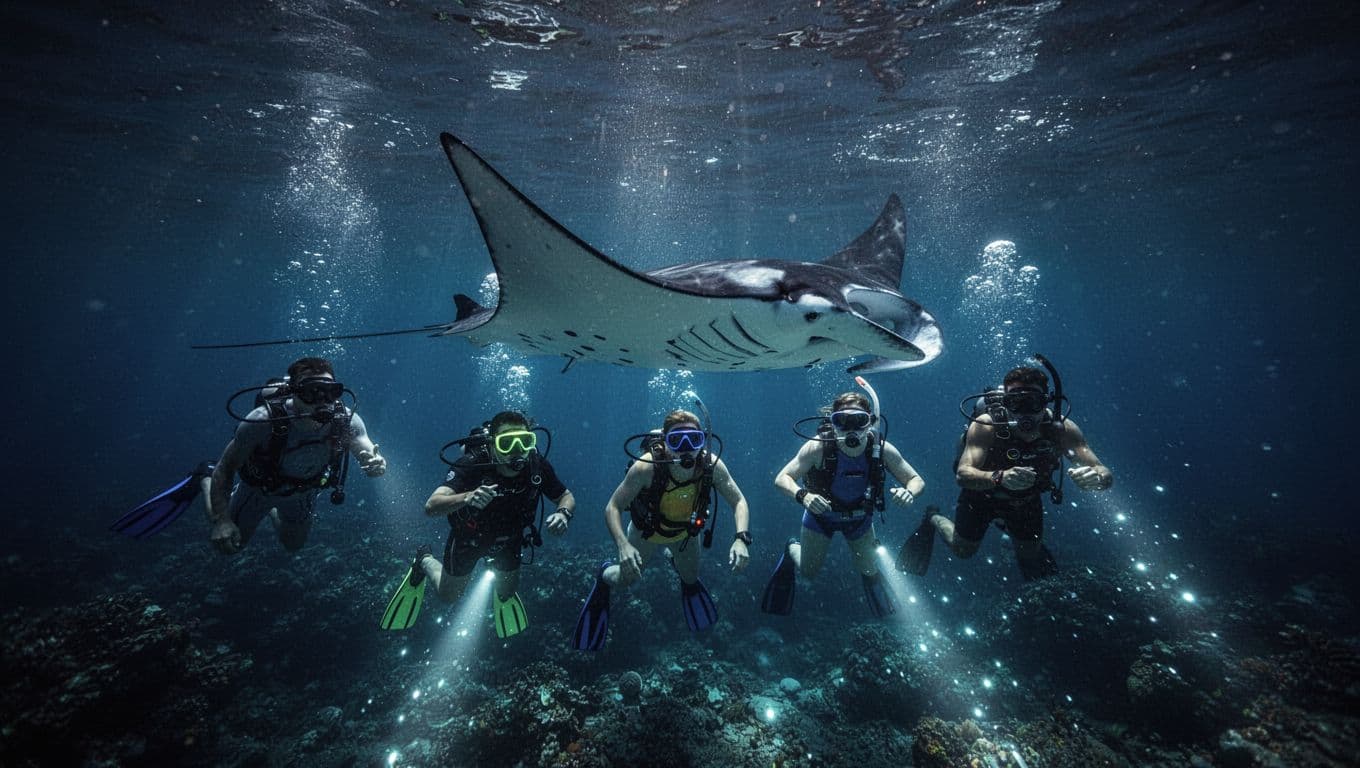
Certifications that should appear on the operator page
You don’t need to memorize marine regulations to choose wisely. You do need a short checklist.
| Credential or detail | Why it matters | Good wording to look for |
|---|---|---|
| In-water guide certification | Shows the guide is trained for the activity, not just the boat | Lifeguard-certified, skin diving guide, PADI, in-water guide |
| CPR and First Aid | Helps the crew respond fast if someone panics or gets hurt | CPR, First Aid, emergency response |
| Oxygen and AED access | Gives the crew tools for a real emergency | Emergency oxygen, AED, rescue equipment |
| U.S. Coast Guard captain | Tells you the person running the vessel meets boating standards | U.S. Coast Guard-certified captain |
| Coast Guard-inspected boat | Adds another layer of safety for the vessel itself | Inspected vessel, safety gear onboard |
| Emergency recall plan | Shows the crew knows how to get everyone back fast | Emergency recall procedure, crew briefing |
Hawaii Ocean Watch publishes a useful version of this idea in its manta tour operator standards. That page lines up with what you want to see on a serious tour page.
If the operator hides the crew details, keep looking.
A clean booking page doesn’t need to brag. It just needs to tell you who is trained, who is steering, and what the backup plan looks like.
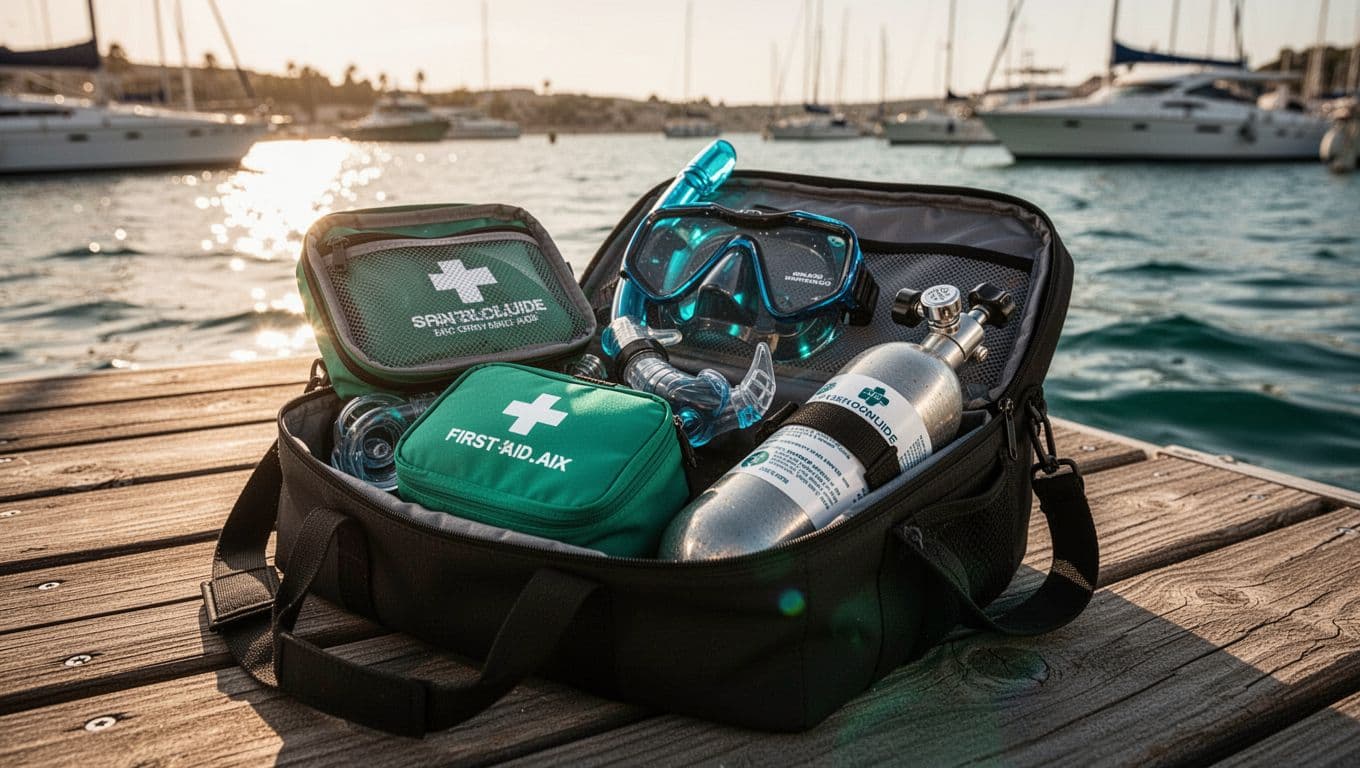
The boat, the lights, and the crew around you
A night manta trip depends on more than a good captain. It also depends on the gear and the crew rhythm.
Look for a vessel with solid lighting, clear deck space, and easy entry points. If the ladder feels awkward in daylight, it will feel worse after dark. A good boat should also carry radios, rescue gear, and enough room for the crew to move quickly if someone needs help.
You should also ask how the light system works. On a manta trip, the lights attract plankton, and the plankton draw the rays. The board or float should sit steady, stay visible, and give you something secure to hold. That setup helps you stay relaxed while the action happens below.
When you compare a focused guided manta ray snorkeling adventure, read the description like a safety