
Why Some Captain Cook Snorkel Tours Cost More in 2026
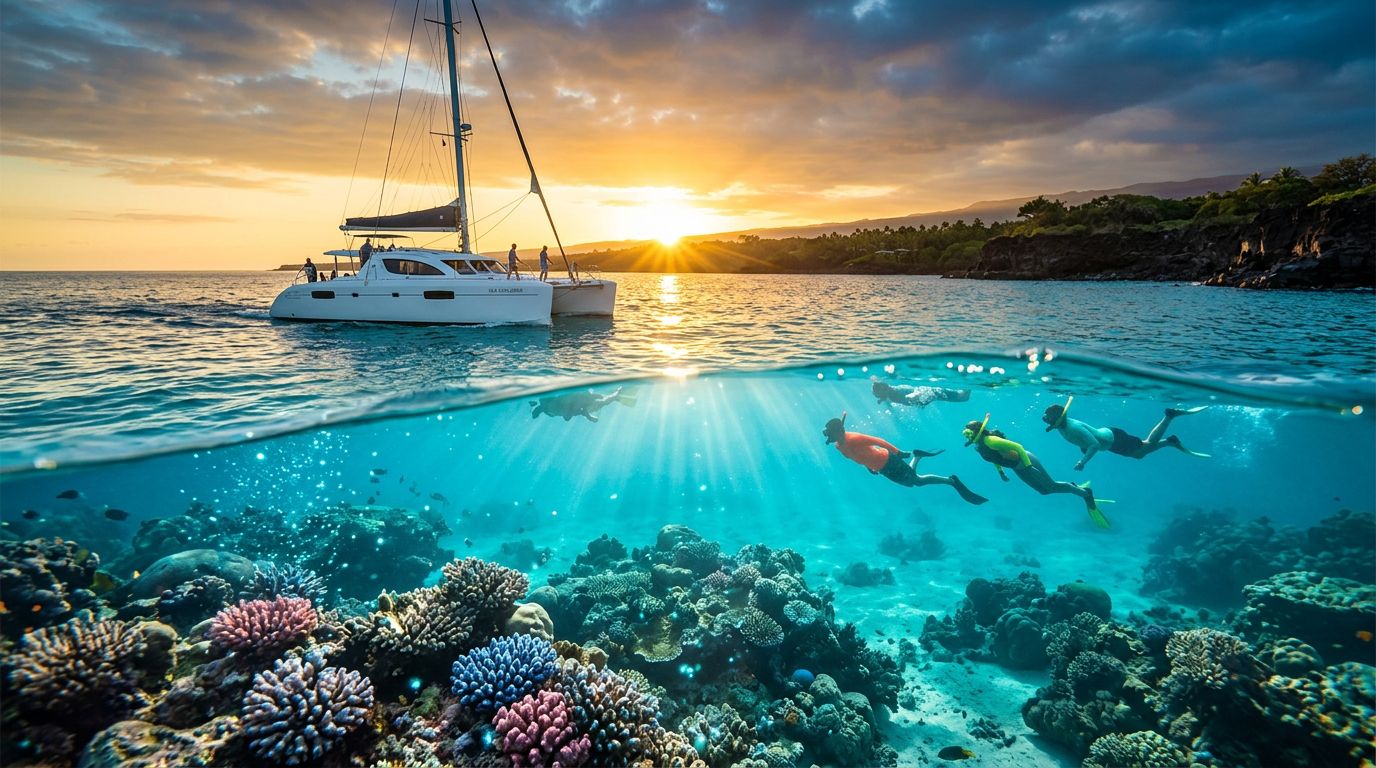
Kona Snorkel Trips keeps the price conversation honest: a good Captain Cook snorkel tour costs more when the boat, crew, route, and time on the water are better.
That can surprise you when two tours sound almost the same on paper. One looks cheap, another looks pricey, and the gap seems hard to explain.
Once you look at the trip itself, the price makes more sense. If you are comparing snorkeling Big Island Hawaii options, the ticket often covers far more than a quick swim stop, so the details matter.
What your ticket really covers
When you pay for a Captain Cook snorkel tour, you are paying for a full boat day, not a single splash in the water. The boat has to be fueled, cleaned, maintained, and insured. The crew has to be trained, paid, and ready for changing ocean conditions. The gear has to be in good shape and replaced when it wears out.
That is why two trips that both “go snorkeling” can have very different prices. A basic fare may cover the ride and a mask. A higher fare may cover a better boat, more support in the water, and a smoother day from start to finish.
You also pay for time. A trip to Kealakekua Bay is not the same as a short nearshore outing. More time on the water means more fuel, more crew hours, more planning, and more wear on the boat. A quick look at 2026 Waikiki boat tour prices shows the same pattern across Hawaii, longer trips and fuller inclusions push the fare up.
The route matters too. Some operators leave from a spot that cuts down on travel time. Others need a longer run to reach the bay, which changes the price in a real way. If you compare options on Big Island snorkeling tours, you will see that not every “snorkel tour” is built the same.
If you like simple math, here it is: more boat time, more crew time, and more support usually mean a higher fare. That is not a markup for the sake of it. It is the cost of running a safe trip well.
Small groups cost more, and you feel it on board
A crowded boat can shave dollars off the ticket price, but it can also shave comfort off your day. When a tour keeps the group small, you get more room to move, more help with gear, and more attention from the crew. That matters if you are nervous in the water, traveling with kids, or just want a calmer trip.
Smaller groups also slow the pace in a good way. You spend less time waiting for people to gear up. You spend less time getting lost in the shuffle. The crew can check your mask fit, help with fins, and watch the water more closely once you are in.
Kona Snorkel Trips leans into that kind of experience with a reef-to-rays approach, lifeguard-certified guides, strong safety habits, and small-group service. That style costs more to run than a packed, one-size-fits-all boat, because every guest gets more attention.
You feel that difference the minute you step aboard. The deck is less crowded, the entry is easier, and the crew has more bandwidth for real guidance. That is one reason people who book snorkeling Big Island trips often end up preferring the better-run tour, even when it costs a little more.
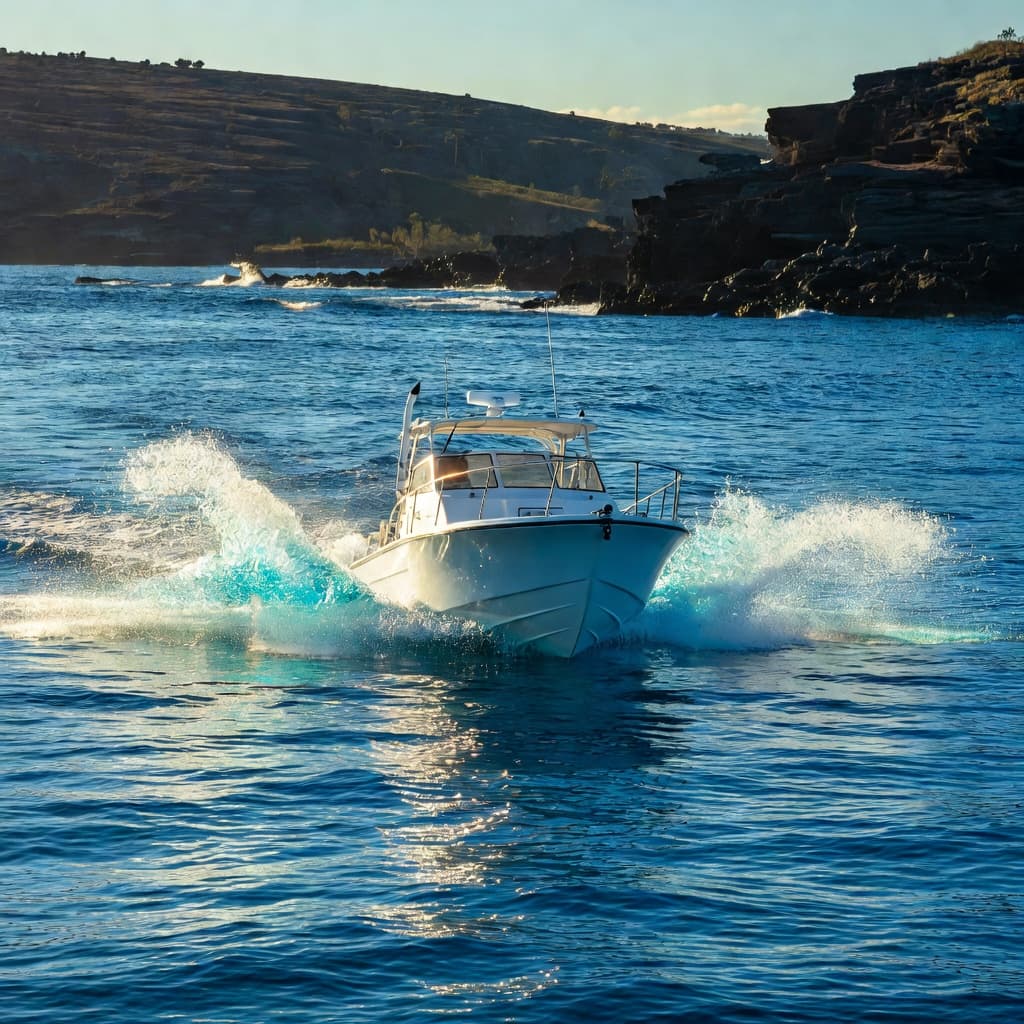
Kealakekua Bay and Captain Cook routes take more time
Captain Cook snorkel tours cost more in part because Kealakekua Bay is not an easy, throw-anywhere-in-the-water kind of stop. It is a protected marine area with a reputation that pulls people in. That popularity, plus the route itself, changes the math.
The boat ride takes time. The coastline is beautiful, but it is also working coastline, which means the captain has to read conditions, watch the swell, and plan a safe approach. Longer runs burn more fuel and take more crew time. If you want a tour built around this bay, Captain Cook Snorkeling Tours focuses on that exact experience.
The bay also draws repeat visitors because the snorkeling is often excellent. Clear water, fish life, and the historic setting make the stop feel special. Special places often cost more to visit because they take more care to access well.
A cheaper fare can look good until you count the crowd, the fuel, and the time you lose waiting around.
That is why a Captain Cook trip can price above a basic reef stop. The operator is not selling a swim. The operator is selling the route, the timing, the safety work, and the experience of being in one of the most known snorkel spots on the Big Island.
If you already know Kealakekua Bay is the reason you want to get on the water, the booking button below gives you a direct way to look at dates.
You can also think of the bay like a premium seat at a show. The stage is the same ocean, but the view, timing, and ease of access are better. That is why the fare is often higher.
What premium tours include that budget trips skip
A low-cost tour often cuts details you only miss once you are already offshore. Better trips usually include stronger gear, more support, and more comfort items. Those things add real cost.
Here is the part many people miss. You are not only paying for the snorkel stop. You are paying for the full trip experience around it.
| Feature | Budget trip | Higher-priced Captain Cook tour |
|---|---|---|
| Group size | More people on board | Fewer guests and more space |
| Gear quality | Basic masks and fins | Better-fitting gear and more help |
| Crew attention | Limited one-size service | More coaching and closer supervision |
| Route planning | Shorter or simpler outing | More time and care for the Captain Cook route |
| Comfort | Bare-bones setup | Better shade, seating, and pacing |
The table tells the story in plain language. A cheaper ticket often trims the parts that make the day easier. A higher-priced trip usually keeps those parts in place.
The same goes for food and extras. Some tours include snacks, drinks, flotation help, or better pre-trip guidance. Some give you a quick safety talk and send you out. Others spend more time fitting gear, explaining conditions, and helping you feel ready before you jump in.
That extra prep matters more than people think. If your mask fits better and your fins feel right, you spend more of the snorkel time watching fish and less time fixing problems. If the crew is paying attention, you waste less energy worrying about the current or your breathing.
For first-time guests, that support can turn a stressful outing into a good one. For confident swimmers, it still matters because it keeps the trip smooth. Higher pricing often pays for the small things that make the whole morning feel easier.
When a higher price is worth it
Not every expensive tour is better, but some are worth the extra money without much debate. If you want a calm boat, more space, and better guidance, the premium fare starts to make sense fast.
Families notice this first. When you are managing kids, gear, sunscreen, and nerves, a crowded boat can feel like a juggling act. A smaller group gives you more breathing room. It also gives the crew more time to help if someone needs a reset before getting into the water.
Couples often feel the difference too. A quieter trip gives you more time to enjoy the coastline and less time trying to move around other guests. If you booked the day as a special outing, that matters.
First-time snorkelers get the most value from a well-run higher-end tour. Good instructions, patient help, and a slower pace can change the whole mood of the trip. You are far more likely to relax when the crew has time to work with you.
If you want to snorkel Big Island waters without feeling rushed, the better boat often saves the day. That is especially true when you are comparing a famous stop like Captain Cook with a lower-cost trip that stays closer to shore.
People who book snorkeling Big Island adventures usually care about more than a price tag. They want clear water, a good route, and a trip that feels worth the flight to Hawaii. When that is your goal, the cheapest option is not always the right one.
How to compare Captain Cook snorkel tours without overpaying
A smart comparison starts with the details, not the headline fare. Two trips can look close in price and still deliver very different days on the water.
Ask about the things that change your actual experience. Then compare those answers side by side.
| Question to ask | Lower-priced answer | Better-value answer |
|---|---|---|
| How many guests are on board? | Larger group | Smaller group with room to move |
| How long is the trip? | Shorter outing | Enough time for the route and the swim |
| What gear is included? | Basic setup only | Better gear and help with fitting |
| How much guidance do you get? | Standard briefing | More hands-on crew support |
| What route are you taking? | General snorkel stop | Captain Cook or Kealakekua Bay focus |
The right question is not “What costs the least?” The right question is “What do I get for the price?” That shift saves you from comparing apples to oranges.
It also helps to look at the total. Taxes, parking, tips, and add-ons can change the real price more than you expect. A tour that looks cheap at first can end up close to a better tour once the extras show up.
When you compare tours this way, the price gap becomes easier to read. Sometimes the higher fare is just a name on a menu. Other times it reflects a better boat, better crew support, and a better day in the bay. The difference matters most when you care about comfort, safety, and time in the water.
Conclusion
Captain Cook snorkel tours cost more in 2026 for the same reason many good trips do, the operator is paying for a better route, a safer setup, and more time spent doing the work well. You are not only buying a snorkel stop. You are buying the boat, the crew, the planning, and the experience around the stop.
Once you look at the route, the group size, and the inclusions, the price starts to make sense. That is the real comparison when you book Captain Cook snorkel tours, because the cheapest ticket is only cheaper if the day still feels good when you are on the water.