
Dry Snorkel vs Traditional Snorkel for Captain Cook Snorkeling
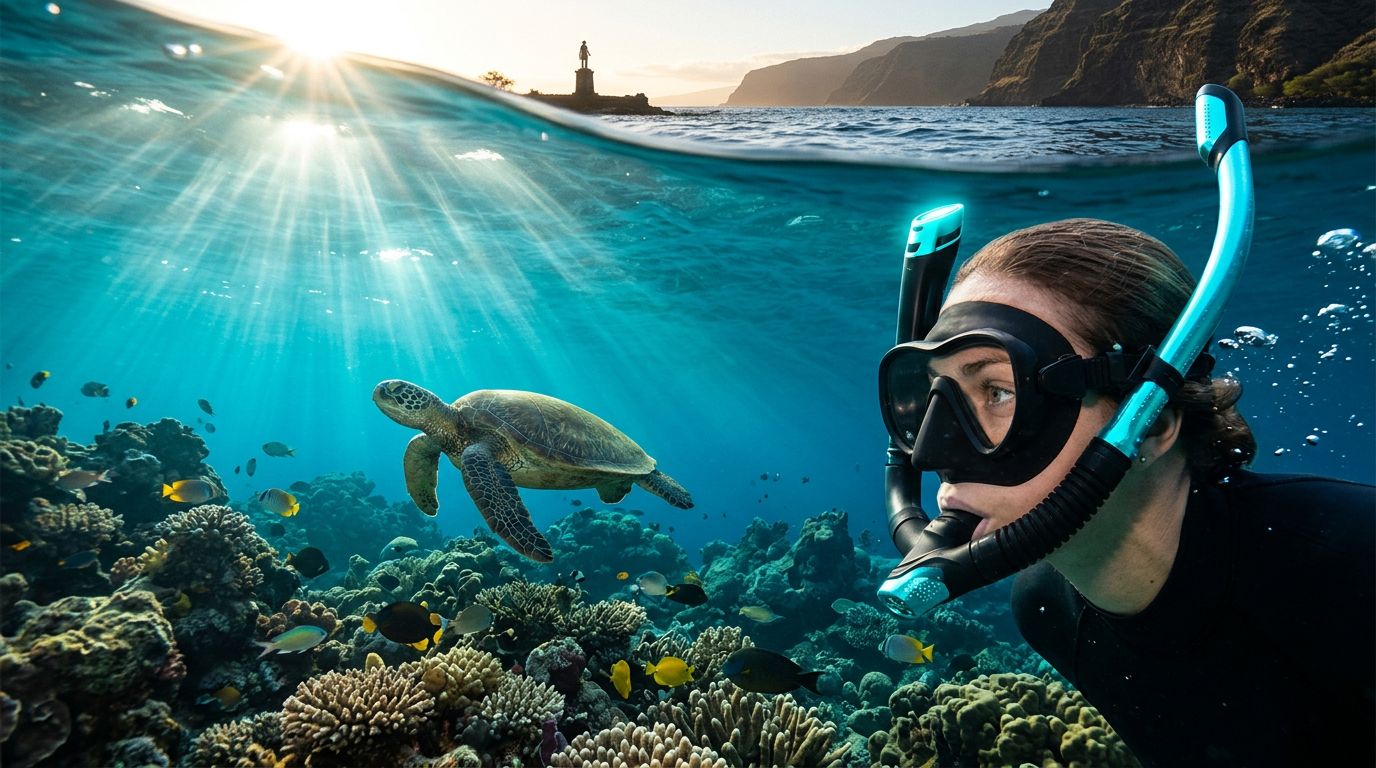
When you plan snorkeling Big Island Hawaii, the snorkel on your face can change how relaxed the whole swim feels. Companies like Kona Snorkel Trips hear this question a lot on Captain Cook trips, because the bay is calm enough to make gear comfort matter.
At Kealakekua Bay, you want your attention on coral, turtles, and clear blue water, not on clearing your tube every few minutes. The choice between a dry snorkel and a traditional snorkel comes down to how you breathe, how often you dip below the surface, and how much gear fuss you want to handle.
What changes when you snorkel at Kealakekua Bay
Captain Cook snorkeling gives you a good test case because the water is often clear and inviting, but it still moves. Small surface chop, passing boat wakes, and your own floating rhythm can make one snorkel feel better than another.
If you snorkel Big Island reefs often, you already know that comfort matters as much as visibility. A snorkel that feels fine in a pool can feel different once saltwater, spray, and rolling motion get involved.
For a broad look at gear types, Scuba.com has a useful overview of types of snorkels. Still, the real question for Kealakekua Bay is simpler. Do you want extra splash protection, or do you want the lightest, simplest tube possible?
On calm mornings, a dry snorkel can feel reassuring. On long, easy drifts, a traditional snorkel often feels cleaner and less distracting. Either one can work well at Captain Cook, but they do not feel the same once you’re in the water.
How a dry snorkel feels in real water
A dry snorkel uses a float valve or sealed top that closes when water reaches the opening. That helps keep splash and short dips from dropping water into the tube. If you are new to snorkeling or you get nervous when water sneaks into your mouthpiece, that can feel like a big win.
Many first-timers like the steadier breathing rhythm a dry snorkel gives them. Manta Cabo’s guide to dry snorkeling pros and cons breaks down the idea well, and the basic advantage is easy to understand. Less water entering the tube means fewer interruptions.
That said, a dry snorkel has moving parts. Salt, sand, and rough handling can make the top feel sticky. Some models also sit a little taller or bulkier, which you may notice if you move around a lot.
For a mellow Captain Cook swim, that trade-off may feel worth it. For a swimmer who likes quick turns, duck dives, or more active movement, the added hardware can feel like one more thing to manage.
A dry snorkel is a good match when you want your surface breathing to feel calm and protected. It is especially friendly for newer snorkelers, kids, and anyone who hates the surprise of a splash to the mouth.
Why some snorkelers still prefer the classic tube
Traditional snorkels stay popular for a reason. They are simple, light, and easy to understand. There is less hardware at the top, and fewer moving parts to worry about during the swim.
That simplicity matters at Captain Cook because you are there to watch the reef, not inspect your gear. A standard snorkel usually clears fast. If a little water gets in, you exhale sharply and keep moving. For confident swimmers, that feels smooth and familiar.
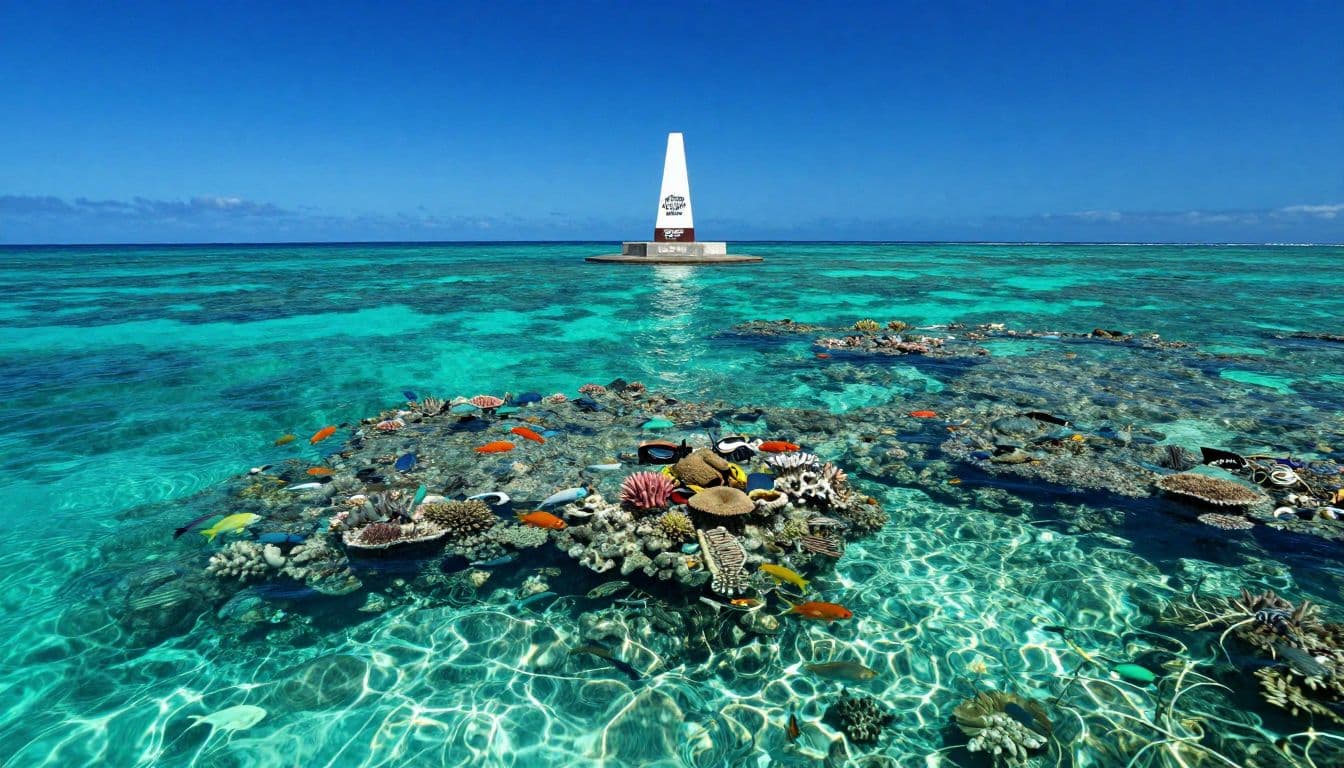
Traditional snorkels also tend to feel better if you move between the surface and shallow dives. Because the tube stays open, you do not have to think about a valve closing and reopening every time you change depth.
If you snorkel Big Island waters on your own, you may already prefer this style without thinking about it. It feels direct. It feels familiar. And on a calm bay day, that can be exactly what you want.
For people who swim well and dislike extra gear features, the classic tube is often the better choice. It gives you less to manage and more freedom to focus on the water around you.
Dry snorkel vs traditional snorkel at a glance
A side-by-side look makes the choice easier.
| Factor | Dry snorkel | Traditional snorkel |
|---|---|---|
| Surface splash | Blocks most splash and short dips | Lets water in more easily, so you clear it |
| Breathing feel | Calm and protected for newer snorkelers | Simple and open for confident snorkelers |
| Underwater movement | Less ideal for repeated duck dives | Better for quick dips and resurfacing |
| Gear feel | Can feel taller or bulkier | Usually lighter and less fussy |
| Best fit at Captain Cook | Relaxed surface swims and families | Clear-water snorkelers who like simplicity |
If you want the shortest answer, dry snorkels favor comfort while traditional snorkels favor simplicity. On a calm Captain Cook morning, both can work well if the mask fits and the mouthpiece feels right.
The snorkel you stop noticing after the first few breaths is usually the right one.
Which snorkel suits your style at Captain Cook
The best choice depends on how you swim, not on which snorkel sounds more advanced. If you want more comfort and less splash, a dry snorkel makes sense. If you want a lighter setup and easier clearing, a traditional snorkel may fit you better.
If you are heading out on a guided day, gear support can help a lot. Kona Snorkel Trips offers guided snorkeling excursions in Kona that cover several Big Island options, and that can take some pressure off your gear choice before you even reach the reef.
For a focused Kealakekua Bay day, Captain Cook Snorkeling Tours is built around that destination. That makes it a strong fit if your main goal is Captain Cook snorkeling and you want the trip centered on the bay.
If you are taking kids, a dry snorkel often feels gentler because it reduces the surprise of splash. If you are an experienced swimmer, a traditional snorkel may feel better because it gets out of the way.
A good rule for Captain Cook is simple. Pick the snorkel that feels natural on land, because that feeling usually carries into the water.
Simple gear tips that make either choice work better
The snorkel matters, but the mask fit matters more. If your mask leaks, the best snorkel in the world will not save the swim. A steady seal keeps your attention where it belongs, on the reef and the fish below.
Before you head out, try the mouthpiece for a few breaths. Bite down lightly, breathe through the tube, and turn your head side to side. If the snorkel feels awkward right away, swap it before you get in the water.
A few small habits help either style work better:
- Check the mask seal first so you are not fixing leaks during the swim.
- Practice clearing your snorkel before you launch, especially if you choose the traditional style.
- Stay relaxed on the surface because smooth breathing makes the whole swim easier.
- Switch gear early if a valve sticks, the mouthpiece feels wrong, or the tube feels too bulky.
Families often like dry snorkels because they cut down on small annoyances. Strong swimmers often prefer traditional snorkels because they feel lighter and more direct. Both choices can work for snorkeling Big Island Hawaii, but your comfort level decides which one feels best in the moment.
Conclusion
For Captain Cook snorkeling, the better snorkel is the one that matches how you swim. A dry snorkel gives you more splash control and a calmer surface feel. A traditional snorkel gives you simplicity, lighter gear, and easier clearing.
On the clear waters of Kealakekua Bay, you do not need the fanciest option. You need the one that keeps you breathing easily and paying attention to the reef.
If you want the most relaxed choice, start with comfort, then let the bay do the rest.