
What Happens When Your Mask Leaks on a Manta Ray Snorkel
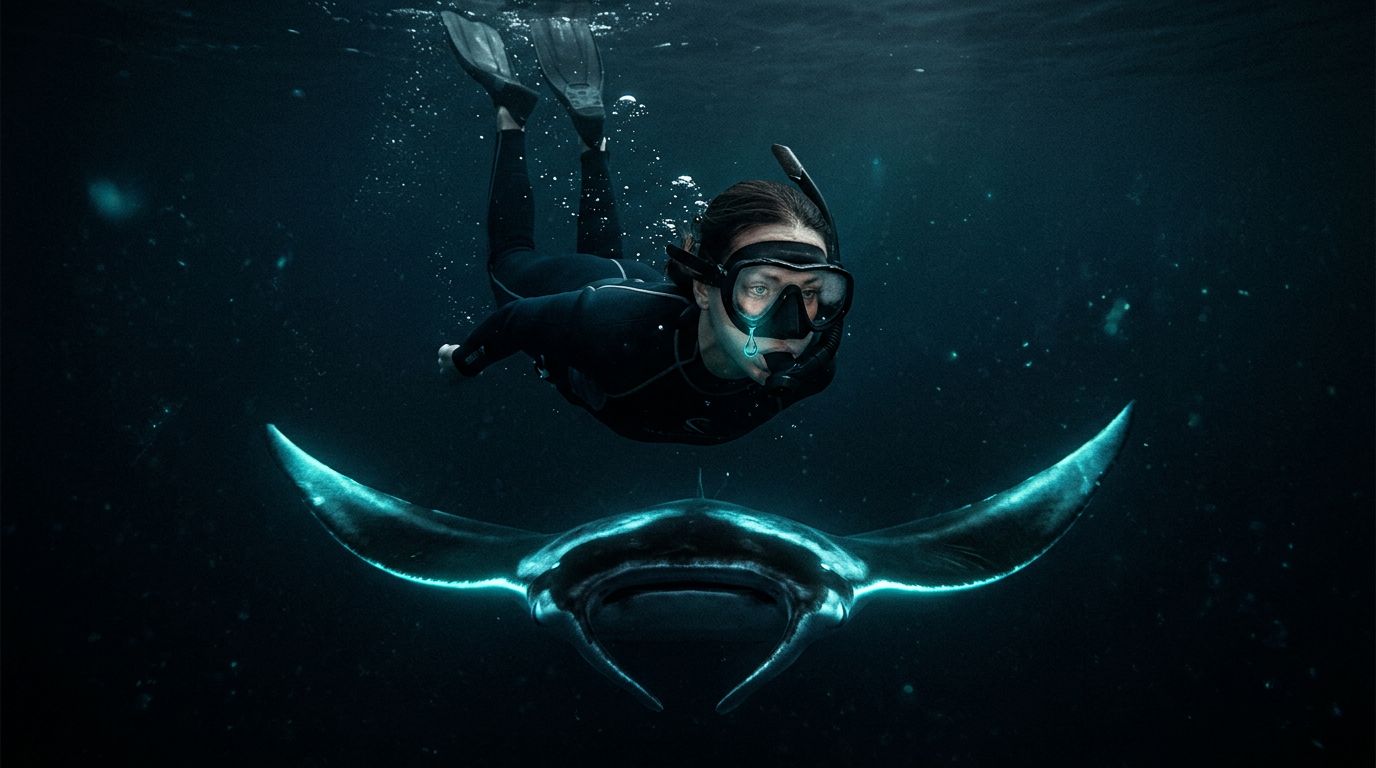
A leaking mask can turn a calm manta night into a distraction fast. A few drops of water do not sound like much, but on a dark ocean float, they pull your attention away from the mantas below.
Kona Snorkel Trips is a smart place to start if you want help with fit and gear before the water ever touches your face. On a trip like this, comfort matters as much as the view.
You do not need a perfect seal to enjoy the snorkel. You do need to know what a leak means, how to handle it, and when to ask for help. The good news is that most leaks stay small if you react early.
Why a mask leak feels worse on a manta ray snorkel
On a daytime reef swim, a little water in your mask can feel annoying but manageable. On a manta ray snorkel, the setting changes everything. You are floating still, the water is dark, and your attention keeps dropping to the lighted space below. That means even a tiny leak can feel much bigger than it is.
The mask also has a louder job at night. It is not only giving you a view, it is helping you stay calm while you wait for the mantas to pass below. If water slips in near your nose or cheek, your breathing rhythm changes. Then you start thinking about the mask instead of the scene.
That is why a manta ray snorkel mask leak feels so disruptive. It can make you lift your head, clear your mask again and again, and miss the slow, smooth movement people come for.
On snorkeling Big Island Hawaii trips, especially at night, small gear problems stand out fast. A drip in a quiet room is one thing. A drip in your mask while you are floating under bright lights is another.
What a leak does to your body and the night
Water inside the mask usually starts with a tiny feeling near the nose or the edge of the skirt. After that, your breathing often gets tighter. You may snort, clear the mask too often, or raise your face just to check it again. Once that starts, the whole swim can feel harder than it should.
A steady leak can also fog the lens faster. Warm breath, cool seawater, and a wet seal make the inside of the mask less clear. When you are watching manta rays at night, that matters. You want a clean, steady view, not a smear of fog every time you look down.
Here is a quick way to judge how serious the leak is.
| What you feel | What it usually means | Best move |
|---|---|---|
| A few drops near the nose | Small seal issue or stray hair | Adjust the mask and keep going |
| Water after every breath | Strap or fit problem | Reset the mask on deck or ask for help |
| Water fills the bottom fast | Poor fit or bad placement | Stop, clear it, and change masks if needed |
The table is a guide, not a rulebook. If the leak keeps coming back, treat it as a fit problem, not a personal failure. A good mask should feel quiet and easy.
The goal is comfort you do not notice, not a mask you keep fighting.
The fastest way to handle a leak in the water
When you notice water, stay calm first. Panic burns air faster than a small leak does. Keep your mouth on the snorkel, slow your breathing, and let the guide know if you need help. On a manta trip, you are usually floating beside a board or support, so you have time to solve it without rushing.
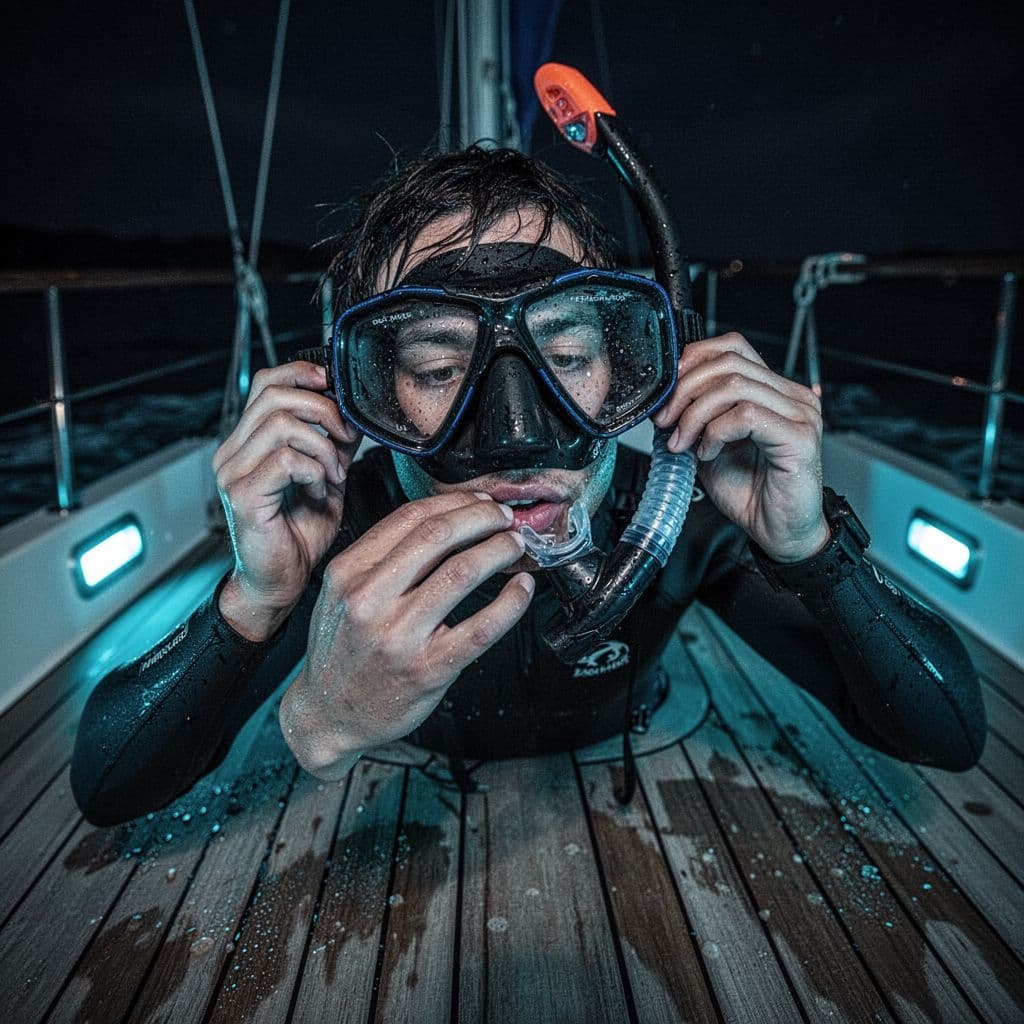
Start with the simplest fix. Lift the bottom edge of the mask slightly, exhale through your nose to clear it, and press the frame back into place. If the top edge is the problem, move the strap a little higher on the back of your head. If the leak still returns, loosen the strap a bit. A lot of people overtighten their mask and make the seal worse.
Hair is another common problem. A single strand caught under the skirt can break the seal and keep feeding water into the mask. Sunscreen, sand, and even a bit of salt on the skin can do the same thing. If you keep getting the same leak after two tries, ask for a different mask or a guide check. That is what they are there for.
Why masks leak in the first place
Most leaks come from a small fit problem, not a bad snorkel trip. Once you know the common causes, you can fix them faster.
- Hair under the seal: Even one loose strand can break the edge of the mask and let water seep in.
- Strap too tight: Tight straps often bend the skirt inward, which creates more leaks instead of fewer.
- Wrong mask shape: Faces are different. A mask that fits one person well may leak on someone else.
- Mask sits too high or too low: The seal has to sit flat. A small shift can open a gap.
- Sunscreen, sweat, or sand: Anything slippery on the skin can weaken the seal.
- Facial hair: A mustache or beard can keep the skirt from lying flat against the skin.
Families and first-time snorkelers on snorkeling Big Island trips see this a lot with kids. Kids often pull the strap too hard because it feels safer. In practice, that usually causes more leakage. A light, balanced fit works better.
If you snorkel Big Island often, you know comfort starts before the first splash. A mask that feels fine on land usually behaves better in the water.
How to test the fit before you leave shore
A quick fit test saves a lot of frustration later. Do it before you step onto the boat, not after you are already floating in the dark.
- Place the mask on your face without using the strap. Inhale gently through your nose. If it stays in place for a moment, the seal is close.
- Smile, turn your head, and look side to side. The mask should stay centered and not shift around your nose or cheeks.
- Pull your hair back and place the strap high on the back of your head. A low strap often lets the mask slide.
- Tighten only until the mask feels snug. If you crush the skirt, you usually make the seal worse.
- Clear the mask once on deck or in shallow water so the movement feels familiar before the swim starts.
If you are booking a snorkeling Big Island Hawaii trip with kids or nervous swimmers, this matters even more. A few minutes of testing can save the whole group from stress later.
You should also ask for help early if something feels off. A guide can spot a crooked strap or a bad seal in seconds. That is much easier than trying to fix it after you are already focused on breathing.
What first-timers, kids, and couples should expect
A mask leak feels bigger when you are new to snorkeling. Kids often react first because the water sensation surprises them. Couples often try to stay quiet and keep going, even when they should reset. Both reactions are normal.
If you are snorkeling Big Island for the first time, give yourself permission to stop and fix the gear. You are not slowing the trip down. You are making it better. A calm reset is faster than fighting a bad seal for twenty minutes.
For kids, one simple rule helps a lot. Tell them to raise a hand as soon as water gets into the mask. They do not need to tough it out. They need a quick fix and a calm restart.
For adults, the biggest mistake is overcorrecting. You might tighten the strap, wipe the inside of the lens, or keep holding your breath. None of that solves the real issue. A clean seal and steady breathing do.
Couples also benefit from staying patient with each other. If one of you needs a reset, slow down together. The best manta nights happen when you stop treating a leak like a crisis.
Choosing the right tour helps more than you think
A good guide can make a mask problem much easier to handle. If you want help with gear, fit, and comfort, guided Big Island snorkel tours are a solid place to start. Kona Snorkel Trips focuses on small groups, lifeguard-certified guides, and reef-safe habits, which helps when you need quick gear support before the swim.
If you want a trip that puts gear help first, you can also check availability before you go.
If manta is the main goal, Manta Ray Night Snorkel Hawaii is the next name to know. For a manta-only night, a clean-fitting mask matters even more because you spend so much time floating still. You can check availability when you are ready.
The right operator does not remove every gear issue. It does give you a better chance of fixing one fast and getting back to the reason you came out there in the first place.
Conclusion
A leaking mask can turn a manta snorkel into a distraction, but it does not have to end the night. If you catch the issue early, reset the fit, and ask for help fast, the leak usually stays small.
The real fix is simple. Check the seal before you enter, keep the strap comfortable, and choose a trip that supports you when something feels off. That matters on any reef swim, and it matters even more on a dark manta night.
When your mask fits well, you stop thinking about gear and start watching the water below. That is the part you came for.