
What Shoes to Wear on a Kona Manta Ray Night Snorkel
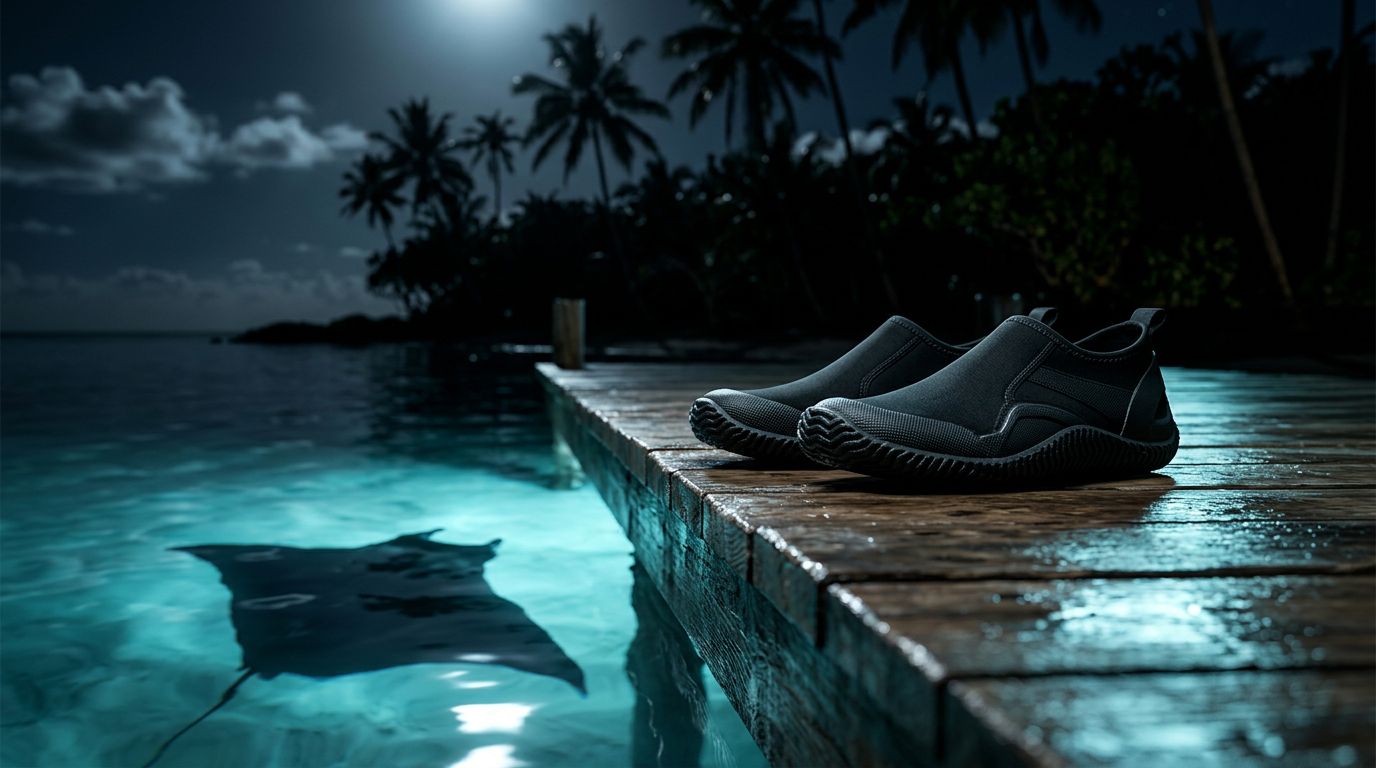
The right shoes can make your Kona manta ray night snorkel feel easy before you even hit the water. The wrong pair can leave you slipping on a dock, shuffling on a boat deck, or fumbling with straps in the dark.
If you are comparing operators, Kona Snorkel Trips is a strong place to start, and Manta Ray Night Snorkel is another name many travelers look at for this kind of outing. For snorkeling Big Island Hawaii, shoes matter more than style, because your footing on land is the part that usually surprises people.
You do not need special dive boots for every trip. You do need a pair that grips wet surfaces, comes off fast, and feels steady when you step onto a dark dock. That’s the sweet spot for a smooth night on the water.
What your shoes need to handle after sunset
A manta ray night snorkel is simple in the water, but the boarding process is where most shoe problems show up. You may walk across a damp marina, step onto a moving boat, and stand near a ladder while the deck rocks under you. At night, every small slip feels bigger.
That’s why the best shoes for a manta ray snorkel in Kona do four things well. They grip wet surfaces. They protect your toes. They dry fast. They come off without a fight.
If you are checking out guided snorkeling excursions in Kona, the same logic applies across most boat trips. It also helps if you want to check availability before you pack, because then you can choose shoes with the trip in mind instead of guessing at the airport.
For another first-timer perspective, this manta ray snorkeling guide has a useful packing checklist. Still, the basic rule stays the same, your shoe should help you move calmly in the dark, not make you think twice about every step.
If your shoes feel slippery on a wet kitchen floor, they’ll probably feel worse on a Kona dock.
For snorkeling Big Island trips, the dock-to-boat walk is often the most shoe-sensitive part of the evening. Once you’re on board, you’ll usually sit, wait, and then remove your shoes before entering the water. That means you want comfort, quick removal, and a secure grip more than heavy padding or flashy looks.
The best manta ray snorkel shoes for Kona
The best manta ray snorkel shoes are usually closed-toe water shoes with a firm sole and good traction. They protect your feet from dock edges, boat hardware, and the occasional awkward step. They also dry faster than regular sneakers.
Here’s a quick side-by-side view of the most practical choices.
| Shoe type | Best for | Watch out for |
|---|---|---|
| Closed-toe water shoes | Most travelers, especially first-timers | Make sure the sole is thick enough for wet docks |
| Sport sandals with heel straps | Easy on and off, warm weather comfort | Loose straps can shift when wet |
| Neoprene booties | Extra warmth and a snug feel | They can be slower to remove on a busy deck |
| Bare feet with deck grip | People who plan to remove shoes right away | Only works if the crew allows it and you’re steady on wet surfaces |
For most people, closed-toe water shoes win. They give you a little armor without feeling bulky. They also work well if you are the kind of traveler who wants one pair that can handle more than one ocean day.
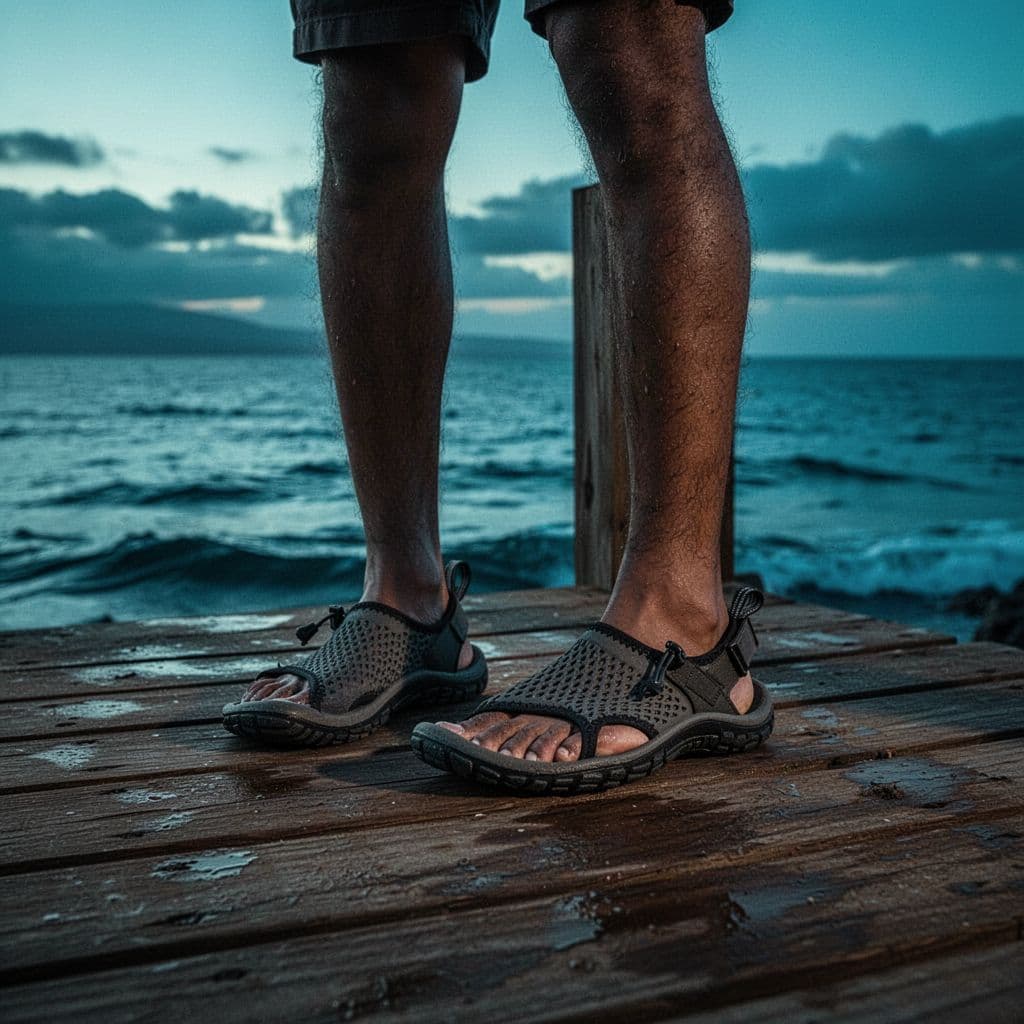
If you want something lighter, a sport sandal with a heel strap can work. The strap matters. A loose slip-on sandal will feel fine on dry pavement, then act like a different shoe once spray hits the deck. A heel strap gives you more control while you move.
Neoprene booties are useful if your feet get cold fast or you want a snug, sock-like fit. They are common for people who already own snorkel gear and do a lot of ocean time. The tradeoff is convenience. If you want a fast transition from dock to boat, they are not always the easiest choice.
For snorkeling Big Island days that include several stops, one strong pair of water shoes can pull double duty. That matters if you plan to snorkel Big Island more than once on the same trip.
Shoes you should leave in the car
A lot of people pack the wrong shoe because they focus on the water part and forget the boat part. The boat part is where comfort and grip matter most.
The main shoes to skip are:
- Loose flip-flops. They slide around, and they can catch on wet surfaces.
- Dress sandals. They look fine on land, but the soles usually lack grip.
- Heavy sneakers. They hold water, dry slowly, and feel clumsy on a ladder.
- Worn-out water socks. They may work in a pool, but they are too thin for dock use.
A good test is simple. If the shoe has a smooth bottom, a loose heel, or a fabric upper that soaks up water, pass on it. You want the opposite.
If you still like the ease of sandals, choose one with a stable heel strap and a sole that feels sticky on wet tile. If you prefer full coverage, a water shoe with a close fit gives you more confidence when the dock is damp and the boat is rocking.
Think about what happens after sunset too. You may be carrying a towel, a mask bag, or a small dry pouch. Shoes that need constant adjusting only make that part harder. For a night snorkel, the simplest shoe is usually the best one.
Match your footwear to how you travel
Your best shoe choice depends on how you like to move through a trip. If you travel light, a compact pair of water shoes makes sense because they dry fast and tuck into a day bag. If you bring more gear, you may prefer sandals that slip off quickly once you’re aboard.
Families usually do best with shoes that stay on securely and protect toes. Kids tend to move fast, and wet decks do not care about excitement levels. A snug water shoe also helps if you are helping younger swimmers with masks, towels, or fins.
Couples often look for convenience first. If you’re heading out for a relaxed evening, a shoe that is easy to remove and easy to find in the dark saves time. That is one reason so many travelers pair a manta snorkel with simple water shoes instead of packing separate boat shoes.
If you want a more private setup, private Kona snorkel tours give you more room to sort out your gear without a crowd around you. That can matter if you travel with grandparents, younger kids, or anyone who likes a calmer pace.
When you are planning snorkeling Big Island Hawaii adventures, keep the shoe choice boring and reliable. That is the goal. The right pair should feel invisible once you’re on board, because the real memory should be the manta rays, not your footwear.
What Kona Snorkel Trips gives you on a night manta run
Kona Snorkel Trips keeps the setup simple with small-group trips, experienced guides, and a strong focus on guest safety. The company’s Reef to Rays philosophy shows up in the details, from quality snorkeling gear to careful reef respect. That matters on a night trip, because you want clear direction before you ever step toward the water.
That kind of setup helps you focus on the small things that matter, like choosing shoes that are easy to remove and stable on deck. It also helps if you prefer a guided experience instead of guessing your way through a busy marina.
If you want to look at the full range of trips first, the Big Island snorkeling tours page is a good starting point. For the night run itself, the Big Island manta ray night snorkel page gives you the clearest look at what the tour includes.
For booking, you can check availability when you’re ready to lock in your plans.
Another name travelers compare is Manta Ray Night Snorkel, especially when they want a dedicated manta outing. That makes sense if your whole evening is built around the night swim and you want to keep the plan focused.
If you choose a manta-specific trip, you can check availability and match your footwear to the tour details before you go.
That leaves you with one less thing to think about on the night of your trip.
A simple packing check before you leave your room
A quick shoe check can save you from second-guessing yourself at the marina. Try the pair on before you head out, walk on a smooth floor, and see how they feel when your feet are a little damp. If they slide, pinch, or drag, pick a different pair.
A few signals tell you the shoe is right:
- The heel stays in place when you walk fast.
- The sole grips when the floor is wet.
- The shoe comes off without a tugfest.
- The fit feels snug, but not tight.
- The material dries quickly after a splash.
If you are traveling with family, let everyone test their shoes before dinner. Kids often complain less in the room than on the dock. Adults do the same thing, they just do it more quietly.
Pack a small backup plan too. A dry bag helps if you want to keep your footwear separate from towels or phones. A light jacket can help if you get cold after the snorkel. None of that replaces the right shoe, but it makes the rest of the night easier.
If you’re the type who plans to snorkel Big Island beaches during the day, one pair of water shoes can do a lot of work. They can handle rocky entries, marina walks, and quick stops. That is why many travelers pick a pair that looks plain but performs well.
Conclusion
For a Kona manta ray night snorkel, the best shoes are the ones that keep you steady, dry fast, and get out of the way when it’s time to swim. In most cases, that means closed-toe water shoes or a secure sport sandal with a heel strap.
If you remember one thing, make it this: pick grip over style. The manta rays get your attention once you’re on the water, but the right footwear helps you get there without stress.
When your shoes fit well and feel reliable on a wet dock, the whole evening feels smoother. That’s a simple upgrade, and it makes a big difference.