
What Happens If Weather Cancels Your Captain Cook Snorkel Tour
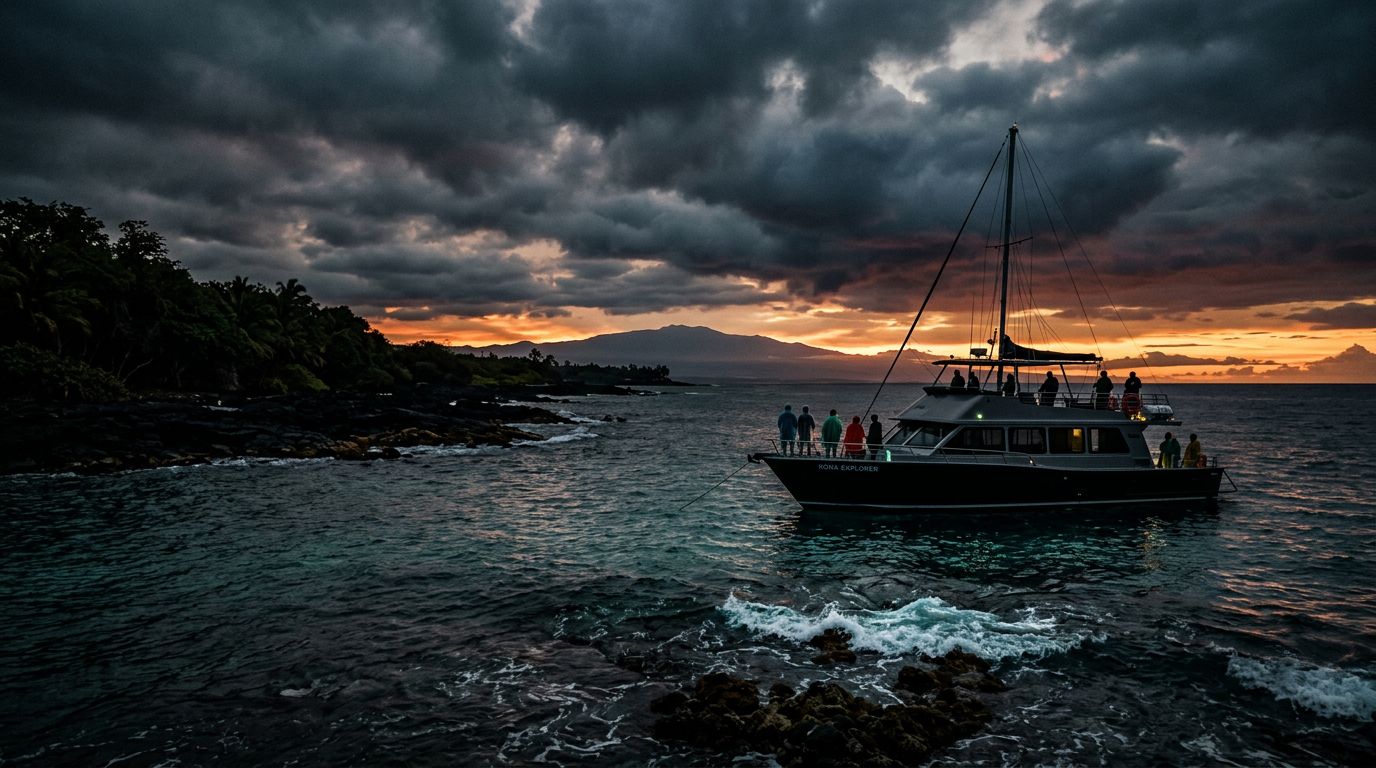
When weather turns rough, your Captain Cook snorkel tour may be delayed, rerouted, or canceled before you ever reach the bay. That can sting, especially when snorkeling Big Island Hawaii is the main reason you’re there.
The good news is that a weather cancel usually means the crew chose safety over wishful thinking, which is the right call on a volcanic island where the ocean can shift fast. If you know what happens next, the whole day feels a lot less uncertain.
Why weather can cancel a Captain Cook snorkel tour
Weather cancellations happen for practical reasons. Wind can push the boat around, swell can make the ride rough, and surge can turn a pretty snorkel site into a poor one.
Rain alone rarely tells the whole story. On the Big Island, the sea state matters more than the view from your hotel balcony. A snorkel Big Island morning can look calm at sunrise and rough by late morning, especially on the Kona coast when trade winds pick up.
Captains watch more than one forecast. They look at wind direction, wave height, current, visibility, and the ride to Kealakekua Bay. A day that looks fine on land can still be a bad day offshore.
Many operators explain the same idea in their weather policies, like this hazardous weather FAQ. The basic rule is simple, if the ocean doesn’t look safe, the trip doesn’t go.
A calm shoreline and a safe snorkeling window are not the same thing.
When the ocean says no, the smart move is to listen.
What usually happens after the captain cancels
What happens next is usually straightforward, even if the news disappoints you.
You get a message as soon as the team knows the trip won’t run. Sometimes that happens the night before. Sometimes it happens at the dock.
Then the office usually gives you one of a few options:
- reschedule for another open date
- take a refund if the policy allows it
- switch to another trip if the operator offers a safe alternative
The exact outcome depends on timing. If the company cancels, you are not being penalized for bad weather. If you cancel first because the forecast looks rough, the normal guest policy may apply.
That difference matters. It also explains why quick communication helps. The sooner you reply, the easier it is to protect your spot on a better day.
For many travelers, the biggest relief is that the decision is made for safety, not convenience. Nobody wants to push a snorkel trip into bad water just to keep the schedule intact.
What the captain is watching that you cannot see
The weather you feel on shore is only part of the picture. The captain is watching the launch, the return, and the stretch of water where you actually snorkel.
At Kealakekua Bay, a trip can look fine from the parking area and still be poor in the water. Currents can move the boat more than you expect. Surge can make ladders, swim steps, and entries harder for less confident swimmers.
Visibility matters too. You may still see fish in decent light, but stirred-up water makes the experience less rewarding and less safe. If the water turns cloudy or choppy, the whole point of the trip changes.
A good captain also thinks about the ride home. If conditions are getting worse instead of better, the last part of the trip can become the hardest part. That matters just as much as the snorkeling time itself.
That is why cancellations can happen before anyone gets wet. The crew is protecting the whole experience, not only the minutes in the water. For you, that means one less day of forcing a bad call.
In other words, a cancel is often a sign that the trip stayed honest. It didn’t pretend the ocean was something it wasn’t.
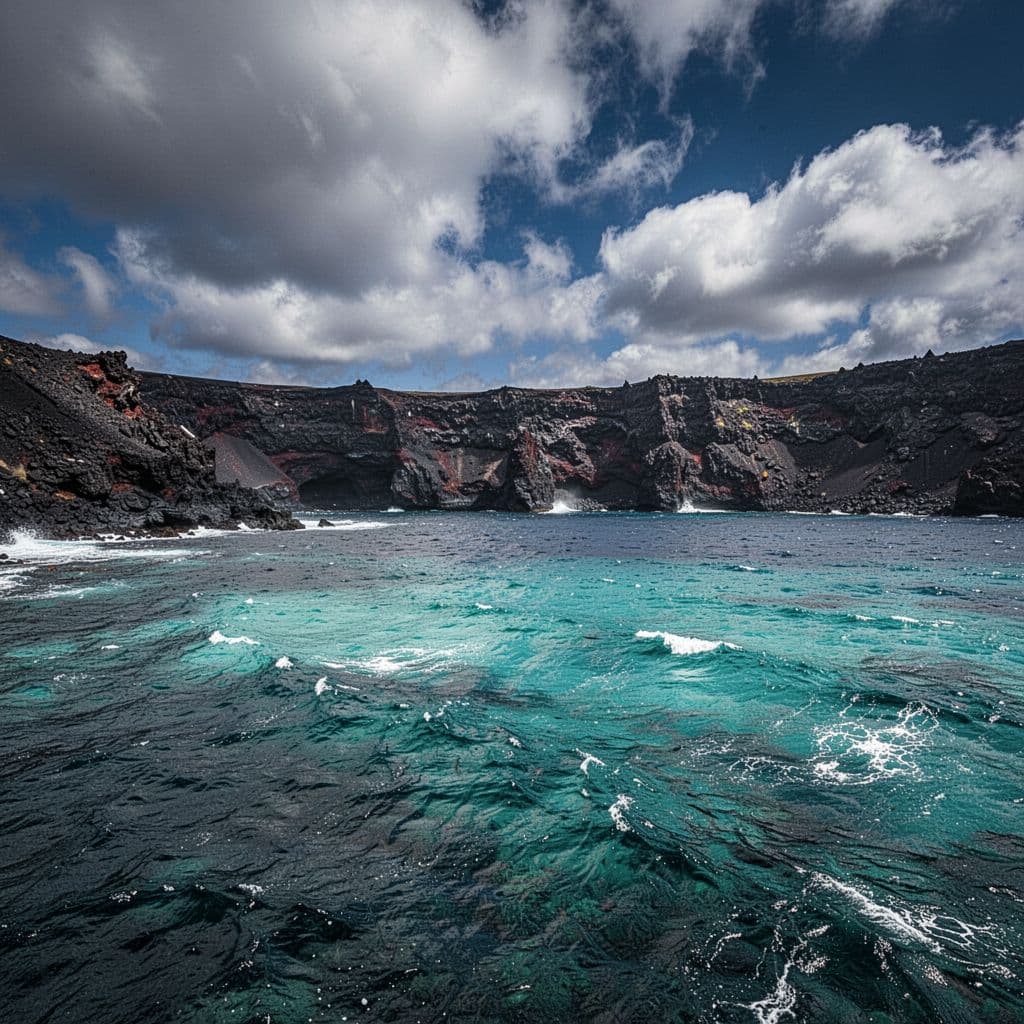
Weather on the Kona coast can shift faster than you expect, which is why the final call matters.
How Kona Snorkel Trips handles weather and guest care
Kona Snorkel Trips handles weather the way a strong ocean operator should, with clear calls, small groups, and a safety-first mindset. The team follows a reef-to-rays philosophy, which means the focus stays on good gear, clean communication, and respect for the water.
That matters when you are booking a Captain Cook snorkel tour, because weather can change the ride long before it changes the bay itself. Lifeguard Certified guides can read a trip in real time and adjust before things get messy. That kind of judgment keeps your day from becoming guesswork.
If you want a brand focused on Kealakekua Bay specifically, Captain Cook Snorkeling Tours is built around that route.
The best operators do not hide the hard call. They explain it, keep you posted, and help you plan the next move. That is a big part of why travelers trust the trip even when the forecast looks mixed.
That support matters on family trips, couples’ getaways, and solo days alike. You want less guessing, not more. You also want a team that treats a changed forecast like part of the job, because it is.
Refunds, reschedules, and timing
The details change with timing, so it helps to think in scenarios. The table below gives you a quick way to read the most common outcomes.
| Situation | What usually happens | What you should do |
|---|---|---|
| Captain cancels before departure | You are usually offered a new date or a refund, depending on policy and availability | Watch for a message and reply fast |
| Weather changes at the dock | The crew may wait, reroute, delay, or cancel | Keep your phone on and stay close to the check-in area |
| Forecast looks bad the day before | The trip may still run if the sea stays manageable | Avoid canceling too early unless the policy says you can |
| You cannot rebook the same day | The office may offer the next open slot or a refund | Ask how long it takes for the change to process |
The important part is the split between operator-canceled trips and guest-initiated changes. That split shows up in many weather and rescheduling policies, because the timing changes what the office can offer.
You should also check the booking terms before you pay. That sounds boring, but it saves stress later. If you know the rules ahead of time, a rainy forecast won’t feel like a surprise.
How to read the forecast without overthinking it
Don’t treat every cloudy icon as a cancel. On the Kona coast, you should care more about swell, wind, and marine advisories than about a random rain chance.
For snorkeling Big Island, the water call matters more than the sky. A dry day can still be a bad snorkeling day. A gray day can still be fine.
If the forecast mentions strong trades, steep swell, or rough nearshore conditions, the captain may call it. That is especially true around exposed coastlines and the boat launch. Water that looks choppy from shore usually feels worse once you are on it.
A simple routine works best. Check the forecast the day before, then again in the morning. After that, let the crew make the final call. You can find the same kind of logic in this hazardous weather policy example, where the captain decides whether conditions are safe enough to go out.
That approach saves you from second-guessing a decision that depends on conditions you cannot see from land.
What to do with the rest of your day if the tour is canceled
Keep the day useful. A canceled snorkeling Big Island trip does not waste the whole vacation.
You can shift to coffee, beaches, a scenic drive, or a later water activity if the ocean improves. On the Kona side, the weather often varies by zone, so one part of the island can look better than another. That gives you room to move the plan instead of throwing it away.
If you want to compare other ocean days, Big Island snorkeling tours give you a quick way to see what else fits your schedule. That kind of backup plan can help a lot when you want to keep your time on the water.
Families usually feel better when there is a new plan waiting. Couples do too. Even solo travelers get more out of the day when they swap frustration for something simple and fun.
It also helps to keep one open slot in your itinerary. Then, if weather moves your Captain Cook snorkel tour, you can slide it instead of losing it.
Booking with confidence when forecasts look mixed
Mixed weather reports are normal in Kona. The trick is to book with an operator that treats weather like part of the process, not a surprise.
That means quick updates, honest calls, and a crew that knows when to reroute or stop. It also means choosing the trip you want for the right reasons. If you want Kealakekua Bay and the Captain Cook route, that shoreline matters more than chasing the cheapest seat.
When conditions line up, you can use the Captain Cook booking option below and lock in your spot with less stress. If the forecast looks uncertain, keep your backup day open.
If you are planning snorkeling Big Island Hawaii style, a little flexibility is part of the deal. The sea sets the schedule. When you work with that instead of against it, the whole day goes smoother.
Conclusion
When weather cancels a Captain Cook snorkel tour, the frustrating part is the delay, not the outcome. A captain who cancels early is protecting you from rough water, poor visibility, or a ride that would not feel worth the risk.
Most of the time, you end up with a reschedule or a refund, plus a better feel for how Kona weather works. That knowledge pays off the next time you plan a day in the water.
The best trips happen when you respect the ocean’s timing.