
How to Practice in a Pool for a Kona Manta Ray Night Snorkel
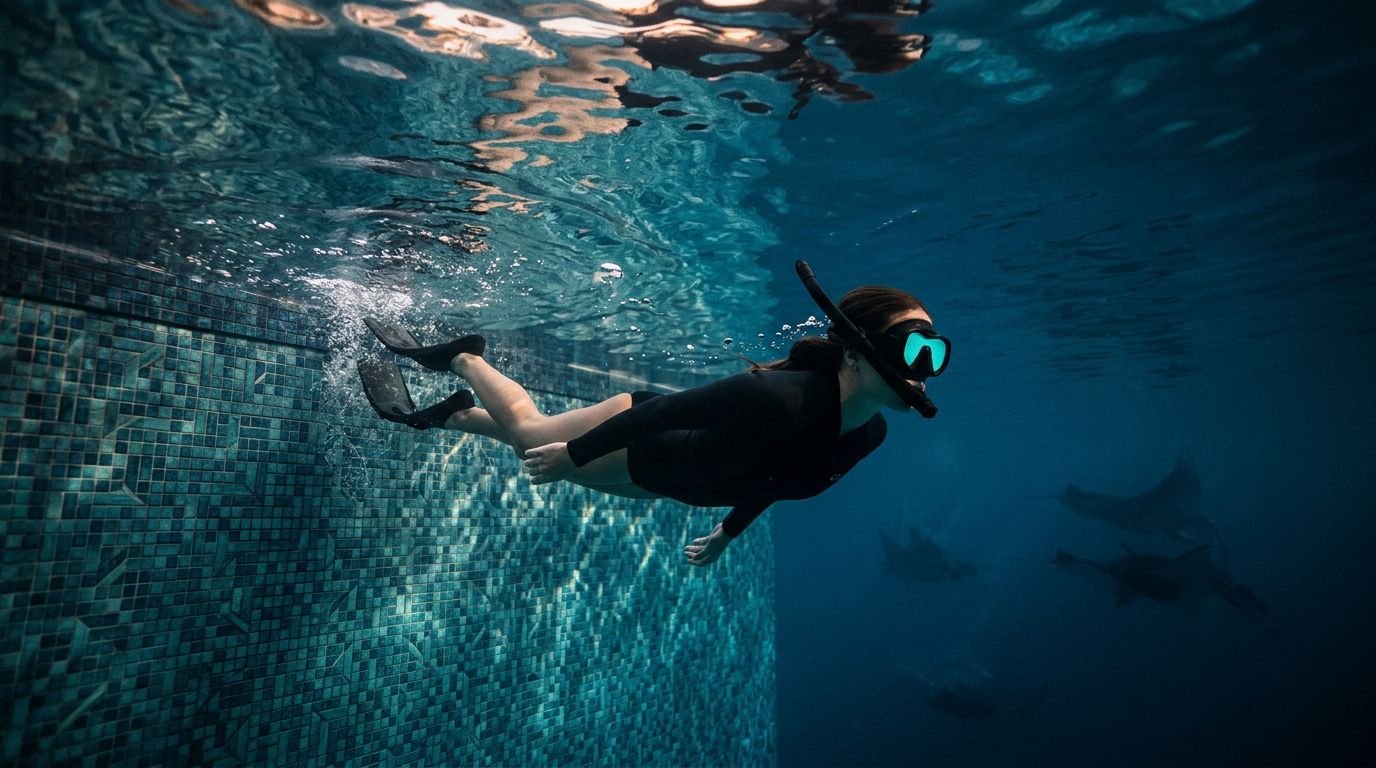
A calm first swim matters more than most people think. If you’ve been researching snorkeling Big Island Hawaii trips, the pool is where you remove the guesswork before the ocean adds darkness and motion.
Kona Snorkel Trips is a strong local choice for a guided Kona manta ray snorkel, and Manta Ray Night Snorkel is another Kona-based option people compare when they plan a manta trip. Pool practice helps either way, because your body learns the gear before the night water asks for attention.
If you already know the basics, the pool session is where you turn them into muscle memory. The goal is simple, get comfortable enough that the real night feels exciting, not chaotic.
Start with a pool session that matches the ocean you want
You don’t need a hard workout. You need a calm, repeatable session that feels close to what you’ll do offshore.
For snorkeling Big Island, the best pool practice starts in the shallow end or along a wall. That gives you a place to stop, stand, and reset whenever something feels off. Bring your mask, snorkel, fins, and any exposure layer you’ll wear on the boat. If you plan to wear a rash guard, wear it in the pool too.
Keep the first session short. Twenty minutes is enough if you stay focused. Spend the first few minutes on fit, then move to breathing, then end with a few relaxed floats. A step-by-step routine like this pool practice guide can help you keep the session simple and avoid bouncing between skills.
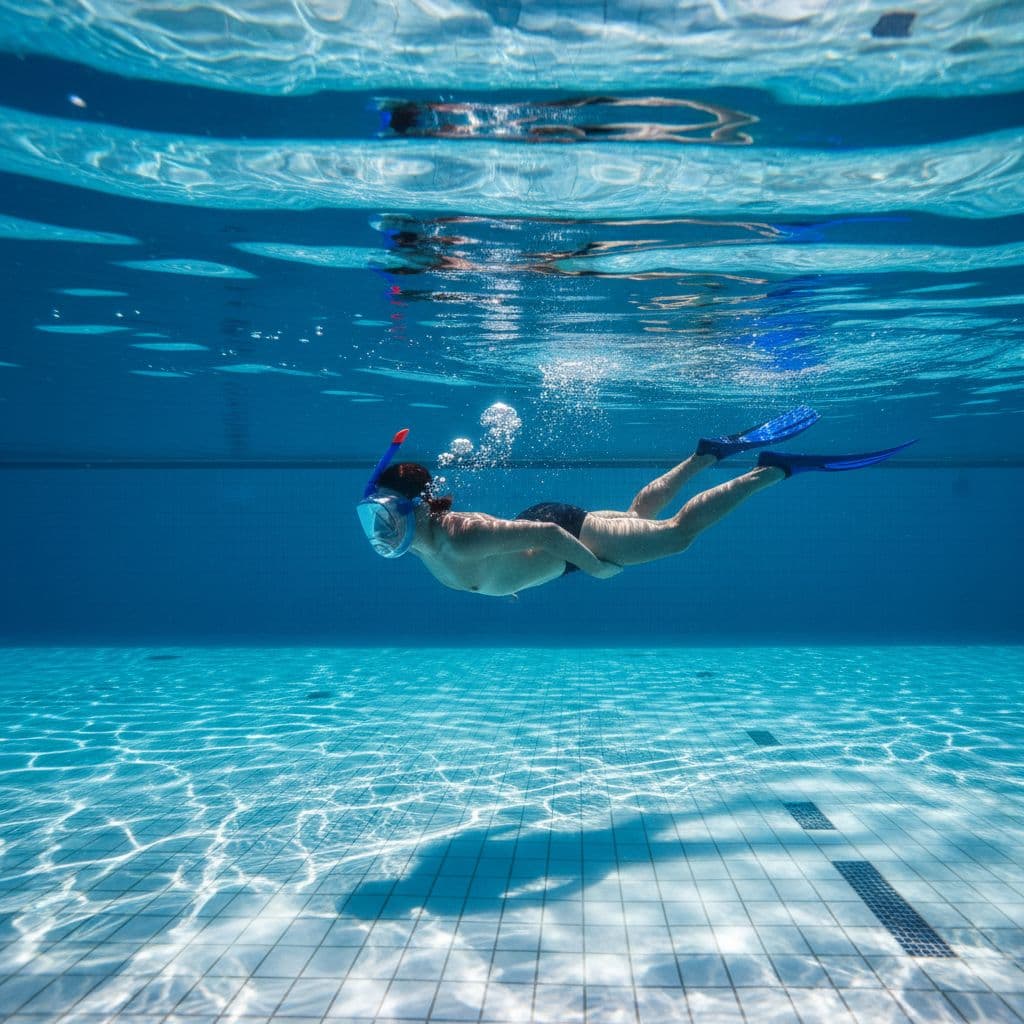
The pool should feel like rehearsal, not a test. If you start out tense, pause and stand up. That habit matters later, because the ocean never rewards panic.
A good first session has three parts. First, adjust the mask and snorkel. Next, float and breathe. Finally, swim a few easy lengths with your face down. When those pieces feel smooth, you’re training the same habits you’ll use on the boat.
If you’re comparing broader trip options, Big Island snorkeling tours is a useful place to start. You can see how a guided day on the water fits into your overall trip, then decide whether a manta night snorkel is the right next step.
If you’re ready to book after your practice session, you can check availability once you know your dates.
Practice breathing until it feels boring
The snorkel is the part that makes people tense up first. In the pool, you can remove that stress one breath at a time.
Start by holding the snorkel mouthpiece while standing in chest-deep water. Breathe slowly through your mouth and keep your jaw loose. Once that feels normal, lean forward, put your face in the water, and keep breathing. Your first goal is not distance. Your first goal is calm.
If your breathing gets fast in the pool, slow down before you practice anything else.
A lot of people make the same mistake. They try to swim before they can breathe comfortably. That usually leads to short, choppy breaths and a tight chest. Instead, take five slow breaths, lift your face, reset, and repeat.
You can also practice clearing the snorkel. Let a little water enter the tube, then exhale firmly to push it out. Do that a few times without rushing. It feels small, but it saves time and stress later when you are floating beside a lighted board at night.
A guide like U.S. Masters Swimming’s beginner swimming guide is helpful because it reinforces the same idea, steady breathing matters more than force. The more boring your breathing feels in the pool, the more natural the real ocean feels.
When you snorkel Big Island waters after sunset, your breathing should stay quiet. The ocean will move. Your job is to stay smooth anyway.
Get your mask, fins, and body position working together
Good gear still needs good habits. A mask that fits, fins that move well, and a body that stays horizontal make the whole experience easier.
Start with the mask. Put it on without the strap at first, inhale gently through your nose, and see if it seals. If it slips, adjust the position before you get in deeper. Keep hair out of the seal line. If the mask fogs, use a pre-rinse or your preferred anti-fog method before the session begins.
Then practice the snorkel and mask together. Bend at the waist, face down, and rest your hands lightly on the wall or pool edge. You want to get used to looking down through the mask while your mouth keeps a steady breath pattern. That position is close to what you will hold during the real manta snorkel.
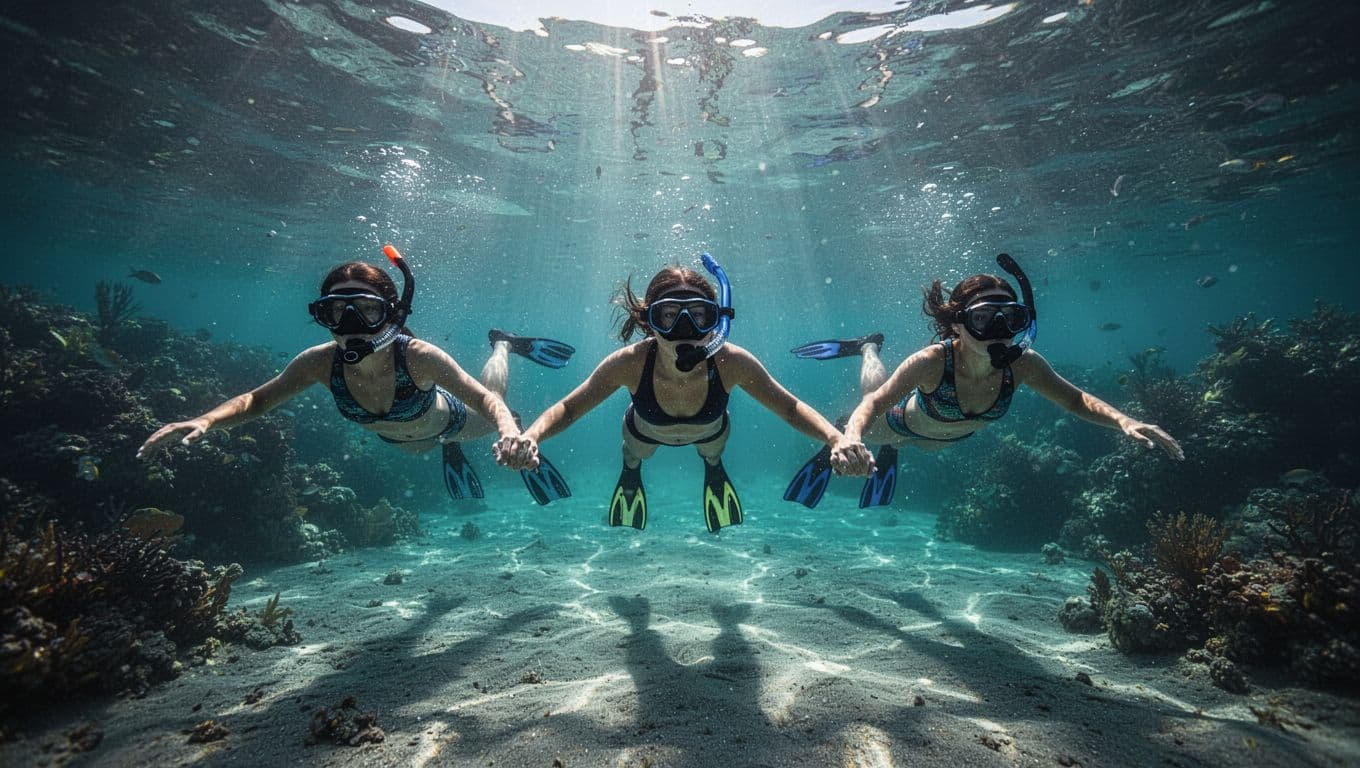
Fins matter too. Practice a gentle flutter kick from the hips, not from the knees. If you bicycle kick, you waste energy and splash more than you need to. Keep your legs long and your movements small. You want to glide, not thrash.
The British Sub-Aqua Club’s pool drills are a good reminder that short, repeated skill work beats one long, tiring attempt. That approach works well in a Kona pool, and it works even better in a dark bay.
You can also practice a slow surface float. Let your face stay in the water, keep your arms still, and use just enough kick to stay in place. That helps you learn what your body feels like when it’s calm and supported. The less you move, the less tired you get.
The best sign that you’re ready is not speed. It’s ease. If your mask stays sealed, your breathing stays quiet, and your fins don’t fight you, you’re building the right kind of comfort for the ocean.
Prepare for the night feel, not just the swim
A manta night snorkel changes the mood fast. Even if you practice in bright daylight, the real trip adds boat lights, dark water, and a lot less visual noise.
That’s why your pool practice should include a little mental rehearsal. Picture the lighted board, the dark water around you, and the moment you lean forward and settle in. Then practice staying still. Manta rays move through the light below you. You do not need to chase anything.
A Kona manta ray snorkel feels better when you already know how to float without fidgeting. The pool can teach that. Practice looking down through the mask while your body stays long and relaxed. Practice listening for a cue, then moving only when you need to. If you can stay calm in the pool with your face in the water, the ocean at night feels less mysterious.
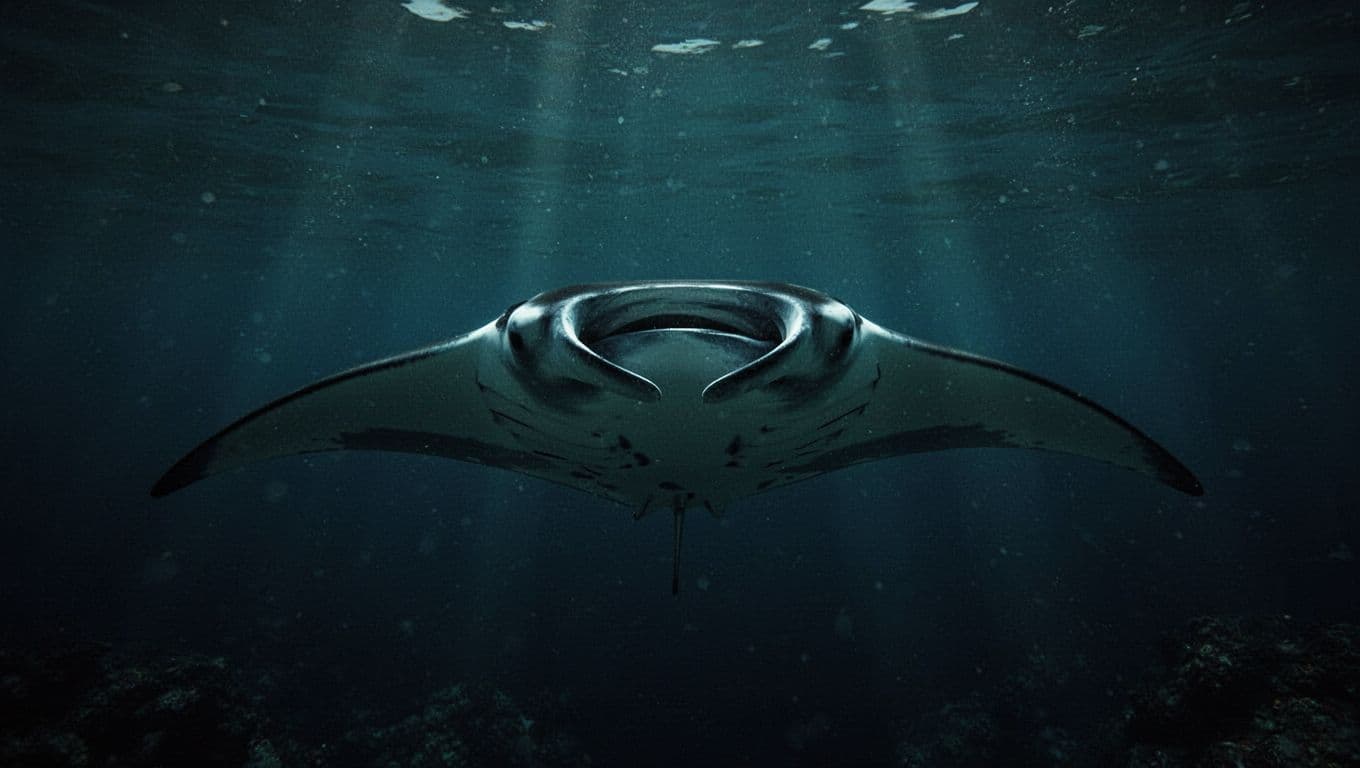
Kona Snorkel Trips uses a small-group approach, lifeguard-certified guides, and custom-built lighted boards for nighttime encounters. That setup gives you a clear frame for the experience, which matters when you’re still building confidence. If you want to see what that tour looks like in more detail, the Kona manta ray snorkel tour gives you the trip flow and the main expectations.
If you’re comparing local operators, Manta Ray Night Snorkel is another Kona-based name you can look at. The important part is choosing a trip style that matches your comfort level and travel plans.
If you’re getting close to booking, you can check availability once you know your dates.
The pool won’t copy the ocean exactly. It doesn’t need to. It only needs to teach your body to stay calm when the water gets dark.
Build a two-week pool plan you can repeat
For snorkeling Big Island, short practice blocks work better than one hard workout. You want repetition, not exhaustion.
Use a simple plan that gets more specific each time.
| Session | What you practice | Time |
|---|---|---|
| 1 | Mask fit, snorkel breathing on deck, face-in floating | 15 to 20 minutes |
| 2 | Snorkel clearing, slow flutter kick, short rests | 20 minutes |
| 3 | Full gear session, horizontal body position, relaxed turns | 20 to 25 minutes |
| 4 | Night-style rehearsal, stillness, listening, easy recovery | 20 to 25 minutes |
The point of the table is not to turn your pool into a training camp. It is to keep you focused. Each session should have one main goal.
If you have two weeks before your trip, do two or three pool visits. That gives you enough time to fix small issues without overthinking them. A rushed session the night before you fly is less useful than three short sessions spread out over time.
You can also split the work into a few steps.
- Start with the mask and snorkel on dry land. Breathe through the tube until the rhythm feels normal.
- Move to shallow water and keep your face in the pool for short bursts.
- Add fins once your breathing stays steady.
- End each session by floating face down for one full minute without fidgeting.
If you’re traveling with kids, new swimmers, or anyone who wants extra time, private Kona boat charters can make the first ocean day feel less crowded and less rushed. That can be a smart bridge between pool practice and a night snorkel.
The useful signal here is simple. If you can repeat the same calm movements three times in a row, you’re in good shape. If every repetition feels different, slow down and simplify.
Know when pool practice is enough
You do not need perfect form to enjoy the ocean. You need enough comfort to listen, float, and breathe without stress.
A good readiness check is easy to spot. Your mask stays clear. Your snorkel breathing feels smooth. Your fin kick stays small. You can put your face in the water and stay relaxed for more than a minute. If those things are true, the rest comes down to following the guide and enjoying the view.
For the manta trip itself, it helps to remember the trip page note that guests should be able to swim 50 yards without additional flotation and have prior snorkeling experience. If that feels easy for you, the tour will likely feel manageable. If it doesn’t, keep practicing in the pool or take another daytime snorkel first.
When you snorkel Big Island conditions with confidence, the night opens up in a better way. You stop worrying about the tube, the strap, and the fin straps. Then you can focus on the water, the lights, and the moment a manta ray moves through the beam below you.
Conclusion
A pool can’t copy the whole ocean, but it can remove the unknowns. That matters before a Kona manta ray snorkel, because calm breathing and easy gear handling change everything once the lights come on.
If you can float, breathe, and move without fuss, the night snorkel feels less like a test and more like a memory in the making. That’s the real point of practice, it gives you room to enjoy the manta rays when they show up.