
Do Guides Swim With You During Captain Cook snorkeling?
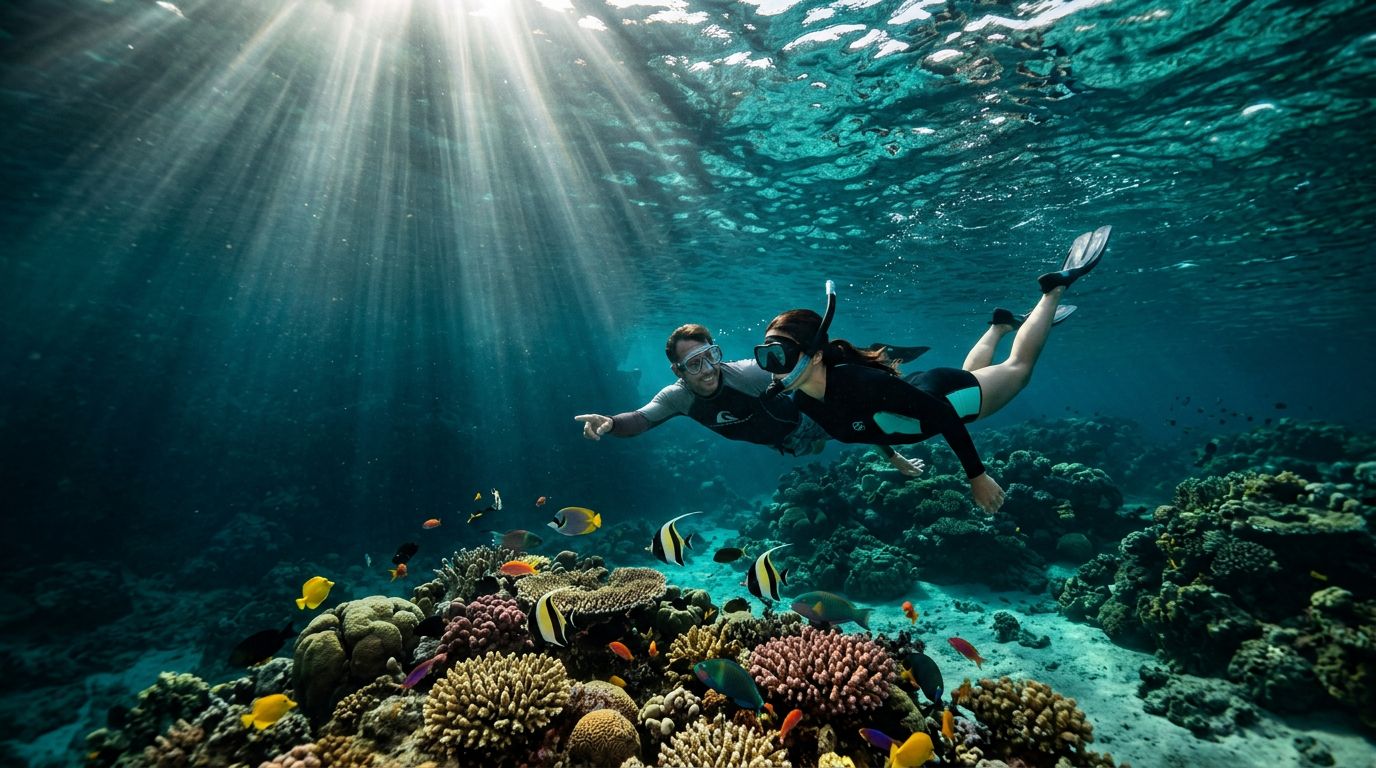
Kona Snorkel Trips gives you a clear answer fast: yes, guides often swim with you during Captain Cook snorkeling, but the amount of in-water support depends on the tour and the day. If you are comparing guided Big Island snorkel tours, that detail matters more than many people realize.
Kealakekua Bay can look calm from the boat, yet comfort in the water is personal. You may want a guide close enough to point out fish, or you may want a little space with a steady watch nearby. The best tours match your pace instead of making you fit theirs.
Let’s look at what guides actually do, when they get in the water, and how you can choose the right trip for your skill level.
What Captain Cook snorkeling guides do before you enter the water
Good Captain Cook snorkeling guides start working long before your fins touch the ocean. They watch the conditions, explain the route, and give you a simple plan so you know what happens next.
On a well-run trip, the guide helps with mask fit, fins, flotation, and entry tips. That matters if you have not snorkeled in a while. It also helps if you are traveling with kids or mixed skill levels.
You should also get a short safety talk before the swim. That usually covers hand signals, how to stay with the group, where to look for marine life, and what to do if you feel tired. If your trip is more beginner-friendly, the guide may spend extra time on breathing through the snorkel and clearing water from the mask.
This is where a guided trip pays off. You do not have to guess where to go or how far to swim. You can follow the pace of the guide and spend your energy looking at the reef.
When people plan snorkeling Big Island Hawaii style, this setup is what gives them confidence. The boat ride is part of the day, but the guide’s prep work is what keeps the swim relaxed.
Do guides swim with you during Captain Cook snorkeling?
The short answer is yes, often they do. The longer answer is that “swim with you” can mean a few different things.
Sometimes the guide enters the water and stays close to the group. Other times the guide is just outside the best viewing zone, keeping an eye on everyone while pointing out fish or helping a nervous swimmer. On some trips, one crew member stays in the water while another remains on the boat. That setup gives you both support and supervision.
For a feel of how a guided Kealakekua Bay trip usually starts, you can read this Kealakekua Bay snorkeling guide. The pattern is familiar, clear briefing, close supervision, and help when you need it.
Here is the simplest way to think about it.
| Your comfort level | What the guide usually does | What you get out of it |
|---|---|---|
| Confident swimmer | Stays nearby and checks the group often | More room to roam without losing support |
| First-time snorkeler | Swims close at the start and gives more hands-on help | Faster confidence and fewer small mistakes |
| Kids or nervous guests | Keeps the group tighter and checks in often | Less stress and a steadier pace |
| Choppy conditions | Adjusts how close the guide stays and may shorten the swim | Better safety and smarter decisions |
On many Captain Cook snorkeling trips, the in-water support changes during the swim, not just before it starts. You might get closer attention at the entry, then more freedom once you feel steady. If you drift a little, the guide may wave you back. That is normal.
A good guide does not hover over you all the time. They stay close enough that you can relax.
That is the real difference between a basic boat ride and a guided snorkel trip. You still have space to enjoy the reef, but you are never left wondering what to do next.
How your guide keeps you comfortable at Kealakekua Bay
At Kealakekua Bay, the guide’s job feels part coach, part lookout, and part reef host. The best guides keep the group together without making the swim feel stiff or rushed. They help you settle in, then give you room to enjoy the water.
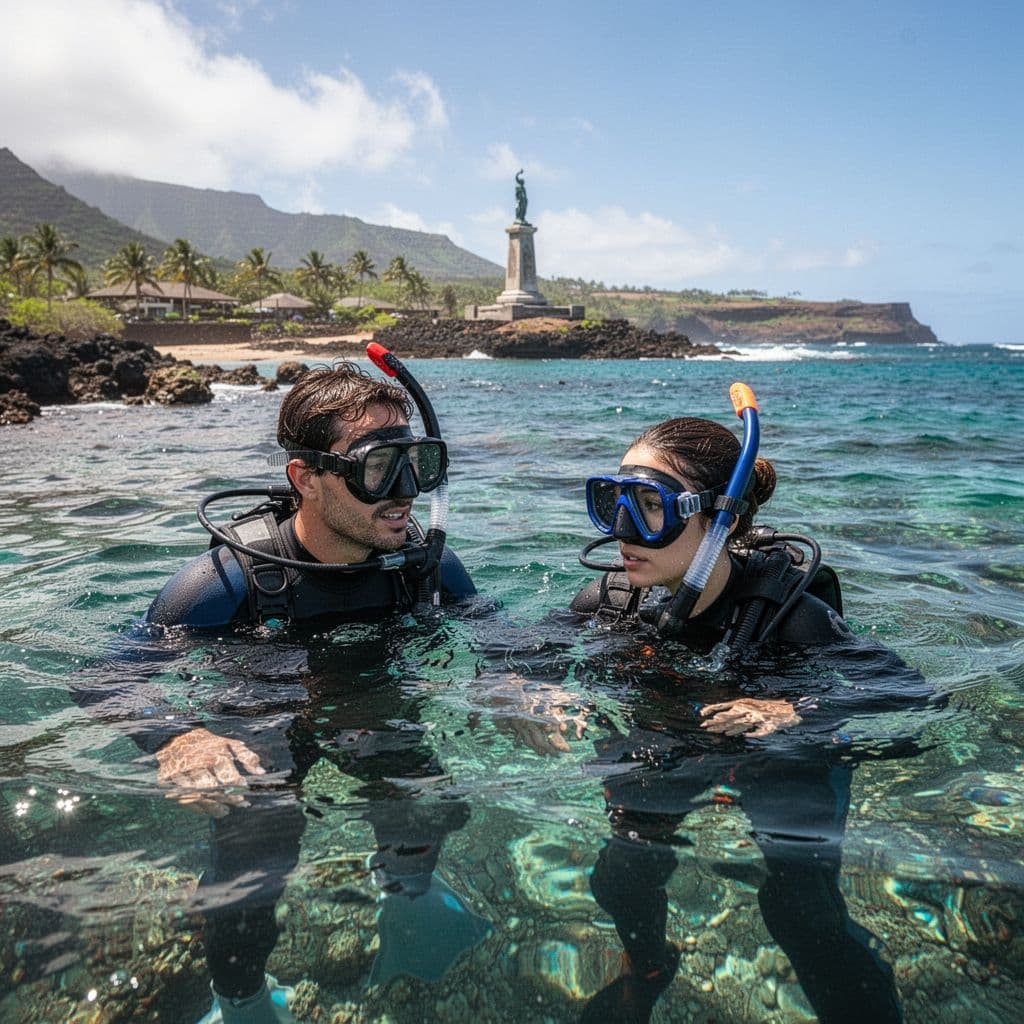
The clear water is part of the appeal, but the guide is what turns a pretty spot into an easy experience. That matters when you are planning snorkeling Big Island Hawaii style, because the ocean feels better when you know someone is tracking the details.
When you book with Kona Snorkel Trips, you are with Lifeguard Certified guides in a small-group setting. That helps you get more attention and less crowd noise. It also makes it easier for the crew to notice if you need a slower pace or a quick hand.
If you want to see what other guests say about that kind of support, take a minute to read the reviews below.
If you want to see open dates for a Kona snorkel trip, you can check availability.
The best part of a guide-led tour is that you do not have to guess what comes next. You hear the plan, follow it, and spend more energy watching parrotfish than worrying about the boat.
What changes for beginners, kids, and strong swimmers
The answer changes a little based on who is in the water with you. That is why Captain Cook snorkeling guides pay attention to the group, not just the reef.
If you are new to snorkeling
If you are nervous, a guide usually stays closer during the first minutes. That gives you time to learn the rhythm of breathing, floating, and looking forward instead of down. A good guide will also remind you to slow your kicks and keep your mask sealed before you push off.
You may hear simple reminders that sound basic, but they matter. A loose strap, a rushed breath, or too much fin kick can steal your confidence fast. When a guide sees that early, they can fix it before it becomes a problem.
If you are bringing kids
Kids need simple directions and steady attention. A guide often keeps the group compact, which makes it easier for parents to keep track of everyone. That also means fewer stops and fewer chances for a child to drift away from the group.
If your family has mixed comfort levels, say that early. Good crews want to know. They can help match the pace to the slowest swimmer so nobody feels left behind.
If you already snorkel well
A strong swimmer usually gets more freedom, but the guide still sets the route and the pace. You may not notice them every second, and that is a good thing. It means they trust your skill while still watching the whole group.
If you want even more one-on-one time, private Kona boat charters can be a better fit. With a private trip, the guide can slow down for your group and give more attention where it matters most. That is useful when you want to snorkel Big Island without feeling rushed or packed in.
Why weather and bay conditions change the answer
Kealakekua Bay is protected in some conditions, but it is still the ocean. Wind direction, swell, current, and boat traffic all affect how close a guide can stay and how long you should spend in the water. On a mellow day, the guide may swim right with the group. On a rougher day, the smartest move may be to keep everyone tighter and limit distance.
The Hawaii DLNR’s Kealakekua Bay page is a useful reminder that this area is a managed marine place, not a pool with fixed rules. That matters because guides need to work within local conditions and protect the reef at the same time.
If the water looks less friendly than expected, a solid guide does not push the plan. They adjust it. That may mean a different entry, a shorter swim, or extra instructions before anyone goes in.
You can see the same thinking in this Kealakekua Bay snorkeling tour guide. The best tours spend time on the boat briefing because that is where safe snorkeling starts.
When you snorkel Big Island waters with a good crew, the day feels smoother because they are reading the ocean while you are still getting your mask on.
How to choose the right Captain Cook tour for your group
If you want a trip focused on this bay, Captain Cook Snorkeling Tours is another place to compare. On the Kona Snorkel Trips side, the Captain Cook Monument snorkeling tour keeps the focus on the reef, the history, and the guided swim.
When you compare tours, look at group size first. Smaller groups usually mean more direct help in the water. Next, check whether the crew is trained to spot trouble early and whether the trip includes gear that fits well. A loose mask or a fin that rubs can turn a fun swim into a long ten minutes.
You should also pay attention to the route and the timing. Morning water is often calmer, and that gives your guide more room to swim with the group. A tour that launches too late in the day may spend more time fighting chop than enjoying the reef.
Before you book, ask a few plain questions:
- How close do guides stay in the water?
- How many guests are in each group?
- What help do you give first-time snorkelers?
- What happens if someone feels uneasy once the swim starts?
Those answers tell you a lot. A good operator will answer without sounding rushed. If the response feels vague, keep looking.
If Kealakekua Bay is the trip you want, you can check availability.
When a private charter makes the most sense
Sometimes the best answer is a boat with fewer people and more guide time. That can help if you are traveling with mixed ages, if someone in your group is nervous, or if you simply want a slower day. On a private trip, the guide can stay closer to your group because there are fewer swimmers to manage.
That can be a big deal when you want to snorkel Big Island without feeling rushed. You can spend more time on entry, on buoyancy, and on the parts of the reef that interest you most. You also get more control over the tone of the day. One family may want a calm ride and lots of instruction. Another may want a quick briefing and more swim time.
Private trips are also useful when one person needs extra support, when you want more photos, or when you just want room to breathe. They are not only for special occasions. They are a smart choice when flexibility matters more than crowd size.
If that sounds like you, book a private Kona boat charter and compare it with a standard group trip. The right choice depends on how much attention you want in the water.
Conclusion
Yes, guides often swim with you during Captain Cook snorkeling, but the real answer is a little more useful than a simple yes or no. A good guide stays close enough to help, gives you space when you are comfortable, and changes the plan when the water asks for it.
If you want the easiest day, choose a small-group tour, ask how the crew handles first-time snorkelers, and pay attention to how they talk about safety. That is usually the best sign that you will feel supported once your mask hits the water. When you snorkel Big Island with the right guide, the reef feels calmer and the whole trip feels easier.