
What a Safety Briefing Covers on a Kona Manta Ray Night Snorkel
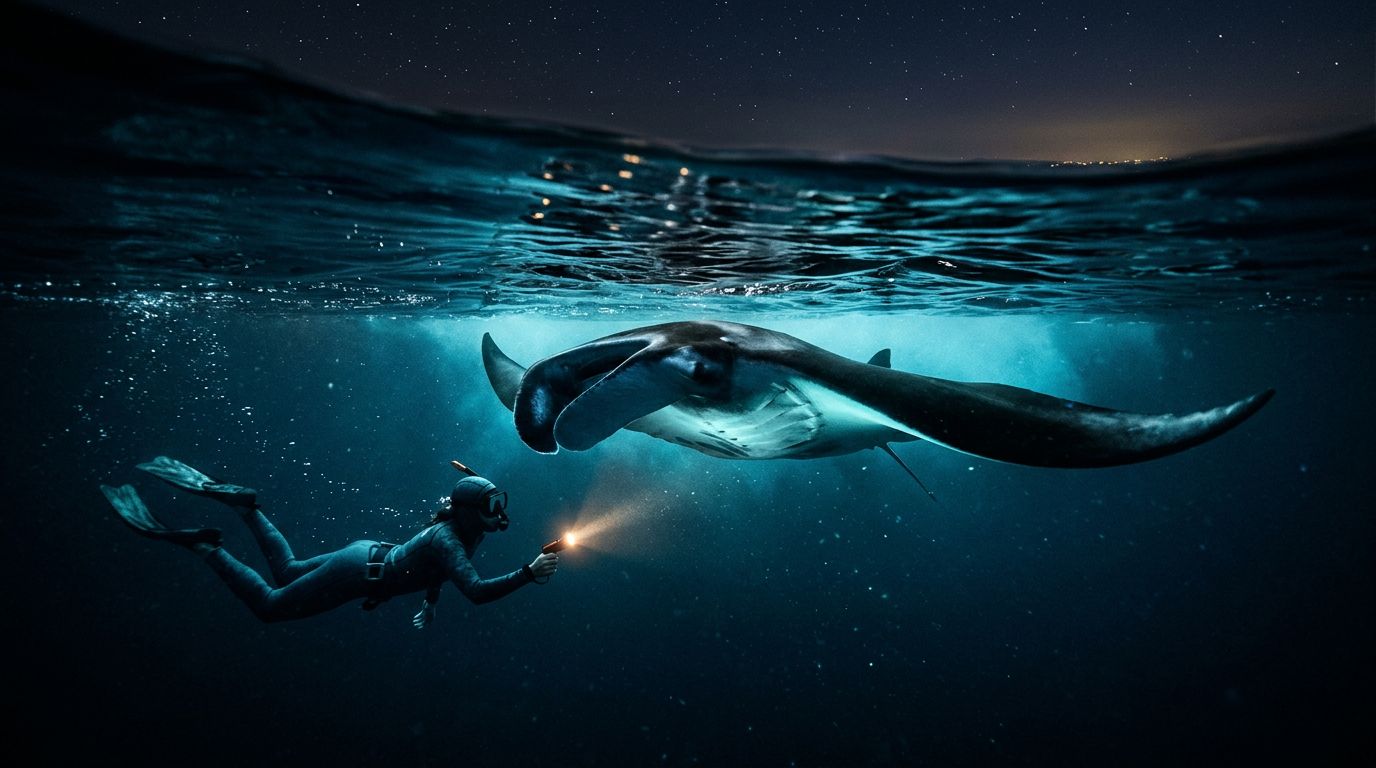
If you are new to snorkeling Big Island Hawaii after dark, the safety briefing is the part that turns nervous energy into a simple plan. Kona Snorkel Trips keeps that talk clear and practical, so you know what happens before you ever touch the water.
A good manta ray safety briefing does more than repeat rules. It shows you how to move, where to look, and how to stay calm while the ocean is dark around you. That matters whether you are traveling with kids, snorkeling as a couple, or coming back for another night on the Kona coast.
Why the briefing matters before you get in the water
Night changes the whole feel of a snorkel. In daylight, you can glance around and know where the boat, the shore, and your group are. At night, the briefing replaces that guesswork with clear steps.
You usually hear about three things first, where you will enter, how you will hold position, and what your guide expects if you need help. That structure is why a manta ray safety briefing feels so useful. It cuts the noise out of the moment.
The best briefings feel calm, not long. They give you enough detail to stay safe, then let the ocean do the rest.
If you want a wider look at guided Kona snorkeling excursions, you will see the same guide-first style across the lineup.
What your guide explains on the boat
Before you enter the water, your guide usually walks you through the setup step by step. You learn how to fit your mask, where to keep your fins, and how to settle onto the lighted board. That board is more than a light source. It helps the group stay together and gives you a stable place to rest.
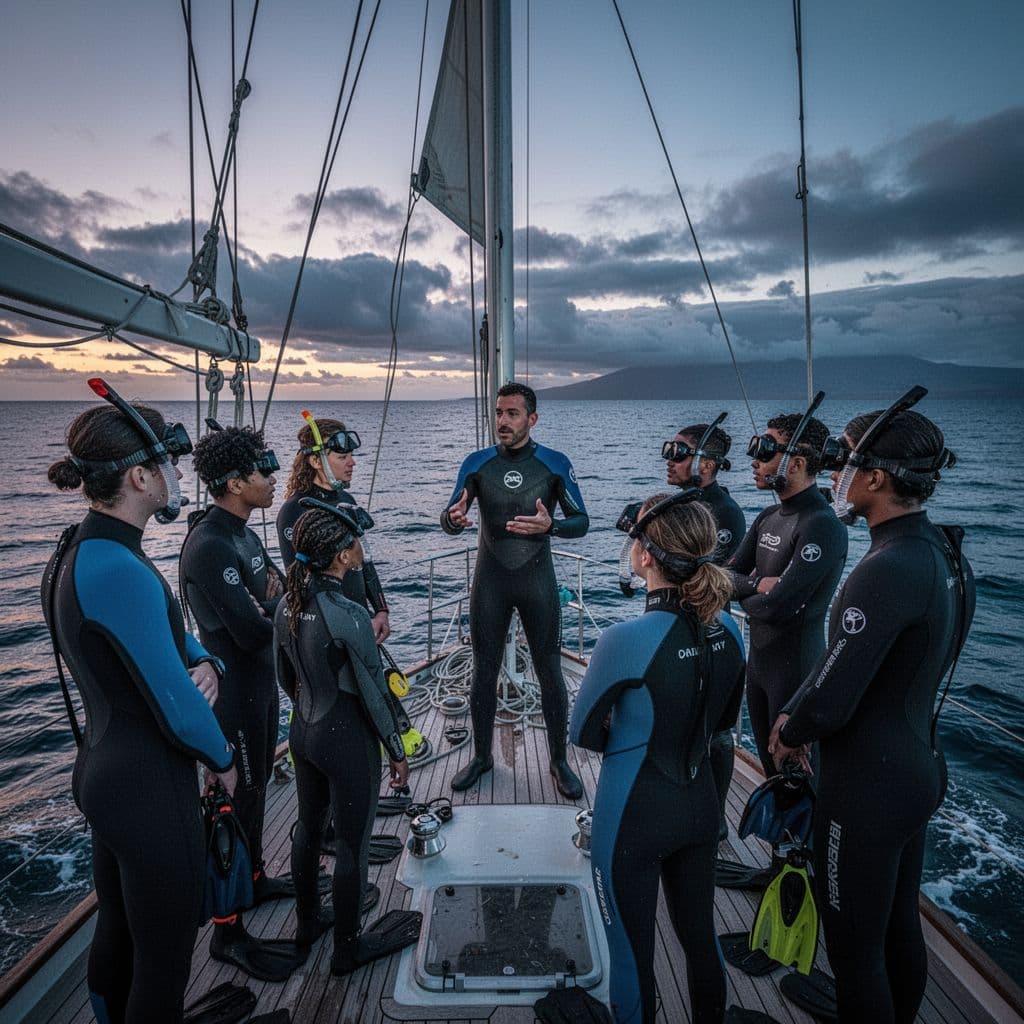
The same briefing also covers the parts that keep the night smooth for everyone:
- How to enter the water feet first, one person at a time.
- How to keep your hands and fins clear of other swimmers.
- How to stay with the board instead of drifting off.
- How to signal if you feel cold, uneasy, or seasick.
- How to climb back onto the boat when the snorkel ends.
That may sound simple, but simple is the point. A good crew gives you the pattern before the lights hit the water.
How the briefing helps you stay calm at night
This is where a lot of first-timers relax. When you know the plan, darkness feels less large. The guide’s voice, the board lights, and the small group all help you focus on one task at a time.
If you snorkel Big Island during the day, you may be used to scanning reefs, checking bubbles, and moving with the current. A manta night snorkel asks you to do less. You float, breathe, and hold still. That is easier when someone has already explained why stillness matters.
The manta rays come close because the light gathers plankton, not because you are chasing them. Your job is to stay in position and let the scene unfold. For many people, that calm setup is why the experience feels smoother than expected.
For a broader pre-trip checklist, this Kona manta ray night snorkel safety guide covers basic comfort items and a few practical tips.
What you should bring and prepare
A smart briefing also reminds you what to wear and what to leave on shore. Night water can feel cooler than you expect, so a rash guard or light wetsuit helps. If you get seasick, talk to the crew early, not after you are already bouncing on the boat.
For a smooth start, pack these basics:
- A swimsuit you can move in easily.
- A towel and dry clothes for the ride back.
- A light layer for the boat, since the wind can feel cool.
- Motion sickness medicine if you know you need it.
- A patient mindset, because the ocean sets the pace.
People who come to snorkeling Big Island trips during the day often pack for sunshine first. On a manta night, you want comfort more than style.
Why tour style changes the whole experience
A good safety briefing starts with the right crew. Kona Snorkel Trips keeps groups small, uses lifeguard-certified guides, and teaches reef-safe habits before anyone enters the water. That kind of setting gives you space to ask questions, slow down, and hear every step clearly.
If you want a trip that feels personal rather than crowded, that matters. It also helps on a night snorkel, because small mistakes are easier to avoid when the group is compact and the instructions are simple.
If you are comparing manta-focused operators, Manta Ray Night Snorkel Hawaii is another dedicated option built around this single experience. Still, the core questions stay the same wherever you go, who leads the briefing, how the group is managed, and how clearly the crew explains the water plan.
If the manta trip is your main goal, the dedicated booking page gives you a direct way to plan ahead.
Conclusion
A manta ray safety briefing is not a formality. It is the part of the trip that tells you how to move, where to stay, and how to relax once the lights hit the water.
When the briefing is clear, the whole night feels easier. You spend less time guessing and more time watching the mantas glide beneath you.