
Do You Need a Wetsuit for Captain Cook Snorkeling?
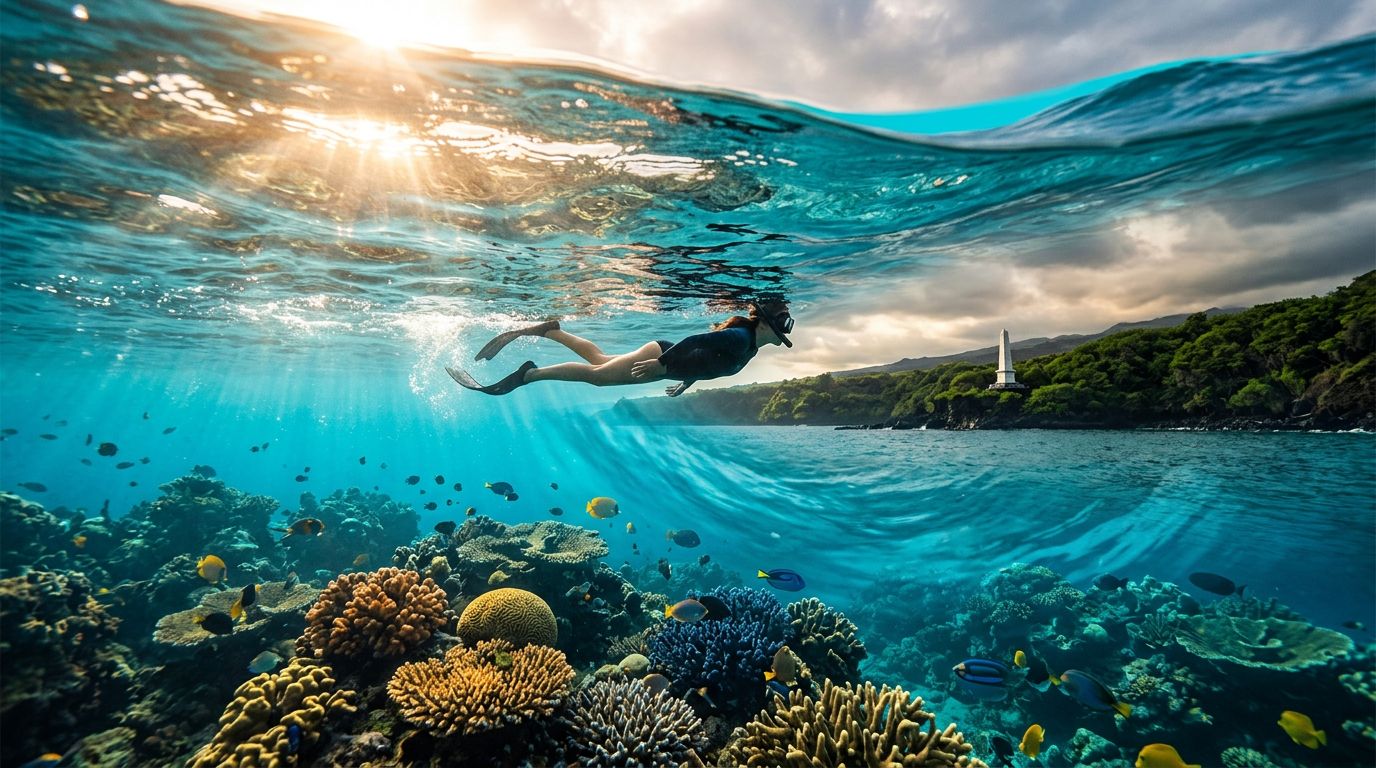
For most people, the answer is no, but your comfort depends on more than the calendar. Captain Cook snorkeling can feel warm and easy one day, then a little cooler on the surface the next.
If you book with Kona Snorkel Trips, the crew can help you read the day before you get in. If you want a second operator focused on the same bay, Captain Cook Snorkeling Tours is another dedicated option.
When you’re planning snorkeling Big Island Hawaii and trying to pack light, the wetsuit question is really about how long you stay in the water, how cold you get, and how much sun you want off your skin. Start with the water, then match the layer to your body.
The short answer for most Captain Cook snorkelers
You usually do not need a full wetsuit for a normal daytime snorkel at Kealakekua Bay. A rash guard, swim shirt, or thin shorty suit is enough for many swimmers. The water is warm by mainland standards, and the bay often feels comfortable once you settle into the rhythm of breathing, floating, and looking down at the reef.
The part that changes the decision is not just the temperature. It is the time you spend in the water, the wind on your back, and how fast you cool off when you stop moving. A lot of people feel fine for the first 20 minutes, then notice the chill later. That is when a light layer starts to matter.
A quick seasonal guide like The Best Time for Snorkeling in Hawaii helps set expectations. Hawaii water stays fairly steady through the year, so your comfort often comes down to your own cold tolerance more than the month on the calendar.
Here is a simple way to think about it:
| Situation | What it usually feels like | What you should wear |
|---|---|---|
| Calm summer morning | Warm water, slight chill at entry | Rash guard or swim shirt |
| Breezy afternoon | More cooling on the surface | Thin shorty suit |
| Winter or cold-prone swimmer | Cooler after a while | Light full suit or shorty |
| Short snorkel with strong sun | Warm enough, but lots of UV | Rash guard and reef-safe sunscreen |
That table gives you the simplest rule. If you stay warm easily, go light. If the cold sneaks up on you, add a layer before you step off the boat.
A guided Captain Cook snorkeling tour helps too, because the crew can tell you what the water feels like that day, not just what the forecast says.
What the water actually feels like in Kealakekua Bay
Kealakekua Bay is one of those places that can fool you in a good way. The water looks bright, calm, and inviting, so you expect a quick, easy swim. Once you slip in, the first splash can feel cooler than you expected, but the feeling usually settles fast. After a minute or two, most swimmers stop thinking about the temperature and start paying attention to the fish.
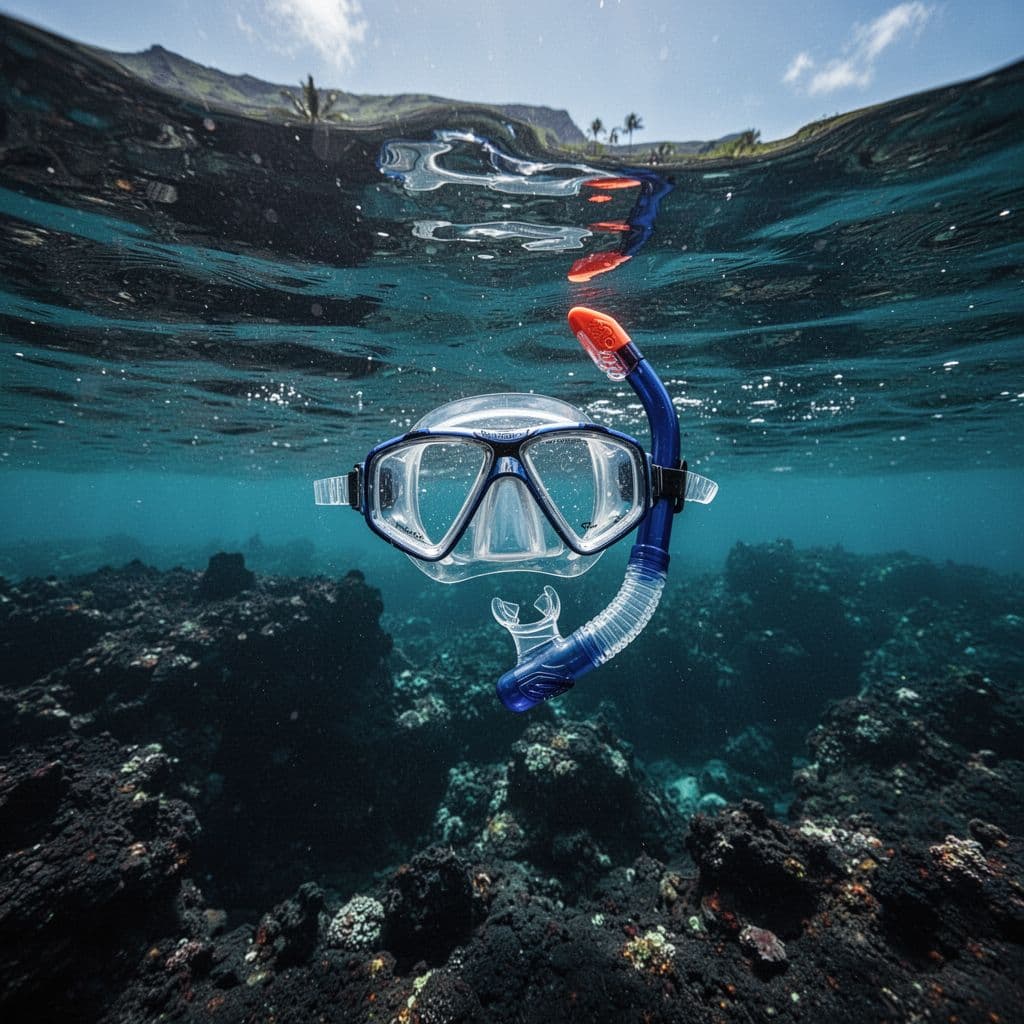
When you snorkel Big Island waters, the ocean often feels friendlier than many mainland beaches. The difference is subtle, but it matters. A breeze across the surface can pull heat from your shoulders faster than the water itself does. That is why a day that feels perfect on land can still leave you wanting a thin top in the water.
The good news is that Captain Cook snorkeling is usually not a long exposure to cold water. You are floating, breathing steadily, and moving often enough to stay comfortable. You are also looking at the reef, which makes the time pass fast. Still, if you pause to adjust your mask or float while others are swimming ahead, you can feel your body cool down.
That is the real test. If you tend to get chilly when you stop moving, you may want a little neoprene. If you usually stay warm in the ocean, a rash guard will probably do the job. For snorkeling Big Island trips, the water itself is rarely the problem. Your own comfort level is the bigger factor.
When a wetsuit starts to make sense
A wetsuit starts to matter when your body says it does. That can happen on a warm day, too. You may be fine on land, then cool off as soon as you float for a while. If any of these sound familiar, a thin suit is a smart move:
- You often feel chilled after a short swim.
- You plan to stay in the water for a longer session.
- You are snorkeling early in the day or during winter.
- You want extra skin protection from sun, board rub, or light scrapes.
For many people, the answer is not a thick full suit. It is a light layer that keeps you happy long enough to enjoy the reef. That matters because the best snorkeling happens when you are relaxed. Tight shoulders and cold hands pull your attention away from the fish below.
Comfort keeps you in the water longer, and time in the water is what gives you the best view of the reef.
Families notice this fast. A child who is a little chilly will often want back on the boat sooner, even if the water is beautiful. Older swimmers can feel the same way. If you are traveling with both, it helps to plan for the coldest person in the group instead of the warmest.
A broader Big Island snorkeling tours page can help you compare options if you want a crew that talks gear before you leave the dock. That small bit of planning often saves you from packing the wrong layer.
What works better than a full wetsuit
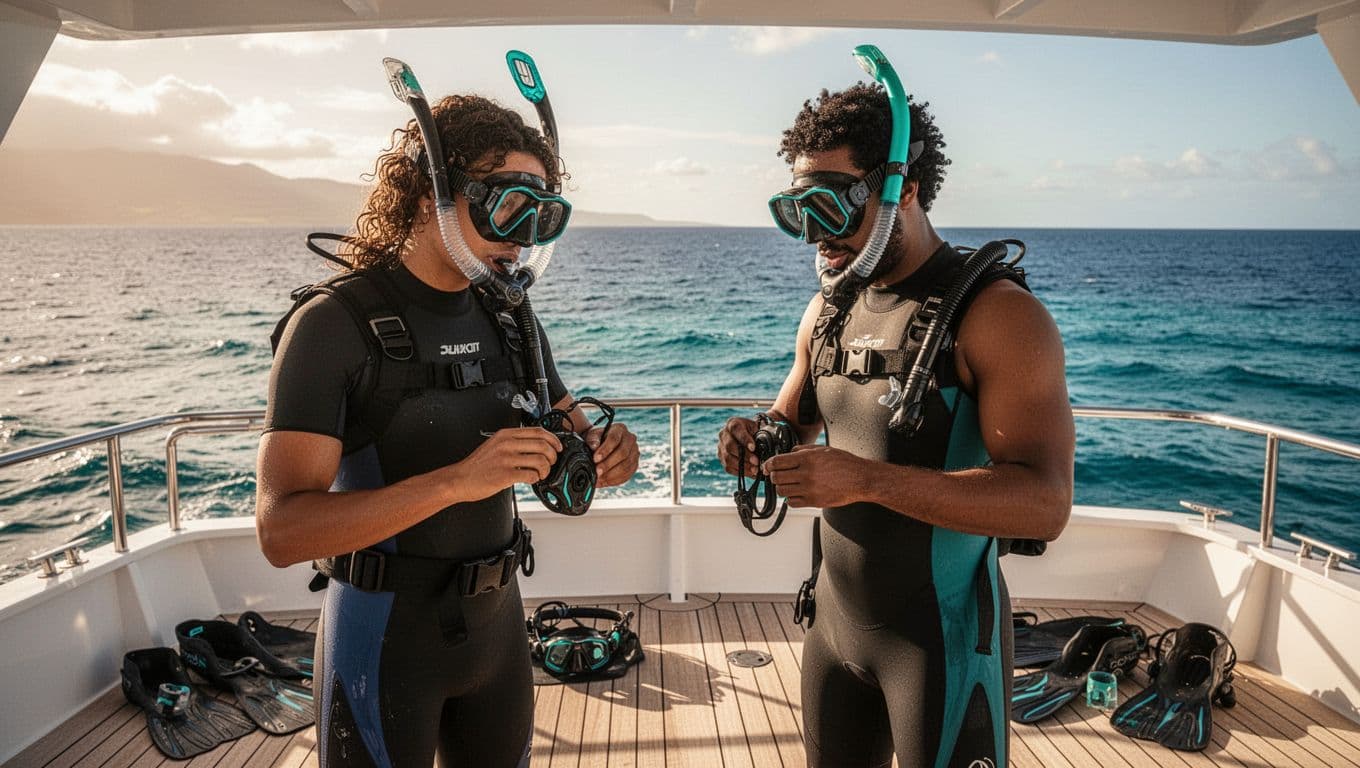
A full wetsuit is not the only way to stay comfortable. In fact, it is often more than you need at Captain Cook. A rash guard is the easiest choice for many snorkelers. It gives you sun protection, cuts down on rubbing from your vest or fins, and adds a small bit of warmth without feeling bulky.
A shorty suit is the next step up. It covers more of your torso, which helps more than many people expect. Since your core loses heat first, a shorty suit can make the whole snorkel feel easier even though your arms and legs stay free. That is a good middle ground if you want more warmth but still want easy movement.
A thin full suit makes sense when you know you run cold or plan to stay out longer. Fit matters here. Too loose, and water swirls inside the suit. Too tight, and you spend the trip thinking about your shoulders instead of the reef. The right suit feels snug, not stuffed.
If your main issue is sun, not cold, a fitted top plus reef-safe sunscreen is often enough. That is especially true on bright days when the water is calm and the boat ride is short. You are more likely to regret too much fabric than too little.
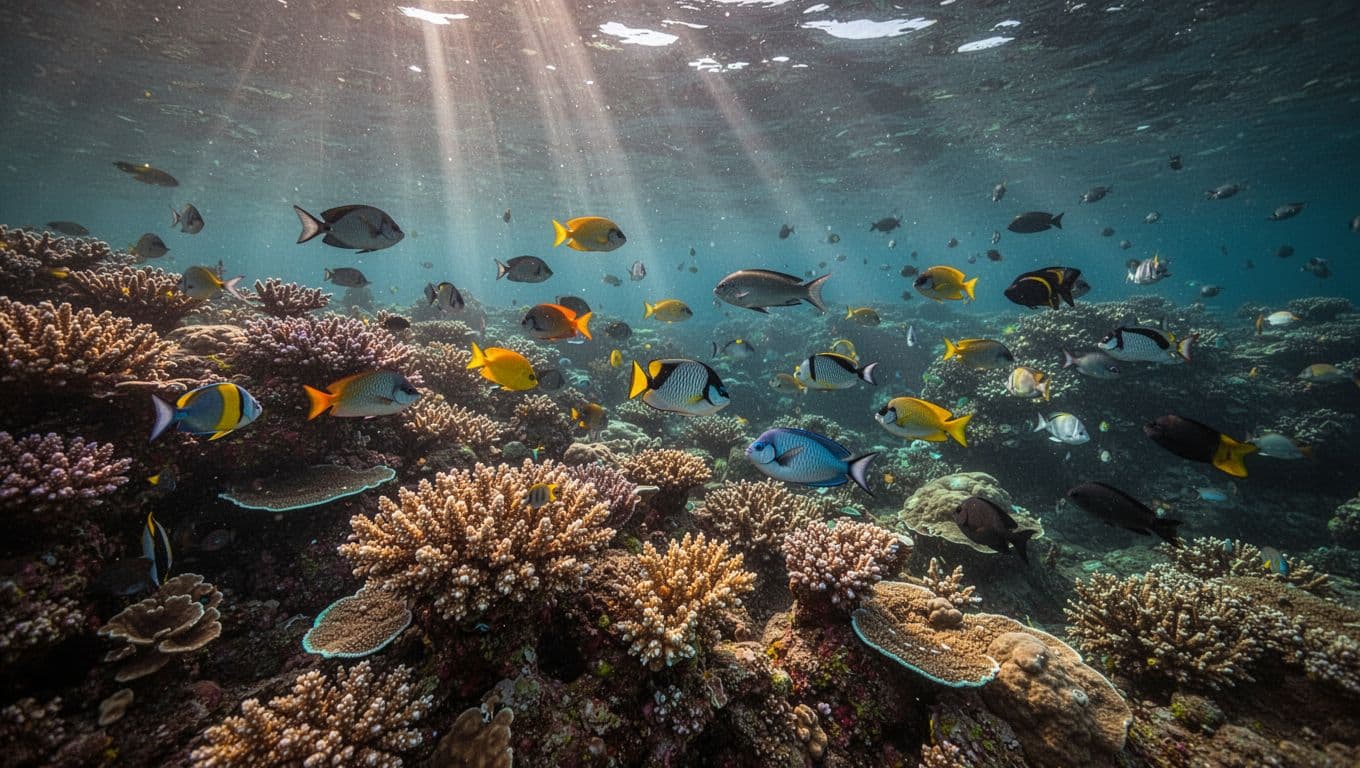
The same advice works across snorkeling Big Island days, not just at Kealakekua Bay. Light layers win when the water is warm and the sun is strong. Heavier layers win when you know you will stay in the water a long time. The trick is to choose based on your habits, not your hope.
How guided trips help you choose the right layer
If you want the easiest answer, a guided trip helps more than guessing from a packing list. Kona Snorkel Trips keeps things simple with small-group ocean adventures, lifeguard-certified guides, and gear that is ready when you arrive. That matters because the right layer can change with wind, surface chop, and how long your group plans to stay in the water.
If you want a quick answer before you book, you can check availability and see what fits your dates. That is often the fastest way to decide whether you should pack light or bring extra neoprene.
If your main goal is Kealakekua Bay, Captain Cook Snorkeling Tours is another focused option to compare. You can also use the Captain Cook snorkeling tour page if you want the route details in one place. For travelers who want more control over pace, private Kona boat charters are a good fit.
If Captain Cook is your main plan, you can check avaialbility for that specific trip too. The extra step helps when you want to compare dates, group size, and the kind of gear support you prefer.
A crew can also help you adjust on the fly. If the morning is warm and calm, a rash guard may be enough. If the wind picks up, a thin top may feel better than you expected. That kind of guidance is one reason many travelers prefer a guided trip when they snorkel Big Island reefs for the first time.
Conclusion
For most people, you do not need a full wetsuit for Captain Cook snorkeling. A rash guard or thin shorty suit usually covers what you need, especially on warm, calm days.
Bring more warmth if you know you get cold fast, plan a long swim, or travel in cooler months. The best choice is the one that keeps you relaxed, because a relaxed snorkeler sees more and enjoys more.
If you are packing for snorkeling Big Island Hawaii, think about your own comfort first. That simple check usually gives you the right answer before the boat even leaves the dock.