
Why Big Island Reefs Crackle When You Snorkel
The ocean around Kona has its own soundtrack. Put your ears underwater and you may hear a steady crackle, scattered pops, and faint crunching beneath the sound of your breathing.
That noise comes from a busy reef community, not from coral breaking apart. When you join Kona Snorkel Trips, you can slow down, listen, and notice how much life exists below the surface. The science behind that sound makes Big Island snorkeling even more fascinating.
Key Takeaways
- Snapping shrimp create many of the sharp pops heard around Hawaiian reefs.
- Fish, sea urchins, waves, and other animals add layers to the underwater soundscape.
- Healthy reefs tend to sound more active because they support more species and movement.
- Calm water, good buoyancy, and less kicking help you hear the reef.
- Responsible snorkeling protects the living community that creates the sound.
What Creates the Crackling Sound Underwater?
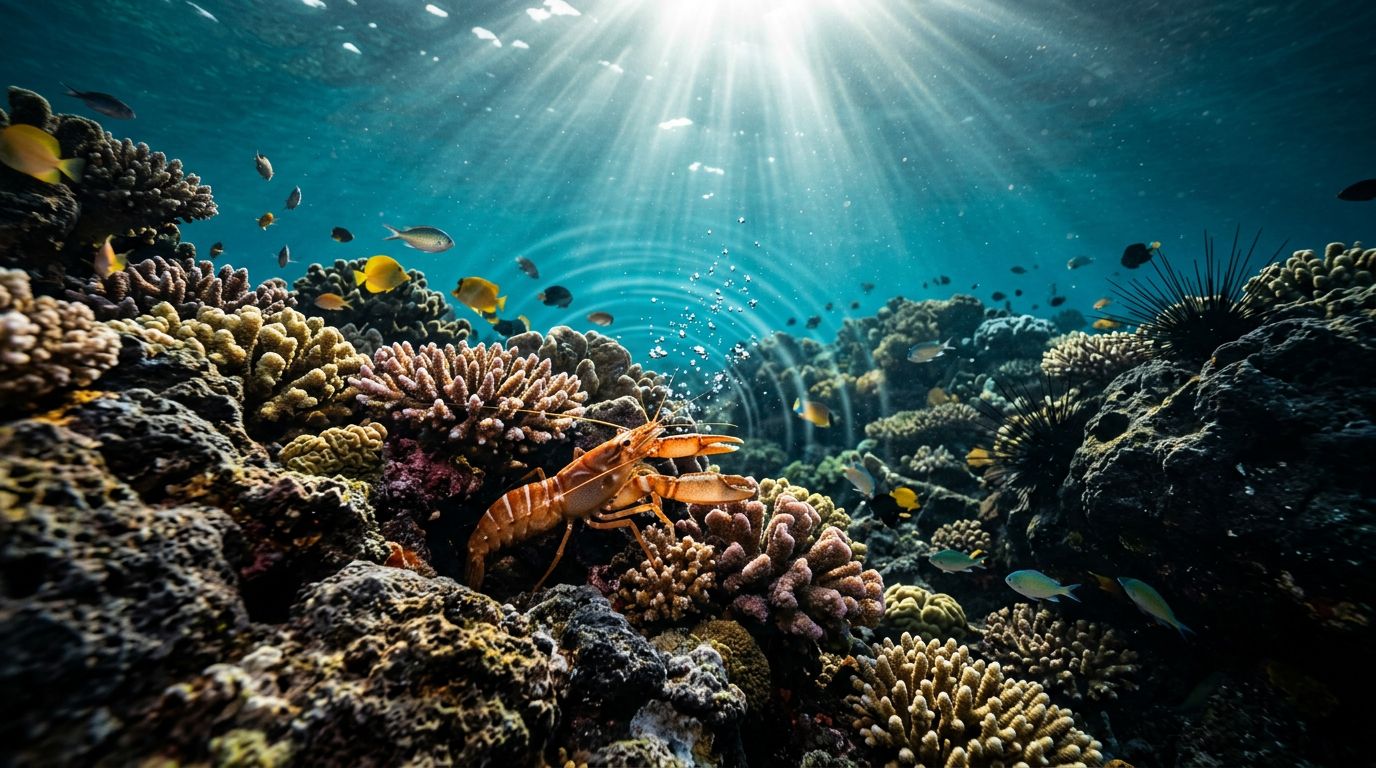
The loudest source is often the snapping shrimp, also called the pistol shrimp. This small crustacean closes a specialized claw so quickly that it creates a high-pressure jet of water. That jet forms a tiny bubble, and the bubble collapses almost instantly.
The collapse produces a sharp snap. You usually won’t see the shrimp responsible because it hides in reef crevices, but you may hear hundreds of them working around you. When many snaps happen together, they create the familiar static-like crackle.
Other reef animals add different sounds. Parrotfish and surgeonfish graze algae from hard surfaces, while sea urchins scrape across rock with their feeding structures. Small fish dart through coral heads, and larger fish disturb the water as they feed or change direction.
Waves also contribute. Water moving across lava shelves, coral structures, and shallow ledges creates low rumbles and soft rushing sounds. Your own fins add noise too, especially when you kick hard or brush against the water near the bottom.
Underwater sound can feel surprisingly close. You may hear a burst on one side, turn your head, and find no obvious source. Sound travels efficiently through water, but your ears aren’t designed to locate direction underwater. As a result, the reef seems to speak from every angle.
The popping isn’t a warning that the reef is damaged. In many cases, it tells you that small animals are active nearby.
Why Healthy Reefs Sound So Alive
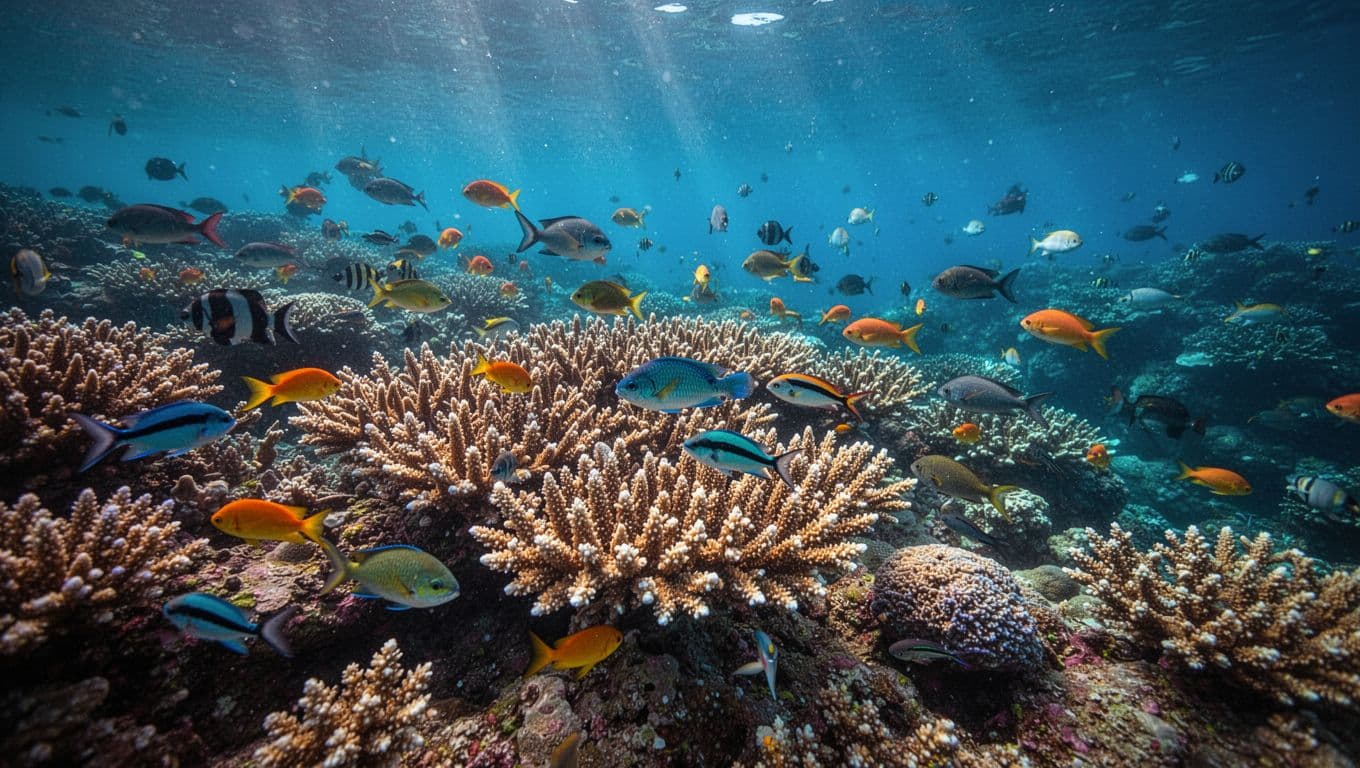
A reef soundscape works much like a forest at dawn. You hear many individual sounds, but together they form one continuous layer of activity. The more animals that feed, hide, swim, and communicate, the more varied that layer becomes.
That makes reef sound useful to marine scientists. A healthy reef often has a richer acoustic pattern because it supports a wider range of animals. A damaged reef may sound quieter or less varied when fewer fish and invertebrates remain.
Research reported by The Guardian’s coral reef sound study describes this difference. Healthy coral communities produce more clicks, pops, and other activity than degraded areas with reduced biodiversity.
You can hear this contrast without scientific equipment, although your experience is less precise. One section of reef may sound busy and constant. A nearby sandy patch may seem almost silent except for waves and your breathing.
When you’re snorkeling Big Island Hawaii waters, sound gives you another way to pay attention. Your eyes may focus on a yellow tang or a sea turtle, while your ears detect activity inside a coral head you haven’t noticed yet.
The reef’s sound also changes with depth and conditions. Shallow water often carries strong wave noise. Slightly deeper areas may reveal more individual snaps because the surface is less dominant. Current, wind, boat traffic, and nearby swimmers can cover quieter sounds.
You don’t need to identify every click. Listen for changes. A sudden burst may indicate a concentrated group of snapping shrimp. A soft scraping sound could come from an animal feeding on rock. A shifting rumble may come from surge moving across the seafloor.
Where You Can Hear Reef Life Around Kona
Kona’s western coast has clear water, volcanic shorelines, and sheltered bays where you can observe reef activity. Conditions vary each day, so your guide may choose a location based on wind, swell, visibility, and ocean traffic.
Kealakekua Bay is one of the area’s best-known snorkeling destinations. The bay’s protected setting can provide calm water and strong visibility, while its rocky reef supports plenty of fish activity. A guided Kealakekua Bay snorkeling trip helps you focus on the reef instead of guessing where to enter or how to manage changing conditions.
When you snorkel Big Island reefs, don’t rush past the less colorful areas. Fish often gather around ledges, holes, and the base of coral structures. Snapping shrimp may live in spaces you can hear but can’t see.
Pawai Bay and other Kona-area sites can offer a different experience when conditions are suitable. A local captain can adjust the route, which matters because a sheltered site may sound and look far better than an exposed location on the same morning.
Kona Snorkel Trips follows a “Reef to Rays” philosophy, with small-group ocean adventures led by lifeguard-certified guides. The crew provides quality gear, discusses safety before entering the water, and teaches reef-safe habits during the excursion. That personal approach gives you more room to float quietly and notice details.
The company’s broader lineup includes daytime reef trips, private Big Island boat charters, and marine-life outings. A private trip can work well if your group includes young swimmers, first-time snorkelers, photographers, or experienced guests who want more time at a particular site.
How to Hear More on Your Snorkeling Trip
You hear the reef best when you reduce the sounds you create. Before entering the water, ask your guide about buoyancy, current, and the safest place to pause.
Once you’re floating, keep your face submerged for a few extra seconds after you stop kicking. Relax your legs and let your mask, snorkel, and ears settle. Breathing will still be audible, but the reef sounds become easier to separate.
Avoid touching the bottom. Contact can damage living coral and disturb animals that hide in the reef. It also creates a burst of noise that masks smaller sounds.
A few simple habits improve both listening and wildlife viewing:
- Use slow, compact fin movements instead of wide kicks.
- Keep your body horizontal so your fins stay away from coral.
- Pause near the edge of a reef, where fish and shrimp often gather.
- Listen before swimming to a new spot.
- Follow your guide’s distance rules around turtles and other wildlife.
Don’t hold your breath to listen longer. Comfortable, relaxed breathing keeps you safer and helps you stay calm. If water enters your mask or snorkel, signal your guide and fix the problem at the surface.
You may also notice that other swimmers affect the experience. A crowded entry area creates splashing, fin noise, and conversation. Small groups make it easier to hear subtle sounds and give animals more space.
Night snorkeling creates a different soundscape. If you book a manta ray night snorkel, your attention shifts toward illuminated plankton and manta rays gliding below you. The reef may still crackle in the background, but the open-water encounter becomes the main event.
Choosing the Right Kona Ocean Experience
Your best choice depends on what you want to notice. Daytime snorkeling suits you if colorful reef fish, volcanic formations, and underwater sound are your priorities. A morning trip often offers comfortable light and calmer conditions, although the ocean can change quickly.
Captain Cook and Kealakekua Bay are strong options when you want a classic reef outing with time in a protected bay. You can check avaialbility for a Captain Cook snorkeling tour before your trip.
If you’re visiting during whale season, a Kona whale watching tour offers a separate way to experience the ocean. You won’t hear reef crackle from a typical viewing boat, but you may see humpback whales traveling through the surrounding waters.
Couples and families often prefer a small group because guides can answer questions without rushing. A private charter gives you even more control over pace, location, and time in the water. For any option, prioritize a licensed operator with strong safety practices, quality equipment, and clear instructions.
Kona Snorkel Trips combines guided reef excursions with environmental education. The goal is simple: help you enjoy the water while leaving the reef undisturbed. You can check availability for a daytime snorkeling trip in Kailua-Kona.
Conclusion
The crackle you hear during snorkeling Big Island reefs comes from living activity. Snapping shrimp provide the sharp pops, while fish, urchins, waves, and other animals fill out the soundscape.
Slow down, keep your ears underwater, and let your guide find a safe place to pause. Once you listen closely, the reef becomes more than scenery. It becomes a living community you can hear.