
Captain Cook Snorkeling vs. Kealakekua Bay: Same Spot?
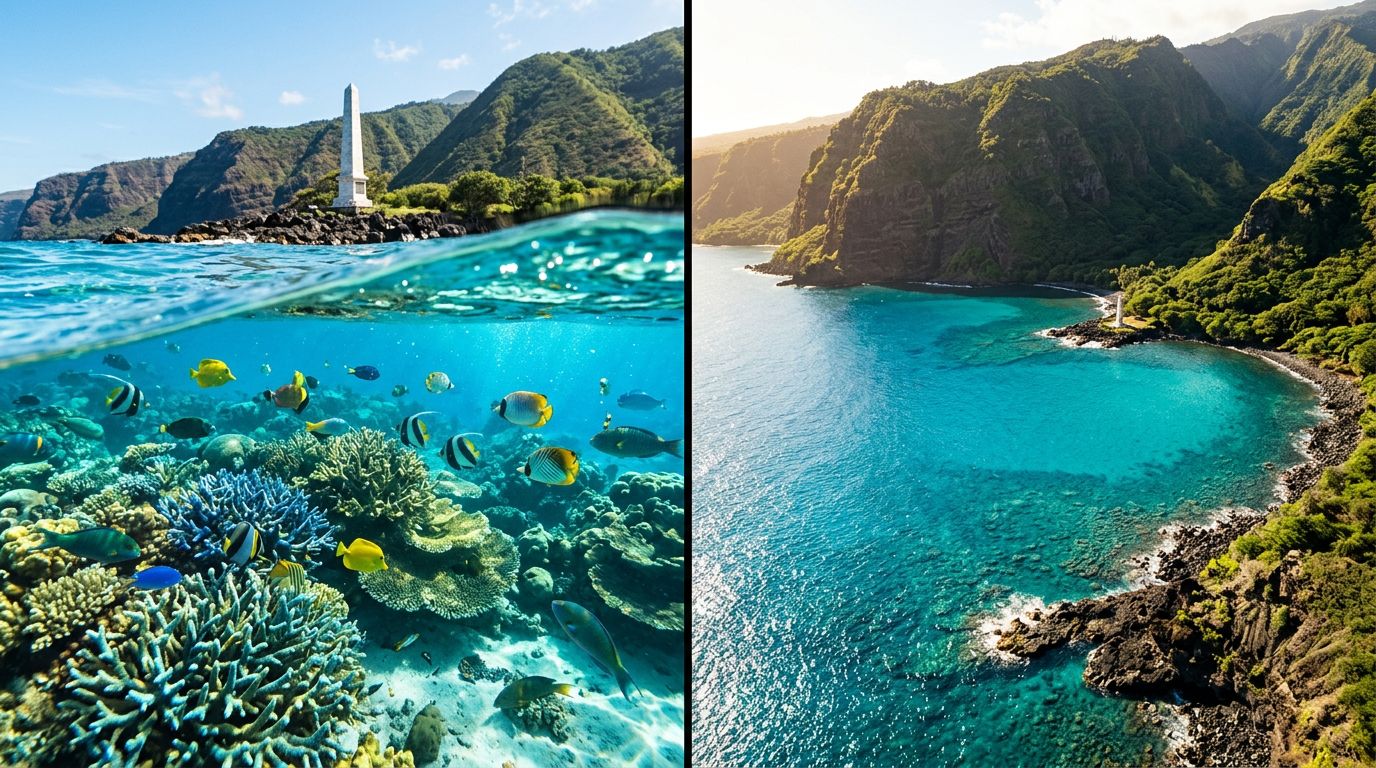
Captain Cook snorkeling and Kealakekua Bay snorkeling usually describe the same ocean destination, but they don’t mean exactly the same thing. Captain Cook is the familiar name travelers use for the snorkeling area near the Captain Cook Monument, while Kealakekua Bay is the larger bay surrounding it.
That difference matters when you’re choosing a tour, planning transportation, or comparing boat access with a shore-based visit. If you’re planning snorkeling Big Island Hawaii, understanding the names will help you book the right experience instead of searching for two separate locations.
Key Takeaways
- Captain Cook snorkeling usually takes place in Kealakekua Bay near the Captain Cook Monument.
- Kealakekua Bay is the full coastal area, while Captain Cook identifies one famous section.
- Boat tours provide direct access to the clearest snorkeling area near the monument.
- Morning trips often offer calmer water, but conditions can change each day.
- Kona Snorkel Trips offers guided Kealakekua Bay excursions with small groups, lifeguard-certified guides, and reef-conscious practices.
What “Captain Cook Snorkeling” Usually Means
When you see “Captain Cook snorkeling” on a tour page or travel forum, the phrase usually points to snorkeling near the white Captain Cook Monument in Kealakekua Bay. The monument stands on the northern shoreline, and the nearby underwater area is known for clear water, coral habitat, and large schools of tropical fish.
Captain James Cook was killed at Kealakekua Bay in 1779. Today, his monument is one of the most recognizable landmarks on the Kona Coast, but the snorkeling appeal comes from the marine environment around it rather than the monument itself.
Tour operators use “Captain Cook” because travelers recognize the name quickly. Kealakekua Bay is the geographic name, while Captain Cook is the landmark name. You might see either term used for a boat trip that visits the same general snorkeling area.
Searches for “snorkel Big Island” often mix Captain Cook trips with other Kona Coast excursions. Check the itinerary carefully. A tour described as a Captain Cook trip should identify Kealakekua Bay, the monument area, or both. If the listing only says “Kona snorkeling,” it may visit a different reef.
The phrase can also create confusion because Captain Cook is a historical figure, not a separate beach or reef. You aren’t choosing between two distant destinations. In most cases, you’re comparing two names for one popular snorkeling region.
For a useful comparison with another Big Island site, you can read this guide to Captain Cook and Honaunau Bay. Honaunau Bay, also called Two Step, is a different location south of Kealakekua Bay.
How Kealakekua Bay and the Captain Cook Monument Connect
Kealakekua Bay is a broad, protected inlet on the western side of Hawaii Island. The Captain Cook Monument sits at one end of the bay, close to the section that many visitors associate with the area’s best snorkeling.
That means the terms overlap, but they aren’t interchangeable in every sentence. Saying “I snorkeled at Captain Cook” usually identifies the monument area. Saying “I explored Kealakekua Bay” could refer to a wider boat route, shoreline, historical site, or another part of the bay.
The underwater scenery changes with location. Near the monument, you may find steep volcanic walls, rocky ledges, coral growth, and fish concentrated along the reef. Other areas around the bay can have different depths, entry conditions, and exposure to wind or swell.
Kealakekua Bay is also a Marine Life Conservation District. Fishing and other activities are restricted in protected areas, which helps preserve the reef and its resident fish. You can learn more about the bay’s history, geography, and snorkeling areas through this Kealakekua Bay visitor guide.
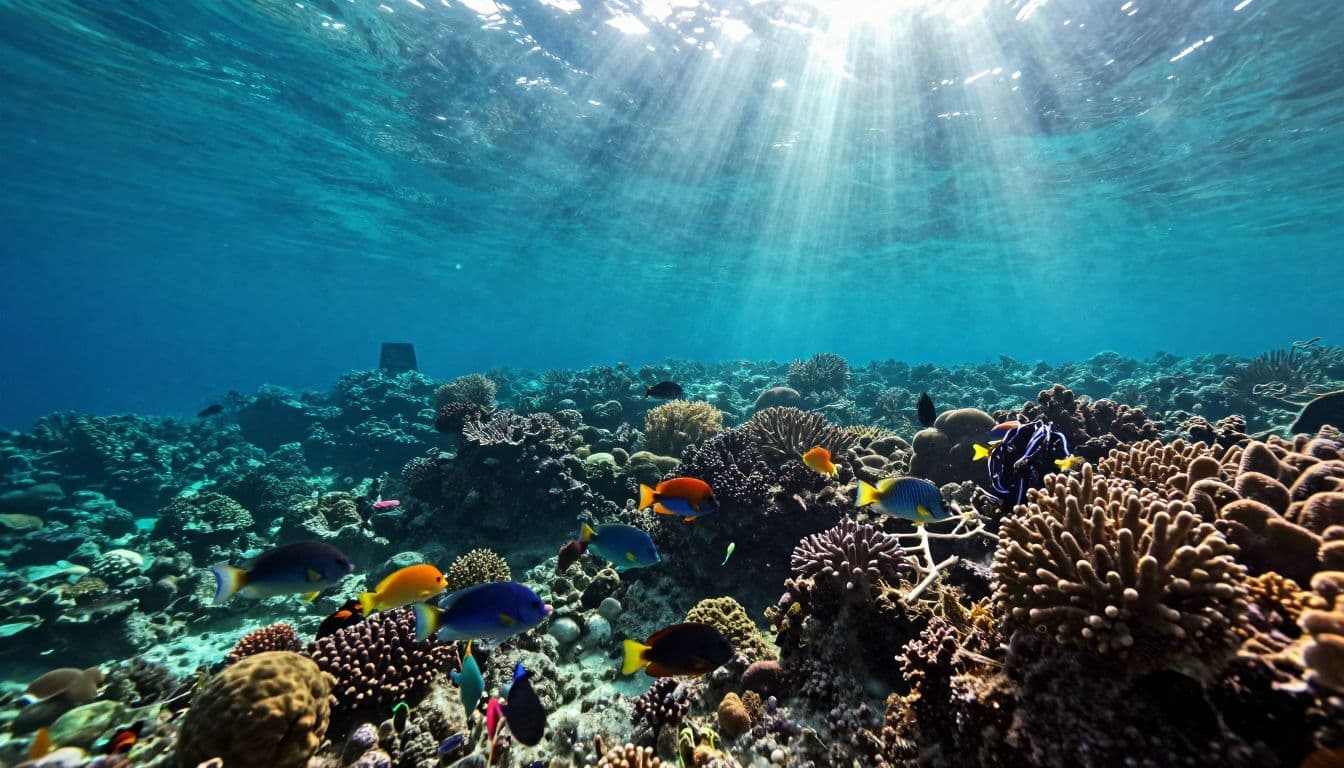
If you book a boat tour, your captain can choose an appropriate drop-off point based on current conditions. That flexibility is useful because wind, visibility, and surface chop can change during the day.
A map may show the monument, the bay, and nearby shoreline access as separate labels. Underwater, however, these names describe connected places. The monument is the landmark. Kealakekua Bay is the surrounding natural setting. Captain Cook snorkeling is the visitor-friendly name for the experience near that landmark.
Captain Cook vs. Kealakekua Bay Snorkeling at a Glance
This quick comparison shows how the two terms differ when you plan your trip.
| Feature | Captain Cook snorkeling | Kealakekua Bay snorkeling |
|---|---|---|
| What the name identifies | The area near the Captain Cook Monument | The wider bay and its snorkeling areas |
| Typical location | Northern side of Kealakekua Bay | Multiple sections within the bay |
| Common access | Guided boat tours, kayaks, or limited shore routes | Boat, kayak, or shoreline access depending on the area |
| Main appeal | Clear water, reef habitat, fish, and the monument view | Varied scenery, protected water, history, and marine life |
| What to confirm when booking | Whether the tour visits the monument area | Which part of the bay the itinerary includes |
The practical takeaway is simple: Captain Cook is usually a specific part of Kealakekua Bay. A Captain Cook tour should take you into the bay, but a Kealakekua Bay tour may include a broader route.
You should also check whether your excursion is a direct snorkel trip or a sightseeing cruise with a short water stop. Tour names can sound similar while offering different amounts of time in the water.
A focused Captain Cook excursion may spend most of its time near the reef by the monument. Another Kealakekua Bay trip might include coastal views, historical interpretation, or a second snorkeling location. Neither format is automatically better. Your choice depends on whether you want maximum water time or a wider coastal outing.
Which Experience Is Better for Your Trip?
For many visitors, the best choice is a guided boat trip to the monument area. You reach the snorkeling site without arranging a complicated route, carrying gear over rough ground, or entering unfamiliar water from shore.
Boat access also gives you a better view of the bay as you approach. You can see the cliffs, coastline, and monument from the water before entering the reef area. Guides can explain where to swim, how to conserve energy, and which areas deserve your attention.
Families often prefer this format because the crew handles equipment, safety instructions, and water entry. Parents can focus on their children rather than managing every part of the outing. Still, each swimmer should be comfortable wearing a mask and breathing through a snorkel before entering open water.
Couples and confident swimmers may enjoy the independence of a smaller group. You can spend more time observing fish along the reef instead of moving through a large crowd. Ask about group size, water time, and the planned snorkeling location before booking.
A shore-based visit may suit travelers who want to set their own schedule. However, access can involve route planning, uneven terrain, limited facilities, and changing entry conditions. You also need to bring your own equipment or arrange a rental.
Captain Cook snorkeling is usually the better fit when you want:
- Direct boat access to the monument area
- A guide in the water with you
- Included masks, snorkels, and flotation equipment
- Less time spent arranging transportation and entry logistics
- A structured outing for families or first-time visitors
Kealakekua Bay in the broader sense may suit you when you want to combine snorkeling with coastal sightseeing or visit more than one area. Read the itinerary rather than relying on the title alone.
Boat Access, Shore Access, and Ocean Conditions
The choice between boat and shore access affects more than convenience. It changes how much energy you have for snorkeling and where you can safely enter the water.
A boat carries you directly to the reef area near the monument. After a safety briefing, you usually enter from the vessel’s swim ladder or platform. This avoids a long approach from land and places you closer to deeper coral habitat.
Shore access requires more preparation. You may need to account for parking, walking distance, personal gear, entry points, and facilities. Conditions near the shoreline can also feel different from conditions farther inside the bay. Lava rock can be uneven, and waves can make entry uncomfortable even when the water looks calm offshore.
Morning departures are popular because wind often increases later in the day along the Kona Coast. That pattern isn’t a promise, though. Ocean conditions depend on swell, wind direction, rain, runoff, and local currents. A responsible captain may adjust the route or choose a protected area if conditions change.
Visibility can also vary. Kealakekua Bay often has clear water, but no guide can guarantee a particular view on a particular day. Recent rain may reduce visibility near runoff points, while strong wind can make surface swimming tiring.
Before booking, ask these practical questions:
- How long will you spend in the water?
- Does the trip visit the Captain Cook Monument area?
- Are masks, snorkels, fins, and flotation devices included?
- Is the tour suitable for children or weaker swimmers?
- What happens if the ocean conditions become unsafe?
- Where do you check in, and how early should you arrive?
If you already know that you get seasick, choose a morning departure when possible and follow the operator’s advice about food and medication. Bring a swimsuit, towel, water, sun protection, and a change of clothes. Reef-safe practices also matter. Don’t stand on coral, touch marine life, or chase fish for a photograph.
A recent visitor discussion about Captain Cook and Two Step shows why location names can cause confusion. Two Step is another popular snorkeling site, but it isn’t part of Kealakekua Bay.
What to Expect from Kona Snorkel Trips
Kona Snorkel Trips offers guided ocean excursions for travelers who want to snorkel Big Island waters with a professional crew. Its trips include Kealakekua Bay and Captain Cook snorkeling, along with other Kona Coast experiences.
The company follows a “Reef to Rays” philosophy. Its focus includes careful guest service, ocean safety, marine education, and respect for volcanic reef ecosystems. Lifeguard-certified guides lead the excursions, and the operation uses well-maintained snorkeling equipment for guests.
Small-group service can make a difference at a busy destination. You get more room to move, easier access to the guide, and a better chance to ask questions during the trip. The crew can also explain local fish, reef structure, water conditions, and responsible snorkeling habits as you explore.
If you want to compare available options, browse the guided Big Island snorkeling tours before choosing a departure. Look for the Captain Cook or Kealakekua Bay itinerary if the monument area is your priority.
Kona Snorkel Trips also offers private boat charters for travelers who want a more personal schedule. A private trip can work well for families with different swimming abilities, couples celebrating a special occasion, or groups that want to spend more time at a preferred reef.
The crew’s broader ocean program includes manta ray encounters, seasonal whale watching, and custom excursions. Those experiences are separate from daytime Captain Cook snorkeling, so check the exact trip description before reserving. A manta ray night snorkel, for example, follows a different schedule and uses different equipment and safety procedures.
For the Captain Cook or Kealakekua Bay trip, you can check avaialbility and review the current departure details.
How to Prepare for a Captain Cook Snorkel Trip
You don’t need advanced snorkeling skills to enjoy Kealakekua Bay, but you do need to prepare for an ocean activity. Start by choosing equipment that fits correctly. A leaking mask or loose snorkel can turn a pleasant swim into a frustrating one.
Your guide can help adjust your mask, fins, and flotation gear. Tell the crew if you feel nervous, tire quickly, or need extra assistance. Good communication gives the team more information to work with before you enter the water.
Practice breathing through your snorkel before swimming away from the boat. Keep your face relaxed and use slow, steady movements. You don’t need to kick hard to move over the reef. Gentle fin strokes conserve energy and create less disturbance for fish.
Use reef-safe sun protection and cover your skin with a rash guard when possible. Hawaii restricts the sale and distribution of sunscreens containing oxybenzone and octinoxate, but product labels can still vary. Applying sunscreen well before entering the water also reduces the amount that washes off immediately.
During the snorkel, keep your hands off coral and maintain distance from turtles, fish, and other marine life. Never stand on the reef, even if a shallow section looks empty. Coral can break under your weight, and sharp rock can injure your feet.
Bring only what you need. A waterproof phone case can help with photographs, while a dry bag protects items that stay on the boat. Leave valuables at your accommodations when possible.
You should also plan around your group. Children may need a flotation device and a shorter first swim. Older travelers may prefer a boat with an easy ladder and a calm entry platform. If someone in your party doesn’t want to snorkel, ask whether the trip offers comfortable sightseeing space on board.
Above all, follow the crew’s instructions. Ocean conditions can change faster than they appear from the beach. Your guide knows the local entry points, currents, and safe boundaries for the day’s trip.
Captain Cook Snorkeling vs. Kealakekua Bay: The Answer
Captain Cook snorkeling and Kealakekua Bay snorkeling usually refer to the same general destination, but the names describe different scopes. Captain Cook points to the monument area. Kealakekua Bay names the larger bay that contains it.
When you want the famous reef near the monument, choose an itinerary that clearly says Captain Cook, Kealakekua Bay, or Captain Cook Monument. Then confirm the water time, access method, group size, and included gear.
Your snorkeling Big Island plans will be easier once you stop treating these names as separate destinations. You can focus on the details that shape your day: current conditions, boat access, guide support, and the kind of ocean experience you want. The landmark may have one name and the bay another, but the clear water and living reef are part of the same memorable Kona adventure.