
The Best Side of Kealakekua Bay for Clear Water
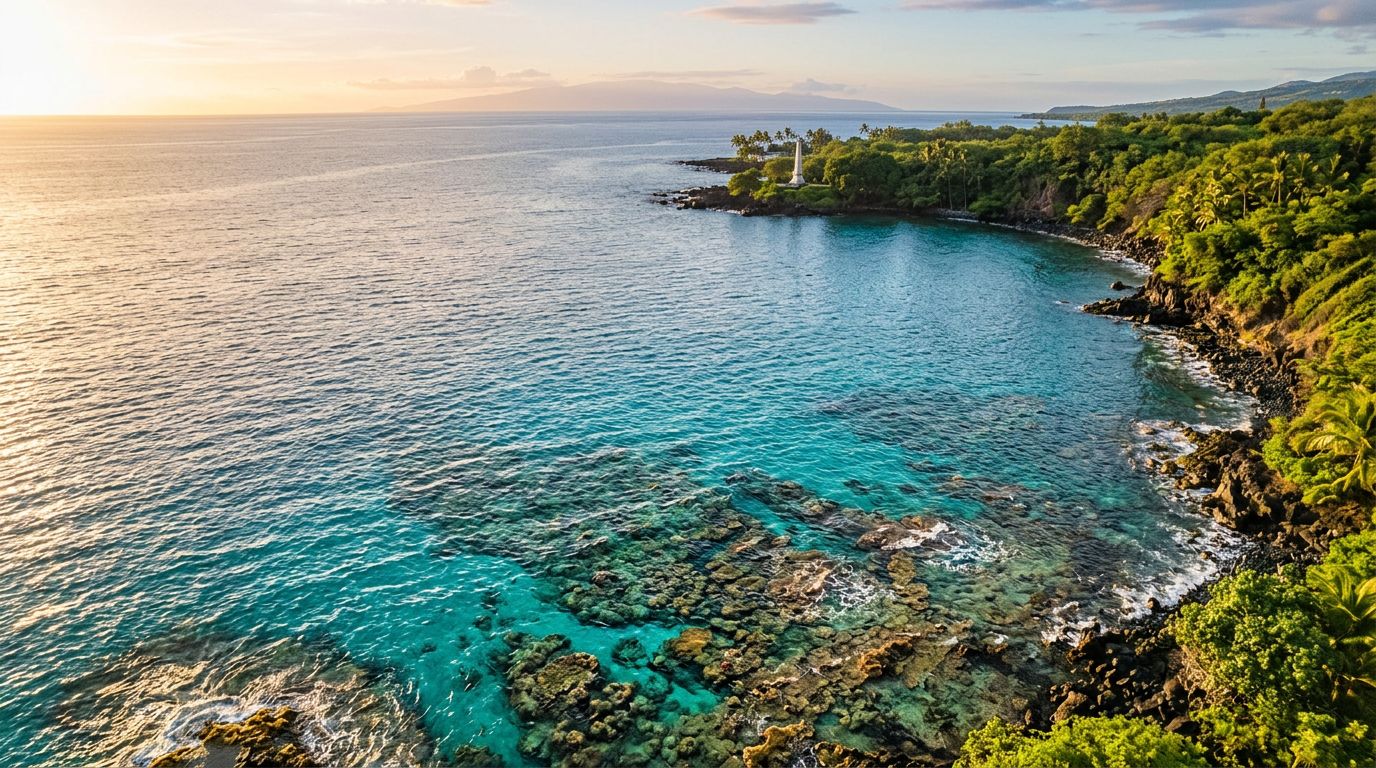
Clear water changes everything when you snorkel. A reef that looks ordinary from the surface can feel alive once the water opens up.
If you’re planning snorkeling Big Island Hawaii style, Kealakekua Bay is one of the first places that comes to mind. Kona Snorkel Trips’ guided snorkeling tours in Kona give you an easy way to reach the bay, and Captain Cook Snorkeling Tours is another strong option when you want to focus on the monument side. The real question is simple, which side gives you the clearest water?
The answer usually points south. Start there, and you give yourself a much better shot at a calm, bright snorkel day.
Why Kealakekua Bay Usually Looks So Clear
Kealakekua Bay sits on the Kona coast, so it often gets the dry, leeward weather pattern that helps keep the water clean. Less rain means less runoff, and less runoff usually means less cloudiness near the reef. That alone gives the bay an edge over many open-coast spots.
The bay shape helps too. It sits in a protected curve of shoreline, so swell loses some of its force before it reaches the snorkeling zone. On the right morning, the water can feel smooth enough that you see the reef before you even reach it.
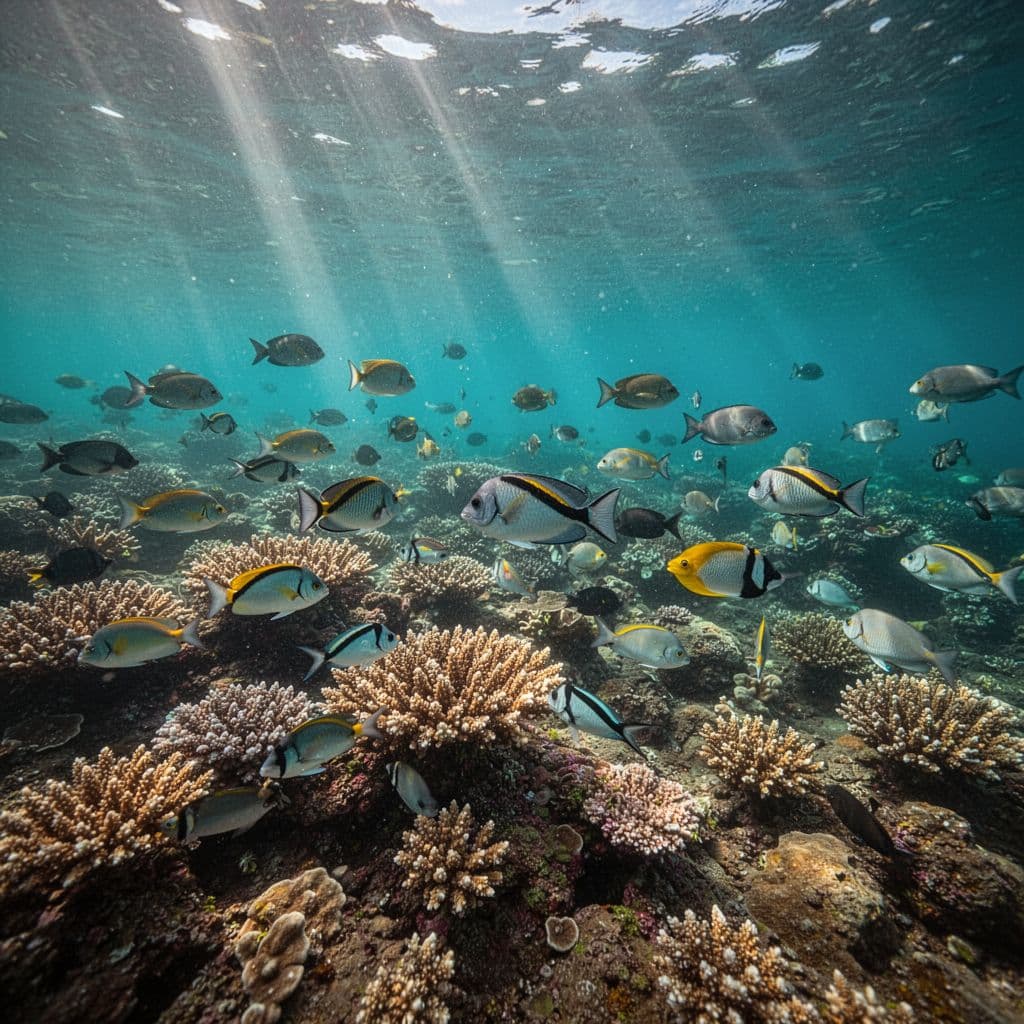
That calm look is part of what makes the bay so memorable. Coral colors pop faster when the surface stays still. Fish are easier to spot when you are not fighting chop or glare. For many people who snorkel Big Island, that is the moment the day starts to click.
Local trip notes often describe visibility that can reach 60 to 100 feet on calm days, which lines up with the Kealakekua Bay guide from Love Big Island. You will not get that every day, of course, but the bay gives you a strong starting point. The water has a better chance of staying clean because the area is sheltered and the reef sits in a good pocket.
That is why the side you choose matters so much. The bay does a lot of the work for you, but the wrong entry point can still cut into the view.
The South Side Near Captain Cook Monument Is the Best Bet
If you want the clearest water, start on the south side near the Captain Cook Monument. That part of the bay usually gives you the best mix of reef access, calmer water, and cleaner-looking conditions. It is the side most visitors picture when they think about Kealakekua Bay snorkeling.
The south side tends to work better because it puts you closer to the prime reef area without adding extra mess from shallow shoreline disturbance. The water often feels more stable there, and the color of the reef shows better when the surface stays settled. If your main goal is a bright, easy-to-see underwater scene, that matters more than a short walk to the water.
The north side can still be pleasant, but it usually brings more variables. Sand gets stirred more easily. Water clarity changes faster after rain. Shore entry can also push you into shallower water, where any movement shows up faster.
This quick comparison makes the choice easier.
| Bay side | What you usually get | Best use |
|---|---|---|
| South side near Captain Cook Monument | Cleaner water, stronger reef color, more stable conditions | Best choice for clear-water snorkeling |
| North side and shore-adjacent areas | Easier access for some visitors, but more variable clarity | Good when access matters more than perfect visibility |
If clear water is your goal, choose the south side first and plan around morning conditions.
For a trip that focuses on this part of the bay, Captain Cook Snorkeling Tours keeps the goal simple, get you to the clear-water zone without making you guess where to go.
If you want a deeper local breakdown of bay access and timing, this Kealakekua Bay snorkeling guide is a useful companion piece.
Why the North Side Is More of a Backup Plan
The north side is not a bad snorkel, but it usually works better as a fallback than as your first pick for clear water. That part of the bay can still offer a nice swim, especially when the sea is calm and the crowd stays light. Still, the view tends to be less predictable.
If you need easier shore access, the north side may fit your day better. Families with small kids often care more about a gentle start than a perfect underwater view. The same goes for travelers who are short on time and want the simplest entry point possible.
Even so, you give up something when you stay north. Visibility can change faster there. Any light wind, foot traffic, or stirred sand can dull the color of the water. A bay that looks blue from shore can turn slightly hazy once you kick over the bottom.
That is why the north side should be your second choice when clarity is the priority. It can still deliver a good swim, but it usually does not beat the south side for clean water. If you are planning snorkeling Big Island as part of a wider trip, that difference is worth remembering.
For some visitors, the backup plan still works fine. If your day is built around comfort, convenience, or a shorter walk, the north side can make sense. You just want to know what tradeoff you are making before you jump in.
What Changes Visibility on Your Snorkel Day
A lot of people blame the wrong side of the bay when the water looks off, but conditions can shift fast. The bay itself is important, yet timing matters almost as much. A calm morning can look completely different from a breezy afternoon.
Here are the main things that affect clarity:
- Wind: Light wind helps the surface stay smooth. Stronger wind puts texture on the water and can reduce what you see below.
- Rain: Fresh rain can add runoff and cloud the shallows, especially close to shore.
- Time of day: Early hours often bring the calmest water and the best light for seeing coral detail.
- Entry style: Shore entries can stir sand. Boat access often gets you to cleaner water faster.
- Crowds: More swimmers can mean more fin kicks, and that can lift sand near the bottom.
The point is simple. You should watch the water, not only the map. The best-looking bay in Hawaii can still feel dull if wind and surge work against you.
That is also why local planning helps. If you want a broader look at route timing and bay access, this local Kealakekua Bay snorkeling guide gives you another angle before you choose your day.
When you snorkeling Big Island conditions line up with a calm south-side entry, the experience changes fast. The reef looks sharper. The fish look closer. Your whole swim feels easier.
Guided Access Makes the Clear Side Easier to Reach
Kona Snorkel Trips is a strong fit if you want a clean, well-run day on the water. The crew keeps groups small, brings the gear, and uses lifeguard-certified guides who know how to read local conditions. That matters when you care about clear water, because the best side of the bay is easier to enjoy when the logistics stay simple.
Their approach also puts reef care and guest safety first. That is more than a slogan. It changes how the day feels. You get less crowding, more personal help, and a calmer pace before you even enter the water. For many travelers, that is the difference between a rushed outing and a relaxed one.
If you like to compare options before you book, that helps too. Some people want the easiest snorkel. Others want the clearest water they can get. Kona Snorkel Trips is built for the second group, especially if you want guidance without a big, impersonal boat scene.
That kind of small-group setup fits the way a good Kealakekua Bay day should feel. You want time to look, float, and breathe. You do not want to spend half your energy sorting out gear or guessing where the calm water starts.
When you book a guided outing, you also make the day easier for everyone in your group. Couples can move at a relaxed pace. Families can get more help in the water. First-timers can focus on the reef instead of the entry point.
If your trip is centered on Kona, that extra structure pays off. The bay already gives you a strong setting. A good guide helps you use it well.
A Simple Plan for a Better Kealakekua Bay Snorkel
You do not need a complicated plan to improve your day. You just need a smart one.
- Go early. Morning water is often calmer, and the light is better for spotting reef detail.
- Aim for the south side. The Captain Cook Monument side usually gives you the clearest water.
- Check the weather first. Wind and rain can change the water faster than most visitors expect.
- Keep your first swim easy. Relaxed breathing and slow kicks help you enjoy the reef instead of fighting it.
- Bring reef-safe sunscreen and enough water. Comfort matters more than people think.
- Stay patient with the day. A short delay can be worth it if the water clears.
That plan works whether you are traveling as a couple, with kids, or on your own. It also fits the way many people approach snorkeling Big Island Hawaii, where the best days are calm, early, and low-stress.
If you want the shortest version of the advice, it is this. Choose the south side first, start early, and let the bay work for you instead of against you.
Conclusion
Kealakekua Bay rewards the snorkeler who pays attention to the side of the bay, not just the name on the map. The south side near the Captain Cook Monument usually gives you the best shot at clear water, while the north side works better when convenience matters more than visibility.
If you line up the right timing and the right access point, the water can look almost unreal. That is the real appeal of Kealakekua Bay snorkeling, bright reef color, calm conditions, and a swim that feels easy from the first kick.