
Can You See Manta Rays From Shore in Kona?
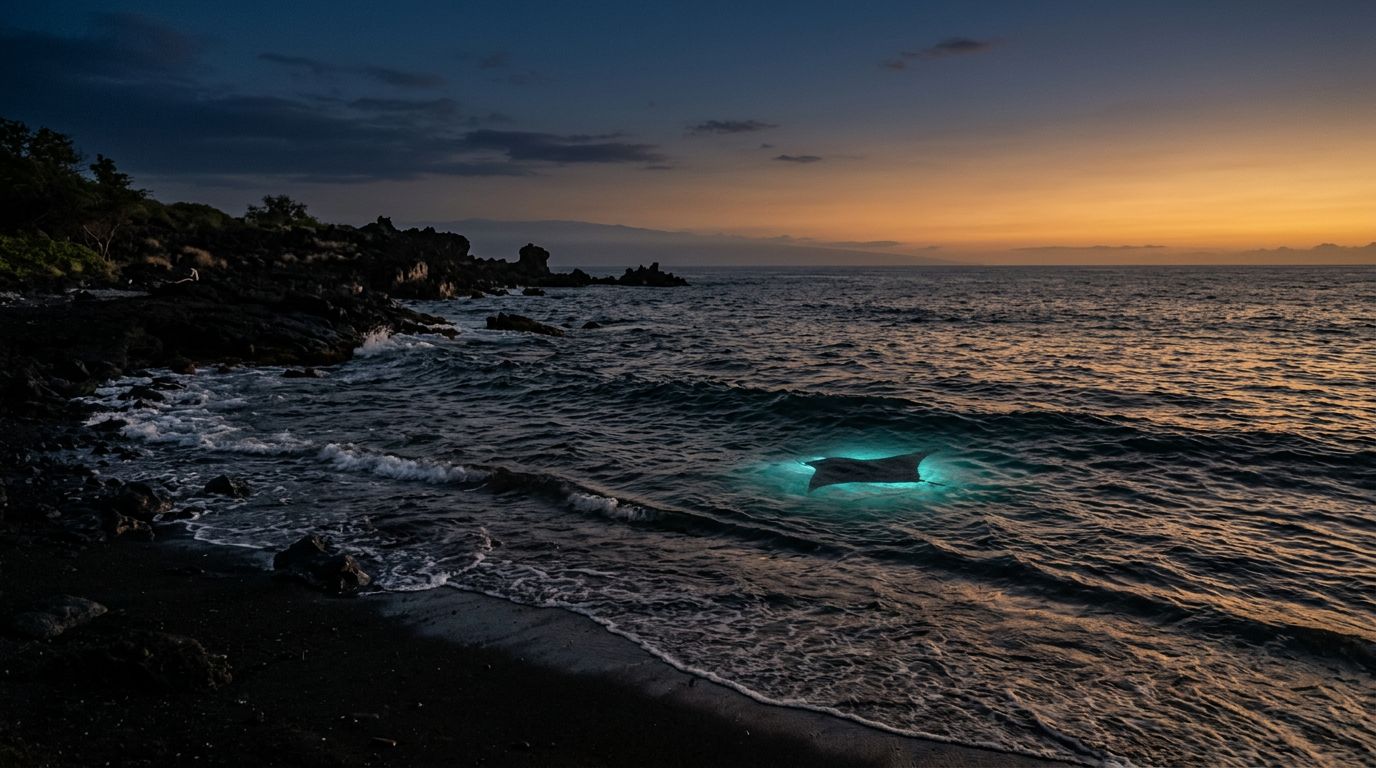
Kona Snorkel Trips gets this question a lot, because many visitors want a simple answer before they plan an evening on the coast. The honest answer is sometimes, but only in the right place, at the right time, and with a little luck.
If you’re planning snorkeling Big Island Hawaii time, it helps to know the difference between a possible shoreline glimpse and a real manta encounter. For manta rays Kona is famous for, the best show usually happens in the water, not from dry land.
The short answer: sometimes, but don’t count on it
You can see manta rays from shore in Kona, but you should treat it as a bonus, not a plan. These animals don’t cruise the coastline on a schedule, and they don’t gather close to land just because you showed up with a camera.
Mantas follow food, water movement, and light. That means a shoreline sighting depends on whether plankton is present, whether the water is clear enough, and whether the ocean surface gives you a view worth having. Some nights, you may spot a dark wing shape near lit water. Other nights, you can stare for an hour and see nothing.
That matters if you’re trying to snorkel Big Island on a tight schedule. A beach-based guess can be fun, but it isn’t the same as a dependable encounter. If seeing a manta is a big goal, a guided night snorkel is the smarter move.
Families planning snorkeling Big Island trips often ask the same thing. They want an easy, low-stress option. Shore viewing can be easy, but the payoff is uncertain. A boat trip adds structure, and that usually changes the experience more than people expect.
Where shoreline manta sightings in Kona can happen
Kona’s coast is one of the best-known places in Hawaii for manta encounters, but the famous spots are not all shoreline spots. Some parts of the coast have enough light, depth, and activity to give you a distant look, especially around Keauhou and other lit stretches of the south Kona shoreline.
That doesn’t mean you should pick any beach and wait. In most cases, you need a clear view of the water, a calm surface, and enough darkness to make the manta’s shape stand out. Even then, the sighting may be brief.
According to Hawaii Ocean Watch’s Kona manta viewing sites, the best-known sites along the Kona coast are tied to boat-access viewing areas. That is the main thing to remember. The places with the best reputation are usually set up for in-water viewing, not casual beach watching.
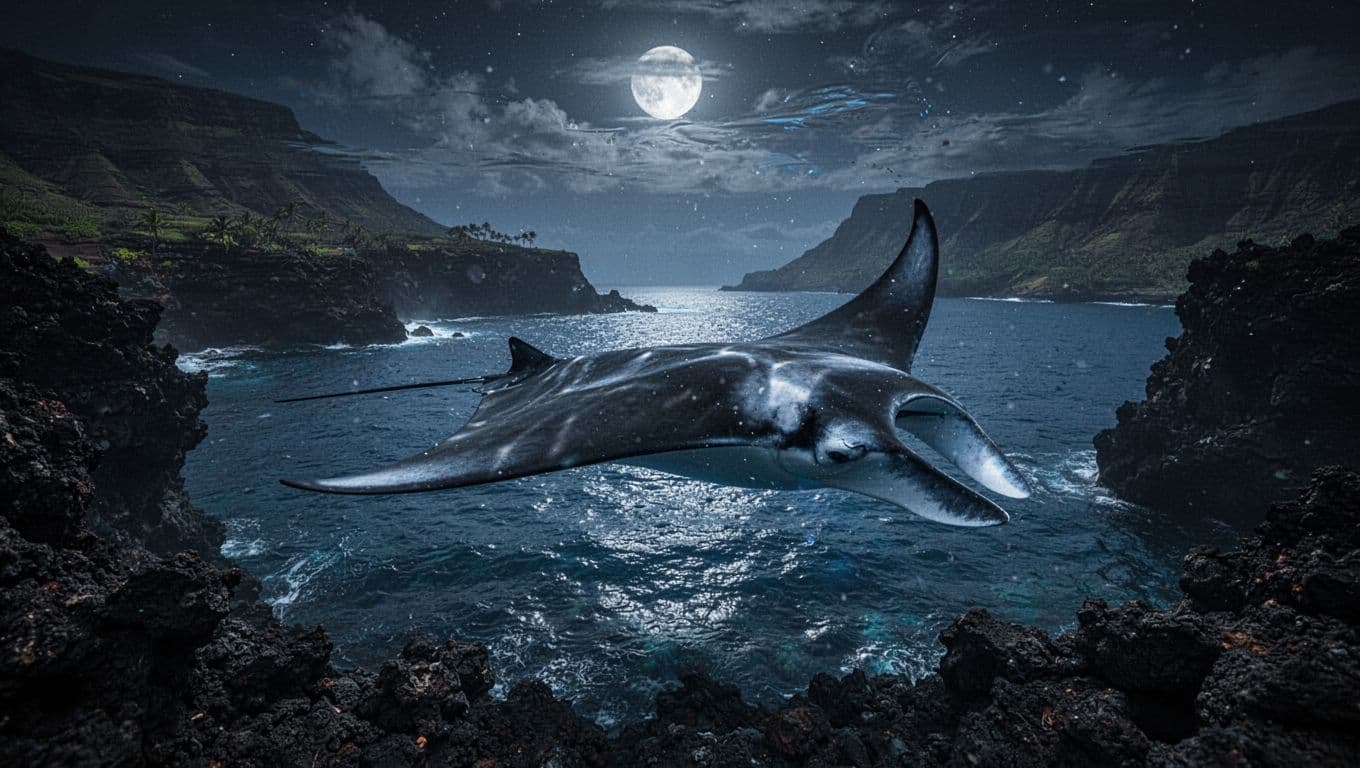
A shoreline look can still be worth your time, especially if you are already near the water after dinner. You may catch a shadow moving under a resort light or a wide wing shape crossing a lit patch of sea. Still, the ocean is not a zoo exhibit, and the animals do not line up for shore viewers.
Why the ocean conditions matter more than the calendar
The date on your phone matters less than the water in front of you. A good shoreline manta sighting depends on conditions, and those conditions change fast.
Here’s a simple way to think about it:
| Condition | What it means from shore |
|---|---|
| Calm water | You can spot movement more easily. |
| Dark shoreline lighting | Shapes stand out better against the water. |
| Clear water | You have a better chance of seeing past the surface glare. |
| Plankton in the area | Mantas have a reason to come closer. |
| Wind chop or surf | Your view gets broken up fast. |
The most useful nights are usually calm, dark, and quiet. Even then, you still need the mantas to show up nearby. That is why a shore sighting feels more like a lucky bonus than a guaranteed wildlife stop.
A shoreline sighting is a bonus. A guided night snorkel is the plan.
Moonlight can help you see the waterline, but it can also wash out contrast. Wind can push plankton around, which sometimes helps and sometimes does the opposite. Tide, swell, and local lights all matter too. In short, your odds improve when the surface is smooth and the coastline is softly lit.
What a shoreline sighting usually looks like
If you do see a manta from shore, it often looks less dramatic than people expect. You probably won’t get a giant breach or a long surface display. More often, you get a smooth shadow, a wing tip, or a slow pass through lit water.
That can still be thrilling. A manta ray’s movement is so steady that it almost looks unreal. The body seems to float without effort, like a dark kite drifting under the surface. If you’re with family or friends, that quick flash can become the highlight of the night.
The key is knowing what you’re seeing. From a distance, a manta may look like a broad, moving patch in the water. Under the right light, you might notice the white underside as it turns. You may also see a brief circle or sweep as it feeds near the surface.
Try not to crowd the edge or lean over unsafe rock. Keep your voice low, stay back from the waterline, and let your eyes adjust. If you see a ray, enjoy the moment, then give it space. Shore viewing works best when you act like a guest, not a spectator on top of the animal.
For many travelers, this is enough. For others, it only builds the appetite for a closer look.
When you want the real close-up experience
If your goal is to actually see manta rays Kona is known for, a guided night snorkel makes a lot more sense than hoping for a shoreline pass. That’s where Kona Snorkel Trips fits in. The company keeps the experience small, gives you gear, uses lifeguard-certified guides, and focuses on reef-safe habits and guest safety.
If you’re comparing options before you book, the Big Island snorkeling tours page is a clean place to start. It helps you see the main choices without having to sort through a dozen tabs.
If you want the broader tour lineup, you can check availability and see what works for your dates.
For a manta-focused evening, Manta Ray Night Snorkel is another dedicated option. If manta rays are the whole reason you’re going out after dark, a trip built around that one experience usually feels more satisfying than a shoreline wait.
If you’re ready to book that kind of night, you can check availability.
That mix of small groups, safety, and focused timing is why a lot of visitors choose a boat. You spend less time hoping and more time watching the water where the mantas actually move.
How to plan your evening around the ocean, not hype
A little planning goes a long way when you want to see manta rays in Kona. If you walk into the evening expecting a guaranteed shoreline show, you’ll probably leave disappointed. If you treat shore viewing as a possible bonus and build the rest of the night around a solid plan, the whole experience feels better.
Start by checking the weather and the surf. Calm conditions help more than anything else. Then choose a safe, legal viewing point with a wide view of the water. A dark, quiet stretch of coast is better than a crowded spot with lots of glare.
These simple habits help too:
- Arrive before full dark so your eyes can adjust.
- Keep your phone light away from the water.
- Bring a warm layer, because Kona nights can feel cool after sunset.
- Stay patient, because mantas may appear for only a few minutes.
If you’re traveling with kids or older family members, a guided trip often removes the guesswork. That matters on busy vacations, when you only have a few evenings to work with. It also matters if you want your snorkeling Big Island time to feel memorable instead of uncertain.
The same advice applies to couples and solo travelers. Shore viewing can be romantic, but it can also be quiet in a way that feels empty. A guided night snorkel gives the evening some shape.
What to remember before you head out
You can sometimes see manta rays from shore in Kona, but you should expect a lucky glimpse rather than a reliable show. The ocean has to cooperate, the light has to work in your favor, and the mantas have to be close enough to matter.
If you want a real close-up view, a night snorkel is the better choice. That’s especially true if you came to Hawaii hoping to make manta rays one of the highlights of the trip.
If the shoreline gives you a shadowy fly-by, enjoy it. If it doesn’t, you still have a clear next step, and that usually beats waiting on the beach and hoping the ocean follows your schedule.