
How to Spot Surgeonfish During Kealakekua Bay Snorkeling
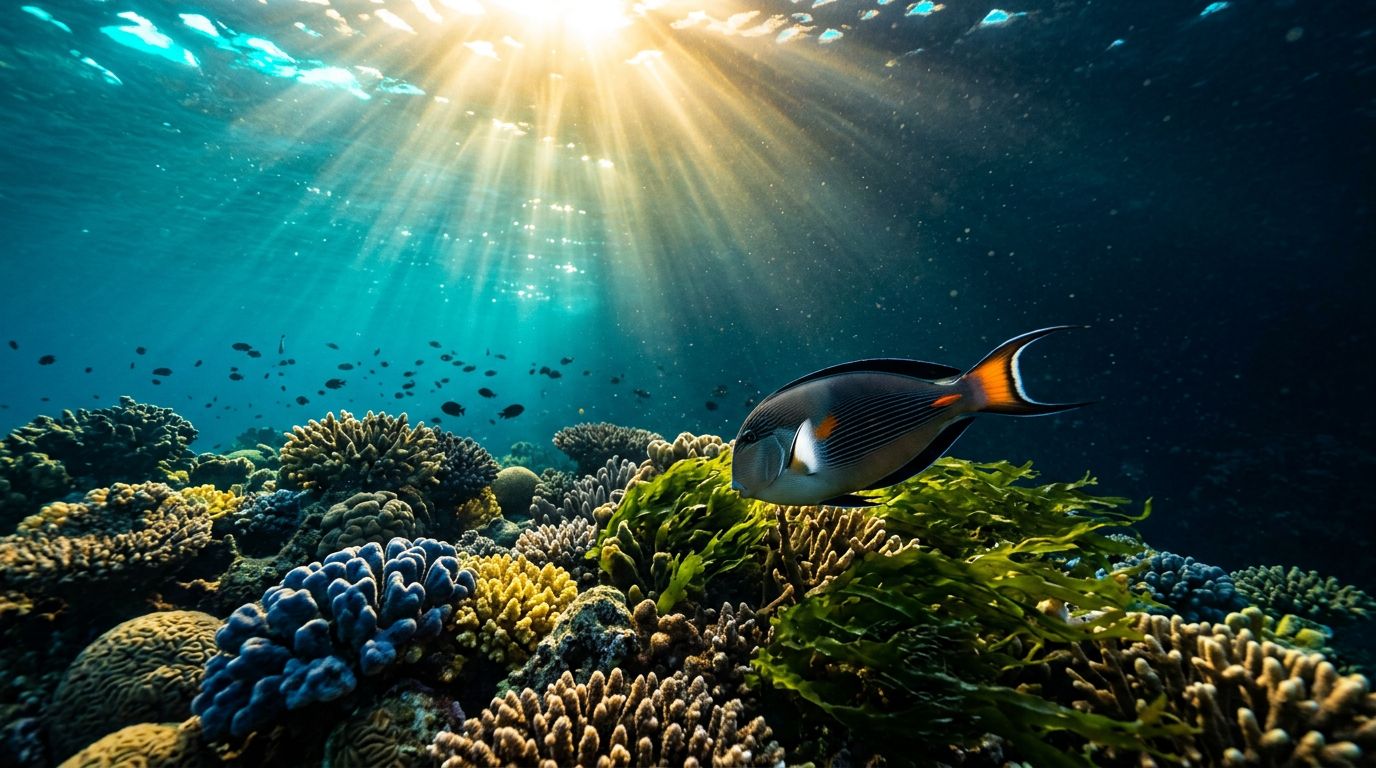
Surgeonfish are some of the easiest reef fish to recognize once you know the clues, yet they can disappear fast if you’re staring at the wrong part of the water. During Kealakekua Bay snorkeling, you may see them grazing in plain sight, then vanishing with one quick flick of the tail. Kona Snorkel Trips puts you over clear reef water where those details are easier to catch, and that’s a big help if you’re planning snorkeling Big Island Hawaii. Once you learn the shape, the color, and the way they feed, the reef starts feeling less crowded and a lot more readable.
Why Kealakekua Bay helps you spot them faster
Kealakekua Bay gives you the kind of water that makes fish spotting easier. The bay is sheltered, the reef has texture, and surgeonfish spend time grazing instead of blasting past you. Kona Snorkel Trips keeps the group small, so you get more room to watch the reef at your own pace. If you want a wider look at Big Island snorkeling tours, the right trip keeps you close to the fish instead of near a crowded wake.
In clear water, the same fish that would blend into a darker shoreline suddenly stand out. You start to see edges, body shapes, and feeding patterns. That matters because surgeonfish are not the kind of fish you spot by size alone. You spot them by the way they move through the reef like they belong there.
That slower pace also helps you notice the difference between fish that pass through and fish that feed. Surgeonfish usually come back to the same patch of reef again and again. They move with purpose, almost like they have a route in mind.
Clear water is only part of the story. Slow movement matters too, because surgeonfish react to noise and sudden turns. When you drift instead of charging ahead, you give yourself time to spot the little flashes that separate a tang from a damselfish. That extra beat is often what turns a blur into a name.
Morning light helps as well. The sun sits lower, glare drops, and the reef edge shows more shape. In that kind of light, even a brown kole can stand out if you watch the way it feeds.
The bay also gives you a useful range of depths. A fish that hides near the top of a coral head may come into view again when you drop your gaze a few feet. That layered view helps you learn the reef faster than open water ever will.
The best sign is simple, a fish that keeps grazing, circles back, and flashes a knife-like tail spine when it turns.
What surgeonfish look like up close
Surgeonfish are built like reef commuters. Their bodies are tall and narrow, almost oval, which makes them easy to pick out once you stop expecting every fish to look slim. The head is small, the mouth sits low, and the whole body feels like a flat coin turned on edge.
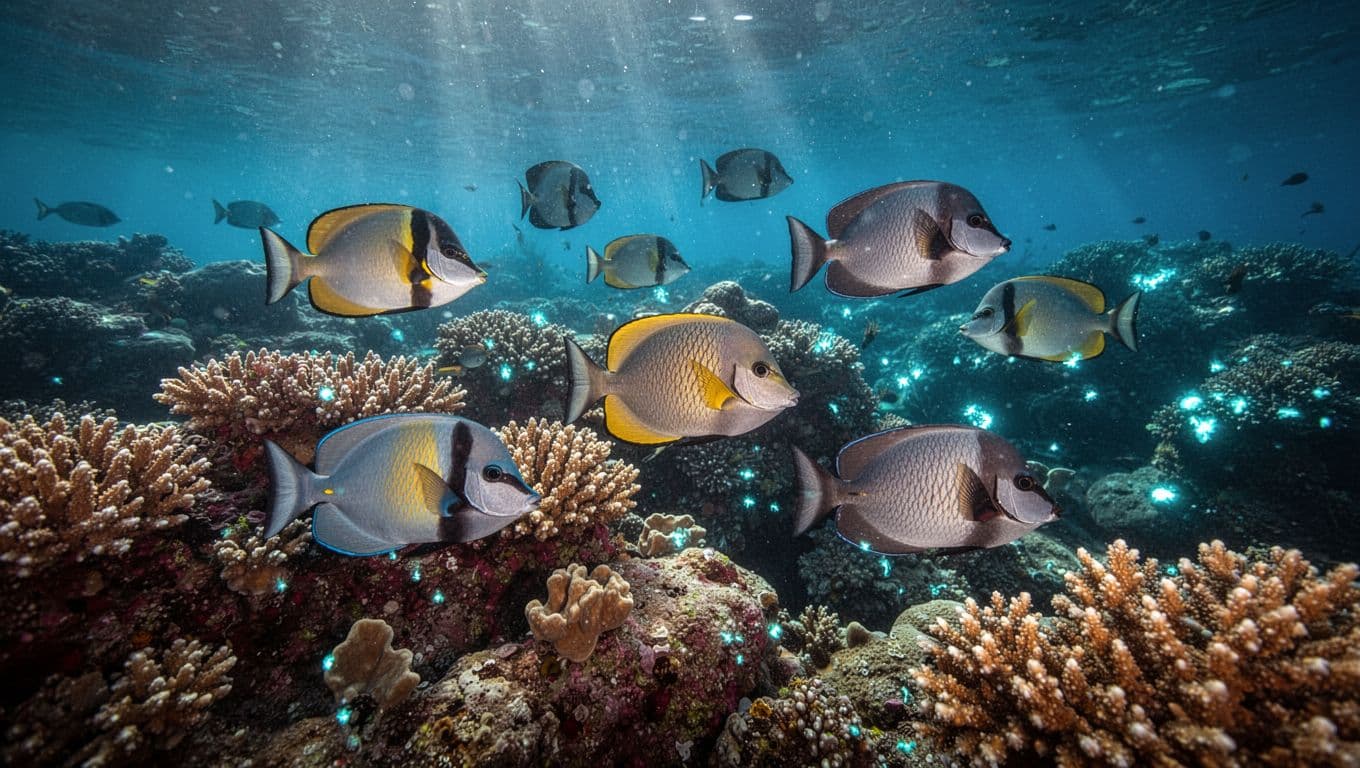
The tail spine is the detail most people miss. It sits at the base of the tail and folds flat until the fish needs it. That spine is why the family gets its name, and it’s the fastest way to tell surgeonfish apart from many other reef fish.
Color helps, but shape helps more. A bright yellow tang looks obvious, while a brown kole can blend into the reef. Even then, the movement gives it away. Surgeonfish tend to sweep the reef in short loops, then circle back to feed again.
Their feeding style is a clue too. They graze on algae and tiny growths on the reef surface, so they spend a lot of time facing the same kinds of rocks and coral edges. If a fish keeps pointing its nose at the reef and not at you, that tells you something.
This is where many first-time snorkelers get tripped up. They look for a dramatic burst of motion, but surgeonfish are often more subtle than that. They don’t flash past like a fast predator. They move like careful diners.
Common surgeonfish you may see in the bay
You don’t need every species name memorized. Start with the fish you see most often in Kealakekua Bay, then build from there.
| Fish | Quick clue | Where you may notice it |
|---|---|---|
| Yellow tang | Bright yellow, deep oval body, easy to see from far away | Sunlit reef ledges and coral heads |
| Kole | Brown to olive, pale horizontal lines, steady grazer | Reef flats and rocky edges |
| Convict tang | White body with dark vertical bars | Small groups near open reef |
| Ringtail surgeonfish | Gray-brown body with a pale ring near the tail | Edges and drop-offs |
Yellow tang is the easiest place to start. It can look like a yellow slice of sunlight, especially when the water is calm. Kole is trickier because its color matches the reef, so you need to watch the feeding motion. Convict tang is the striped one, which usually stands out once you notice the vertical bars. Ringtail surgeonfish is the one to watch near edges and drop-offs, where its pale tail ring can flash for a second and disappear again.
You may also notice that the fish behave differently even when they share the same space. Some stay in loose pairs. Others travel in small, loose groups. That pattern helps you identify them even when the light shifts and the colors fade a little.
If you want a broader visual reference after your swim, the Hawaiian fish identification guide is a useful companion before you get in the water. If you prefer video, a short guide to Hawaiian reef fish can help you match body shape to name.
Another simple way to separate surgeonfish from look-alikes is to watch the size of the mouth and the way the body bends. Damselfish are smaller and more territorial. Butterflyfish are flatter in a different way and often move in a quicker, more twitchy line. Surgeonfish have a smoother glide and a more obvious grazing habit.
Where they feed and how they move
When you snorkel Big Island reefs, the best search pattern is simple: follow the reef edge, not the blue water. Surgeonfish like the line where rock meets coral, because that’s where algae grows and where they can stay close to cover. They rarely hold a fixed spot for long. Instead, they move in loose loops, nibble, turn, and come back.
Look for sunlight striking the reef at an angle. That light makes edges clearer and gives you the contrast you need to separate one fish from another. If you are snorkeling Big Island on a calm morning, you may notice yellow first, then shape, then the tail spine. That order is normal. Your eyes usually need a moment to sort the scene.
Current matters too. In gentle water, surgeonfish keep their feeding rhythm. In rougher water, they tuck closer to structure and become harder to read. That is why sheltered coves often reward patience better than exposed shoreline. The reef is still there, but the fish get more selective about where they show themselves.
Keep an eye on small shelves, broken coral, and the tops of rock fingers. Those spots give the fish room to graze and room to vanish. If you can spot the same patch twice from different angles, your odds go up fast.
For snorkeling Big Island travelers, that means the goal is not speed. The goal is to settle into the scene long enough for patterns to show up. The reef starts to make more sense once you stop trying to cover too much water.
Small habits that sharpen your eye
Small habits make a big difference once you’re in the water. A few simple adjustments can help you spot more fish without getting close enough to spook them.
- Start with a slow glide, then pause your kicks. Surgeonfish notice sudden motion fast, so stillness helps you see them longer.
- Aim your mask at the reef edge. The blue water may look pretty, but the food is on the rocks.
- Watch for repeated passes. A fish that keeps circling back is feeding, not fleeing.
- Stay a few feet off the reef. You will see more body shape and less panic.
- Check the same ledge twice. Fish often disappear behind coral, then reappear in the same lane.
For snorkeling Big Island families, these habits also make the swim calmer. Kids see more when the pace slows down, and adults usually enjoy the reef more too. Nobody needs to rush to spot everything at once.
The less you chase the fish, the more they give away. That is especially true with surgeonfish, because their feeding style repeats. Once you notice one circuit, you can start predicting the next one.
A good rule is to stay present for a minute longer than feels necessary. Many snorkelers leave a spot just before the best sightings. A few more breaths often give the reef time to reveal another loop, another flash of color, or another tail spine turning in the light.
When a guided trip makes the difference
If you want help finding the right part of the reef, a guided Kealakekua Bay trip cuts the guesswork. Kealakekua Bay snorkel tour puts you in the same water where surgeonfish feed, and the guide can point out which fish are tangs, which are damselfish, and which ones are just passing through.
Captain Cook Snorkeling Tours also focuses on this stretch of coast, so you can pair the fish lesson with the bay’s history if that matters to you. A ride out to the monument area gives you more than a scenic swim. It gives you time in a place where the reef is easy to read and the fish are easier to study.
If you want to compare a few options before you book, guided tours make a lot of sense because they remove the guesswork about where the reef is healthiest and where the water stays clearest. That matters when you’re trying to learn fish shapes for the first time.
A short tour also means less time second-guessing your location. You get a cleaner read on the reef, more time to watch feeding loops, and a better chance to notice how the fish use the same ledges over and over. That kind of repetition is what helps the names stick.
Conclusion
Surgeonfish are easy to miss only until you know what to watch for. Once you start looking for the oval body, the low mouth, the tail spine, and the steady grazing pattern, they pop out of the reef fast.
Kealakekua Bay snorkeling gives you a strong place to practice because the water is clear and the reef has enough structure to hold your attention. Slow down, keep your eyes on the reef edge, and let the fish come to you.
When that happens, the swim changes. You stop seeing a wall of color and start seeing a living pattern.