
Big Island Snorkeling in Summer for First-Time Visitors
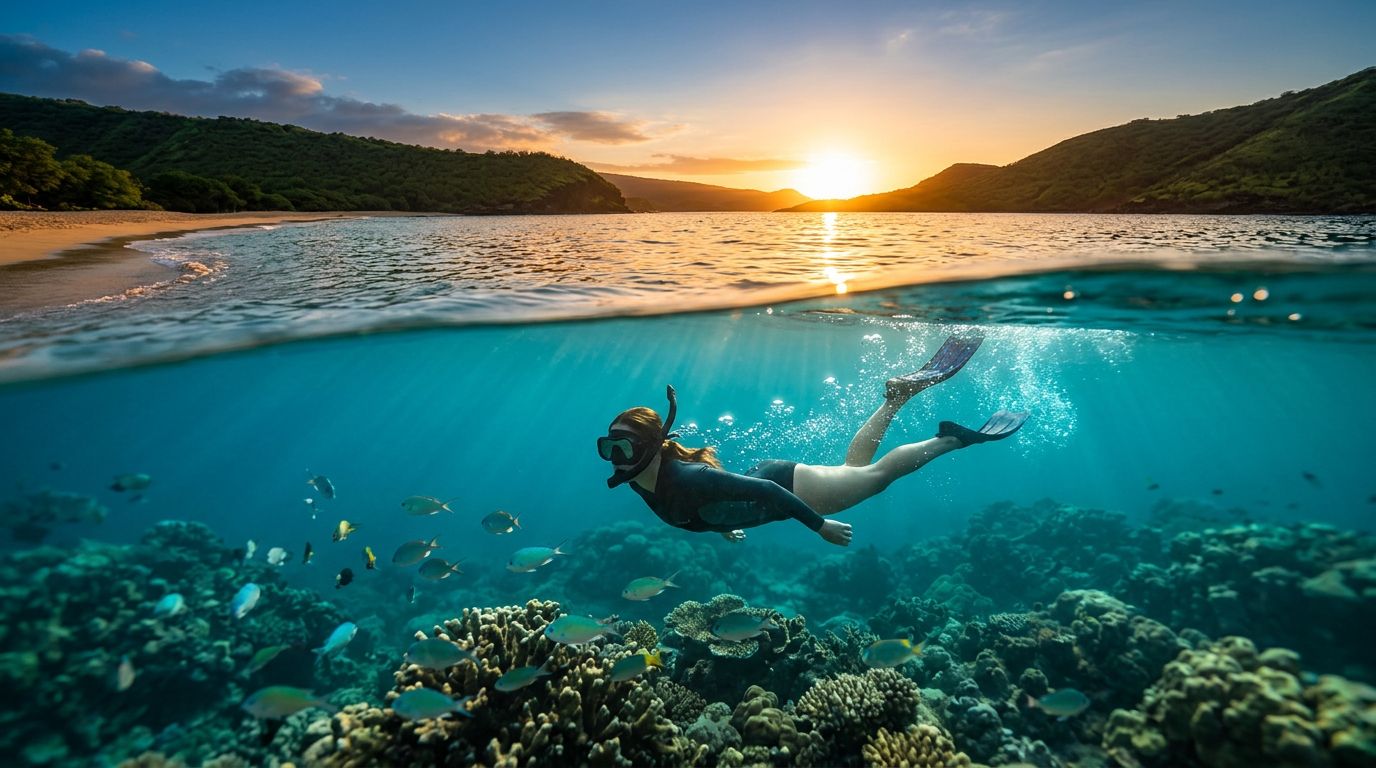
Summer gives you the easiest version of snorkeling Big Island Hawaii. The Kona coast often feels calmer, clearer, and warmer than first-time visitors expect, so your first mask-and-fins day can feel relaxed instead of rushed.
If you want a smooth start, guided Big Island snorkel tours keep the logistics simple. Kona Snorkel Trips makes that first outing easier with small groups, helpful gear, and routes that fit new snorkelers.
Why summer feels so forgiving on the Kona coast
Summer on the Kona side usually brings the kind of water that builds confidence fast. You still get ocean movement, but the mornings often start soft and glassy. That matters when you are new, because a calm surface helps you breathe easier and settle into the rhythm.
By midday, the ocean can change. The wind picks up, tiny waves stack up, and entry points feel less relaxed. That is why early departures tend to work so well for first-timers. You get better light, better visibility, and a quieter start.
The water also feels more comfortable in summer. You spend less time shivering and more time looking around. For beginners, that small difference changes the whole day. Instead of thinking about how cold you feel, you focus on the fish, the reef, and your breathing.
If you remember one rule, go early, go calm, and go slow.
That simple approach does a lot of work for you. It lowers stress, gives you better conditions, and helps you enjoy the ocean instead of fighting it. When people talk about Big Island snorkeling, this is the side of it that wins over first-timers.
How to pick your first Big Island snorkel spot
Not every shoreline on the island feels the same. The Kona coast sits in a more sheltered zone, so it usually gives you better odds for calm water than rougher east-side areas. That is why many first-timers choose this part of the island for their first snorkel.
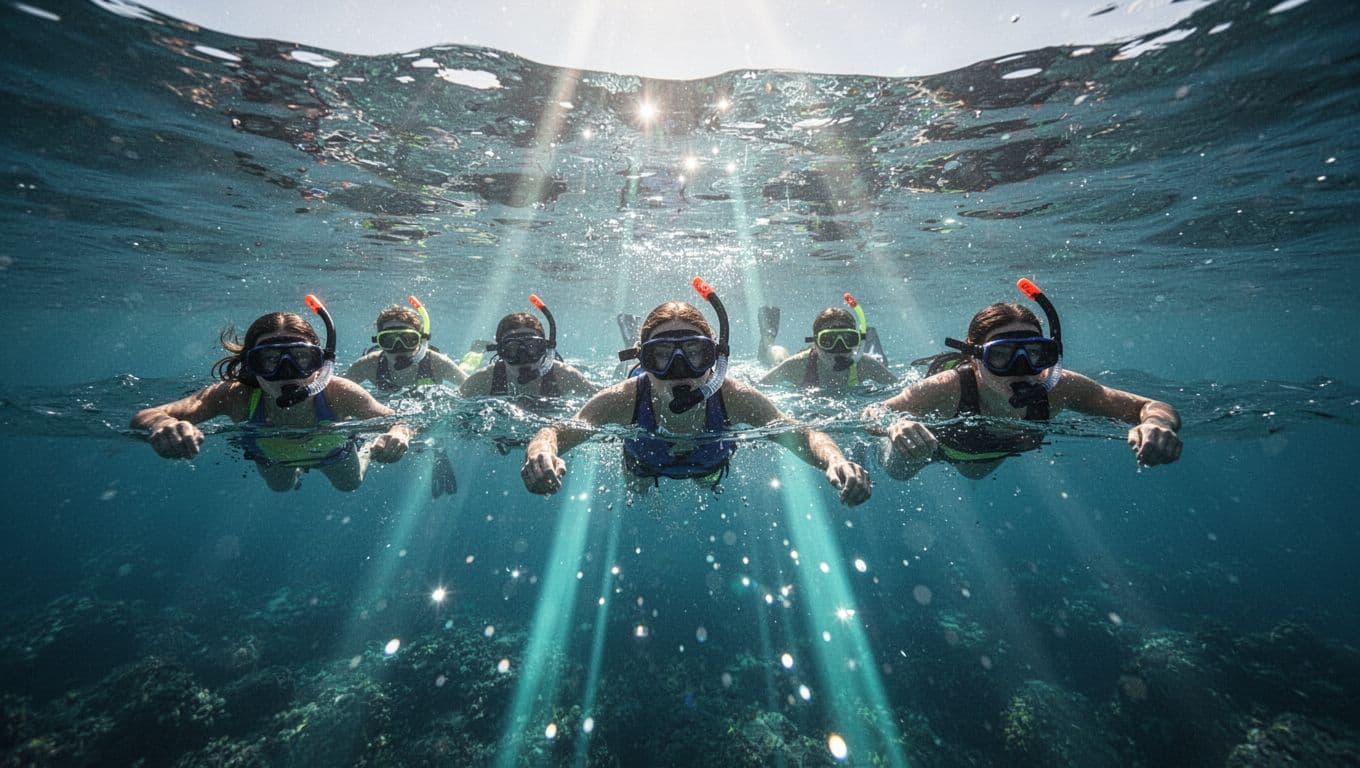
If you want to snorkel Big Island with less guesswork, a guided trip makes a big difference. A crew can hand you gear, explain the entry, and keep an eye on the water while you focus on the fun part. You do not have to sort out parking, surf, or shoreline conditions on your own.
Kona Snorkel Trips is built for that kind of first day. Their small-group style, lifeguard-certified guides, and reef-conscious approach keep things personal, and their Big Island snorkeling tours page makes it easy to compare options before you book. If you like simple planning, that matters.
If you want to compare a shore day with a boat day, this 2 Step Beach overview gives you a quick feel for a classic beginner-friendly stop. Shore snorkeling can be fun, but first-timers often like the calm of having a crew handle the timing and route.
That extra support helps when the ocean looks beautiful but still feels unfamiliar. A good first spot should do more than look pretty. It should let you breathe, float, and relax.
What you will actually see in the water
You do not need a perfect day to see plenty. On a good summer morning, the reef around Kona can show off yellow tangs, butterflyfish, parrotfish, and the occasional green sea turtle. The colors stand out best when sunlight reaches the reef without too much glare.
Coral heads, lava rock, and little fish-cleaning stations create a busy scene just below the surface. Schools move in and out of the shadows, and the reef feels alive without feeling crowded. If you are used to cloudy water at home, the first clear view can feel almost unreal.
The pace matters too. When you swim too fast, you miss half the life in front of you. Slow down, hover for a moment, and let the water settle around your face. Tiny details start to show up, like fish peeking out from rock cracks and the shimmer of scales in the sun.
Summer light helps more than people expect. The ocean looks brighter, the reef is easier to read, and your mask view feels wider. That does not mean every day is perfect. Some mornings bring better visibility than others, and that is normal on any island.
If you keep your expectations steady, the experience gets better. You are not looking for a zoo tank. You are moving through a real reef with real ocean conditions, and that is part of the appeal.
Tours that fit your style and comfort level
The best first snorkel is not always the most famous one. It is the one that matches your pace, your confidence, and the people in your group. Some travelers want a relaxed morning. Others want a dramatic night swim or a day with a special setting.
Kona Snorkel Trips for a simple first outing
Kona Snorkel Trips is a strong choice if you want a clean, easy start. The trip style is built around small groups, good gear, and guides who know how to keep the day calm. If you are traveling with kids, a cautious swimmer, or a partner who gets nervous in open water, that setup helps a lot.
The company also keeps the experience focused on the reef instead of the crowds. That matters more than it sounds. Large boats can make the whole day feel noisy and impersonal, while a smaller trip gives you room to settle in, ask questions, and adjust your pace.
For first-time visitors, that kind of support is valuable. You spend less time worrying about the logistics and more time learning how the water feels. If your idea of a good vacation includes comfort and quality, this is the kind of snorkel trip that fits.
If you want a more private rhythm, a custom boat day can also make sense for families or couples. You get more space, more flexibility, and more time to relax between swims. That can turn a first snorkel into a very easy memory.
Manta Ray Night Snorkel after sunset
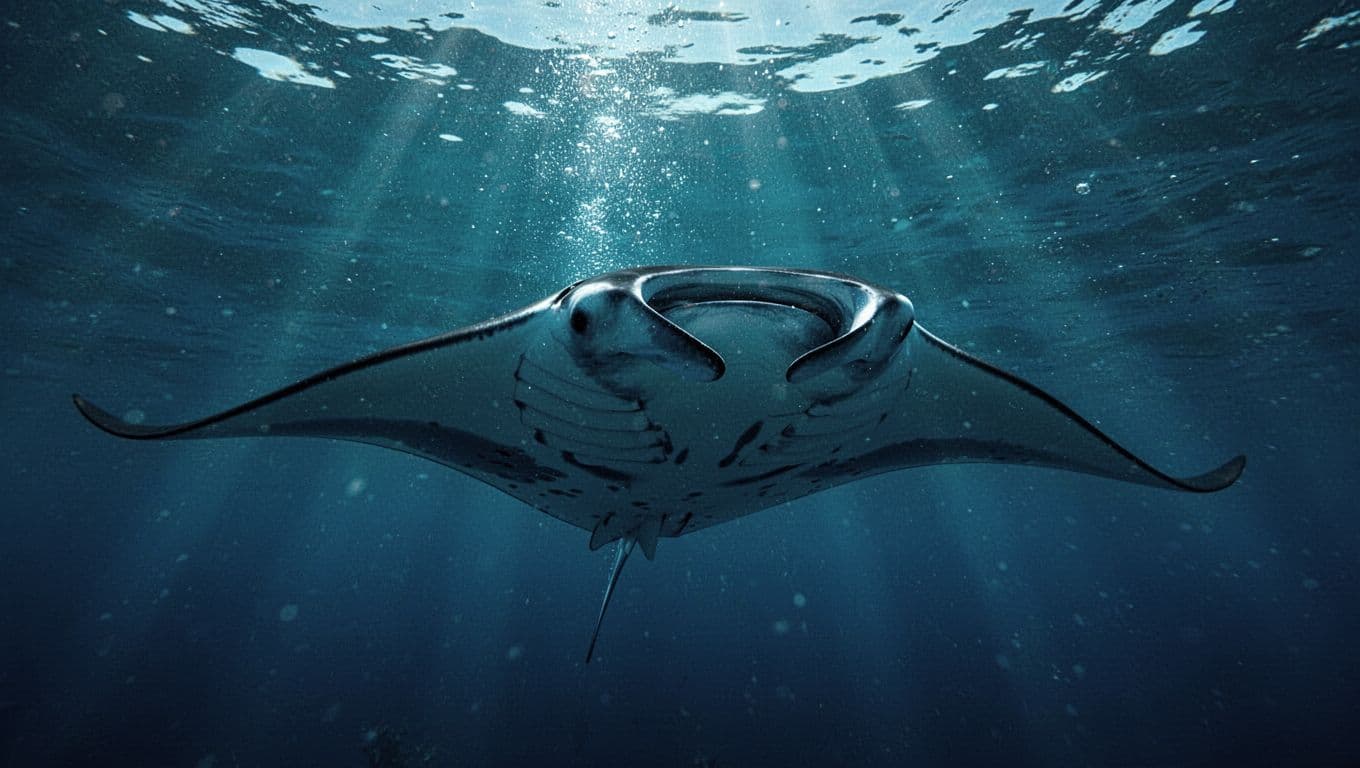
Summer daylight is only part of the fun. If you want a night experience that feels completely different, Manta Ray Night Snorkel gives you one of Kona’s most famous ocean encounters. You float on a lighted board, the water glows below you, and the mantas glide through the beam.
The scene feels quiet rather than wild. That is what surprises many first-timers. You are not chasing anything. You are floating in place while giant animals move through the light, smooth and slow, like they own the room.
For some travelers, that calm setup is easier than a busy daytime shore snorkel. You do not need strong swim skills to enjoy the view, and the guided format keeps the experience organized. If you like the idea of an evening ocean outing, this one is easy to recommend.
You can check availability once your dates are set.
Captain Cook and Kealakekua Bay for clear daytime water
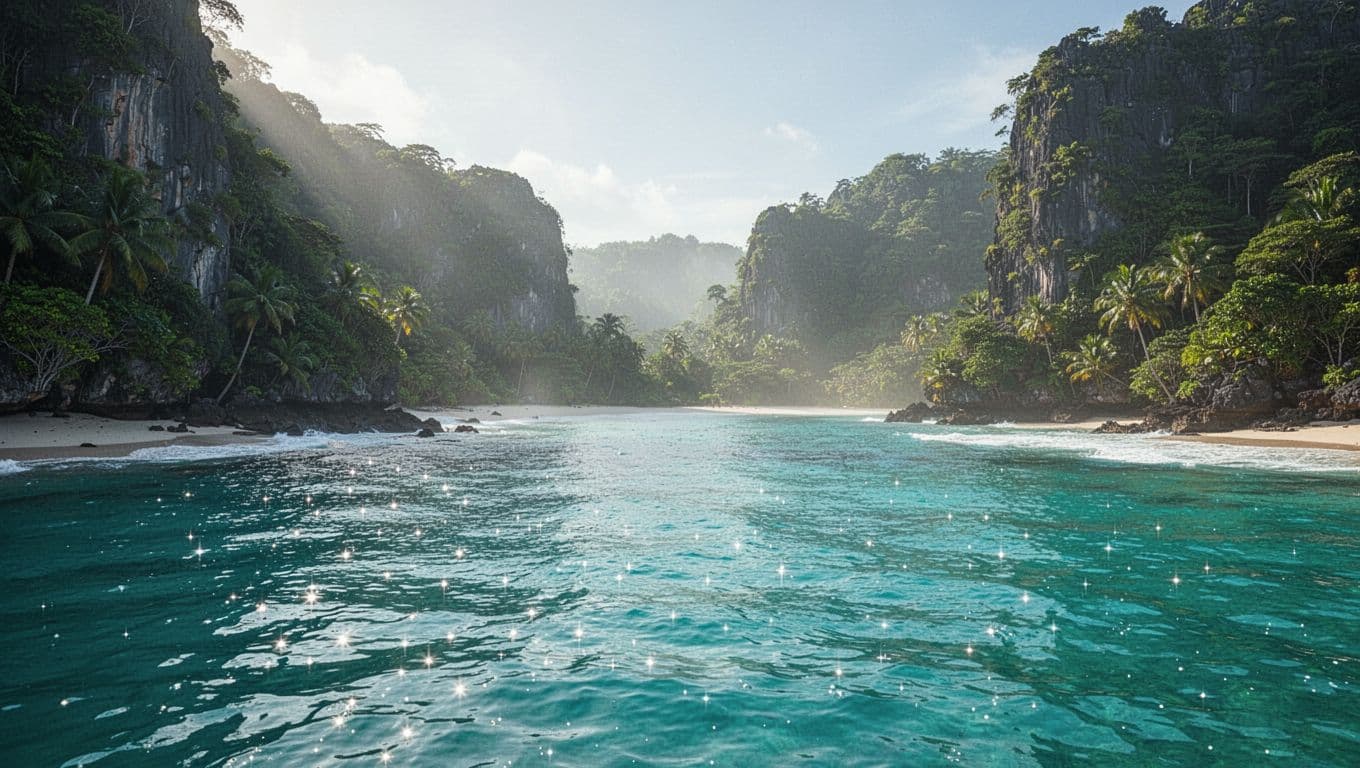
If you want the island’s signature daytime snorkel, Captain Cook Snorkeling Tours is the name to know. The boat heads into Kealakekua Bay, where the water often stays clear and the setting feels protected. For first-time visitors, that mix of calm water and scenery is hard to beat.
Kealakekua Bay gives you more than a pretty swim. You get steep green cliffs, historic surroundings, and a reef that feels open without feeling chaotic. The whole place has a sense of scale that you do not get from a quick beach entry.
This is a strong choice when you want the water to feel memorable without turning into a technical swim. The bay often rewards slow movement and easy breathing, which makes it friendly for newer snorkelers. If you want a trip that feels classic Kona, this is it.
You can check availability when you are ready to lock in your summer date.
Staying safe and protecting the reef
Summer makes the water more inviting, but the ocean still deserves respect. Surfaces can look calm and still hide surge, rocks, or changing current. A pretty bay is still open water, and that means you need to stay alert.
A little prep goes a long way. Pack a mask that fits well, a rash guard or sun shirt, and reef-safe sunscreen. If your mask leaks or fogs up, your first snorkel can go from fun to frustrating in minutes.
A few habits make the day safer:
- Enter slowly and watch the water before you put your face down.
- Keep your fins away from coral and lava rock.
- Stay close to your buddy, even when the water looks shallow.
- Give turtles, fish, and rays plenty of space.
- Stop if the current starts pulling you off your line.
Those basics sound simple, but they matter. They keep you comfortable and help protect the reef you came to see. If you want a broader look at the local scene, this Kona snorkeling guide is a handy comparison point for beaches and conditions.
The best snorkeling Big Island days come from patience. You do not need to rush, dive deep, or cover a huge area. You just need to stay relaxed and let the reef come to you.
A simple first-day plan that keeps things easy
Your first day goes better when you stop trying to fit everything in. Start early, when the water is calm and your energy is high. Give yourself time to put on gear, listen to the briefing, and get used to breathing through the snorkel.
After your first swim, take a break. Drink water, eat something light, and let your shoulders relax. A lot of first-time visitors try to squeeze in too much, then wonder why the day feels tiring. A slower pace usually gives you a better trip.
If you still have energy after lunch, decide whether you want a second water session or a dry break before dinner. That choice depends on your comfort level, not on what other travelers are doing. Some people are happiest with one good snorkel and a sunset. Others want the night manta or a private charter later in the trip.
A simple plan might look like this: early boat snorkel, easy lunch, quiet afternoon, then a second ocean experience if you still feel fresh. That rhythm keeps the day smooth. It also leaves you with enough energy to enjoy the best part of the trip, which is time in the water that does not feel rushed.
Conclusion
Summer gives you the friendliest version of Big Island snorkeling, especially if you are new to the ocean. The calmest mornings, the warm water, and the Kona coast’s sheltered feel all work in your favor.
If you keep the day simple, you get more out of it. Start early, pick a route that matches your comfort, and let the ocean set the pace. That is how snorkeling Big Island Hawaii turns from a nervous first try into a day you will want to repeat.