
Kona Snorkeling: Why Deep Water Near Shore Helps
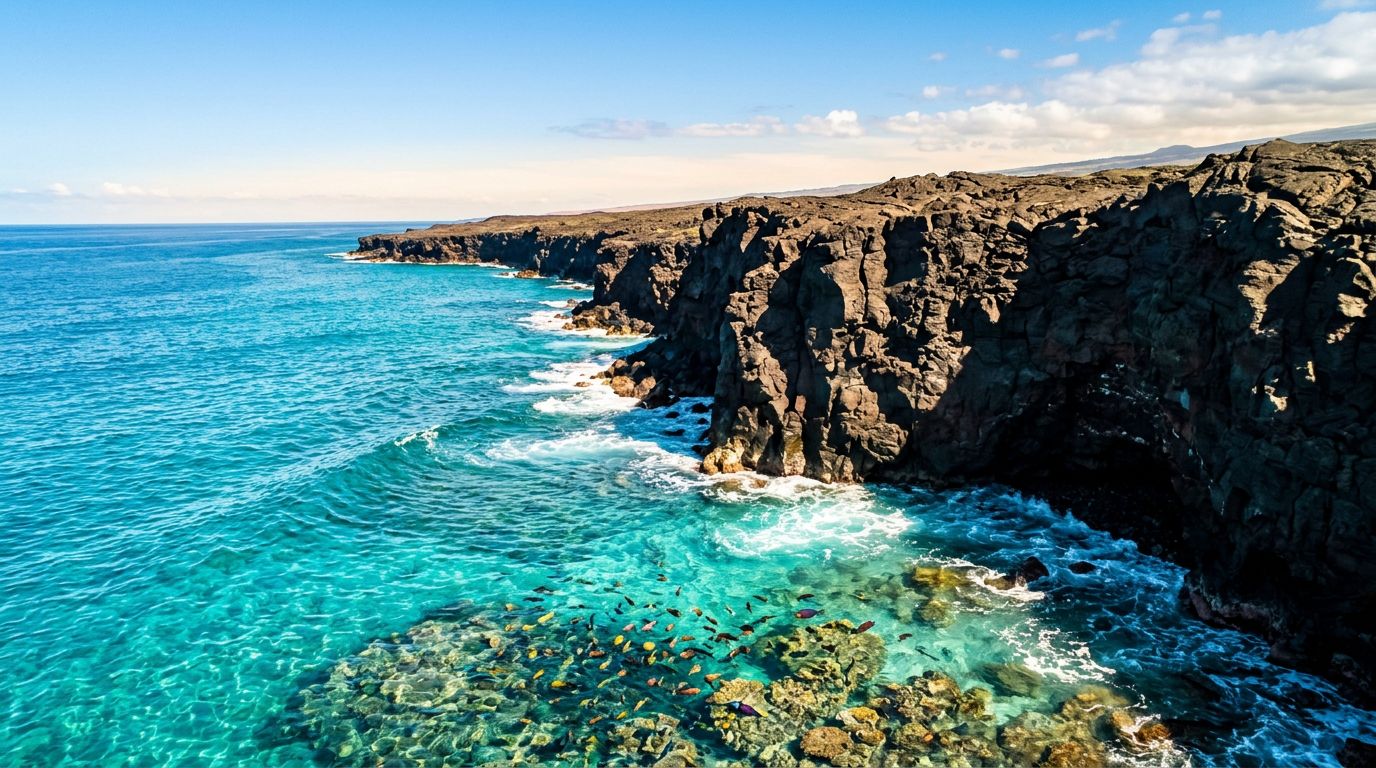
If you have searched for snorkeling Big Island Hawaii, Kona keeps showing up for a reason. The coast drops into deep water fast, and that changes the whole feel of a snorkel day.
When you snorkel Big Island, you want clear water, easy entry, and enough space to float without fighting a shallow, sandy shelf. Kona gives you that mix more often than most shoreline spots on the island.
That is why Kona snorkeling feels so natural for beginners, families, and anyone who wants more time looking at fish than thinking about the water. Start with the shape of the coast, because it explains almost everything else.
The Kona coast drops off fast
The Big Island’s west side is built from lava rock. It does not spread into a wide, soft shelf. Instead, it falls away quickly, so deep water sits close to shore.
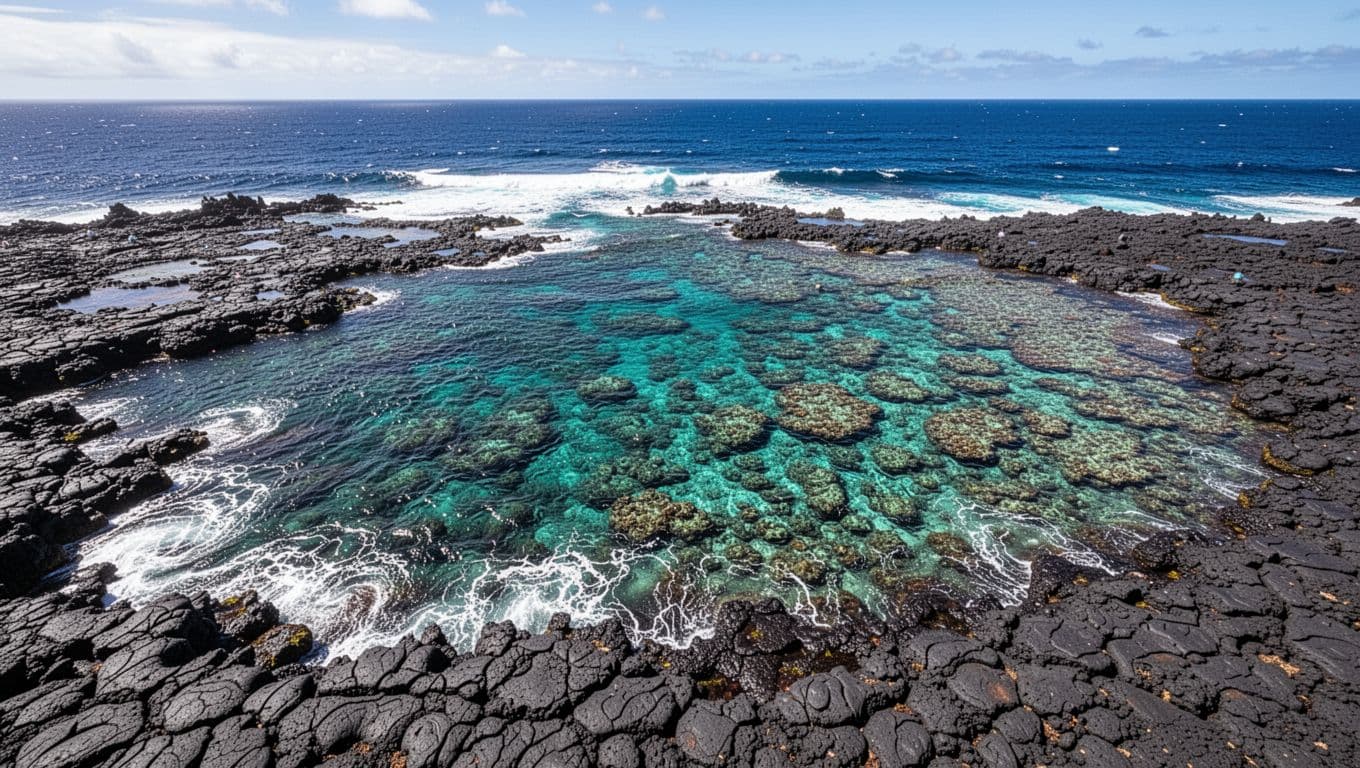
That shape matters because the reef edge stays within reach, but the water opens up around it. You get room to float, room for your fins, and better chances for light to cut through the water.
It also helps the view stay clean. Less loose sand gets kicked up, so the water often stays clearer than you might expect near land. For a broader look at local conditions, this Kona snorkeling guide breaks down what the coast does well.
Fish like this kind of structure too. Lava cracks, ledges, and small drop-offs give them places to feed and hide. You are not staring into empty water for long. The reef usually shows itself early.
Clear water gives you more time with the reef
Deep water close to shore does more than shape the coastline. It also changes how light moves through the water. On a good Kona day, the surface can look dark blue, then turn bright once you dip your face in.
That is a big reason snorkeling Big Island feels so rewarding on this side. You spend less time fighting murky shallows and more time watching tangs, parrotfish, and other reef life move through the frame.
Deep water close to shore works like a window. The reef stays near, and the water stays open enough for light to do its job.
You feel that difference most when the swell is small. The water settles faster, your breathing slows, and the whole scene becomes easier to read. A clear patch of ocean is a lot like a clean glass pane. You notice more because nothing keeps getting in the way.
Kona snorkeling also gives you better contrast between the dark lava and bright fish. That contrast helps your eyes lock onto motion. A flash of yellow or a quick silver turn stands out right away. In deeper water near land, even small details feel sharp.
The entry feels easier when the bottom drops away
Deep water near shore does not mean you rush into rough water. It means the transition happens sooner. You get past the rocky edge, then you can settle into a smooth float.
That matters for families and first-time snorkelers. You spend less time standing in ankle-deep chop or shuffling across a long, sloshy sand flat. Instead, you reach the part that matters faster, then relax and look around.
It also helps you keep a steady pace. When the water drops away cleanly, you do not have to keep stopping and starting. Your kick stays small, your mask stays calmer, and your attention stays on the reef.
The Big Island coast rewards that kind of calm. You move less, see more, and use less energy for the same amount of viewing. That is a good trade on a warm day.
Still, you should pick your spot with care. Waves, surge, and boat traffic can change the picture from one cove to the next. The best snorkeling Big Island spots on the Kona coast work because the water is deep close to land and the surface often stays manageable too.
Guided trips make the most of the coastline
Kona Snorkel Trips builds around this kind of water. Small groups, good gear, and guides who know the coastline make a big difference when you want the day to feel easy.
If you want a broad choice of options, guided snorkeling excursions in Kona keep the planning simple and put you where the water works best. The company keeps a small-group feel, uses lifeguard-certified guides, and focuses on reef-safe habits. That fits the coastline well, because the ocean here rewards people who respect the conditions.
You can also check availability when you are ready to lock in a date.
A guided trip helps you use the coastline instead of guessing at it. You show up, get fitted, and spend your energy on the water itself.
Captain Cook Bay shows the same pattern in a different setting
Kealakekua Bay is another place where depth and clarity work in your favor. The bay drops into clear water near the Captain Cook Monument, so you get long views across the reef without a long swim through murky shallows.
That is why a Captain Cook Monument snorkeling tour can feel so rewarding. The scenery is strong from the boat, and the underwater part is even better once you slip in.
If your group wants more room, private Kona boat charters give you a custom pace and a quieter day on the water. That can help if you travel with kids, different swim levels, or just a tight schedule.
If the historic bay sounds right, you can check avaialbility.
That pattern is the same one you see all along the Kona coast. Deep water near shore gives the reef room to breathe, and it gives you a better view of what lives there.
What this means for your next snorkel day
You do not need a perfect day to enjoy Kona. You need the right kind of coastline. Deep water close to shore gives you that by improving clarity, keeping the reef within reach, and cutting down on the awkward parts of a swim.
It also makes the day feel more open. You are not boxed into a tiny patch of water. You are floating over a landscape that changes fast, with lava edges, fish schools, and bright blue water all close together.
That is the real reason Kona snorkeling stands out. The coast does a lot of the work before you even get in.
Conclusion
Deep water close to shore is one of the biggest reasons snorkeling Big Island works so well on the Kona side. It keeps the reef close, the water clearer, and your swim more relaxed.
Once you see that pattern, the whole coastline makes more sense. You are not chasing the ocean, you are meeting it where it already looks its best.