
South Kona Reefs vs North Coast: Where Kona Snorkeling Wins
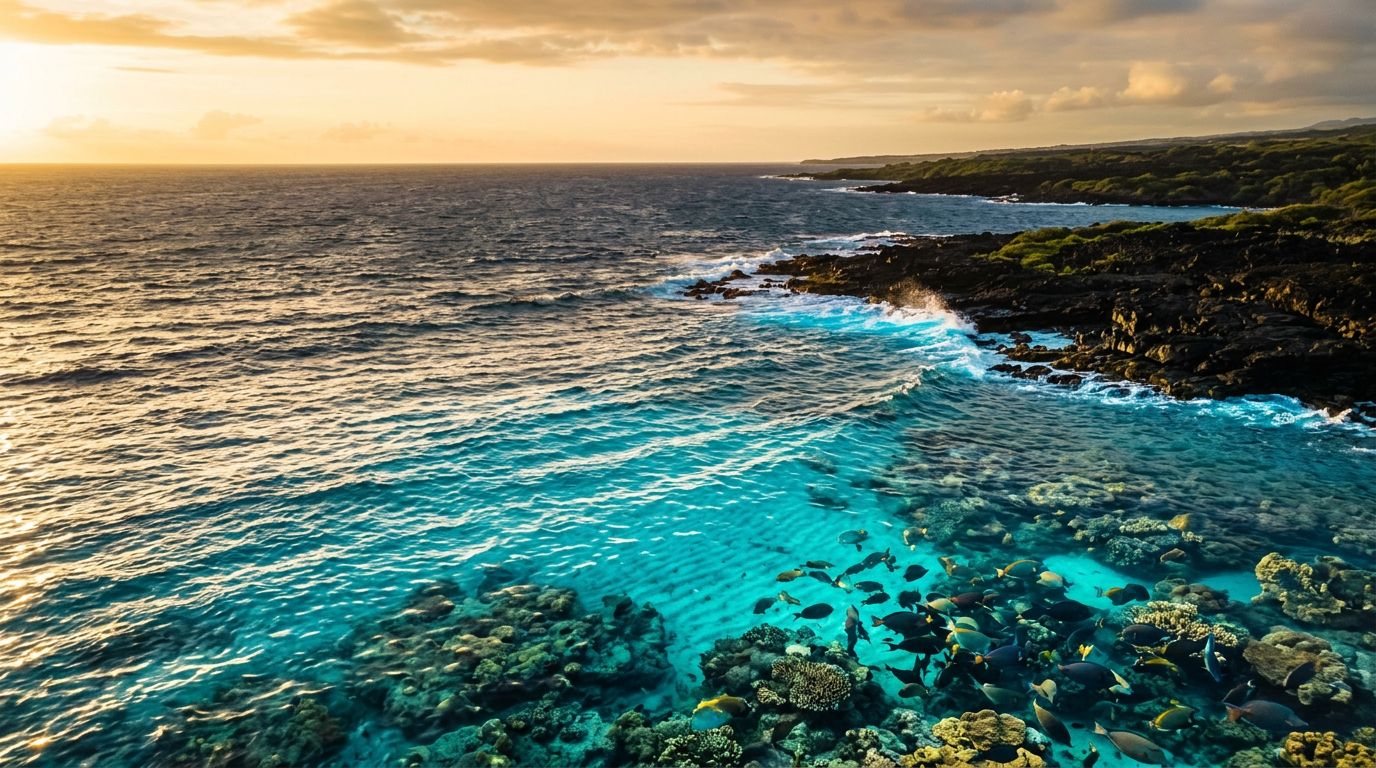
Kona snorkeling looks simple until you compare the north coast and the South Kona reefs. One side gives you convenience and quick access, while the other gives you the classic clear-water day many people picture when they plan snorkeling Big Island Hawaii.
Kona Snorkel Trips is a smart place to start because the right local plan saves you from guessing wrong on wind, swell, and entry style. If you want to snorkel Big Island waters with less stress, the coast you pick matters more than the miles on the map.
A quick side-by-side look at both coasts
Before you choose a shoreline, compare the basics. The north end can work well when you are already in town, while South Kona reefs usually give you the more reliable reef day that most snorkelers hope for.
| Factor | North Coast | South Kona reefs |
|---|---|---|
| Water feel | More exposed, conditions can change fast | Often calmer and clearer |
| Shore access | Fewer dependable entries | Famous spots like Two Step and Kealakekua Bay |
| Best for | Quick swims and flexible plans | Reef-rich days and first-timers |
| Crowd level | Often lighter at some pockets | Popular sites can draw more visitors |
| Trip style | Good backup when conditions line up | Best bet for a classic Kona reef outing |
That does not make the north coast a bad choice. It means you need to match the day to the water, instead of assuming every part of Kona behaves the same.
What the North Coast gives you on a calm morning
North of Kailua-Kona, the shoreline feels more exposed. Some mornings are calm, clear, and easy, but wind and swell can change the picture fast.
That matters if you want a short session near your hotel or a low-commitment swim. It also matters if you do not want to spend half the morning driving before you even get in the water.
The north coast can feel like a quiet bonus when the sea is flat. Yet it asks for flexibility, because one site may look good at breakfast and feel rough by lunch.
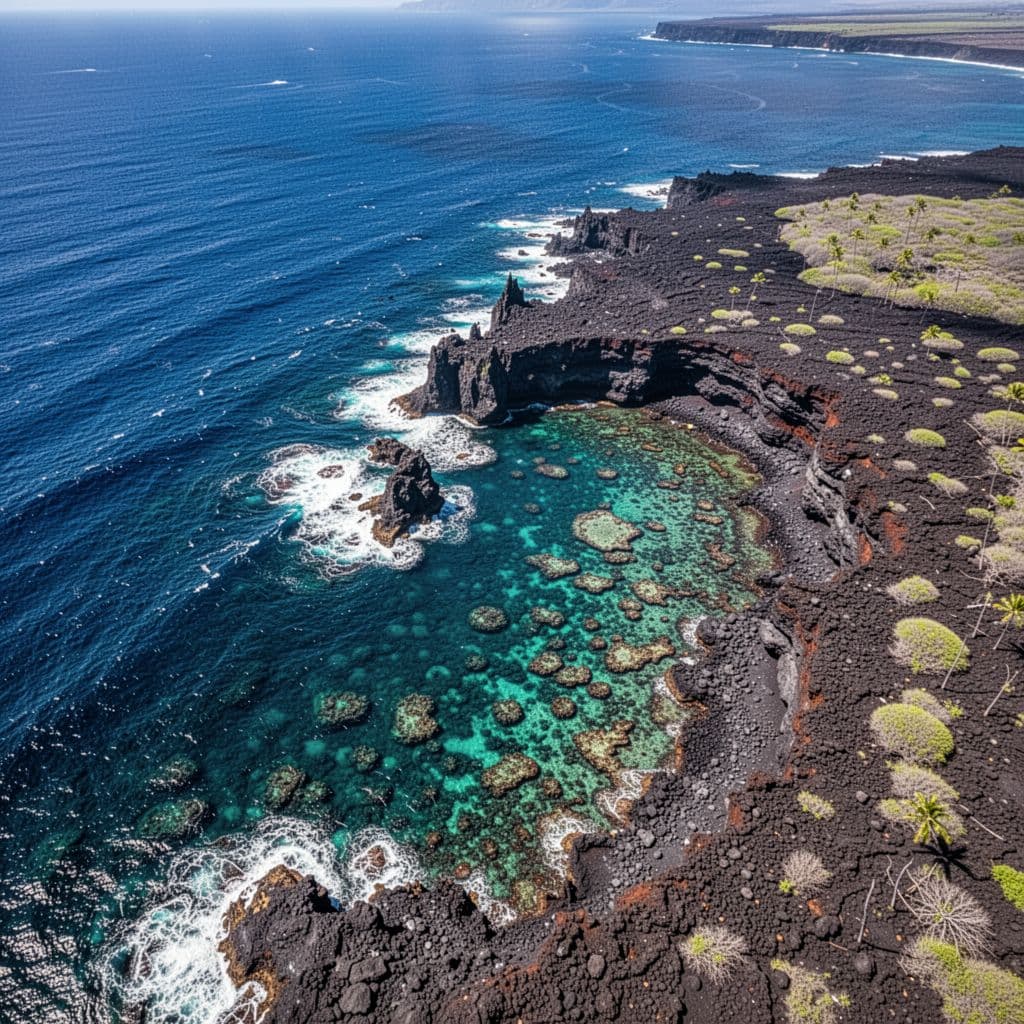
That is why the north side works best as a backup plan or a convenience play. If the conditions line up, you can have a great swim. If they do not, the choice gets harder than it looks from shore.
Why South Kona reefs usually win for clear-water days
South Kona reefs are the reason many travelers fall in love with snorkeling Big Island trips. South of town, you get sheltered coves, lava-rock coastline, and famous sites like Kealakekua Bay and Two Step.
Those places often hold calmer water than the north side. Morning light also helps, because the reef details show up better before the trade winds build.
If you want a focused look at that area, the Captain Cook Monument snorkel tour is a natural fit. Kealakekua Bay gives you the kind of setting that makes people understand why South Kona reefs get so much attention.
For a trip built around that bay, Captain Cook Snorkeling Tours keeps the focus where it belongs. If Kealakekua Bay is the one place you do not want to miss, you can check availability.
The south side still depends on timing. Even there, early water is usually better than late water, and a calm morning can make the whole trip feel easier.
Conditions matter more than mileage
Distance from town matters less than wind, swell, and timing. A short drive can be a bad trade if the ocean is messy, while a longer drive can be worth it if the reef is glassy.
Morning usually gives you the best shot at calm water. By afternoon, the trades can put texture on the surface, and a site that looked smooth can turn choppy fast.
Tides matter too, especially at shore-entry spots. You want enough water to move safely over lava rock, but you also want a calm enough surface that the entry does not feel like work.
Morning is often your best window on either coast, because wind tends to build later.
If you want more local context before you go, the Kona snorkel guide is a useful companion. It gives you a broader look at the coastline without turning your trip into guesswork.
What you can expect to see underwater
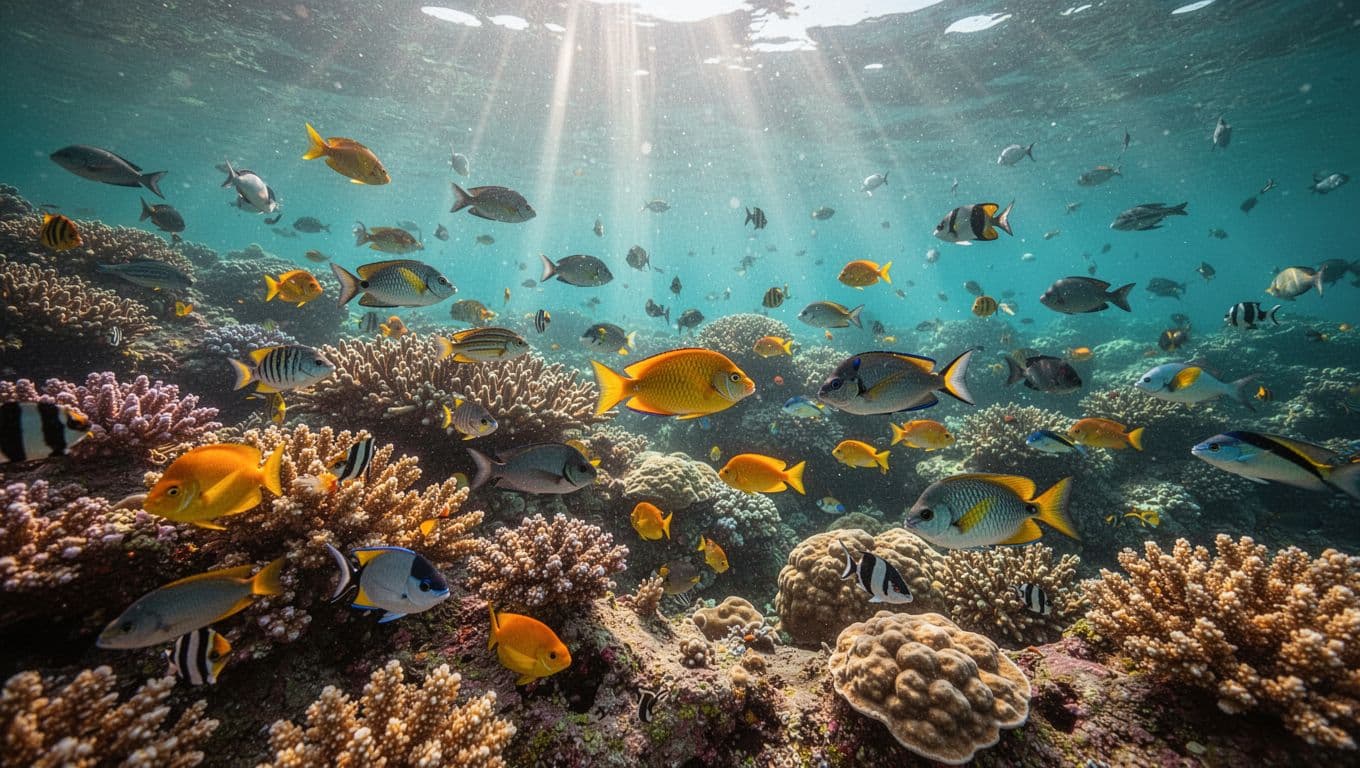
Both coasts can show you a lively reef when conditions are right. You are likely to see reef fish, not just one headline species, so your mask keeps earning its keep.
Yellow tangs, butterflyfish, parrotfish, and goatfish are all common enough to keep things interesting. Green sea turtles can also appear, especially when the water is calm and the reef feels undisturbed.
South Kona reefs usually give you a richer reef profile. North coast spots can still be active, but the payoff depends more on that morning’s conditions.
That is the real reason people compare these areas instead of treating Kona as one single snorkel zone. The coast changes the experience before you even put your fins on.
How to choose the right coast for your trip
If you want the easiest logistics
Choose the north coast if you are staying nearby, want a short swim, or prefer a flexible plan. It is the easier backup when you do not want a long morning on the road.
That said, easy access only helps when the water cooperates. If the wind starts building early, convenience stops being the main advantage.
If you want the most reliable reef day
Choose South Kona if you want the better odds of calm water, clear reef structure, and a stronger first snorkeling day. Families, first-timers, and people with only one big ocean outing usually do better here.
This is also the side to pick when you care more about the reef itself than about shaving minutes off the drive. For most travelers, that trade makes sense.
If you want privacy or a special trip
Choose a private charter if you want the day shaped around your group. That works well for mixed skill levels, celebrations, or travelers who want more time in one location.
A book a private Kona boat charter link is worth a look if that sounds like your style. Private time on the water makes the coast choice easier because the trip bends around you, not the other way around.
Why guided trips take the guesswork out
If you want a cleaner answer than weather apps and forum posts, a guided trip helps. Kona Snorkel Trips focuses on small groups, lifeguard-certified guides, quality gear, and reef-safe habits, so you can spend more time in the water and less time second-guessing the day.
You can check availability for a general Kona snorkel outing when you are ready to book.
For a South Kona day, the Captain Cook Monument snorkel tour keeps the focus on Kealakekua Bay. If that is the trip you want, you can check availability.
If you want a different kind of water day after your reef outing, the Big Island manta ray snorkel gives you a night experience instead of a daytime reef run. Manta Ray Night Snorkel is the company built around that after-dark adventure, and the custom-lit boards change the whole feel of the trip.
The right choice for your Kona snorkel day
If you want the clearest takeaway, it is this: South Kona reefs usually give you the better snorkeling day, while the north coast works best when convenience matters and the water is calm. That is the simplest way to think about snorkeling Big Island choices without overcomplicating the plan.
When your trip is short, your best move is to match the coast to the conditions, then go early. When your trip is flexible, let the reef quality lead the decision.
The ocean around Kona rewards good timing more than guesswork. Pick the side that fits your day, and the water will do the rest.