
Captain Cook Snorkel Tour Tips for Guests Who Wear Hearing Aids
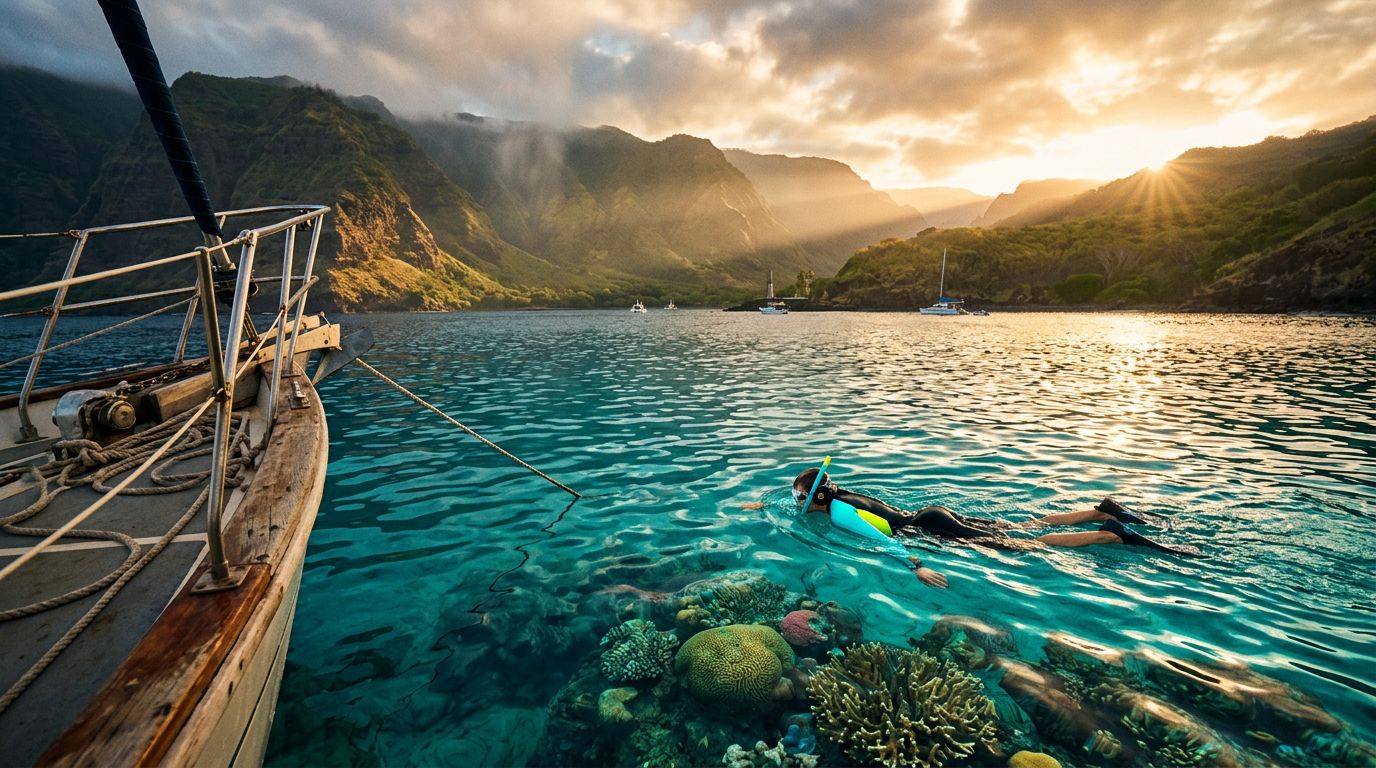
A hearing aid doesn’t have to keep you off the water. If you want a Captain Cook snorkel tour on the Big Island, you can plan for comfort, protect your gear, and still enjoy the reef.
That matters because snorkeling is supposed to feel freeing, not fussy. You may be comparing tours for snorkeling Big Island Hawaii, or you may be trying to snorkel Big Island without worrying about salt spray, lost devices, or missed instructions. The good news is that a little prep goes a long way.
Kona Snorkel Trips is a strong place to start, and if you want a route built around Kealakekua Bay, Captain Cook Snorkeling Tours is the other name to know. The right setup makes the whole day easier.
Why this tour can work with hearing aids
The main challenge isn’t the ocean itself. It’s the mix of splash, wind, sand, and quick conversations on a moving boat. Once you handle those pieces, snorkeling Big Island can feel smooth and low-stress.
A Captain Cook Snorkel Tour is a good match because the day usually has a clear structure. You board, get a safety talk, ride to Kealakekua Bay, and then enter the water with a guide nearby. That kind of order helps when you depend on clear communication.
Your hearing aids matter most before and after the swim. While you’re in the water, you’ll probably remove them or keep them protected based on your audiologist’s advice and your device’s rating. Remember, water-resistant does not mean waterproof. Phonak’s overview on waterproof hearing aid care is a useful reminder that summer water sports need real caution.
Decide before you board whether your devices stay on shore, in a dry case, or with you under strict protection. Last-minute guesses cause the most stress.
That one choice clears up most of the worry. After that, the trip is about simple habits and good communication.
Prep your hearing aids before you leave the hotel
You’ll save time and avoid panic if you do your hearing-aid prep the night before. The boat deck is not the place to sort out batteries, charging cables, or storage cases.
Start with the basics. Charge rechargeable aids fully. Pack fresh batteries if yours use them. Put your case where you can reach it fast, not buried under towels. If you use accessories, pack those too.
A few people also choose ear protection for extra comfort. If that sounds like you, the article on swim plugs and hearing aids gives a practical look at how some travelers manage water days. You do not need every accessory under the sun. You need the right few items.
Here’s a simple packing list that keeps the day easy:
| Item | Why it helps | When to use it |
|---|---|---|
| Hard hearing aid case | Keeps devices safe from splash and sand | Before boarding and after the swim |
| Spare batteries or charger | Prevents a dead-device surprise | The night before and after the trip |
| Microfiber cloth | Wipes off salt spray and moisture | Before stowing your gear |
| Dry pouch or zip bag | Adds a layer of protection in your day bag | On the boat and at the dock |
| Swim plugs or ear protection | Can help with comfort if your audiologist recommends them | During water time only |
That small kit gives you control. It also keeps your mind on the reef, not on what might be getting wet in your backpack.
Communication matters more than perfect hearing
A lot of snorkeling anxiety comes from not knowing what you missed. The fix is simple. Tell the crew about your hearing aids before the tour begins.
When the guide knows, they can face you while they speak. They can slow down a quick instruction. They can repeat a direction without making it awkward. Small groups help too, because there’s less background noise and fewer voices talking at once.
If you’re traveling with a partner or family, agree on a few hand signals before you leave the dock. Keep them plain. Stop, okay, help, and mask problem are enough for most trips. You don’t need a long code system.
You should also ask for the important instructions while you are looking at the guide, not while you’re fiddling with gear. That small habit helps more than people expect. A clear face, steady eye contact, and simple gestures make the whole exchange easier.
If you want an example of the kind of setting that supports this well, guided snorkeling excursions in Kona give you a better chance to hear the plan before the swim starts. That matters because the best snorkeling trips are built on calm pacing, not volume.
Why Kealakekua Bay is a smart place to snorkel
Kealakekua Bay is one of the strongest reasons this trip works so well for many visitors. It has a destination feel without the chaos of a crowded shore entry. For many travelers looking at snorkeling Big Island Hawaii, that balance matters.
The bay is also tied to the Captain Cook monument, which gives the outing a clear sense of place. You’re not just heading somewhere pretty. You’re heading to a spot that people remember long after the trip ends.
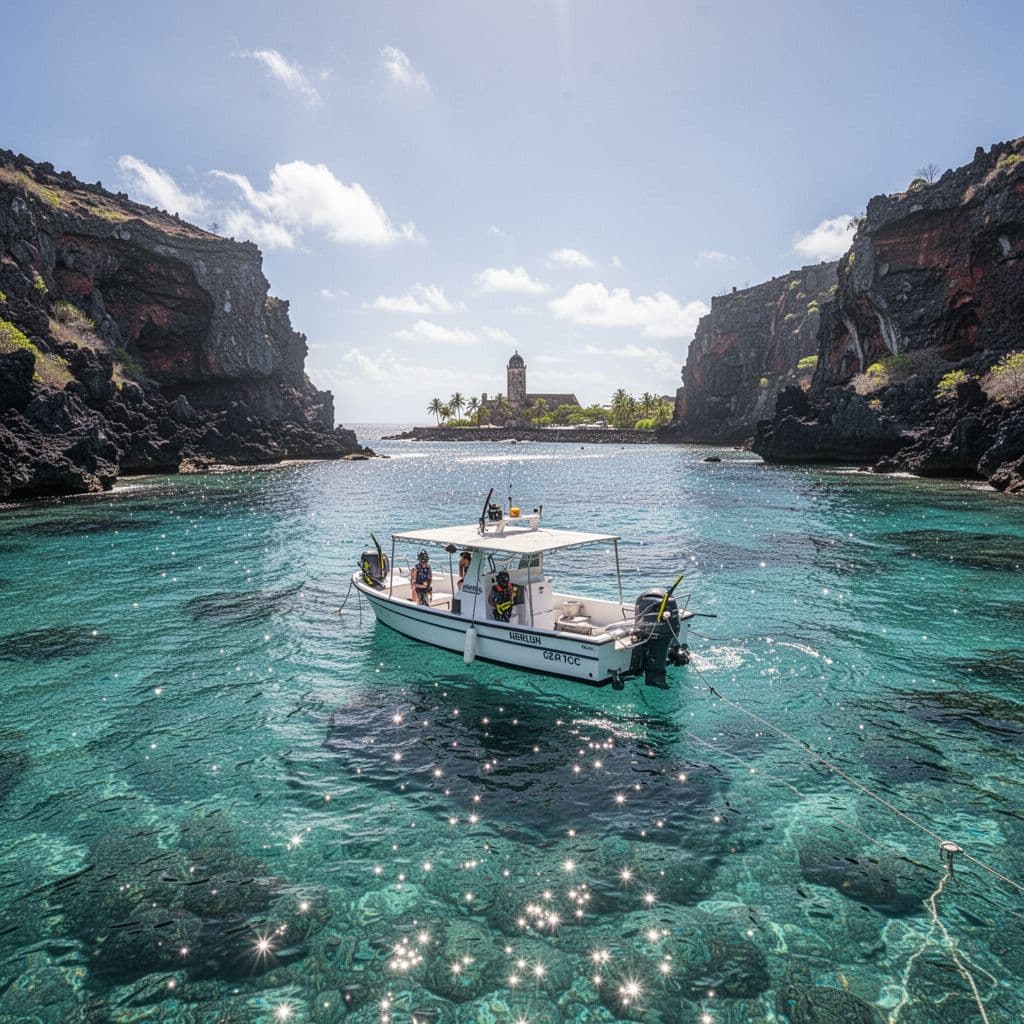
The water often feels more relaxed than open-ocean spots, and that helps when you want a less hectic snorkel Big Island day. Fewer distractions mean it’s easier to focus on your mask fit, your breathing, and the guide’s instructions.
If you want the route built around this bay, the Captain Cook snorkeling tour is the page to look at. It keeps the day centered on the monument, the reef, and the scenic ride.
That kind of setting helps hearing-aid wearers in a second way too. When the surroundings feel calm, you don’t spend energy managing the trip. You get to enjoy it.
What Kona Snorkel Trips feels like for this kind of day
Kona Snorkel Trips is built for people who want a more personal ocean day. The company keeps a “Reef to Rays” philosophy, uses small groups, and leans hard into safety and clear instruction. That matters when you wear hearing aids, because the experience feels organized instead of noisy and rushed.
The guides are lifeguard-certified, the gear is high quality, and the tone stays practical. You’re not pushed through a crowd. You’re given space to ask questions, get fitted, and enter the water at a pace that makes sense.
That approach also fits families and couples who travel with different comfort levels. One person may be a strong swimmer. Another may want more time with the mask. A good crew can handle both without turning the day into a production.
If you like to compare options before you book, check availability when your dates are set. Then read recent guest feedback so you know what to expect from the day.
The reviews matter here because they show how the crew handles real guests, not just marketing claims. That’s the kind of detail you want when your gear needs a little extra care.
If you want a dedicated page focused on this route, Captain Cook Snorkeling Tours is the sister brand built around Kealakekua Bay outings.
Packing habits that keep the day easy
Once you’ve handled your hearing aids, the rest is about keeping the day clean and simple. Salt, sunscreen, and wet hands are what trip people up.
Use a small day bag with separate sections if you can. Put your hearing aid case in one spot, your dry cloth in another, and your charger or batteries in a third. That way, you don’t dig through damp towels while the boat is moving.
Also, keep sunscreen away from your devices. Lotion on your fingers can end up on microphone ports and battery doors. Wash and dry your hands before you handle anything small.
A few travelers also like to do a quick dry run at home. Put your mask on, remove your hearing aids, store them, and then reverse the process. It takes five minutes. It can save you a lot of fumbling on vacation.
If you’re unsure about what can stay on in the water, use your manufacturer’s guidance, not guesswork. Some hearing aids handle moisture better than others. That difference matters more than brand names or travel tips.
When a private tour gives you more room to relax
A private tour can be the better choice if you want less noise and more control. That’s true for hearing-aid users, but it also helps if you’re traveling with kids, older parents, or a partner who wants a slower pace.
On a private charter, you can ask for the briefing to be repeated without worrying about holding up a bigger group. You can also move at your own speed with gear checks, mask fit, and water entry. That extra breathing room takes a lot of pressure off.
If that sounds like your style, private Kona boat charters are worth a look. The page is useful if you want a more custom experience around the same coastline and reef conditions.
A private trip also gives you more room for conversation on deck. You can talk with your guide, your family, or your travel partner without fighting a crowd. For many people, that makes the whole outing feel more relaxed before the first splash even happens.
Conclusion
A hearing aid doesn’t have to make snorkeling feel complicated. If you plan your storage, protect your gear from salt and sand, and speak up before boarding, the rest gets a lot easier.
For a Captain Cook Snorkel Tour, the best fit is usually a calm crew, a small group, and a route that gives you time to settle in. That’s what turns a nervous start into a good day in the water.
When you’re ready, choose the trip that matches your pace, pack like someone who likes simple solutions, and let Kealakekua Bay do the rest.