
Captain Cook Snorkeling With a Pacemaker: Safety Questions
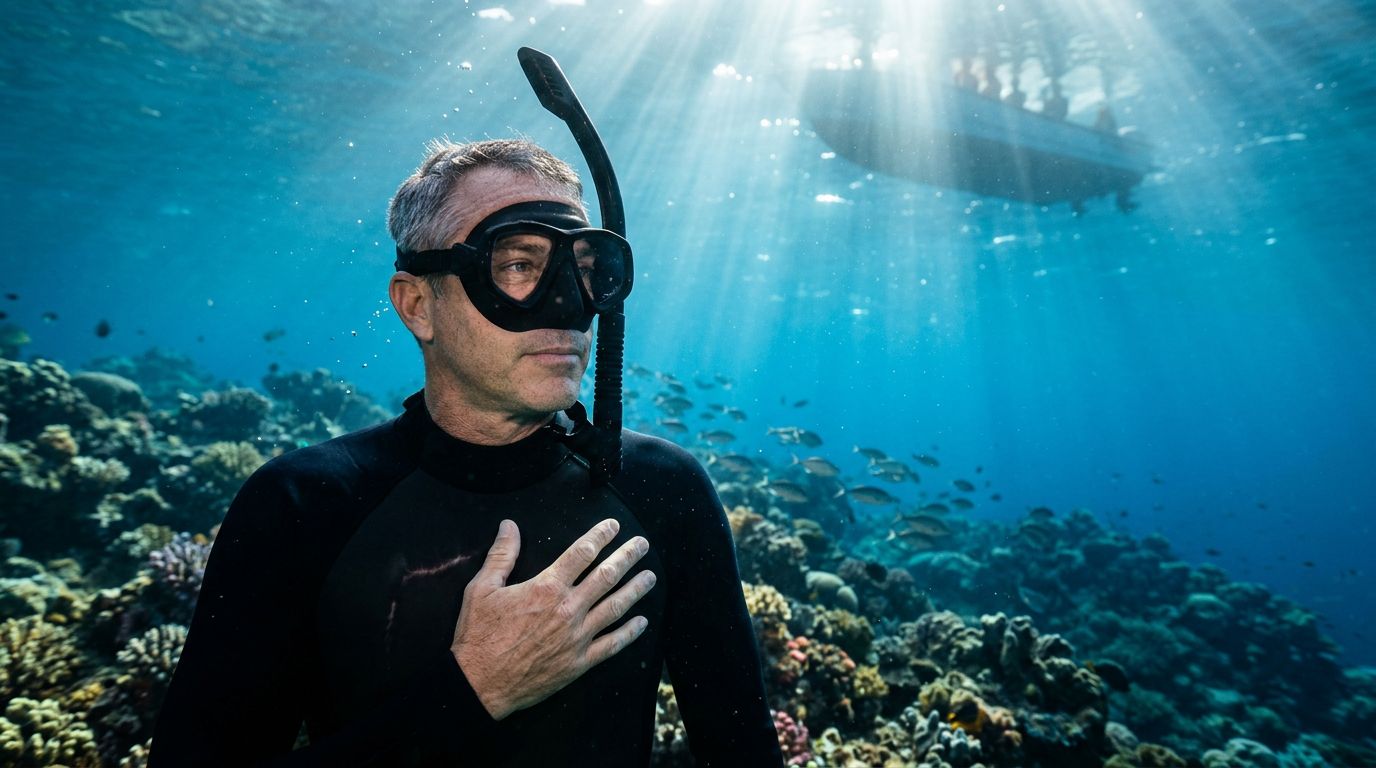
If a Kona Snorkel Trips outing is on your itinerary, a pacemaker should prompt a medical conversation before a booking conversation. For a Captain Cook plan, Captain Cook Snorkeling Tours can help with tour details, but no operator can replace your cardiologist’s clearance.
If you’re searching for snorkeling with pacemaker guidance, the real questions are when your device was implanted, why you have it, how hard you’ll swim, and what happens if you feel unwell in open water. Many people can return to swimming after recovery, but a boat trip requires more planning than a calm pool session.
Can you snorkel with a pacemaker?
In many cases, yes. A healed pacemaker is sealed inside your body, and ordinary contact with seawater doesn’t usually damage the device. The bigger concerns are your recovery period, the heart condition that led to implantation, physical exertion, and the risk of losing consciousness in the ocean.
The timing after surgery matters most. Your incision needs to heal, and the leads connecting the device to your heart need time to settle. Advice can range from about two weeks for some submersion restrictions to six weeks or longer for upper-body activity, depending on the procedure and your doctor’s instructions. A shower clearance doesn’t automatically mean you’re ready for swimming.
Your doctor also needs to consider whether you have a pacemaker alone or an implantable cardioverter-defibrillator, known as an ICD. An ICD can deliver a shock for a dangerous rhythm, so your emergency plan may be more restrictive. The reason for your device, your symptoms, medications, exercise tolerance, and any previous fainting episodes all affect the answer.
Everyday Health’s swimming guidance for pacemaker patients also emphasizes waiting through the early healing period and getting medical approval before returning to the water.
A pacemaker usually isn’t the reason to cancel a snorkel trip. Unclear medical clearance, recent surgery, or a plan to swim alone is.
Once you’re cleared, stay within the activity your cardiologist approved. Gentle surface snorkeling is a different request from repeated breath-hold dives, strong finning against current, or scuba diving.
Choose your operator before you choose your water
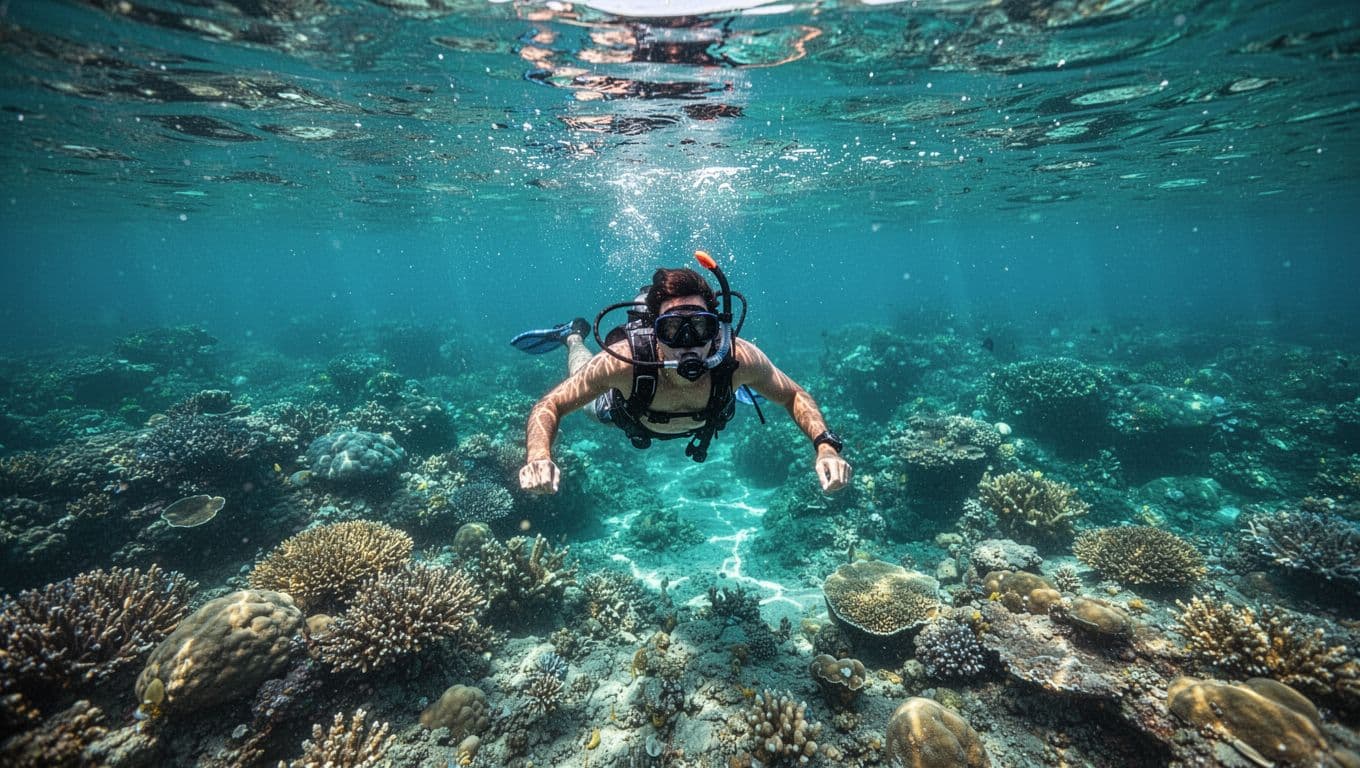
Kona Snorkel Trips is a Kailua-Kona ocean adventure company built around its “Reef to Rays” philosophy. The operation focuses on small-group service, quality snorkeling gear, reef-safe practices, and guides who hold lifeguard certifications.
That combination can help you plan responsibly, especially when you need to explain a medical concern before boarding. You can review the company’s Kona snorkeling tour options and ask which trip offers the easiest entry, the shortest swim from the boat, and the most direct access to a guide.
A smaller group may also make it easier to stay near the guide and communicate if you need to return to the boat. Still, a small group doesn’t remove the need for cardiologist approval.
Before you reserve a place, tell the company that you have a pacemaker or ICD. Ask about the boat ladder, flotation equipment, guide supervision, time in the water, and the procedure for returning early. You can also check availability after your cardiologist confirms that the activity suits you.
For the Captain Cook and Kealakekua Bay experience, Captain Cook Snorkeling Tours is another resource for specific departure and water-condition questions. Ask whether the crew can assist you with boarding and whether you can remain close to the boat instead of swimming far across the bay.
Is snorkeling with pacemaker safe at Captain Cook?
There isn’t one universal answer to the question, “Is snorkeling with pacemaker activity safe at Captain Cook?” Your personal clearance and the exact activity matter more than the destination name.
Captain Cook snorkeling usually means entering the ocean from a boat and swimming on the surface with a mask, snorkel, and fins. That can place less strain on your body than scuba diving, but open water still creates challenges that a pool doesn’t. You may need to climb a ladder, steady yourself against small waves, swim back to the boat, or manage current and surge.
A safer plan keeps the activity simple:
- Stay on the surface unless your cardiologist specifically approves breath-hold diving.
- Swim at an easy pace instead of racing to reach a reef or marine animal.
- Remain within easy speaking or signaling distance of the guide and boat.
- Use the flotation equipment provided or approved by the crew.
- Ask for help on the ladder instead of pulling hard with the arm on your implant side.
- Stop immediately if you feel dizzy, weak, short of breath, or unusually tired.
Kealakekua Bay can have calmer areas, but conditions change with wind, swell, current, visibility, and boat traffic. A guide may change the route or keep you out of the water if conditions become unsuitable. That decision protects every guest, including swimmers without medical devices.
Snorkeling that involves repeated duck dives is a separate concern. Breath holding changes pressure in your chest and can increase the physical demand of the activity. If you want to snorkel Big Island reefs, ask your cardiologist whether surface-only swimming is the appropriate limit.
Scuba diving requires a separate medical review. Divers Alert Network’s pacemaker guidance discusses device depth ratings for recreational diving, but a depth rating isn’t personal clearance. It also doesn’t answer whether you can safely manage exertion, pressure changes, or an emergency underwater.
Guidance on water-based exercise and heart conditions also separates ordinary swimming from snorkeling that involves diving. Your doctor may approve one and restrict the other.

What your cardiologist should assess
Bring clear information to your appointment. Your doctor can give a useful answer only when they know what kind of trip you plan to take.
Discuss:
- The date and type of your implant, including whether you had new leads, a replacement, or a lead revision.
- The heart problem that required the device.
- Any fainting, chest pain, palpitations, breathlessness, or recent device alerts.
- Whether you have an ICD in addition to a pacemaker.
- Your current walking, swimming, and exercise tolerance.
- The arm movements, ladder entry, and surface swimming required by the tour.
- Any blood-thinning medication or other treatment that could affect an injury response.
Use plain language. Tell your cardiologist, “I want to enter the ocean from a boat, float on the surface, swim with fins, and climb a ladder to exit.” That description is more helpful than saying you want to do light exercise.
Ask for limits you can follow. For example, your doctor may tell you to stay near the boat, avoid breath holding, keep the session short, or wait until a follow-up appointment confirms that the leads are stable.
If your doctor says no for this trip, ask whether a shore-based activity or a later date would be safer. A good vacation plan can change without losing the experience.
Medical planning for snorkeling Big Island waters
If you’re planning snorkeling Big Island Hawaii activities after a pacemaker procedure, schedule the medical conversation before your vacation becomes fixed. The timing of your flight, hotel, and boat reservation shouldn’t pressure you into returning to the water too soon.
The incision must be closed and free from redness, drainage, warmth, or increasing pain. You also need enough shoulder movement to put on gear and board safely without stressing the healing area. Recent lead placement, infection, complications, or a device upgrade can change the waiting period.
Once your doctor approves activity, start below your maximum effort. A short, easy swim in a supervised setting gives you a chance to notice how your heart responds. Open-ocean snorkeling should come later if your doctor wants a gradual return.
Medication planning matters too. Bring enough medication for the full trip, keep it in your carry-on luggage, and follow your normal schedule unless your medical team gives different instructions. Dehydration, heat, alcohol, poor sleep, and rushing between activities can all make a water session harder on your body.
Carry your device identification card and the contact information for your cardiology office. Tell your travel companions what symptoms require help and where your medication or emergency information is stored.
If you feel normal on land but become dizzy in the water, signal the guide and exit. Don’t try to swim through symptoms because the boat appears close.
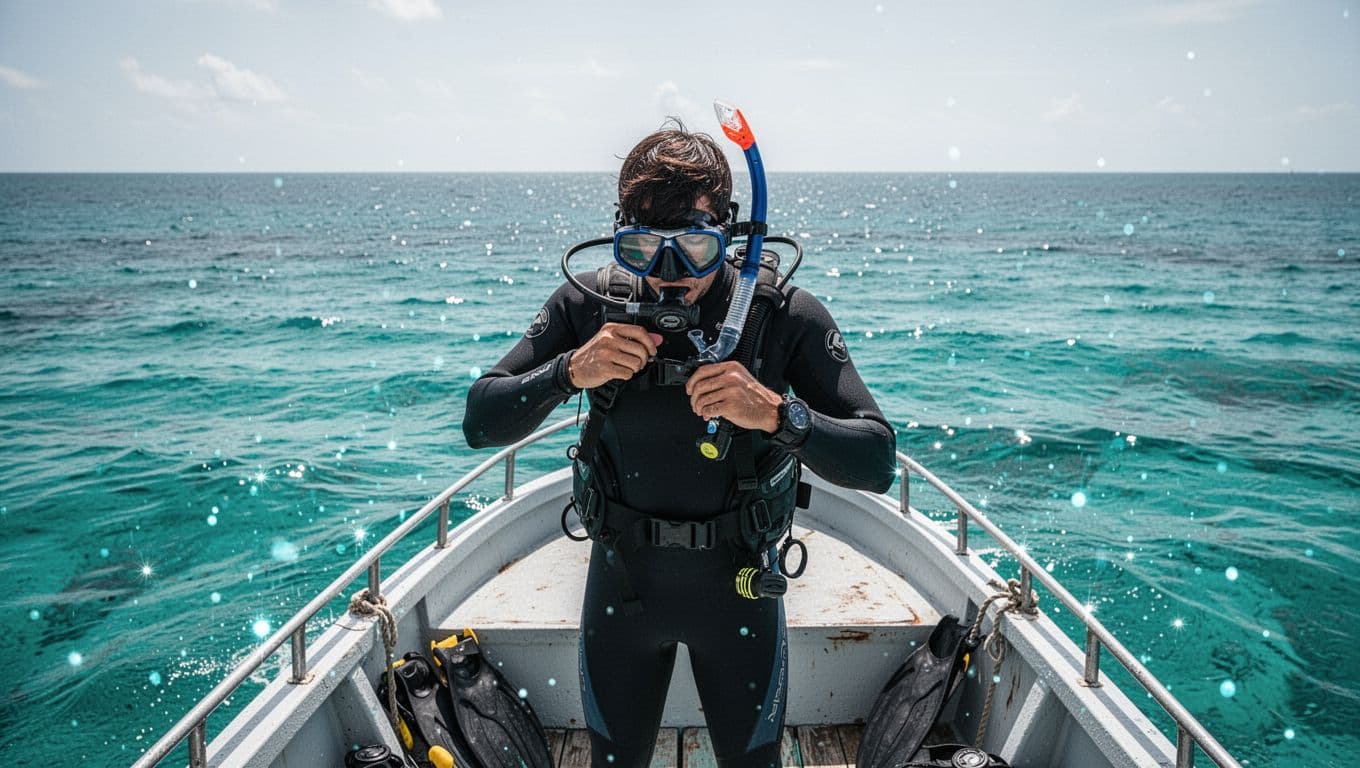
How to prepare for a Captain Cook snorkel day
A few practical steps can reduce unnecessary strain.
- Confirm clearance in writing. Ask your cardiologist’s office to explain when you can submerge, swim, lift your arm, and perform moderate exercise. Written instructions help when different staff members give conflicting advice.
- Call the operator before departure. Explain that you have a pacemaker or ICD. Ask about boarding assistance, flotation, water depth, time in the ocean, and how the crew handles a guest who needs to return early.
- Choose a buddy. Never plan to swim alone if fainting or an abnormal rhythm is possible. Your buddy should stay close enough to alert the guide, not swim far ahead to take photos.
- Use easy gear. A properly fitted mask and snorkel reduce effort. Fins should fit without causing cramps. Ask the guide to check your equipment before you enter the water.
- Set a conservative limit. Decide before entering that you’ll stay near the boat, avoid duck dives, and return at the first sign of trouble. You don’t need to keep up with the strongest swimmer in your group.
At the dock, take your time. Rushing across a moving deck or climbing a ladder while fatigued can create more risk than the snorkeling itself. Ask for a steady hand and use the steps as directed.
In the water, breathe normally through the snorkel. Don’t hyperventilate before putting your face in the water, and don’t hold your breath to extend a swim. Keep your effort low enough that you can communicate with the guide.
For a smooth day, check the forecast and ask whether the crew expects strong wind or swell. If the conditions are rough, rescheduling is a sensible choice. A clear reef is not worth an uncomfortable or unsafe return to the boat.
When should you skip the water?
You should postpone snorkeling if your implant site hasn’t healed or if your medical team hasn’t released you for water activity. The same applies after a recent procedure, infection, lead problem, emergency-room visit, or ICD shock until your care team reviews what happened.
Skip the trip if you have new or worsening symptoms, including chest pain, faintness, unusual breathlessness, sustained palpitations, weakness, or severe fatigue. Don’t enter the ocean after taking more medication than prescribed, drinking alcohol, or becoming ill with vomiting, diarrhea, or fever.
Weather can also make a medically cleared activity a poor choice. Strong wind, choppy water, heavy surge, or limited visibility increases the effort needed to stay oriented and return to the boat. Your guide may cancel or change the route, and you should support that decision.
If you aren’t a confident swimmer, say so before booking. A pacemaker doesn’t remove your ability to enjoy the ocean, but it does make a reliable supervision plan more important.
Common questions about snorkeling with a pacemaker
Can seawater damage a pacemaker?
Normal seawater contact doesn’t usually damage a healed pacemaker. The device sits under your skin in a sealed housing, so the main early concern is the incision and the healing leads.
Avoid submerging the area until your implant team says the wound is ready. Contact your doctor if the incision becomes red, warm, swollen, painful, or starts draining.
How soon after pacemaker surgery can you snorkel?
There is no single waiting period for every patient. Some instructions restrict pools and underwater activity for around two weeks, while other guidance allows more time for the leads and shoulder area to settle. The right date depends on your implant, healing, follow-up results, and the activity you plan to do.
Your cardiologist may approve walking before swimming and easy swimming before open-water snorkeling. Follow the specific timeline from your implant team rather than a general number found online.
Does snorkeling count as diving?
Surface snorkeling and scuba diving are different activities. Floating with your face in the water may involve modest exertion, while duck diving adds breath holding, depth, pressure changes, and a more difficult return if you become tired.
Tell your doctor whether you plan to stay on the surface. If you hope to dive below the surface, ask for separate advice. Don’t assume that approval for swimming covers scuba or repeated deep descents.
Can you snorkel with a pacemaker and an ICD?
Some people with combined devices receive permission for water exercise, but an ICD changes the safety discussion. Your doctor needs to consider the reason for the ICD, the chance of a dangerous rhythm, previous shocks, and what would happen if you lost consciousness in the water.
Use a buddy and stay under direct guide supervision. Never treat a past uneventful swim as proof that every ocean outing is safe.
Should you wear a flotation vest?
A flotation vest can lower the effort needed to stay on the surface, which may help you conserve energy. However, straps or tight panels can press on a recently implanted device or tender incision.
Ask the crew for suitable equipment and tell them if anything rubs or presses on your chest. A flotation aid should fit securely without limiting your breathing or shoulder movement.
What should you do if you feel unwell in the water?
Signal the guide, stop swimming, and let the crew help you return to the boat. Don’t remove your mask and attempt a long swim back while dizzy or short of breath.
Afterward, follow your medical team’s advice. Chest pain, fainting, severe breathlessness, a sustained irregular heartbeat, or an ICD shock requires prompt medical attention.
Make your safety plan before you make your reservation
For many travelers, snorkeling with a pacemaker can fit into a Hawaii vacation after proper medical clearance. The safest plan keeps you on the surface, limits exertion, uses close supervision, and accounts for boat entry and changing ocean conditions.
Kona’s clear water and Kealakekua Bay’s marine life can still be part of your trip. Get your cardiologist’s approval first, share your limits with the crew, and choose a day when you can enjoy the water without rushing or proving anything.