
How to Snorkel the Big Island Without a Rental Car
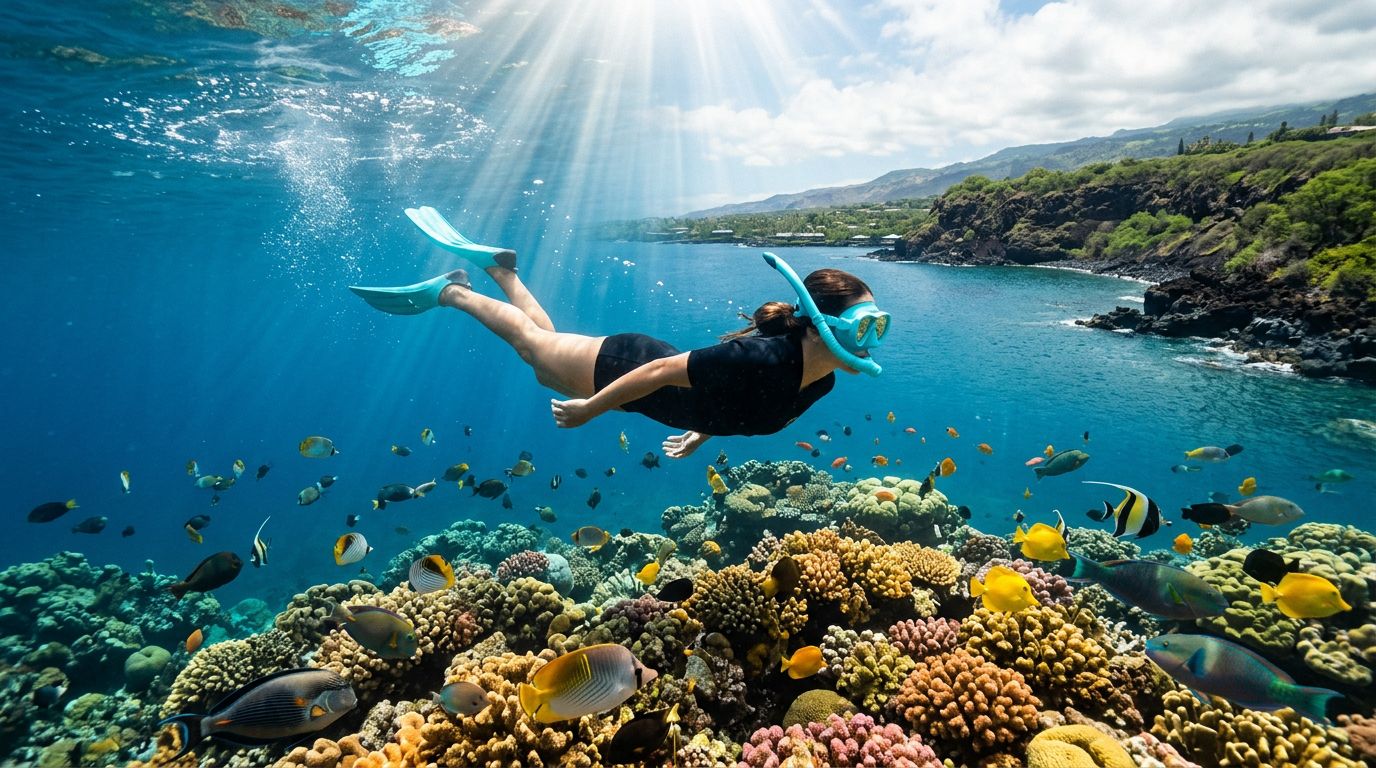
A rental car isn’t required for an excellent ocean trip on Hawaii’s Big Island. You can reach clear reefs, book guided boat tours, and enjoy a manta ray night snorkel without spending your vacation behind the wheel.
Your Big Island without rental car plan works best when you choose the right base and match each activity with the right transport. Stay near Kailua-Kona or Keauhou, use local buses for short trips, and reserve rideshares or shuttles for timed boat departures.
Kona Snorkel Trips makes the water portion easier with small-group excursions, professional guides, and carefully planned ocean access. First, choose lodging that keeps your daily logistics simple.
The best base for a Big Island without rental car trip
Stay in the Kailua-Kona or Keauhou corridor
Kailua-Kona is the most practical place to stay when you want to snorkel without driving. Hotels, vacation rentals, restaurants, shops, beaches, and tour departure points are concentrated along the west coast.
The area around Ali’i Drive works well for travelers who want to walk between meals, coffee shops, and nearby waterfront areas. Keauhou is farther south, but it has its own shopping center, accommodations, and regular bus connections into Kailua-Kona.
A resort in Waikoloa, Mauna Lani, or Kohala can still work. However, you’ll need to budget for airport shuttles, taxis, rideshares, or a private transfer each time you visit Kailua-Kona. That extra planning can become tiring when your snorkel tour leaves early.
Before booking your room, check three details:
- How far is the lodging from a bus stop or major pickup point?
- Does the property offer an airport shuttle?
- How much will a rideshare cost to the harbor at your tour’s check-in time?
Book around the boat, not the map
Many guided snorkel tours leave from a harbor near Kailua-Kona. Your operator may not include hotel transportation, so confirm the exact departure point before paying for your reservation.
Kona Snorkel Trips focuses on personalized marine adventures rather than large, crowded boats. Its lifeguard-certified guides provide quality snorkeling equipment, safety instruction, and information about reef life. The company’s “Reef to Rays” approach also includes reef-safe practices and respect for Hawaii’s coastal ecosystems.
For a general overview of available experiences, browse these Big Island snorkel tours before choosing your transportation plan.
Get around Kona without renting a car
You have four useful options: the Hele-On bus, Route 201, airport shuttles, and rideshare or taxi service. Each one works best for a different part of your trip.
The county-operated Hele-On system connects communities across the island. Hawaii County currently provides free fares on fixed routes, and service generally operates seven days a week, though route times and frequency vary. Check the official Hele-On schedules and maps before relying on the bus for a time-sensitive activity.
Route 201, also called the Kona Trolley via Ali’i Drive, is especially useful for visitors. The route runs between the Loloku Street Park and Ride and Keauhou, with stops along the Kailua-Kona coast. The county lists service every 60 minutes, generally between 6:00 a.m. and 9:00 p.m. Use designated stops because flag stops aren’t permitted along Ali’i Drive. You can review the current Route 201 Kona Trolley details before choosing a hotel.
Airport transportation needs more planning. Kona International Airport, also called KOA, has shuttle providers including SpeediShuttle and Roberts Hawaii. Reserve your airport ride in advance, especially if you arrive during a busy travel period or stay outside central Kailua-Kona.
Rideshare services and taxis are usually the simplest choice when you have to reach a marina at a specific time. They’re also more practical after a nighttime manta tour, when public transportation may no longer match your return schedule.
| Transportation option | Best use | Main limitation |
|---|---|---|
| Route 201 | Moving between Kailua-Kona and Keauhou | Service runs on a set schedule |
| Hele-On | Low-cost island travel | Trips can take longer than expected |
| Airport shuttle | KOA transfers to major resort areas | Advance booking may be needed |
| Rideshare or taxi | Harbors, early check-ins, and late returns | Prices vary with demand |
A local guide to the Hele-On bus and trip planning can help you understand the system, but always verify the county schedule for your travel date. The biggest mistake is planning a tour around a bus that arrives after check-in closes.
Match your snorkeling style to your transportation plan
Your choice between a beach snorkel and a boat trip changes the entire day.
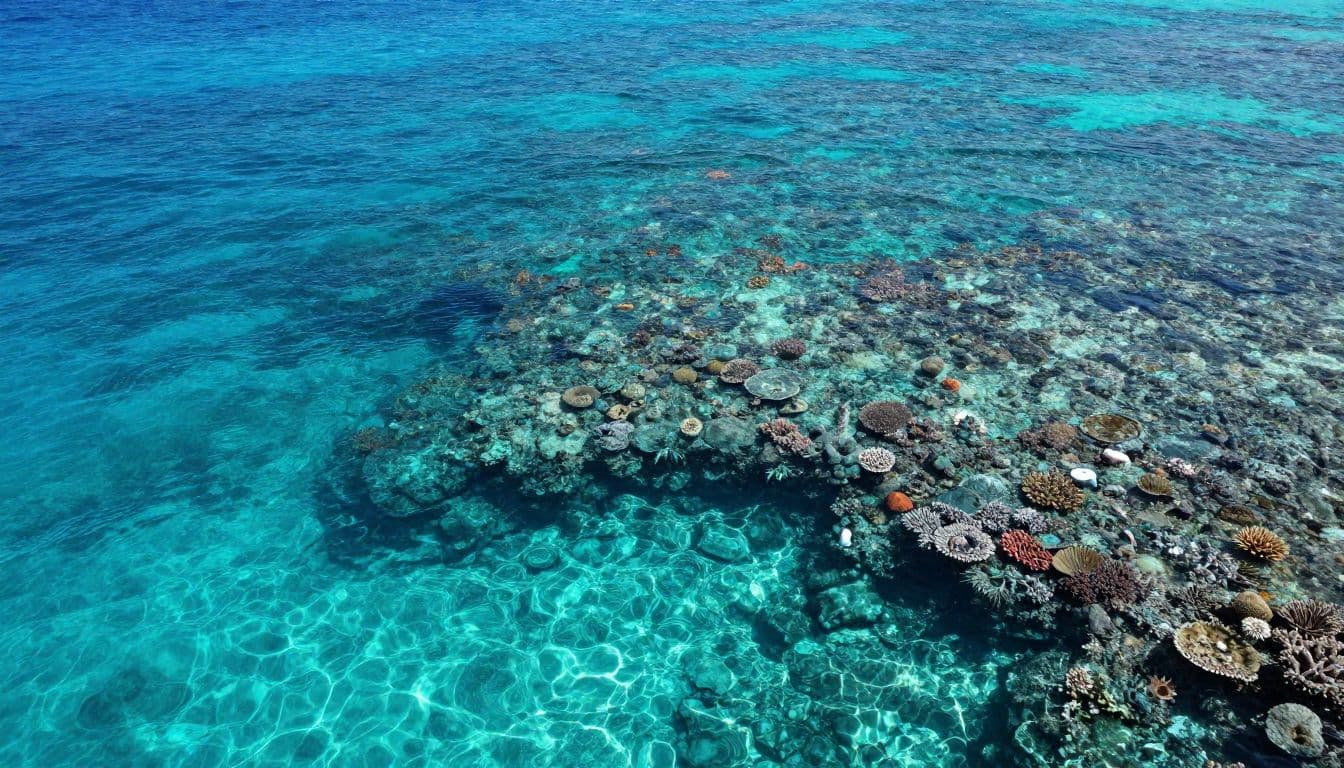
Shore snorkeling gives you the most freedom. You can walk or take Route 201 to a coastal area, rent equipment nearby if available, and return whenever you’re ready. Kahalu’u Beach Park is a well-known south Kona option, but conditions, parking-area activity, and equipment availability can change. You should check local conditions before entering the water.
A guided boat tour requires more scheduling, yet it often makes a car-free trip easier. You arrange one ride to the marina, check in at a fixed time, and let the crew handle the water access, equipment, and site selection. You also avoid carrying fins and flotation gear across town.
Private tours make sense for families, couples, or groups with different goals. You can ask about reef snorkeling, remote coastline stops, wildlife viewing, or a slower pace. Kona Snorkel Trips offers customizable private snorkel excursions for travelers who want more control over the day.
If you choose a boat tour, ask these questions before booking:
- Where exactly does the boat leave?
- How early must you arrive for check-in?
- Are masks, fins, flotation devices, and wetsuits included?
- Does the operator provide hotel transportation?
- What happens if ocean conditions change?
The best no-car plan usually involves fewer transfers, not more. A single rideshare to a marina can be easier than combining two buses and a long walk while carrying wet gear.
Snorkeling with manta rays without a car
Manta ray snorkeling takes place after dark, so transport deserves extra attention. Tours commonly depart in the evening and return later at night, when the Kona Trolley may have stopped running or may not take you close to your lodging.
Arrange a taxi or rideshare in both directions before you leave. If you’re staying at a larger resort, ask the concierge or front desk about late-night pickup procedures. Some properties have designated rideshare areas that aren’t directly outside the lobby.
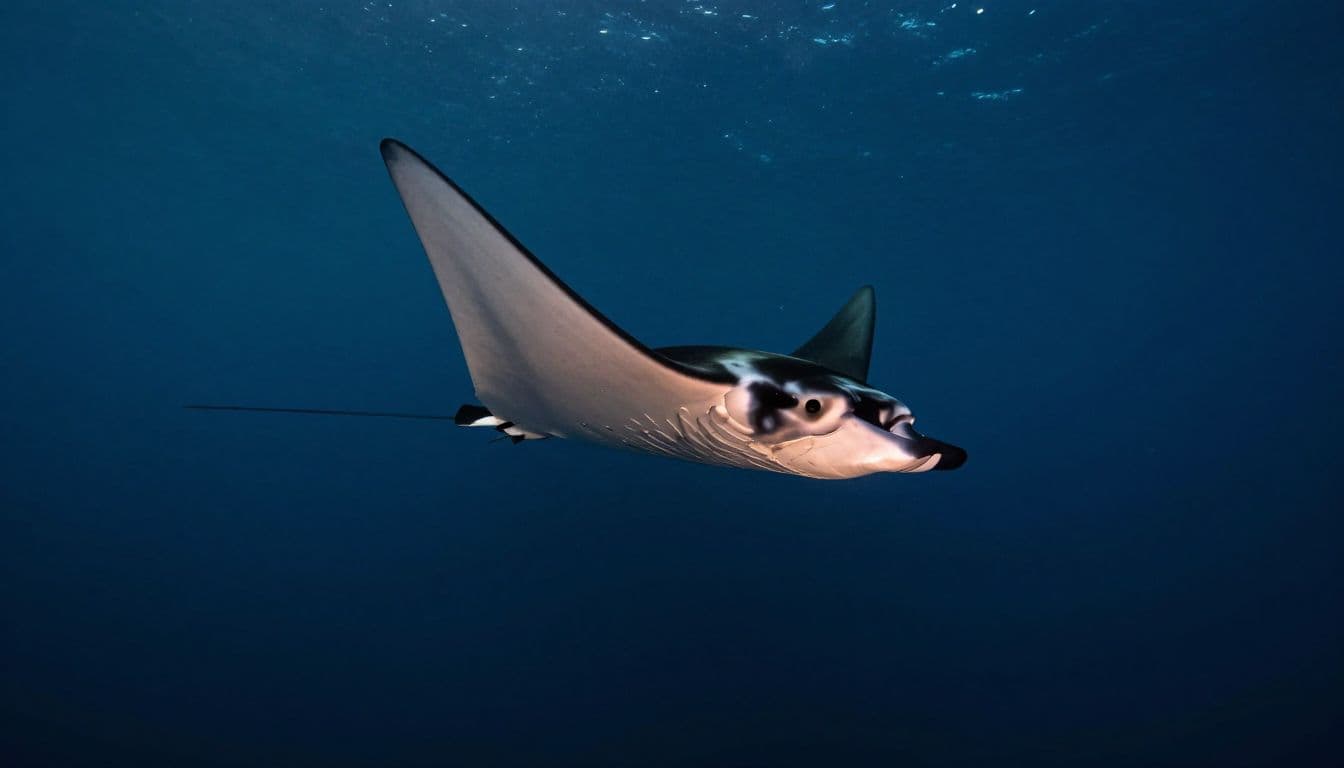
Kona Snorkel Trips offers guided manta experiences with trained guides, quality equipment, and custom-built lighted boards that attract plankton near the surface. The crew focuses on guest safety and respectful wildlife viewing. You may float above manta rays as they move through the illuminated water, but sightings remain dependent on wild animals and ocean conditions.
Manta Ray Night Snorkel is another local resource for planning this type of excursion. You can also review the manta ray night snorkel in Kona to compare tour details and departure options.
A few practical choices make the evening smoother. Eat before check-in, bring a dry change of clothes, and keep your phone in a waterproof pouch. Avoid scheduling an early-morning activity immediately after your return if you know you’ll need time to rest.
You can check availability before arranging your evening ride.
Plan your return ride before entering the water. A post-tour pickup is harder to arrange when your phone, towel, and clothing are wet.
Reach Kealakekua Bay and Captain Cook by boat
Kealakekua Bay is one of the most rewarding places for snorkeling Big Island Hawaii visitors, but it isn’t an easy destination to reach without a car. The bay lies south of Kailua-Kona, away from the main tourist corridor. Shore access can involve a long trip, limited transport choices, and a difficult return after a full day in the sun.
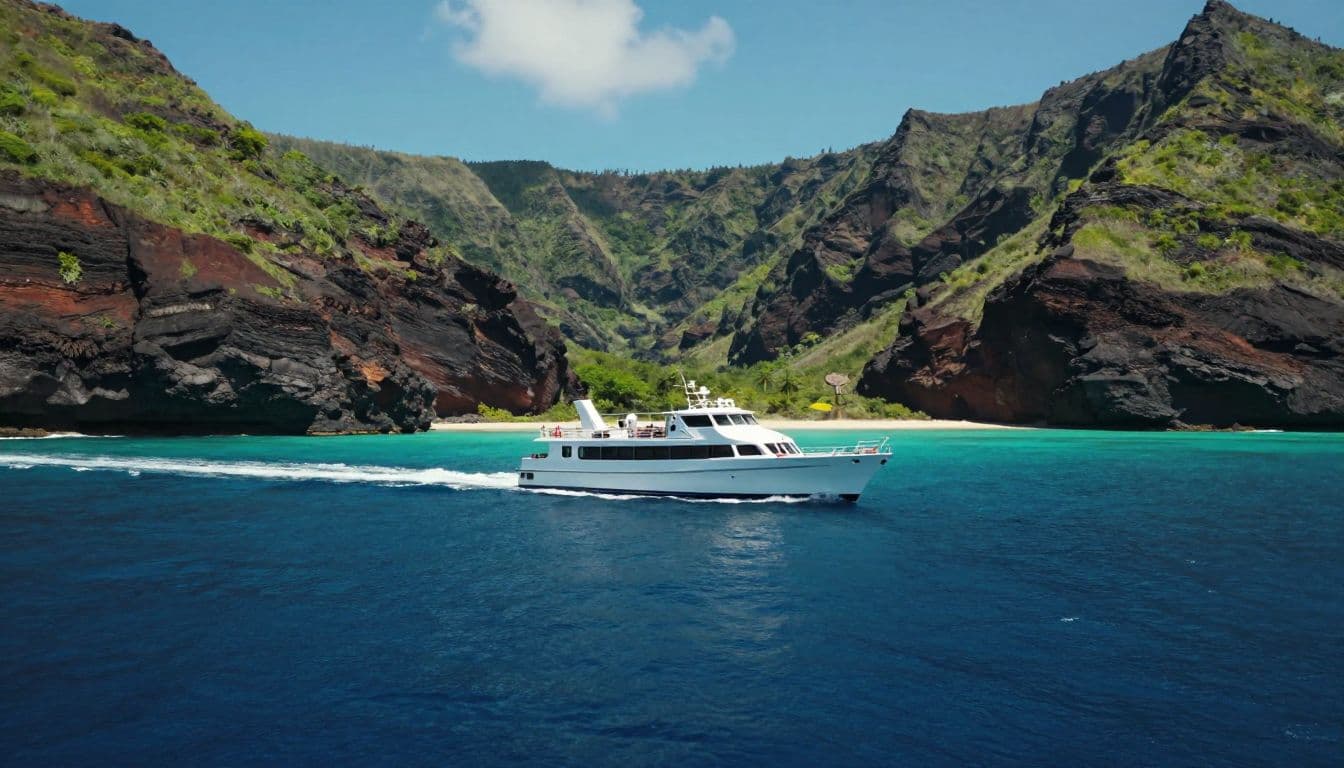
A boat tour solves that problem. You travel to the departure harbor once, then reach the bay by water. A guided excursion can provide snorkeling equipment, flotation support, safety instructions, and context about the reef and the Captain Cook Monument.
Kona Snorkel Trips’ Kealakekua Bay snorkel tour is a practical option when you don’t have a rental car. The trip combines clear water, volcanic coastline views, and guided reef exploration. You can arrange a taxi or rideshare to the harbor and schedule another pickup for your return.
Captain Cook Snorkeling Tours is also available for travelers researching this area. Visit Captain Cook Snorkeling Tours to review another company focused on Kealakekua Bay excursions.
The bay can attract strong sun and changing water conditions, so bring sun protection, drinking water for before and after the swim, and a light cover-up. If anyone in your group feels uncertain in open water, tell the crew before departure. Guides can explain flotation options and help you choose a comfortable way to participate.
You can check avaialbility before booking your ride to the marina.
Add shore snorkeling, whale watching, or a private trip
You don’t need to book a boat every day. A balanced itinerary gives you time to enjoy the coast at your own pace.
For shore snorkeling, use a nearby beach that you can reach by walking, trolley, or a short rideshare. Go earlier in the day when conditions are often calmer, but check the water before entering. Never assume a familiar-looking beach has safe conditions for your group.
Seasonal whale watching is another option during Hawaii’s winter humpback season. A boat trip lets you view whales without arranging a long drive to remote coastline areas. Sightings are never guaranteed, and federal rules require boats to keep a respectful distance from these protected animals. If whale watching fits your dates, you can check availability before planning your transfer.
A private charter can work well when you have young children, older relatives, or different comfort levels in the water. You may prefer a shorter snorkel session, more time on the boat, or a flexible route. The higher cost can be easier to justify when several people share the boat.
For a full day of snorkeling Big Island reefs, leave space between activities. Sun, salt water, and boat travel can drain your energy faster than you expect.
Build a simple no-car snorkeling itinerary
A Big Island without rental car itinerary works best when you group activities by location and avoid tight connections. Use the first day to learn the area, then schedule longer boat trips once you know how you’ll get around.
- Arrival day. Take an airport shuttle to Kailua-Kona or Keauhou, check in, and walk along the waterfront. If you still have energy, use Route 201 or a short rideshare for a nearby beach visit.
- Captain Cook day. Arrange a morning or midday ride to your Kealakekua Bay tour departure point. Keep the evening open for dinner and rest instead of adding another long transfer.
- Manta evening. Spend the daytime near your hotel, then take a pre-arranged taxi or rideshare to the manta check-in location. Schedule the return ride before the tour begins.
- Flexible final day. Choose shore snorkeling, a whale watch during the winter season, a private excursion, or a relaxed Kona beach day.
This approach gives you a buffer if a bus runs late or an ocean tour changes its meeting time. It also keeps you from crossing the island for every activity.
If you want to visit Hilo, Volcanoes National Park, or the Hamakua Coast without a car, consider a dedicated guided tour or private transfer. Public buses can cover long distances, but the journey may take much of your day and may not align with park entry or tour times.
When you compare prices, include the complete trip cost. A cheaper tour can become less convenient if it requires several taxi rides, an early airport transfer, or a long wait between buses. Look at the departure location, included gear, duration, cancellation terms, and transport needs together.
Pack for a car-free ocean day
Pack light enough to carry everything between your hotel, the bus stop, and the marina. A small dry bag, refillable water bottle, reef-friendly sun protection, sunglasses with a strap, and a cover-up handle most situations.
Bring a dry change of clothes for the ride home. Wet swimsuits can make a rideshare uncomfortable, and some drivers may decline a pickup if you’re dripping seawater.
If you use prescription glasses, ask the operator about mask options before the tour. Families should confirm children’s equipment sizes, flotation choices, minimum ages, and restroom access. Couples may prefer a small-group departure, while solo travelers often benefit from a guide who can explain local conditions and marine life.
Check the weather and ocean forecast on the morning of every swim. Strong wind, surf, rain, or poor visibility can change the safest choice for the day. Follow the crew’s instructions, keep your hands off coral and wildlife, and never chase an animal for a closer view.
Conclusion
You can snorkel Big Island waters without owning a car or renting one for your entire vacation. Base yourself near Kailua-Kona or Keauhou, use Route 201 for local movement, and reserve shuttles or rideshares for airport transfers and timed boat departures.
For a Big Island without rental car trip, the simplest formula is clear: stay central, book tours with convenient departure points, and plan every late-night or early-morning ride in advance. That preparation leaves you more time to enjoy clear reefs, volcanic coastlines, and the ocean experiences that brought you to Hawaii.