
Snorkeling with Invisalign on the Big Island
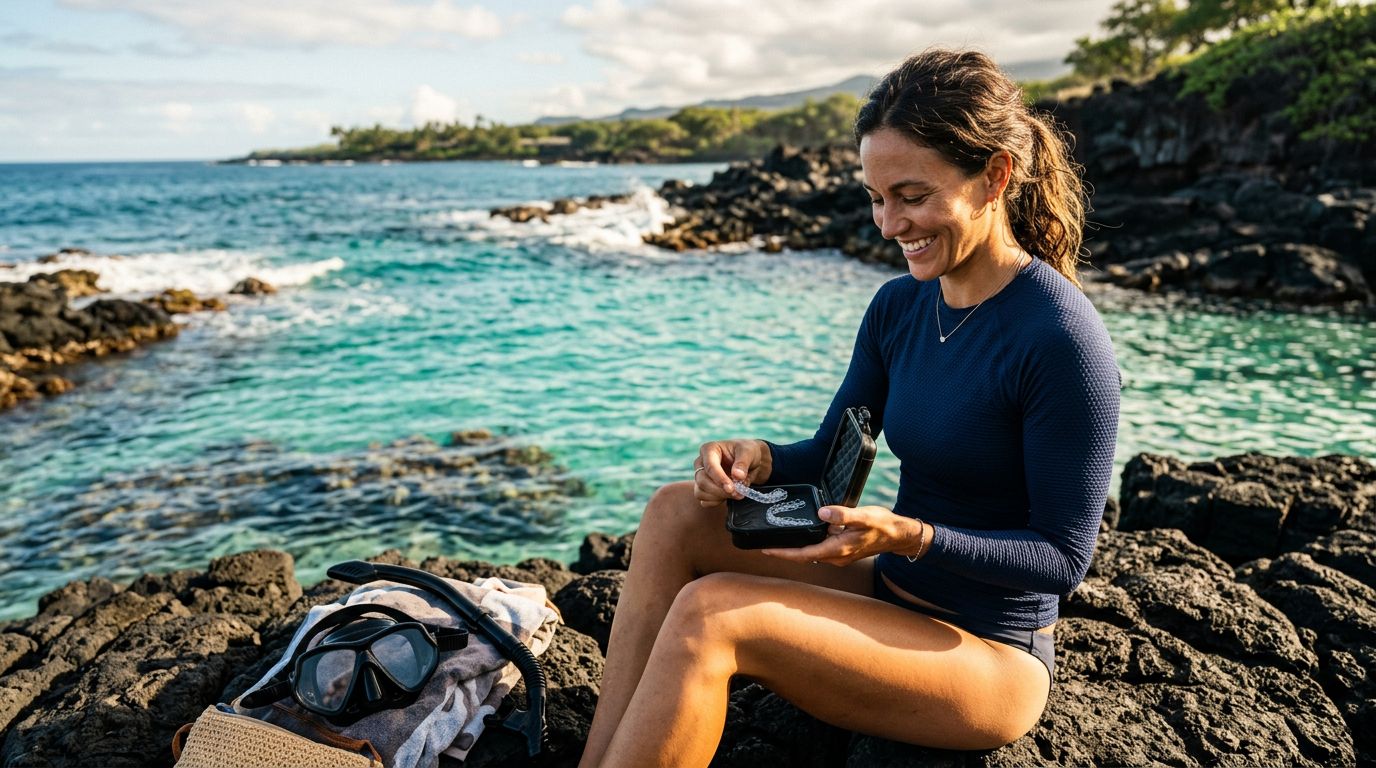
You can enjoy snorkeling with Invisalign on the Big Island, but you should plan to remove your aligners before entering the ocean. Clear trays aren’t designed to protect your teeth from a snorkel mouthpiece, and losing one in the Pacific can create an expensive problem during your vacation.
The safest routine is simple: bring your Invisalign case, keep your aligners out while you snorkel, rinse your mouth and trays afterward, then put them back in when you’re ready. A little preparation lets you enjoy clear water, colorful reefs, and marine life without disrupting your orthodontic treatment.
Key Takeaways
- You can snorkel on the Big Island while using Invisalign, but removing the trays is the safest option.
- Store your aligners in a hard case, never a napkin or loose bag.
- Keep attachments in place, and ask your orthodontist about any special dental concerns.
- Rinse your mouth and trays with fresh water before wearing them again.
- Tell your tour operator about your aligners so you can plan a comfortable break before entering the water.
Can snorkeling with Invisalign work on the Big Island?
Yes, you can take a Big Island snorkeling trip while wearing Invisalign. The important distinction is whether you mean traveling to the beach and preparing to snorkel, or wearing the aligners in the water.
For most travelers, removing the aligners during the actual snorkeling session is the better choice. Invisalign trays are removable orthodontic appliances. They aren’t designed as sports mouthguards, and they don’t improve the fit or safety of a snorkel mouthpiece. A mouthpiece may feel crowded against your teeth, especially if you have attachments or recently changed to a tighter tray.
Ocean water also creates practical problems. If you remove an aligner on a boat or at the shoreline, it can fall into the water, collect sand, or get left behind in a towel. Saltwater won’t make the plastic disappear, but it also doesn’t clean the tray well enough for you to put it straight back into your mouth.
You may swim in plain water while wearing aligners, but snorkeling involves more movement, equipment, and time in the water. Your mouth stays around a silicone mouthpiece, and you may need to adjust your mask, clear your snorkel, or communicate with a guide. Removing the trays avoids pressure on the plastic and reduces the chance of losing one.
Your orthodontist’s instructions take priority. If you have a special appliance, recent dental work, significant tooth movement, or a strict wear schedule, ask before your trip. A short break usually fits into a normal vacation plan, but your provider knows your treatment stage.
Why snorkeling is different from swimming
Swimming with Invisalign can seem harmless because the trays stay inside your mouth. Snorkeling adds a mouthpiece, waves, saltwater, and frequent movement. Those details make tray removal more practical.
A standard snorkel mouthpiece sits between your teeth and lips. You bite gently on tabs to hold it in place. Invisalign trays cover your teeth, so the mouthpiece may press against the tray edges or feel different than usual. That pressure may not damage your teeth, but it can make your jaw tired and your gums sore.
The fit can also change if you use Invisalign attachments. These small tooth-colored shapes help move your teeth. They remain bonded to your teeth while you remove the trays, so you don’t take them off before snorkeling. However, they can make the mouthpiece feel tighter.
Loose aligners create another concern. A tray that fits well on land may shift if you clench around the mouthpiece or adjust your bite. You don’t want to spend a boat ride wondering whether your upper tray is still in place. You also shouldn’t treat an aligner as protection against a bump to the face.
The water itself presents a storage issue. A tray wrapped in a napkin can be mistaken for trash, blown across a beach, or swept overboard. Dental guidance about beach and pool visits also recommends rinsing aligners with fresh water after exposure and protecting them from heat. You can review these practical clear aligner beach safety tips before leaving home.
Your Invisalign case matters more on a boat than the trays do. A loose napkin can send a clear aligner into the Pacific.
You also need to keep food and drinks separate from your trays. Don’t wear Invisalign while eating on the boat, drinking juice, soda, coffee, or alcohol. Plain water is the usual exception, but remove the trays when you aren’t sure what a drink contains.
How to prepare your Invisalign for a snorkeling day
A successful snorkeling day starts before you leave your hotel. Pack your aligner case in a small dry bag or zipped section of your beach bag. Choose a hard, ventilated case rather than a soft pouch that can bend or crush the trays.
Bring a travel toothbrush, toothpaste, and a small bottle of fresh water. You may have access to a boat sink, but you shouldn’t count on it. Fresh water lets you rinse away salt, sand, or food particles before replacing your aligners.
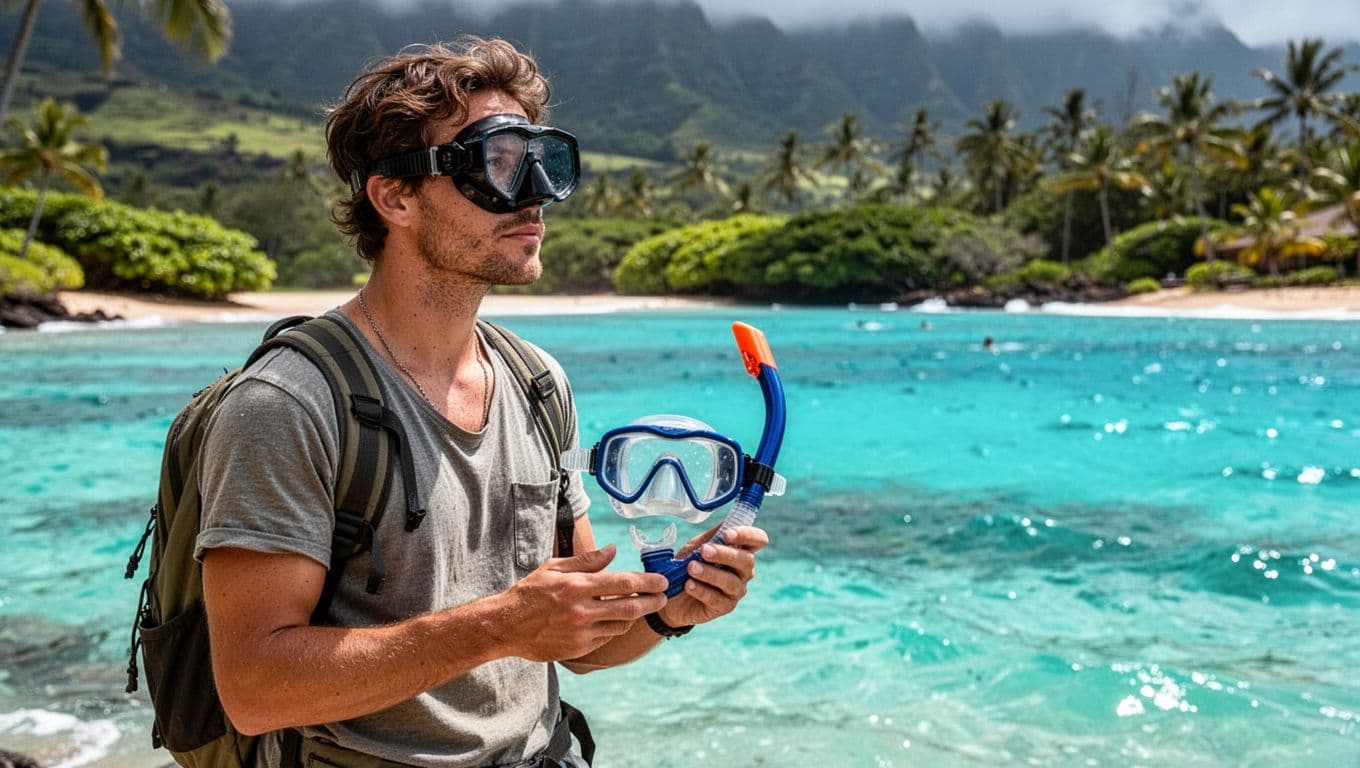
Before your tour, wear your current trays as usual. Don’t switch to a new set immediately before boarding unless your orthodontist told you to do so. A new tray may feel tight, and you won’t know whether discomfort comes from the aligner or the snorkel mouthpiece.
When you arrive, tell your guide that you use Invisalign. You don’t need to provide private medical details. A simple explanation helps you plan the timing of your tray removal, especially if the tour moves quickly from the dock to the water.
Use this basic packing list:
- A hard Invisalign case
- A toothbrush and toothpaste
- Fresh drinking water
- A small dry bag
- Your current aligner set
- A reminder on your phone for reinsertion
Keep the case with you, not on a towel that stays unattended near the beach. On a boat, place it in a secure personal bag or a designated dry storage area. Never leave your trays on the gunwale, a cooler lid, or a loose seat.
Heat matters too. Don’t leave Invisalign in a parked car, direct sun, or a hot beach bag. High temperatures can distort clear plastic. If your case gets hot, move it into a shaded, cool area rather than rinsing the trays with hot water.
What to do before, during, and after the tour
You can follow a short routine that works for most daytime reef excursions.
Before entering the water, remove your aligners with clean hands. Rinse them with cool or lukewarm fresh water, place them in the case, and close it. Don’t scrub them with abrasive toothpaste, and don’t use boiling water.
Your teeth may feel slightly different without the trays. That feeling is normal for many people, especially during the first few days of a new set. Keep the trays safe and focus on your breathing, mask seal, and guide instructions.
During the snorkeling session, don’t put the aligners in a pocket, fin bag, or towel. Those locations invite loss. If you need to communicate with the guide, use the agreed hand signals instead of removing a mouthpiece repeatedly.
After leaving the water, rinse your mouth with fresh water. If you’ve eaten, brush your teeth before putting the aligners back in. If you haven’t eaten, rinse the trays first and reinsert them when they’re clean.
A quick rinse helps, but brushing is better when food or sunscreen has reached your mouth. Avoid putting trays back over gritty teeth because trapped sand can irritate your gums.
If your aligners fall into saltwater, retrieve them only if you can do so safely. Never reach over a boat rail or climb onto rocks for a tray. Once recovered, rinse them with fresh water and clean them properly before wearing them again.
If a tray disappears, don’t switch randomly to an old set. Contact your orthodontist. Depending on your treatment stage, they may tell you to wear the previous tray, move to the next one, or wait for a replacement.
A 2026 comparison from Smile-FX on braces and Invisalign also points out that aligner treatment depends on consistent wear. That doesn’t mean you must skip your tour. It means you should control the time out of your mouth and return to your normal schedule afterward.
Choosing a Big Island snorkeling tour with Invisalign
Your tour choice can affect how easy it is to manage your aligners. Shorter trips with clear instructions may feel simpler if you’re new to Invisalign. A longer excursion can still work, but you’ll need a reliable place to store the trays and a chance to rinse after eating.
Kona Snorkel Trips offers small-group guided ocean adventures with lifeguard-certified guides, quality snorkeling gear, and a strong focus on reef-safe practices. Its trips include reef snorkeling, nighttime manta ray encounters, Kealakekua Bay excursions, seasonal whale watches, and private charters.
For a first outing with Invisalign, a daytime reef trip may be the easiest starting point. You can remove the trays before entering the water, keep them secure during the swim, and clean them during a planned break. Browse the available Big Island snorkeling tours to compare the types of outings offered around Kona.
Kealakekua Bay can be a good fit if you want a scenic daytime experience with time to prepare before snorkeling. The Captain Cook snorkel tour gives you a chance to discuss your aligner plan with the crew before entering the water.
Night snorkeling requires a little more planning. If you’re considering a manta ray night snorkel in Kona, remove your aligners before using the mouthpiece and store them securely. Darkness makes a dropped tray harder to find, and you may spend more time in the water than expected.
Private trips can also make dental routines easier because your schedule has more flexibility. You can ask about a short pause before snorkeling, choose when to eat, and keep your case in a convenient dry location. That option can work well for families, couples, or anyone who wants fewer timing pressures.
Before booking, ask the operator:
- Where can you store small personal items?
- Will you have access to fresh water after snorkeling?
- How long will you stay in the water?
- Is there time to eat and brush before returning to the water?
- Can the crew accommodate a short preparation break?
Kona Snorkel Trips’ approach centers on personal service, ocean safety, and respect for volcanic reef ecosystems. Those priorities make clear communication useful, especially when you need to remove dental trays before a water activity.
If you want a daytime Kealakekua Bay outing, you can also check availability before choosing your date.
Special Invisalign situations to consider
Most people can manage a snorkeling day with ordinary removable aligners. Certain situations deserve a conversation with your orthodontist before you travel.
If you recently started treatment, your teeth may feel sore and your trays may fit tightly. The snorkel mouthpiece could add pressure to sensitive areas. Waiting until you feel comfortable, or asking for provider guidance, can make the outing more enjoyable.
Attachments can also change the way the mouthpiece feels. You don’t remove attachments, and you shouldn’t try to file, loosen, or cover them yourself. Let your orthodontist address any sharp edge or irritation.
People with dental implants, crowns, gum problems, jaw pain, or recent oral surgery need more individualized advice. The concern may have less to do with the aligner and more to do with biting the mouthpiece for an extended time.
If you use rubber bands with your Invisalign treatment, ask whether you should keep them in during water activities. Your provider may give different instructions based on the type of elastic and your treatment plan.
A fixed lower retainer is different from a removable Invisalign tray. You won’t take out a bonded wire before snorkeling. However, tell your dentist if the wire feels loose or if the mouthpiece rubs against it.
Families should take extra care with younger teens. A child may forget where the case is or wrap the tray in a napkin while eating. One orthodontic practice notes that consistent wear can be harder for teens who forget removable appliances, so a parent should manage the case and reinsertion routine.
Your trip leader can help with timing, but the crew can’t replace dental advice. Call your orthodontist before departure if you aren’t sure whether a planned break is acceptable.
A simple aftercare routine for your next ocean day
When the tour ends, clean your aligners before storing them overnight. Rinse them with cool or lukewarm water, brush them gently with a soft toothbrush, and use the cleaning method recommended by your orthodontist or aligner provider.
Don’t use hot water. Don’t leave the trays in a damp towel. A closed case protects them during the day, but the aligners need regular cleaning and airflow according to your provider’s instructions.
Check the trays for sand, cracks, sharp edges, or changes in shape. A small amount of grit may rinse away. A warped or damaged aligner needs professional advice before you wear it again.
You should also clean the case. Rinse it, wash it with mild soap, and let it dry. A dirty case can put bacteria back on freshly cleaned trays.
If you have another ocean activity the next day, repeat the same setup. Pack the case before leaving your room, keep water available, and plan your meals around the tour. Many travelers find that the routine becomes automatic after one outing.
The biggest practical mistake is forgetting reinsertion. Set a phone reminder for the end of the tour, especially if you plan to eat lunch afterward. Consistent wear matters across the full treatment plan, not only on days when you stay on land.
Planning a snorkeling Big Island Hawaii vacation doesn’t require you to pause orthodontic treatment. You only need a safe storage plan and enough time to clean your trays.
Can you snorkel Big Island waters with the trays in?
Some people may choose to wear Invisalign while swimming, but that doesn’t make it the preferred choice for snorkeling. The mouthpiece, wave action, and possibility of losing a tray create more downsides than benefits.
If you have no access to fresh water, a secure case, or a private place to clean your teeth, remove the aligners anyway and wait until you can clean them properly. Don’t rinse them with ocean water and assume they’re ready to wear.
When you snorkel Big Island reefs, your attention should stay on breathing calmly, following your guide, and respecting marine life. A tray stored safely lets you concentrate without worrying about whether you bit down too hard or dropped orthodontic equipment.
For most travelers, the best plan is to wear the aligners before and after the activity, remove them during the swim, and follow your normal schedule for the rest of the day. That approach works for a short reef session, a Kealakekua Bay trip, or a nighttime outing with manta rays.
Conclusion
You can enjoy snorkeling with Invisalign on the Big Island. Remove the trays before entering the water, keep them in a hard case, and rinse or brush them before putting them back in.
That small routine protects your aligners and keeps your attention on the reef, the clear Kona water, and the marine life around you. With your orthodontist’s approval and a little preparation, snorkeling Big Island sites can fit comfortably into your vacation.