
Captain Cook Snorkeling With Braces: What to Know
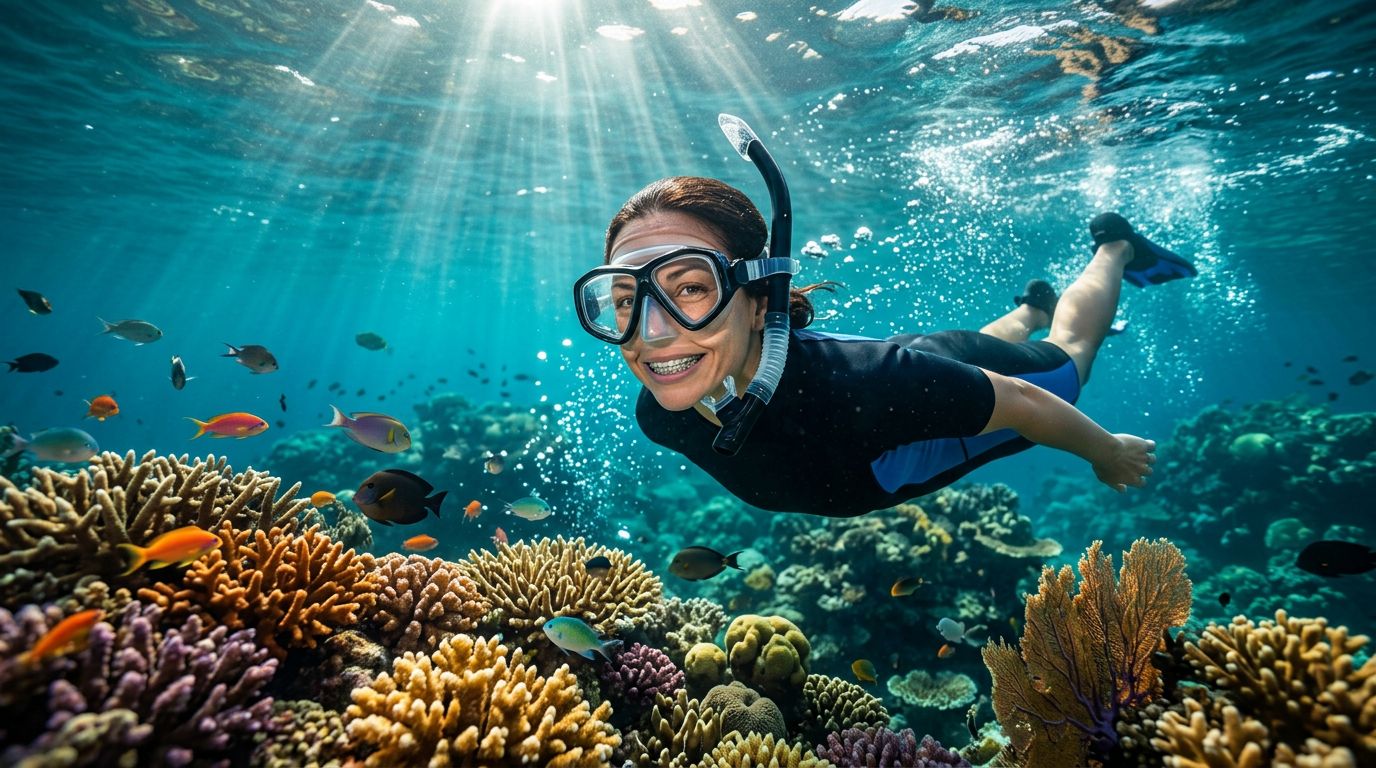
Braces don’t have to keep you out of the water. The real issue is usually the snorkel mouthpiece, your jaw tension, and how long you stay in before you start feeling sore.
If you’re planning Captain Cook snorkeling with braces, the good news is that the trip is usually more manageable than people expect. A calm bay, a well-fitting mask, and a relaxed bite make a bigger difference than the brackets on your teeth.
If you’re comparing snorkeling Big Island Hawaii options, the smartest move is to think about comfort first. Once you do that, the rest of the day gets much easier.
What changes when you snorkel with braces
The braces themselves are rarely the problem. The pressure from the mouthpiece is what you notice first, especially if you tend to clench when you breathe through your mouth. That pressure can make your jaw tired faster than usual.
A small amount of lip rubbing can also happen if the mouthpiece feels stiff or narrow. The goal is to keep your bite light and your breathing steady. In other words, the snorkel should sit in your mouth, not feel like something you have to fight.
A simple orthodontic guide on diving and snorkelling with braces makes the same basic point, stay comfortable, don’t overdo it, and adjust the gear before you get into open water.
Here’s a quick look at what usually matters most:
| Part of the snorkel setup | What you may notice | What helps |
|---|---|---|
| Mouthpiece | Pressure on your teeth or lips | Use the softest comfortable fit and don’t bite hard |
| Jaw position | Fatigue after a few minutes | Keep your jaw loose and breathe slowly |
| Mask fit | Extra tension if the mask pinches | Adjust the straps before you enter the water |
| Session length | More soreness if you stay in too long | Take shorter swims and rest between stretches |
The takeaway is simple. If you’re snorkeling with braces, comfort starts with gear fit and ends with pacing. When those two things are right, the ocean feels a lot more open and a lot less complicated.
Why Kealakekua Bay feels like a smart place to start
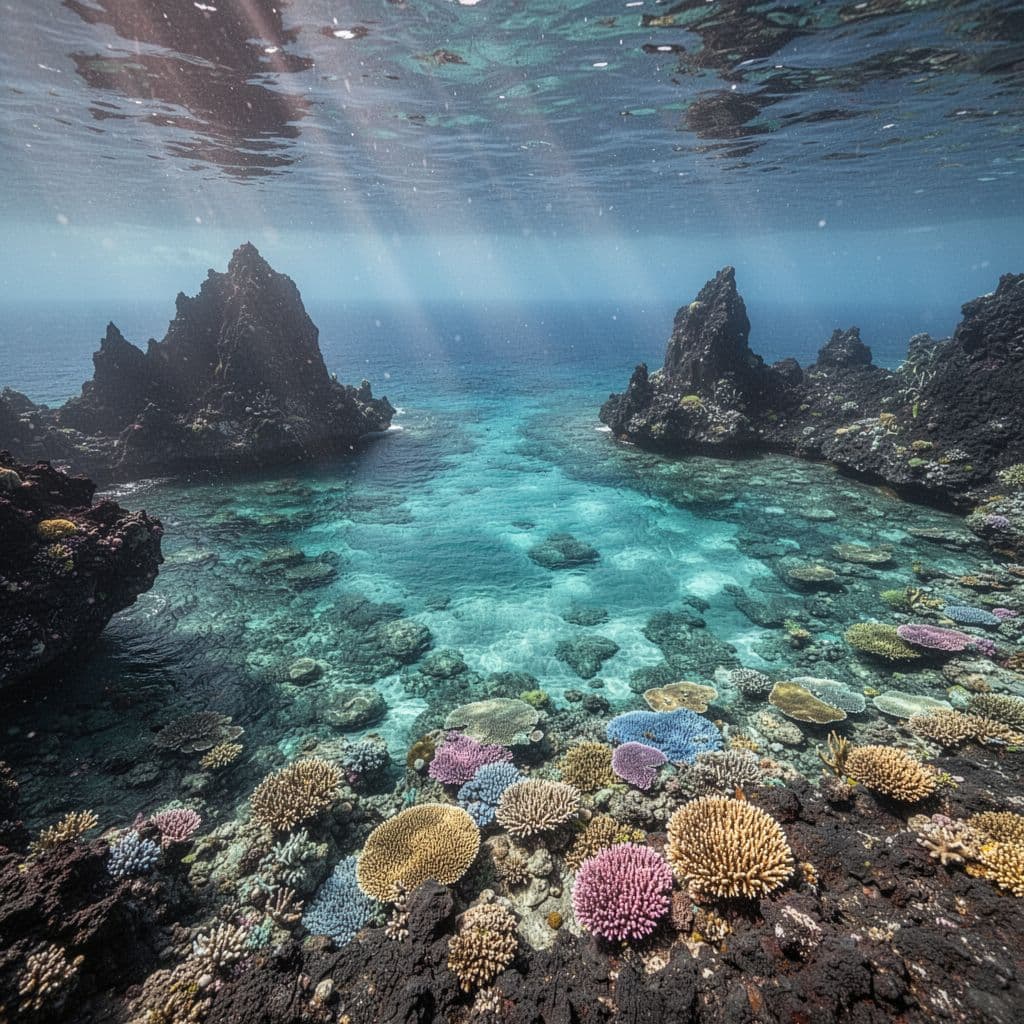
Kealakekua Bay is one of the better places to ease into the water because the setting is naturally protected. You usually spend less energy dealing with chop, and that matters when you’re already paying attention to your mouthpiece and breathing.
That is one reason so many people choose snorkeling Big Island Hawaii in this area. The bay gives you clear water, good visibility, and a route that feels more controlled than a rough open-ocean swim. If your jaw gets tired easily, that calmer rhythm helps.
A guided Captain Cook snorkeling tour keeps the day focused on one of the island’s most famous snorkeling spots. If you want a route-specific operator, Captain Cook Snorkeling Tours also focuses on this stretch of coast.
If this bay is on your list, you can check avaialbility before the dates you want start filling up.
You don’t need to treat the bay like a challenge course. For most swimmers, the calmer pace is the advantage. It gives you time to settle your breathing before your jaw starts working too hard.
Choosing a Kona tour that gives you room to relax
The right operator matters when you’re snorkeling Big Island with braces because the trip starts long before you put your face in the water. You want a crew that gives you time to adjust your gear, ask questions, and find a pace that feels right.
If you’re comparing Big Island snorkeling tours, look for small groups and guides who pay attention to fit. That kind of trip is easier on your jaw because you don’t feel rushed to jump in, keep up, or ignore a small problem with the mouthpiece.
Kona Snorkel Trips keeps that experience personal. The company uses lifeguard-certified guides, focuses on reef-safe practices, and keeps the group size small so you can settle in before the swim. That makes a real difference if your braces are new or your teeth feel tender after an adjustment.
If you want to compare dates, you can check availability and see what fits your trip.
That extra attention helps if you’re traveling with family, a partner, or a teen who’s still learning how to relax in the water. It also helps if you like a slower start and a smoother return to the boat.
Gear details that make the biggest difference
The mouthpiece matters more than most people expect. If it feels too hard, too narrow, or too deep in your bite, your jaw will notice it fast. You don’t need to clamp down to keep it in place.
A good fit should feel neutral. You should be able to hold the snorkel comfortably without squeezing your teeth together. If you’re new to snorkel gear, that alone can turn the trip from tense to easy.
A second helpful read is this guide on braces and Invisalign diving. The details there line up with what many snorkelers notice, which is that calm breathing and a loose jaw matter more than raw effort.
Your jaw should feel neutral. If you’re clamping, the fit is wrong.
A few small changes help a lot:
- Ask for the softest mouthpiece that still feels secure.
- Keep the snorkel tube at a comfortable angle so you aren’t twisting your neck.
- Tighten your mask only enough to seal, because over-tightening can make everything feel worse.
- Practice a few slow breaths before you leave the ladder or swim platform.
- Stop and adjust the gear if you feel rubbing right away.
When you snorkel Big Island with braces, those small fit decisions usually matter more than fitness or swimming speed. The right setup saves your jaw before it gets tired.
What to pack for a smoother boat day
Packing well keeps minor irritation from turning into a long afternoon of discomfort. You do not need a huge kit, but a few small items make the day easier.
Bring orthodontic wax if you already use it. If a bracket or wire rubs after the swim, wax can take the edge off until you’re back on shore. A bottle of fresh water also helps because rinsing after saltwater can ease that dry, tight feeling around your lips.
A short packing list looks like this:
- Orthodontic wax
- Refillable water bottle
- Reef-safe sunscreen
- Towel and dry shirt
- Light snack if you get shaky on an empty stomach
- Hat or sunglasses for the boat ride
That last part matters more than people think. A tired, hungry, or dehydrated body tends to clench more. If you keep yourself comfortable, your mouth tends to relax too.
If you’re traveling with kids or teens, pack an extra snack and another bottle of water. Family trips often move at a different pace, and you’ll be glad you planned ahead once everyone is on the boat and ready to go.
If your braces were adjusted recently
Fresh adjustments can make the first day or two feel tender. That doesn’t automatically mean you should cancel your snorkel trip, but it does mean you should be honest about how your mouth feels before you go.
If your teeth are sore, choose a calmer plan. Shorter swims are better than forcing a long one. A morning trip can also feel easier because you usually have more energy and less sun fatigue.
A recent adjustment is the time to listen to your body. If the mouthpiece feels fine for the first few minutes and then starts rubbing, take a break and reset. You can still enjoy the boat, the coastline, and the water without pushing through sharp discomfort.
Captain Cook snorkeling with braces works best when you keep the day flexible. Some people spend most of the time in the water. Others do one good swim, then relax on the boat and enjoy the view. Both approaches are fine.
If you are planning a trip soon after tightening, talk with your orthodontist if you already know your mouth gets especially sore. That extra step can help you decide how much water time feels right.
Conclusion
Braces do not have to get in the way of a good snorkel day. What matters most is a calm bay, a comfortable mouthpiece, and a pace that lets you relax instead of clench.
If you’re looking at snorkeling Big Island Hawaii, Captain Cook is one of the easiest places to start because the bay gives you room to settle in. With the right gear and a small-group trip, you can snorkel Big Island with far less hassle than you might expect.
The simplest plan is also the best one, choose the right tour, keep your jaw loose, and let the water do the rest.