
How to Compare Big Island Manta Ray Refund Policies
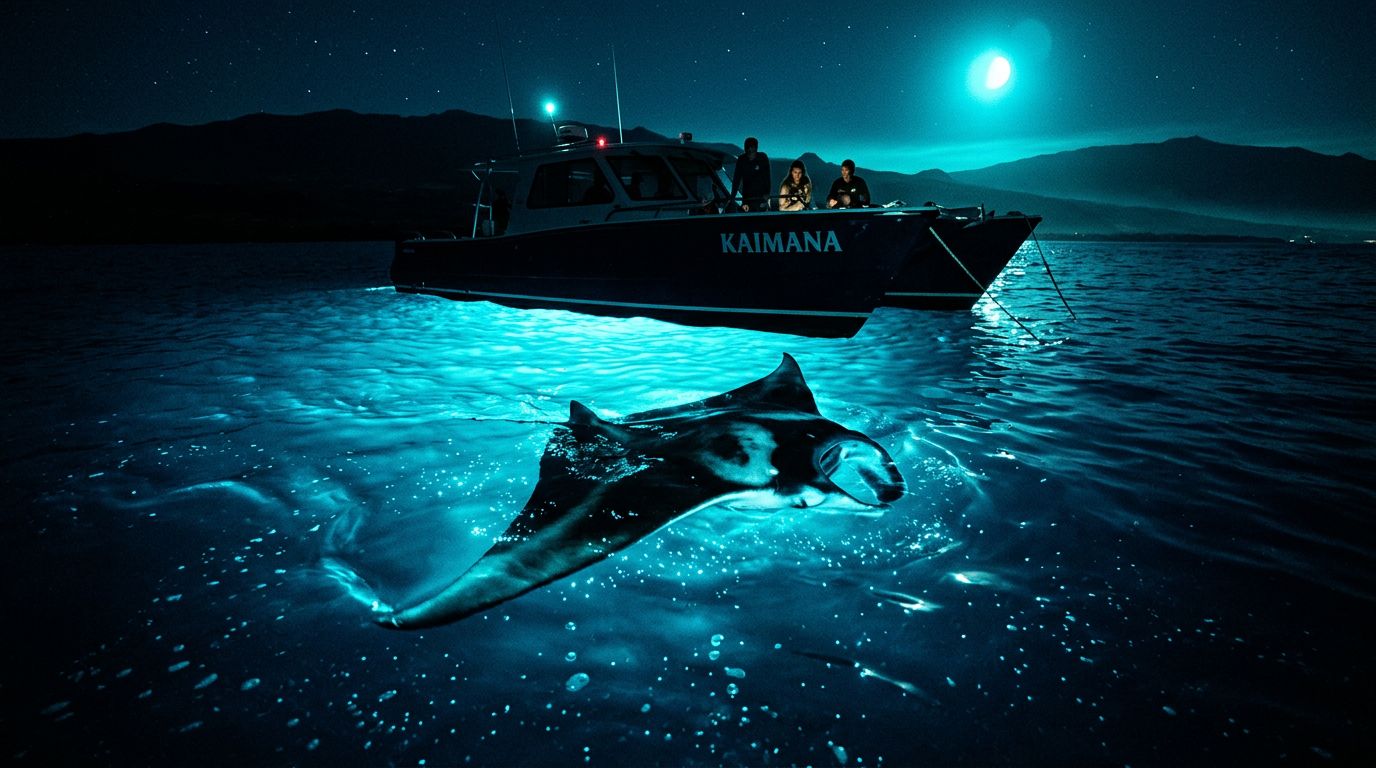
If you’re planning snorkeling Big Island Hawaii, the refund rules matter as much as the water clarity. A cheap fare can turn expensive fast if the operator uses a strict cutoff, a no-show rule, or a wildlife policy you did not read closely.
Kona Snorkel Trips is a useful baseline because its manta page spells out the current 48-hour refund window clearly. That gives you a real starting point when you compare other operators, especially if you want to snorkel Big Island with fewer surprises.
When you book a manta night trip, you’re really buying two things: a seat on the boat and a chance to see the rays. The best policy tells you what happens if either one changes.
What a manta ray refund policy should answer
A clear manta ray refund policy should answer four questions right away. How far in advance can you cancel? What happens if the operator cancels because of weather or minimum numbers? What happens if the manta rays do not show? What happens if you miss check-in?
That sounds basic, yet many travelers only notice the fine print after they need it. You should look for the cancellation deadline, whether the request must be in writing, and whether the cutoff follows Hawaii time.

If a company mentions a standby rebook, a rain check, or a flexible-cancellation upgrade, read that line twice. Those details often matter more than the headline price.
Compare the most common Kona terms
The easiest way to compare policies is side by side. Once you line up the rules, the differences become obvious.
| Operator | Cancel window | If mantas do not appear | If the operator cancels |
|---|---|---|---|
| Kona Snorkel Trips | 48 hours, written request | No refund, standby rebook on available space | Refund or reschedule |
| Big Island Divers | 48 hours | 50% discount for a guaranteed seat next time, or 100% discount on standby | No charge if they cancel |
| Hawaii Island & Ocean Tours | 48 hours | Free return trip, no refund | Full refund |
| Manta Ray Advocates | 24 hours | No refund, no discount, no rain check | Check the live terms before booking |
The big split is not just the deadline. It is the wildlife policy. Some operators protect you when the boat cancels, but leave you on your own if the mantas stay away.
The policy that looks strict on paper can still be fair if it gives you a real rebook option.
A 48-hour window is common on the Big Island. A 24-hour window is more flexible for last-minute planners, but it also leaves less room for changes. If you book from the mainland, convert the cutoff to Hawaii time before you commit.
The fine print that changes the value of your booking
Weather cancellations and manta sightings
Weather cancellations are usually the easiest part to understand. If the operator calls the trip because conditions are poor, you should expect a refund or a reschedule. That is the part most travelers assume they are covered for.
Wildlife non-appearance is different. If you snorkel Big Island at night, the mantas are wild animals, not a scheduled show. Some operators give you a standby rebook, some offer a discount, and some offer nothing at all. That difference can change the real value of the ticket more than a few dollars on the checkout page.
If you want a cross-check from a marketplace summary, Tripadvisor’s Kona manta ray listing shows how a 24-hour cutoff appears in public booking terms. Still, the operator page should be your final reference.
No-shows, time zones, and family rules
No-show rules are often harsh, and they are usually the same across operators. If you miss check-in, arrive late, or skip the boat for any reason, you can lose the fare. That is why the time zone matters and why you should plan your ride, parking, and check-in buffer before you leave your hotel.
Family travel adds another layer. Some manta trips require prior snorkeling or swimming experience, and others set a minimum age. If you are traveling with kids, older relatives, or nervous swimmers, a policy can look generous and still not fit your group.
For families comparing snorkeling Big Island tours, that matters just as much as boat size or departure time. A booking that fits your group is more valuable than one with a looser headline refund rule.
How Kona Snorkel Trips handles current bookings
Kona Snorkel Trips keeps its manta night rules direct. Written cancellation requests made at least 48 hours before departure qualify for a full refund. Shorter notice does not. If the trip is canceled because of weather or not enough guests, you get a refund or a reschedule.
The wildlife rule is the part you should read carefully. If the manta rays do not appear, Kona Snorkel Trips offers a space-available standby rebook instead of cash. That rebook is non-transferable and has no cash value, so you should treat it as a courtesy option, not a refund.
You can review the live manta page here: Kona Snorkel Trips’ manta ray night snorkel. If you want another manta-focused brand to compare, Manta Ray Night Snorkel Hawaii is another place to check the terms side by side.
If you want to compare open dates across the company’s snorkel trips, use the live booking calendar below.
For the manta night trip itself, use the manta-specific booking flow.
If you are comparing snorkeling Big Island options for a family, the policy on the booking page should feel as clear as the departure time. If it does not, keep looking.
Conclusion
The smartest way to compare manta ray refund policies is to separate the cancellation window from the wildlife policy. A 48-hour cutoff, a 24-hour cutoff, and a no-show rule are all different problems, and they affect your booking in different ways.
If you remember one thing, make it this: the best policy is the one that tells you exactly what happens before, during, and after the trip. When you read the fine print with that in mind, you book with a lot more confidence.