
Can Non-Swimmers Join a Kona Manta Ray Snorkel?
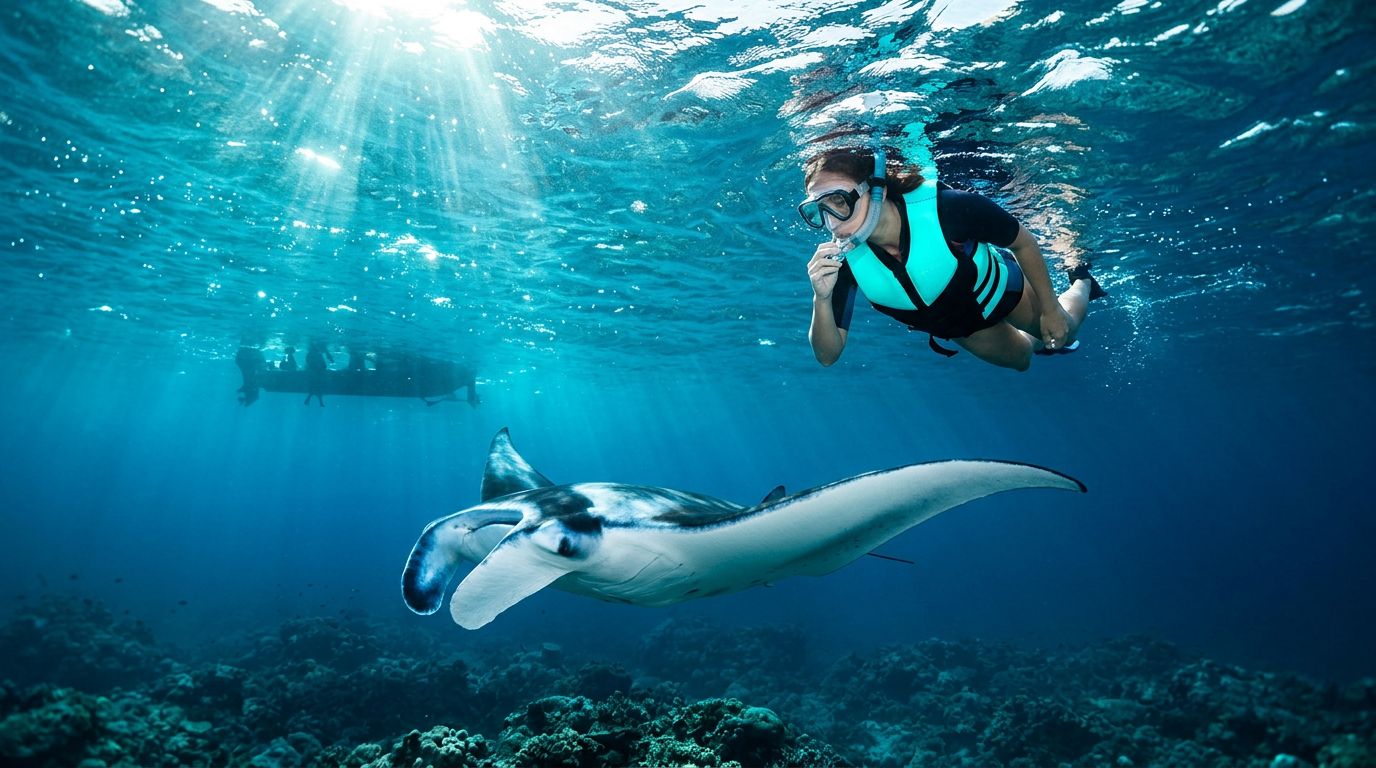
Kona Snorkel Trips is a strong place to start if you’re trying to figure out whether a Kona manta ray snorkel works for you. Many people searching for snorkeling Big Island Hawaii assume they need strong swim skills, but a guided manta trip is usually more about floating, breathing calmly, and staying close to support.
That said, not every non-swimmer should book without checking the details. Your comfort in open water, the crew’s support style, and the gear on board matter more than bravado. The sections below will help you tell the difference.
The short answer for non-swimmers
Yes, many non-swimmers can join a Kona manta ray snorkel, but only if the tour is set up for support and you are honest about your comfort level. The key point is simple: this is usually not a lap swim. You spend most of the time floating, holding on, and watching the mantas from the surface.
That difference matters. People often picture snorkeling as a long swim over reefs, which can sound intimidating if you are not a swimmer. A manta trip is different because the boat crew brings you to the right spot, gives a safety briefing, and keeps you near flotation support while the action happens below you.
If you can stay calm in the water, follow instructions, and breathe through a snorkel or mask without panicking, you may be a better fit than you think. If you know you freeze when your face is in the water, or you cannot relax even with a vest on, then you should be more cautious. In that case, a calmer daytime trip or a private charter may suit you better.
The most important thing is to tell the operator you are a non-swimmer before you book. Good crews can tell you whether their setup fits your needs. Some people need extra reassurance, while others only need a flotation board and a clear briefing.
What makes a manta ray snorkel easier than most people expect
A manta snorkel works better for non-swimmers because the activity is mostly stationary. You are not trying to chase fish through current. You are staying with a float, looking down into the light, and letting the experience come to you.
That setup changes everything. The board is your handrail in the water, and the crew is there to keep the whole thing organized. Instead of thinking about distance, you only need to think about breathing, floating, and listening.
The usual rhythm looks like this:
- You get fitted with mask, snorkel, and flotation support.
- The crew gives you a safety briefing and explains where to hold on.
- You enter the water with help, then stay close to the flotation board.
- You watch the manta rays move through the light below you.
That is why a strong swimmer is not always the best fit, and why a calm floater can do well. The trip feels more like a front-row seat than a workout. The lights bring plankton, the plankton draw the manta rays, and you get to watch a living shadow show beneath you.
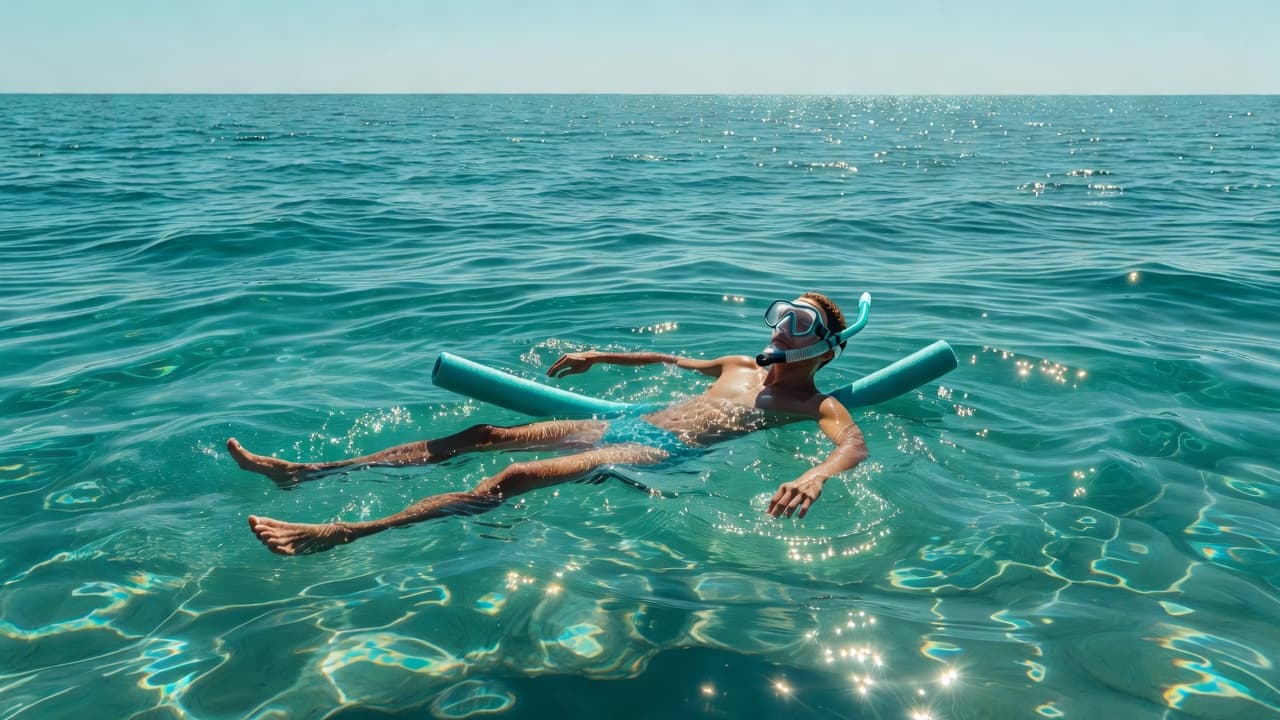
A flotation board or noodle can turn a nervous first-time snorkeler into a much calmer one.
If you want to snorkel Big Island waters for the first time, this kind of setup is usually easier than a free-swimming reef drift. Still, the night setting matters. Dark water can feel strange, and your brain may notice every sound around the boat. That is normal. The right crew helps you stay focused on the board, the light, and the animals below.
How to tell whether you are ready
Readiness has less to do with athletic ability and more to do with your reaction to being in the ocean. You do not need to be fearless. You do need to be able to stay calm, follow directions, and trust the flotation support.
Here is a quick way to judge your fit:
| Your comfort level | What usually works | What to ask before booking |
|---|---|---|
| You can float with a vest and stay relaxed | Often a good fit | Can I stay close to a flotation board the whole time? |
| You get nervous, but you settle down with guidance | Maybe a fit with extra support | How hands-on is your crew in the water? |
| You panic when your face goes in the water | Probably not the right trip yet | Is there a calmer beginner option? |
| You are new to snorkeling, but fine in the ocean | Usually fine | What gear and entry help do you provide? |
If you need to fight the water, the trip is too ambitious right now. If you can float and listen, you may be ready.
The honest answer matters more than the hopeful one. A manta ray snorkel is wonderful when you feel supported, but it gets uncomfortable fast when you are forcing yourself through fear. If you are still unsure, one useful outside perspective is this non-swimmer manta ray snorkel guide, which looks at the same question from another angle.
You can also compare how real guests describe the experience in Kona Snorkel Trips reviews. Reviews help when you want to know whether a crew is patient, clear, and calm with nervous guests.
Questions that matter before you book
A few direct questions can save you from booking the wrong trip. You do not need a long interview, just enough detail to know whether the crew is used to helping beginners.
Ask these before you reserve:
- Will someone help me enter and exit the water?
- Do you provide flotation boards or life vests?
- Can I stay close to the board the whole time?
- What happens if I get anxious once I am in the water?
- Do you have a comfort level requirement for non-swimmers?
If the answers feel vague, keep looking. A good operator should give you clear, specific replies. That matters even more at night, when the setting feels less familiar than a daytime reef snorkel.
If you want to compare more beginner-friendly options on the Kona coast, the guided snorkeling excursions in Kona page is a useful place to start. It helps you see the range of trips available before you decide whether a manta tour is the right first step.
When you are ready to move forward, you can also check availability. That makes sense if you already know you want a manta-focused night trip and just need a date.
How to feel calmer before you get on the boat
A little preparation goes a long way. If you are nervous, the goal is not to become a different person overnight. The goal is to make the water feel familiar before you leave the dock.
Start by telling the crew that you are a non-swimmer. Say it early. Good guides can adjust how they brief you, where they place you, and how closely they stay nearby. You should never feel awkward about saying it out loud.
Next, practice breathing through a snorkel if you can. Even a short session in a pool can help. If you are not near a pool, practice slow breathing at home and focus on keeping your exhale steady. That calm rhythm is useful once you are on the surface.
It also helps to keep the first part of the night simple. Eat lightly, avoid alcohol before the trip, and arrive with enough time to settle in. Rushing onto the boat makes everything feel bigger than it is.
If you are trying snorkeling Big Island style for the first time, the gear itself matters too. A well-fitting mask and a comfortable vest can remove a lot of stress. Small things add up. A leaking mask or loose straps can turn mild nerves into a bad evening.
Finally, do not compare yourself to the most confident person on the boat. Your job is not to impress anyone. Your job is to stay calm enough to enjoy the view below the surface.
Why Kona Snorkel Trips fits this kind of trip
Kona Snorkel Trips is built for guests who want support, not chaos. The company focuses on small groups, clear safety briefings, and gear that helps you stay comfortable in the water. That matters if you are a non-swimmer, because support is the difference between a nervous night and a memorable one.
The crew also keeps the experience practical. You are not left to figure things out on your own, and you are not pushed into the water without a plan. That kind of guidance is useful for first-timers, families, couples, and anyone who wants to snorkel Big Island waters without feeling rushed.
If you want to compare the wider lineup, the Big Island snorkeling tours page shows the different guided options available. That can help you decide whether a manta trip is the best match or whether you would rather start with a different outing first.
If you are comparing manta-specific operators, Manta Ray Night Snorkel is another name you can look at. When you are choosing, pay attention to how each company talks about flotation, guide support, and comfort for beginners. Those details matter more than flashy promises.
Guest feedback also helps. People who have a good experience usually mention patience, clear direction, and a crew that stays calm when the water feels new. That is the kind of support you want when you are nervous about open water at night.
Conclusion
A non-swimmer can often join a Kona manta ray snorkel when the tour uses good flotation, clear instructions, and close crew support. The trip is usually more about floating and watching than swimming hard, so your comfort level matters more than your speed in the water.
If you remember one thing, remember this: honest self-assessment makes the night better. Ask direct questions, choose a crew that supports beginners, and pick the trip that matches your comfort level instead of your wishful thinking.
That way, your first manta night on the Big Island feels steady, not stressful.