
Big Island Manta Ray Night Snorkel for Cruise Guests
Your cruise stop in Kona can put you within reach of a manta ray night snorkel, but only if your ship stays in port late enough. Kona Snorkel Trips departs from Honokohau Harbor, so you need to match the evening tour schedule with tender times and your ship’s all-aboard deadline.
Manta Ray Night Snorkel Hawaii is another manta-focused company you may compare while planning your evening. With the right timing, you can trade a typical shore excursion for a close view of giant rays feeding beneath lights in the Pacific.
Why a manta ray night snorkel fits a Kona cruise stop
A nighttime manta tour works well for cruise guests because the experience usually takes only part of an evening. You don’t need to spend the entire day on a bus or commit to a full-day ocean itinerary. Instead, you can explore Kona during the afternoon, return to the harbor area, then head out after sunset.
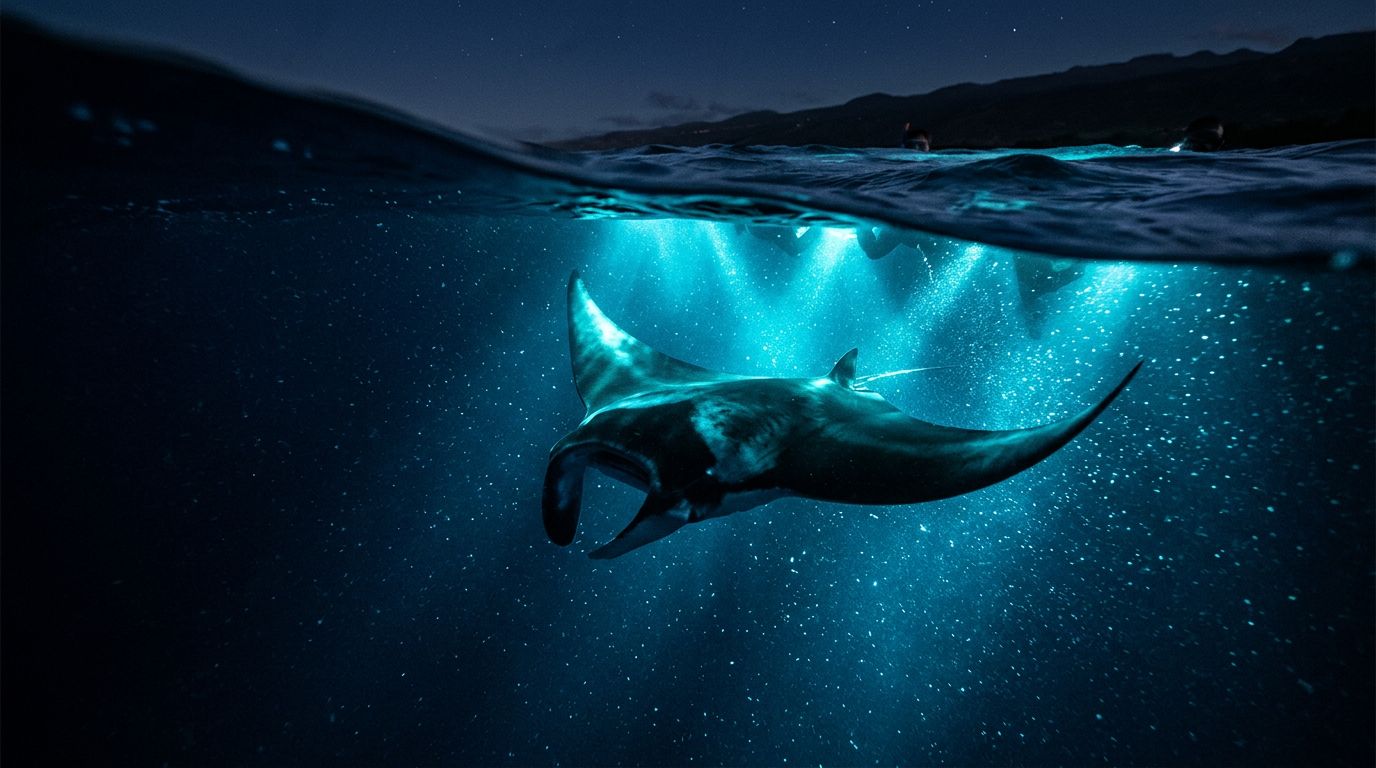
The experience feels completely different from daytime snorkeling. During daylight, you search for colorful reef fish, coral formations, and sea turtles. At night, underwater lights attract plankton near the surface. Manta rays follow that food source and glide through the illuminated water.
Their movements are calm and graceful. A manta may circle below you, turn on its side, or sweep its wide fins through the light. You stay near a floating board while the guides help you maintain a safe viewing position.
The rays are wild animals, so sightings aren’t guaranteed. However, Kona is known for regular manta activity, which is why the area has become a major destination for nighttime wildlife encounters. The best operators focus on responsible viewing rather than promising a scripted show.
You should also consider your energy level. A cruise day can include walking, shopping, tendering, and other excursions. A two-hour evening tour gives you a focused ocean experience without using every hour of your port call.
The most important cruise question isn’t whether you want to see manta rays. It’s whether your ship remains in Kona long enough for a nighttime return.
The tour suits couples who want a memorable evening, families with confident swimmers, and solo travelers who prefer a guided experience. If you want to snorkel Big Island waters without spending the whole day at sea, this is one of the island’s most distinctive choices.
Cruise port timing and transportation in Kona
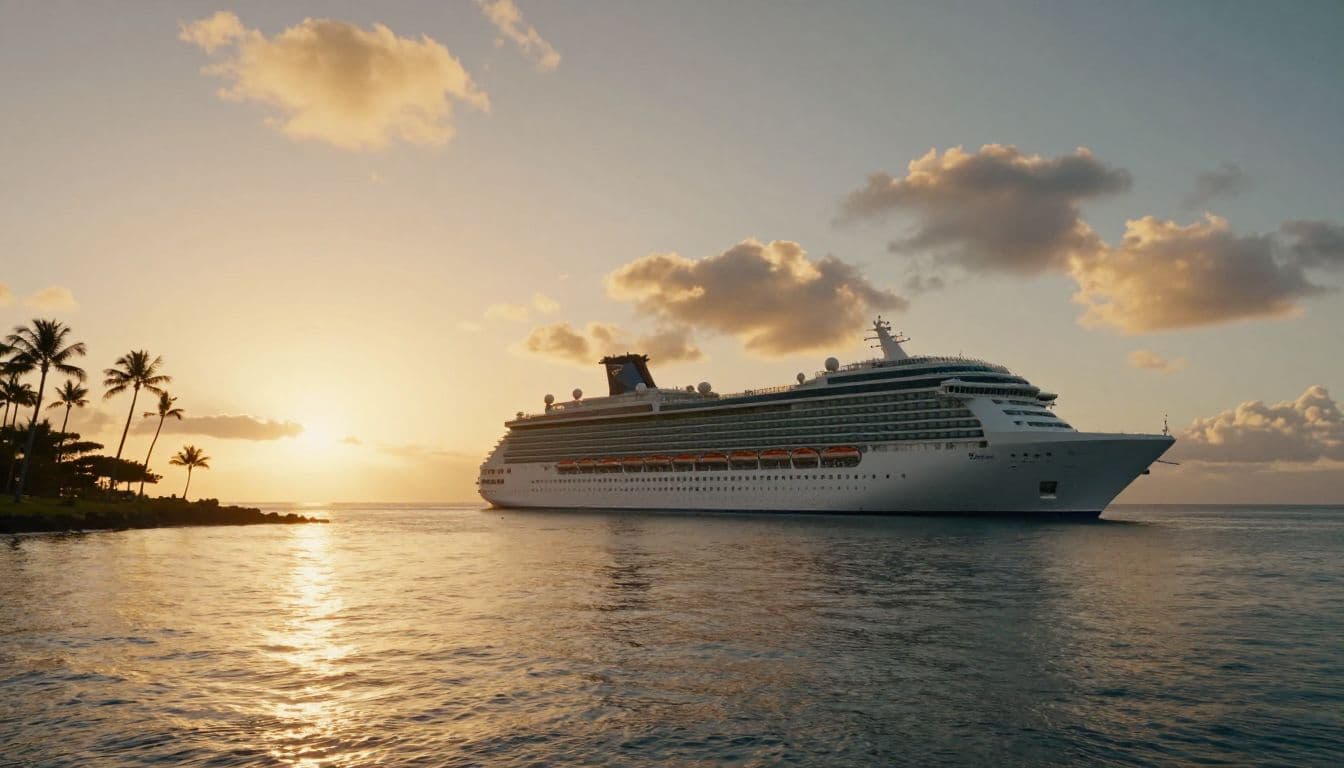
Timing determines whether the tour is practical. Start with your cruise itinerary, not the tour calendar. Look at the ship’s scheduled arrival, departure, and all-aboard times. Then check whether the ship stays overnight or leaves late enough for a night excursion.
When your ship uses tenders, add extra time for getting ashore and returning to the vessel. Tender lines can move quickly, but delays happen when many passengers leave at once or when ocean conditions affect operations. You shouldn’t book a tour that ends close to your ship’s departure.
Kona Snorkel Trips lists Honokohau Harbor as the departure location for its manta experience. The harbor is north of the main Kailua-Kona pier, so you’ll need transportation between the tender landing area and the meeting point. A taxi or rideshare may be available, but confirm your return plan before leaving the ship.
Don’t assume that a tour operator can wait for late passengers. Independent shore excursions don’t carry the same ship-return protection as a cruise line excursion. If your ship changes its arrival time, contact the operator as soon as possible.
Cruise guests often ask whether a night excursion fits their port call. A public cruise guest discussion shows why the answer depends on each ship’s schedule, rather than the destination alone.
Before booking, confirm these details:
- Your ship remains in Kona after the tour finishes.
- You can reach Honokohau Harbor at the required meeting time.
- You have a reliable ride back to the tender pier.
- Your ship’s final tender or all-aboard time leaves a wide buffer.
- The operator’s cancellation policy covers weather or port changes.
If your itinerary shows a 6:00 p.m. departure, a night snorkel probably won’t fit. If the ship stays overnight, your options are much easier. A late departure may work, but only after you account for the tour duration, transportation, tender queues, and unexpected delays.
Give yourself more time than the minimum. Returning to the ship early is far less stressful than watching the final tender pull away while you’re still on shore.
What happens during the Big Island manta ray night snorkel
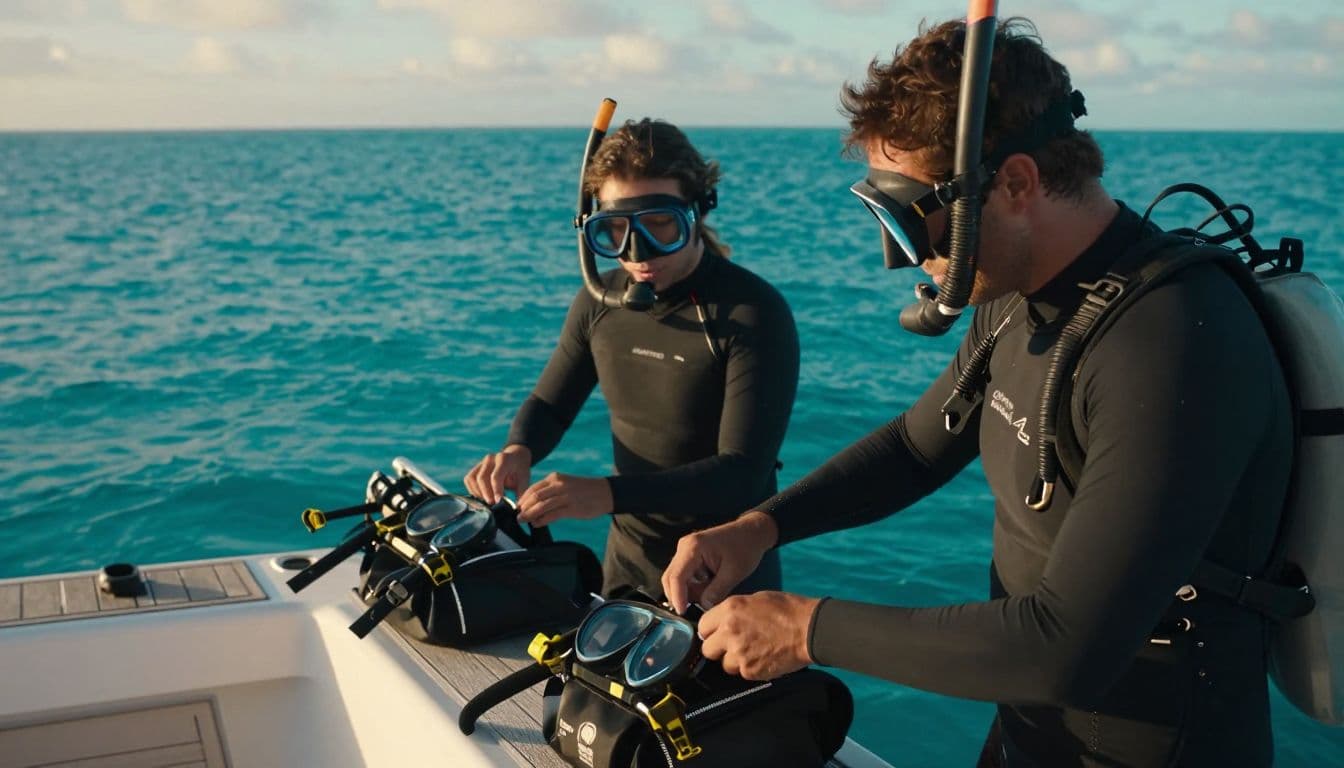
Most manta tours begin with a safety briefing and gear fitting. You may use a mask, snorkel, fins, and other equipment supplied by the operator. Guides explain how to enter the water, where to hold onto the light board, and how to respond if you feel uncomfortable.
The boat then travels to a known manta viewing area. Kona operators may visit Garden Eel Cove or waters near the Keauhou area, depending on conditions and operational decisions. The exact site can change because the crew must consider weather, visibility, ocean movement, and current manta activity.
Once the board lights are in position, plankton gathers in the illuminated water. Manta rays move beneath the board and feed by filtering tiny organisms through their mouths. You may see one ray make repeated passes, or several animals share the area.
The board gives you a stable place to rest your hands while you look down. Still, you need to be comfortable swimming. Kona Snorkel Trips’ published information says guests should be able to swim at least 50 yards. The light board isn’t a substitute for basic swimming ability.
You won’t touch or chase the rays. Their bodies may pass close to you, but the safest viewing position comes from staying calm and letting them choose their path. A manta can change direction without warning when it feeds.
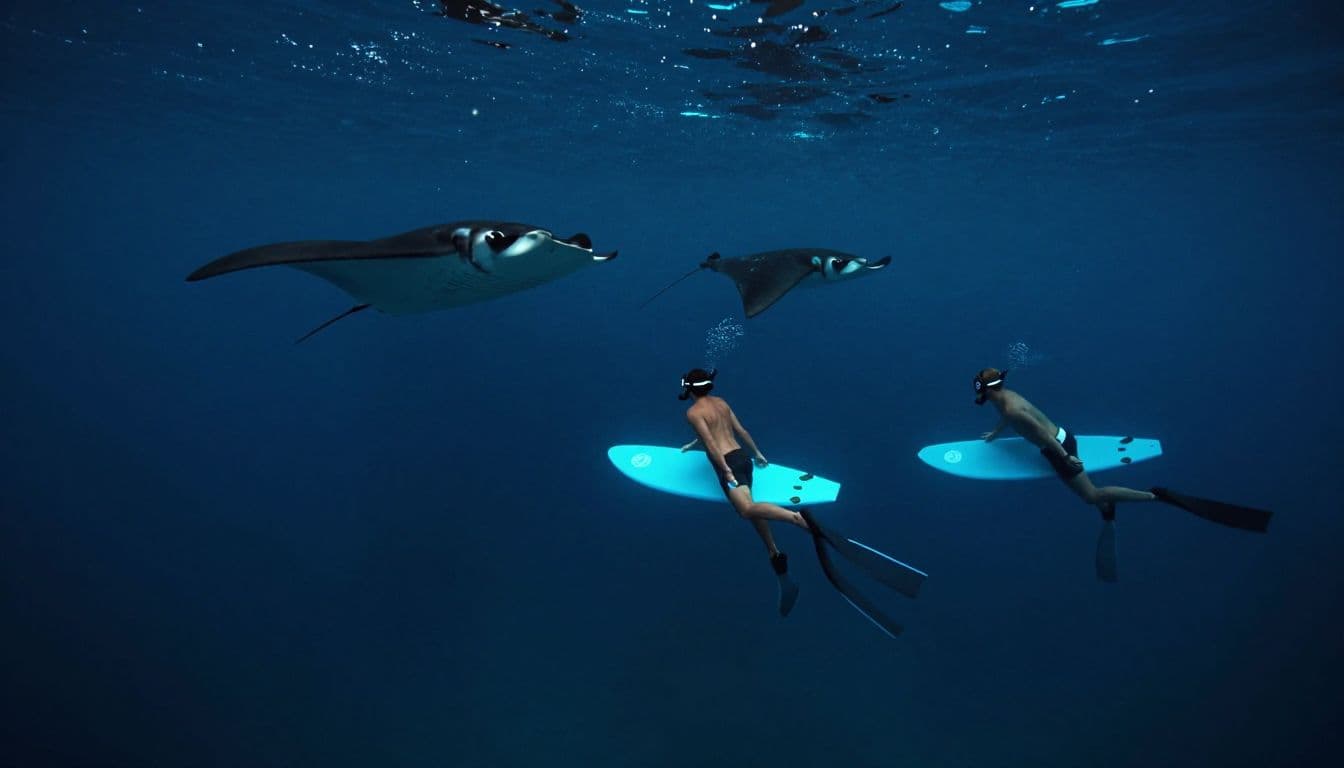
The darkness adds intensity to the encounter. You see the lit water, the outline of each ray, and the movement of fins below you. Then a manta may rise into view, close enough for you to notice the texture along its wings and the pale markings on its belly.
You should expect a wildlife experience, not a performance. Some nights bring long, close encounters. Other nights may produce fewer visits because animals follow natural feeding patterns. A trustworthy guide will explain that difference clearly.
Kona Snorkel Trips describes manta rays in the area as gentle giants that can weigh roughly 900 to 1,500 pounds. Their size is impressive, but their behavior around snorkelers is usually slow and controlled. Your guide’s instructions help keep the animals and guests comfortable.
You can read the details for the manta ray snorkel Kona tour before you choose a date. Check the stated departure point, duration, swimming requirements, seasonal combination options, and policies that apply to your sailing.
How to choose a manta tour as a cruise passenger
A cruise-friendly tour needs more than a convenient booking time. You should evaluate the operator, departure harbor, group size, safety standards, equipment, and communication process.
Kona Snorkel Trips follows a “Reef to Rays” philosophy and focuses on guided ocean adventures with a small-group atmosphere. Its Lifeguard Certified guides lead guests through the water, explain marine life behavior, and provide safety direction throughout the trip.
The company also emphasizes high-quality snorkeling gear and custom-built lighted boards for nighttime encounters. That equipment matters because you spend much of the experience looking down into dark water. A bright, stable light source makes it easier to see the animals without crowding them.
Ask how many guests the boat carries. A smaller group can make instructions easier to hear and reduce crowding around the viewing board. It also gives you more space to ask questions and tell the guide if you need help.
Find out exactly what’s included. Many operators provide masks, snorkels, fins, and flotation equipment, but policies vary. Ask whether wetsuits, prescription masks, transportation, snacks, and drinks cost extra.
You should also ask about swimming requirements before you pay. Nighttime water can feel more demanding than a calm daytime swim because you have fewer visual reference points. If you don’t swim comfortably for a sustained period, discuss safer alternatives with the operator.
Kona Snorkel Trips has built its reputation around guest service, safety, and reef education. Its guides also teach reef-safe practices, which helps you enjoy the encounter without treating the animals or their habitat as a photo set.
“`
When comparing options, a polished website matters less than clear answers. The operator should tell you where to meet, how long the tour lasts, what happens if the port changes, and what swimming ability you need.
What to pack for an evening manta encounter
You won’t need a large suitcase for a night snorkel, but a few practical items make the trip easier. Pack light because you may travel by taxi or rideshare after spending the day walking around Kona.
Bring a swimsuit, a dry change of clothes, a towel, and a light layer for the boat ride back. Even in Hawaii, evening wind can feel cool when you’re wet. A waterproof phone pouch can protect your phone during transportation, although you should follow the crew’s instructions before taking it near the water.
Reef-safe mineral sunscreen is a smart choice for daytime activities. Apply it well before entering the ocean and follow local guidance about products that may harm marine life. You should also bring sunglasses and a hat if you’ll spend the afternoon outside.
If you get seasick, speak with a medical professional before your trip about suitable medication. Take it according to the product directions and give it enough time to work before boarding. Avoid arriving dehydrated after a hot day ashore.
Your packing list can stay simple:
- Wear swimwear under comfortable clothes if you’re traveling directly from the ship.
- Carry a dry shirt or cover-up for the ride back.
- Bring any approved medication you may need during the evening.
- Use a reusable water bottle if the operator permits it.
- Leave expensive jewelry and loose accessories on the ship.
- Bring a small bag that closes securely.
Ask about cameras before the tour begins. Flash photography can distract you and may interfere with other guests’ viewing. The best photographs often come from staying still, holding your position, and allowing the guide to direct the group.
Children need special consideration. A young swimmer may be comfortable in a hotel pool but less prepared for open ocean conditions after dark. Review age limits, swimming requirements, flotation policies, and supervision rules before including children in the booking.
Your group should also plan for the transition back to the ship. Keep dry clothes easy to reach, save the operator’s phone number, and confirm the pickup location before you leave the vessel.
Safety and responsible manta ray viewing
The guides control the viewing area, but your behavior still matters. Listen to the briefing, keep your hands on the board when instructed, and stay within the marked group. If you need to leave the water, tell a guide instead of swimming away alone.
Never touch, feed, chase, or ride a manta ray. Contact can remove the protective coating on its skin and cause stress. You may feel tempted to reach out when a ray passes overhead, but keeping your hands to yourself protects the animal and preserves the encounter for everyone.
Avoid standing on coral or resting fins against the reef. Coral can break easily, and even a small contact can damage a living colony. Use reef-safe practices throughout your trip, including during daytime stops.
Don’t shine a personal light directly into a ray’s eyes. Follow the crew’s instructions about phones, cameras, and lights. The operator’s equipment is positioned to attract plankton while keeping the viewing area controlled.
Sea conditions can change after you board. If the water becomes rough, the guide may shorten the time in the water or cancel the activity. That decision protects guests and crew. A refund or rescheduling policy is useful, but no booking is more important than a safe return.
You should tell the crew about medical conditions, recent injuries, panic around open water, or medication that could affect your ability to swim. Clear information lets the guides make better decisions before you enter the ocean.
Above all, treat the manta site as a living habitat. Keep your distance, reduce noise, and let the animals determine where they swim. Responsible conduct gives you a better chance of seeing natural behavior.
Can you combine the snorkel with other Kona activities?
You can add daytime activities if your ship’s schedule allows it, but avoid packing the day so tightly that one delay ruins the evening. Kona has beaches, food, shopping, cultural sites, and daytime reef tours. Choose one or two activities that leave enough time for rest and transportation.
Many travelers start with a daytime reef excursion, then return to the ship or hotel before the manta tour. Daylight snorkeling gives you a chance to see reef fish and volcanic coastline in a different setting. If you searched for snorkeling Big Island Hawaii, compare trip duration and departure locations before choosing a second water activity.
Kealakekua Bay and the Captain Cook Monument are popular daytime destinations, but they may require a longer boat outing. A full-day trip followed by a nighttime snorkel can be tiring, especially for children or anyone prone to seasickness. Check the timing carefully before combining both.
You can review Big Island snorkeling tours to compare daytime and nighttime options in one place. A private charter may also offer more control over departure timing, though availability, price, and swimming requirements vary.
If your cruise ship remains overnight, you have more flexibility. You can take a daytime reef trip, enjoy dinner in Kona, and then meet the evening boat without racing back to the pier. A late-departure ship gives you some flexibility, but you still need a firm return plan.
The simplest schedule often works best:
- Spend the morning exploring near the pier.
- Leave several hours for lunch, transportation, and unexpected delays.
- Arrive at Honokohau Harbor early for the manta briefing.
- Return to the ship with a generous buffer after the tour.
That plan protects the main experience. You won’t spend the afternoon watching the clock, and you won’t need to choose between enjoying Kona and making the boat.
Booking steps for a cruise ship guest
Book only after checking your ship’s port schedule. A tour date that looks available online may still be unsuitable if your vessel leaves before the return time.
Use these steps before confirming:
- Check the ship’s arrival, departure, all-aboard, and final tender times.
- Confirm whether the vessel stays overnight or departs late.
- Review the meeting location at Honokohau Harbor.
- Ask how long transportation takes from the tender pier.
- Read the swimming and age requirements.
- Confirm the weather, cancellation, and port-change policies.
- Give the operator your ship name and port-call date.
- Keep contact information available on the day of the tour.
Reserve early when your itinerary supports the activity. Manta tours have limited boat capacity, and cruise guests often share the same available dates. Early booking also gives you time to ask about gear, transportation, and alternate plans.
Kona Snorkel Trips offers a small-group manta experience with Lifeguard Certified guides, quality equipment, and custom light boards. You can check availability for a date that matches your ship’s schedule.
“`
If the manta tour sells out, don’t substitute a rushed daytime trip without checking the timing. You can ask about another date, a private option, or a different evening departure if the operator offers one.
Cruise passengers should also verify how they will return to the vessel. Keep the receipt, meeting instructions, and phone number saved offline. Wi-Fi and cellular service can be inconsistent near the harbor, so download anything you’ll need before leaving the ship.
When you arrive, tell the guide that you’re sailing on a cruise. The crew can repeat the expected end time and help you understand the return logistics. You still control your transportation, but clear communication reduces confusion.
A manta ray night snorkel can become the highlight of a Hawaii cruise, but the timing needs to be realistic. Match the excursion to your ship instead of trying to force the ship’s schedule around the excursion.
Make the evening count
A Kona cruise stop gives you a short window, so the right manta tour depends on timing, swimming comfort, transportation, and responsible wildlife practices. Check your ship’s late-night schedule first, then choose a guided experience that gives you a safe, clear view of the rays.
With enough time, you can spend the afternoon enjoying Kailua-Kona and finish the day above manta rays feeding beneath the boat’s lights. That contrast is what makes a manta ray night snorkel so memorable: the shoreline fades into darkness, and the ocean becomes the entire view.