
Snorkeling Big Island Hawaii: Why Reef Fish Swim in Schools
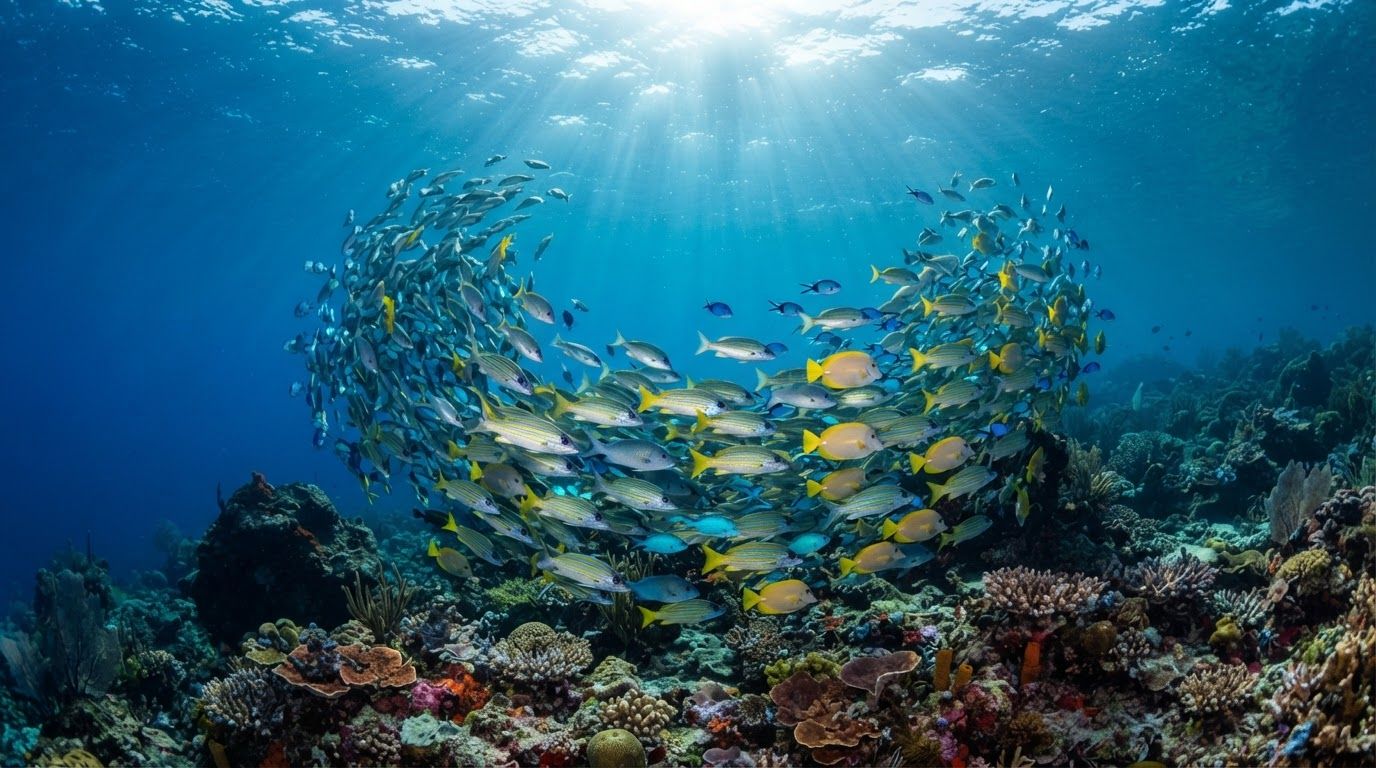
One sharp turn can make a hundred fish move as if they share one mind. When you’re snorkeling Big Island waters, that sweep of silver, yellow, and blue is more than a beautiful sight. Reef fish school because group living helps them find food, detect predators, and swim with less effort.
Kona Snorkel Trips builds guided ocean adventures around this kind of natural behavior. If you want to snorkel Big Island reefs with knowledgeable guides, calm instruction, and respect for marine life, understanding the fish makes every moment in the water more rewarding.
What a Fish “School” Actually Means
Schooling versus shoaling
Marine biologists use the words shoaling and schooling to describe different types of group behavior.
A shoal is any group of fish that stays together. The fish may move in different directions, pause to feed, or spread across a reef. A school is more coordinated. Members swim in a similar direction, match their speed, and react quickly to nearby fish.
That difference explains why a loose group can suddenly become a perfectly shaped ribbon. The fish aren’t following one leader. Each fish responds to the movements of its closest neighbors.
This local response travels across the group in seconds. One fish turns, the next fish turns, and a wave of motion moves through the school. From above, the entire group appears to act as one animal.
How fish coordinate so quickly
Fish rely on vision and their lateral line system to read movement around them. The lateral line detects changes in water pressure, including the wake created by a nearby fish.
Distance matters. Fish usually maintain enough space to avoid collisions while staying close enough to respond to movement. The result is a flexible formation that expands while feeding and tightens when danger appears.
A fish school has no captain. Its order comes from hundreds of small decisions made at close range.
Why Reef Fish Swim in Schools
Safety improves with numbers
Predator protection is the main reason many fish gather. A single fish has fewer eyes watching for danger. In a school, many individuals scan the surrounding water at the same time.
A predator also has a harder time selecting one target from a fast-moving group. The school may split, compress, or change direction before the predator can strike. This effect is sometimes called the confusion effect, because a mass of similar fish makes individual movement harder to track.
Numbers also provide a dilution benefit. If a predator attacks a group, each fish has a lower chance of becoming the target than it would have alone. The risk doesn’t disappear, but the odds improve.
Fish don’t need to communicate with sounds or commands. Their close spacing and fast reactions create protection through shared awareness.
Swimming together can save energy
Water creates drag, so every fish spends energy moving forward. A fish swimming behind or beside another may benefit from the water flow created by its neighbors.
A 2014 study found that fish in schools used less energy than fish swimming alone, regardless of their position within the group. You can read the findings in this study on energy-saving fish schools.
A separate 2024 experiment found that schooling fish used 53 percent less energy than solitary fish under the tested conditions. That result doesn’t mean every reef school saves the same amount, but it shows how coordinated movement can reduce the cost of swimming.
The formation also helps fish travel farther while spending less energy. That matters for species that move between feeding areas, shelter, and spawning sites.
Groups make feeding more efficient
Schooling fish can cover more reef area while searching for algae, plankton, or small invertebrates. One fish may disturb food that another fish can eat.
Groups also help fish locate productive feeding areas. If one individual finds a rich patch, nearby fish can follow its movement. The school spreads out when food is available, then regroups as it moves along the reef.
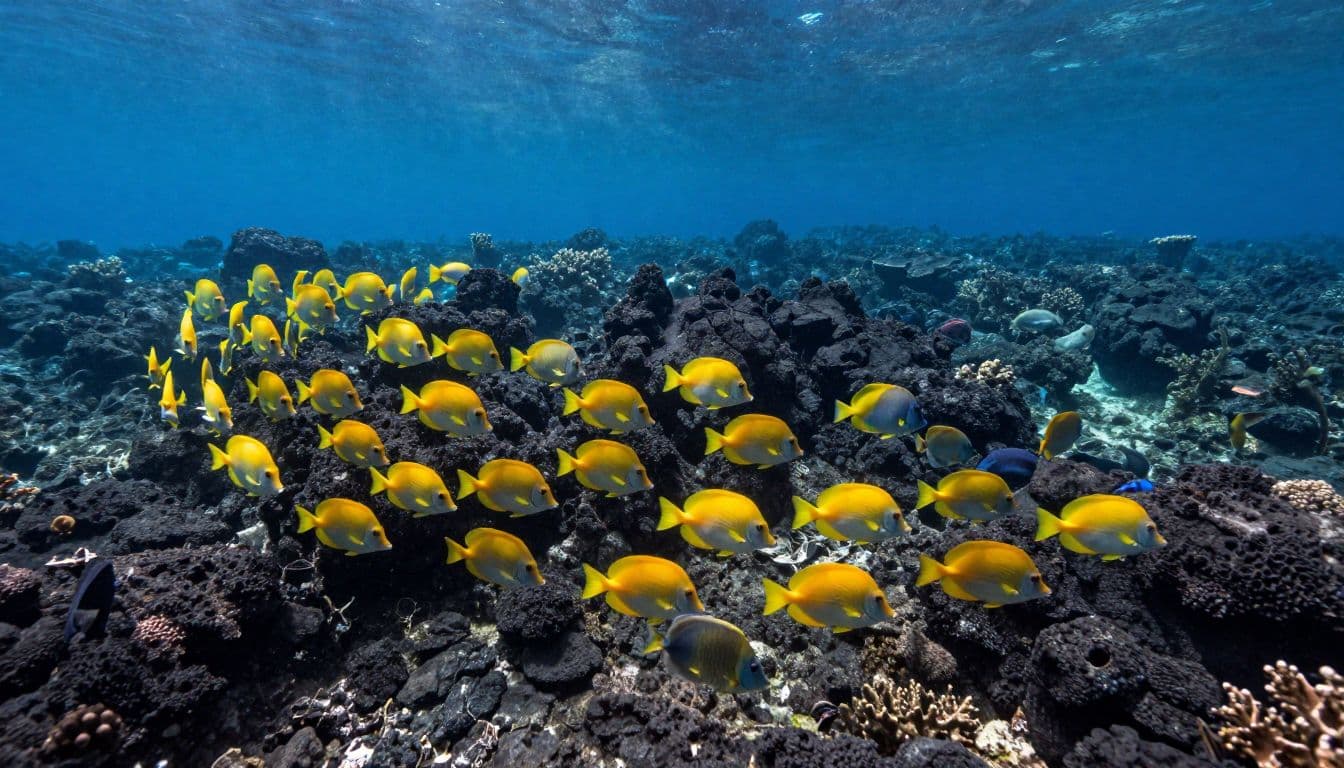
Convict tangs and other herbivores often show this behavior while grazing. They may travel in a loose group, pause to feed, and then move together to another section of rock.
The Reef Fish You May See Around Kona
Grazers often move in groups
Kona’s shallow reefs support several herbivorous fish that spend much of their day feeding on algae. Yellow tangs, known in Hawaii as lauipala, are among the most recognizable. Their bright yellow bodies stand out against dark lava rock.
Convict tangs, or manini, often create the classic schooling scene. Their narrow bodies and vertical stripes produce a strong visual effect when dozens move together across a reef.
These fish help shape reef habitat by grazing algae from rocks. Their feeding keeps open surfaces available for coral growth and for other organisms that need space.
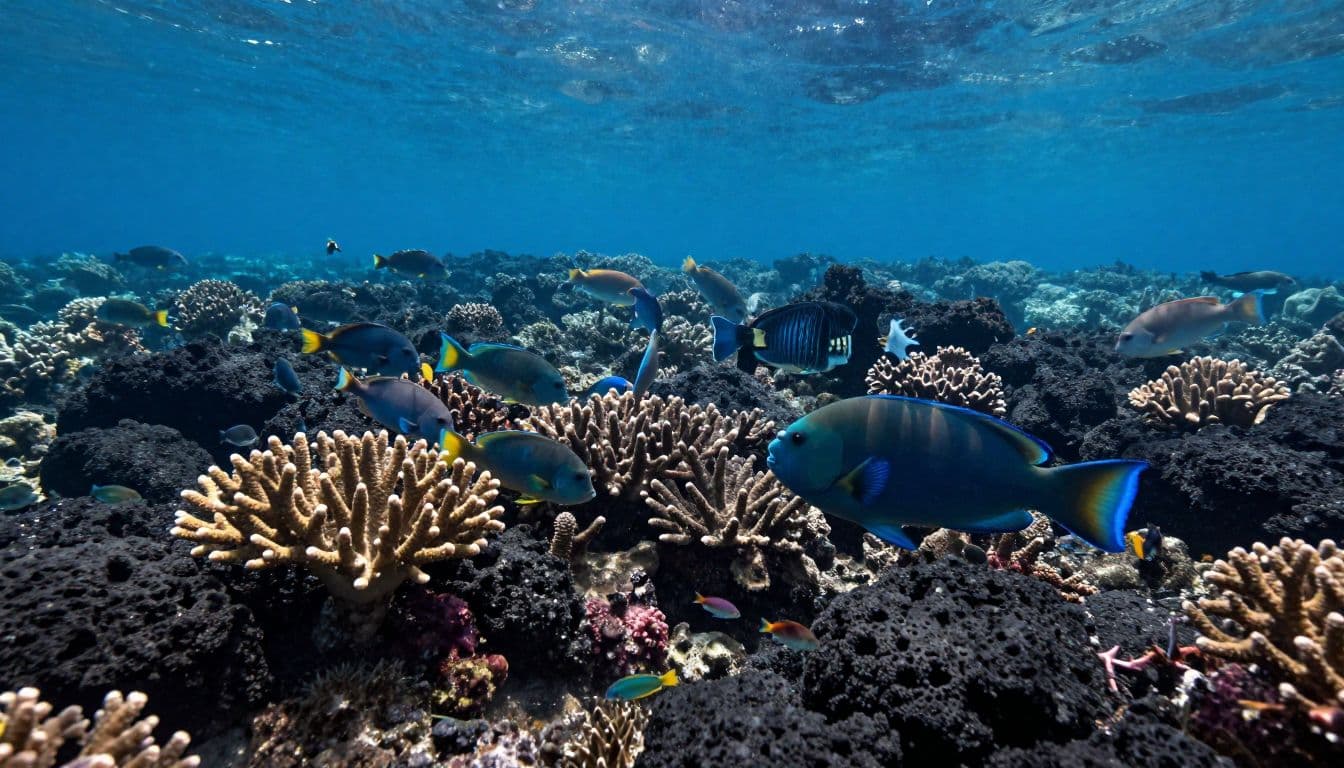
Parrotfish, called uhu, also graze on reef surfaces. You may see them moving alone, in pairs, or in loose groups. Their larger size and beak-like teeth make their feeding style easy to recognize.
Not every colorful fish schools
Some reef fish prefer pairs, small groups, or solitary territories. Butterflyfish often swim as pairs, especially when they defend a feeding area. Moorish idols may appear alone or with one companion.
Wrasse show several patterns. A saddle wrasse may move quickly over the reef, while other wrasse species remain close to holes and coral formations. Their sudden dashes can look like schooling for a moment, even when the group breaks apart seconds later.
Fish behavior also changes with age, time of day, food availability, and nearby predators. A species that usually stays near the reef may enter open water when conditions are safe.
Snorkeling Big Island: Where Fish Schools Gather
Kahaluu offers accessible reef viewing
Kahaluu Beach Park is one of the most familiar snorkeling areas near Kailua-Kona. When the water is calm, you can often see yellow tangs, convict tangs, parrotfish, butterflyfish, Moorish idols, and wrasse around the shallow reef.
The fish usually gather where lava rock creates feeding surfaces and shelter. Look for schools crossing open water near the reef edge. Then watch the rocks for smaller fish that stay close to holes and coral heads.
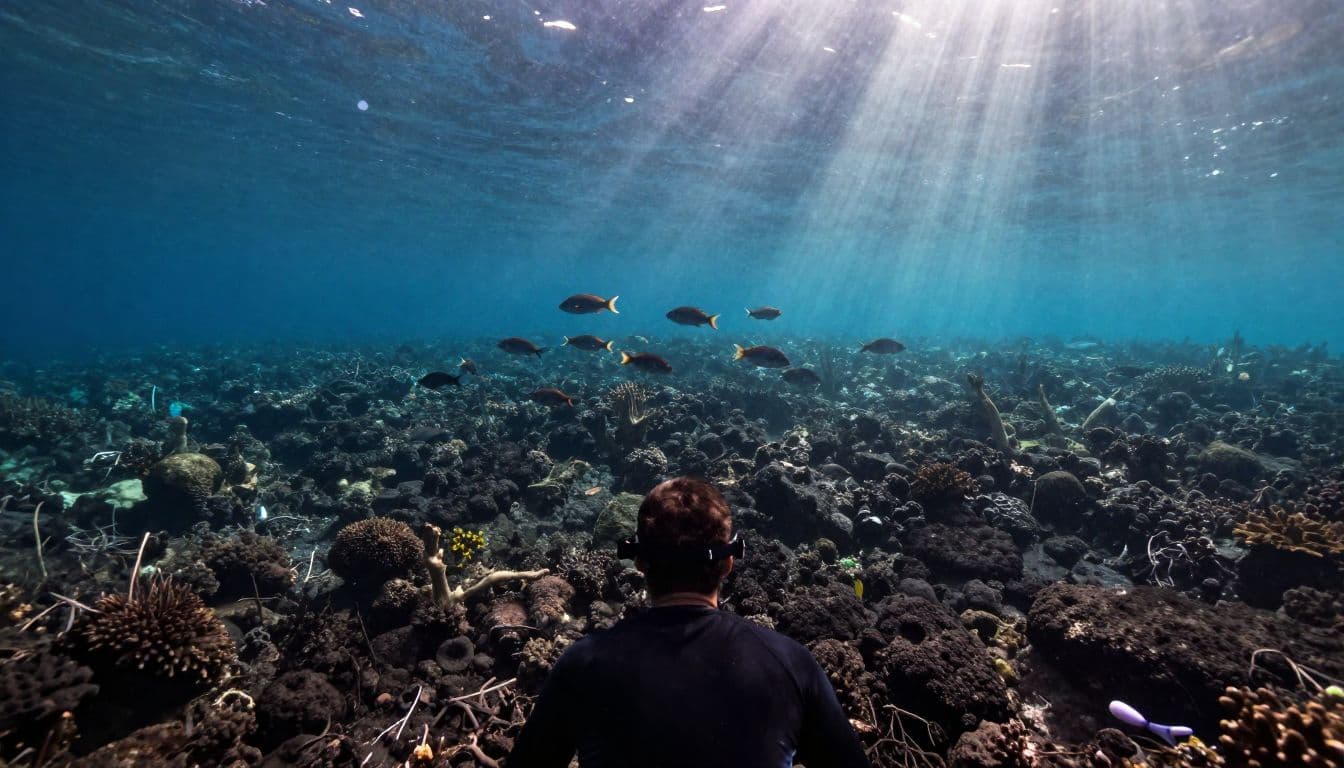
You don’t need to chase a school to get a good view. Find a comfortable position, keep your fins away from the bottom, and let the fish pass through your field of vision.
Early visits often provide softer light and less surface glare. Conditions still change by day, so check the ocean before entering.
Kealakekua Bay protects important reef habitat
Kealakekua Bay, home to the Captain Cook Monument, is a protected Marine Life Conservation District. Snorkeling and swimming are allowed in the water, but the area has strict rules against feeding fish, touching coral, taking marine life, and removing rocks or sand.
Vessel access has separate requirements. State Parks currently requires permits for vessels transiting the bay, and boats must follow anchoring rules that protect coral. You should verify current conditions and access requirements before arriving by kayak, paddlecraft, or boat.
The protected setting can produce excellent wildlife viewing because the reef remains a functioning habitat. Fish still respond to food, shelter, and predators, so sightings vary. A school may fill the water one day and stay closer to the reef the next.
For a guided visit, you can learn about the area through a Kealakekua Bay snorkel tour. Travelers comparing dedicated operators can also review Captain Cook Snorkeling Tours.
How Ocean Conditions Change the Scene
Summer usually brings easier conditions
Hawaii’s summer season runs from May through October. Ocean conditions are often calmer during this period, although south swells and local wind can still affect visibility.
Winter runs from November through April. Larger surf affects many beaches across the islands during this season, especially along north- and west-facing shores. Kona’s coast has many protected locations, but you should never assume the water is safe because the beach looks calm.
Hurricane season runs from June 1 through November 30. Storms can create strong currents, poor visibility, and unsafe boat conditions even when a storm doesn’t pass directly over the island.
Check a current marine forecast, ask local lifeguards or guides, and respect posted closures. A school is easier to observe when you aren’t fighting waves or rushing to stay in position.
Sun, wind, and visibility affect what you see
A low sun angle can create glare across the surface. Cloud cover may reduce glare but also soften the light that reveals fish colors.
Wind can push surface chop across shallow reefs. That movement makes it harder to keep your mask clear and may cause sand or sediment to reduce visibility.
Your best viewing position is usually slightly above the reef, where you can see both the fish and their habitat. If you stay directly over the coral, you may block light or make fish retreat. Move to the side and let the reef’s natural traffic pass in front of you.
How to Watch a School Without Disturbing It
Keep your body calm
Fish react to sudden movement. Fast kicking, diving directly toward a school, or waving your arms can scatter the group.
Use slow fin strokes and keep your body level. Let your mask do the work while your breathing settles. Once the fish stop treating you as a moving threat, they may continue feeding nearby.
Avoid touching the bottom with your hands or fins. Coral can break under surprisingly little pressure, and even a small contact can damage living tissue.
If you need to change direction, turn gradually. A slow arc lets the fish adjust without triggering a sudden escape response.
Give the reef enough room
Never feed fish. Feeding changes their natural behavior and is prohibited in Kealakekua Bay’s Marine Life Conservation District.
Keep your distance from turtles, dolphins, rays, and other wildlife. Don’t block a fish’s route into a crevice or follow one into shelter. A good observation ends when the animal changes its behavior because of your presence.
Wear a rash guard when possible. It protects your skin, reduces the need for sunscreen, and helps you stay comfortable during longer sessions. Keep all gear secure so loose straps don’t drag across coral.
NOAA’s coral reef teams continue to monitor Hawaiian reef fish and habitat. The 2024 Hawaii coral reef assessment included hundreds of reef fish surveys and observations across the archipelago.
Choosing a Fish-Focused Kona Snorkel Tour
Why a small-group guide helps
Kona Snorkel Trips follows a “Reef to Rays” philosophy built around marine education, guest safety, and responsible ocean recreation. Its Lifeguard Certified guides help you understand what you’re seeing instead of pointing out fish names without context.
The company focuses on small-group trips rather than crowded, impersonal outings. Guides can explain why a school changes direction, identify common Hawaiian reef fish, and help you adjust your position without disturbing the habitat.
Guests receive quality snorkeling equipment, and nighttime manta excursions use custom-built lighted boards. The same care applies to reef trips, where instruction and reef-safe behavior remain part of the experience.
You can browse the company’s Big Island snorkeling tours to compare available experiences.
If you want a guided reef outing near Kailua-Kona, you can check availability before choosing your date.
Match the trip to your group
A Captain Cook trip to Kealakekua Bay fits travelers who want reef habitat, coastal history, and the possibility of seeing larger fish schools in clear water. The bay’s protected status also makes reef etiquette especially important.
A manta ray night snorkel offers a different wildlife experience. Manta rays aren’t reef fish schools, but they gather where plankton concentrates near underwater lights. You can review the Kona manta ray night snorkel if you want to add an evening ocean adventure.
Families and couples who want control over the schedule may prefer a private Kona boat charter. You can spend more time at a favorite reef, search for wildlife at a comfortable pace, or balance snorkeling with a relaxed coastal cruise.
During the humpback season, you can also pair ocean time with a Kona whale watching tour. Check current availability for a whale watching trip before planning your day.
How to Make the Most of Snorkeling Big Island Reefs
Prepare your gear before entering
A leaking mask can ruin your attention before you notice the first school. Adjust the strap on land, check the seal, and use a small amount of defogging solution before you enter the water.
Your fins should fit securely without pinching. Loose fins make you kick harder, while tight fins distract you from the reef.
If you use flotation, choose equipment that keeps you comfortable without forcing you onto the coral. A properly fitted flotation vest can help new swimmers relax and observe more calmly.
Keep your phone, camera, and other equipment attached securely. A dropped item can damage the reef when you retrieve it, and chasing a school while filming usually produces shaky footage.
Watch the habitat before the fish
Fish behavior makes more sense when you notice the reef around them. A school crossing open water may be moving toward a feeding surface. Smaller fish near a crevice may be using the rock as shelter.
Look for transitions between habitats. Schools often gather where a sandy patch meets lava rock, where coral rises from the bottom, or where a reef edge drops into deeper water.
Watch for changes in the group. A relaxed school spreads out and feeds. A threatened school tightens, turns sharply, or disappears toward cover. Those reactions tell you when to stop moving closer.
A morning spent snorkeling Big Island reefs becomes more memorable when you focus on these patterns instead of counting how many species you can photograph.
What the Schooling Behavior Tells You
A healthy reef has layers of activity
A reef isn’t a single flat surface. It has open water above it, coral branches, lava cracks, sandy areas, and protected ledges. Different fish use each layer.
Large schools may travel above the reef while territorial fish remain near feeding spots. Tiny fish gather close to coral branches and crevices. Grazers move across exposed rock, then retreat when a predator approaches.
That variety gives you more to observe than a single bright species. The reef’s structure helps explain why some fish move constantly while others barely leave a small area.
The best encounters happen on the fish’s terms
You can’t force a school to form. Boat noise, strong current, poor visibility, or an approaching predator can change the scene within seconds.
Your role is to become a quiet observer. Stay with your guide or buddy, keep a safe distance, and allow the fish to choose the encounter.
This approach also protects the quality of your photos. When fish behave naturally, their movements look more fluid, and you capture the reef as a living place rather than a backdrop.
Leave With the Pattern, Not a Souvenir
Reef fish school for practical reasons. Together, they can detect danger sooner, make feeding more effective, and reduce the energy required to move through the water.
When you’re snorkeling Big Island Hawaii reefs, slow down enough to see those decisions happening. Respect protected areas, avoid contact, and let the fish keep their distance. The most lasting memory is often the moment an entire school turns beside you, then continues on its way.