
Kealakekua Bay Snorkeling: Cleaner Shrimp at Reef Stations
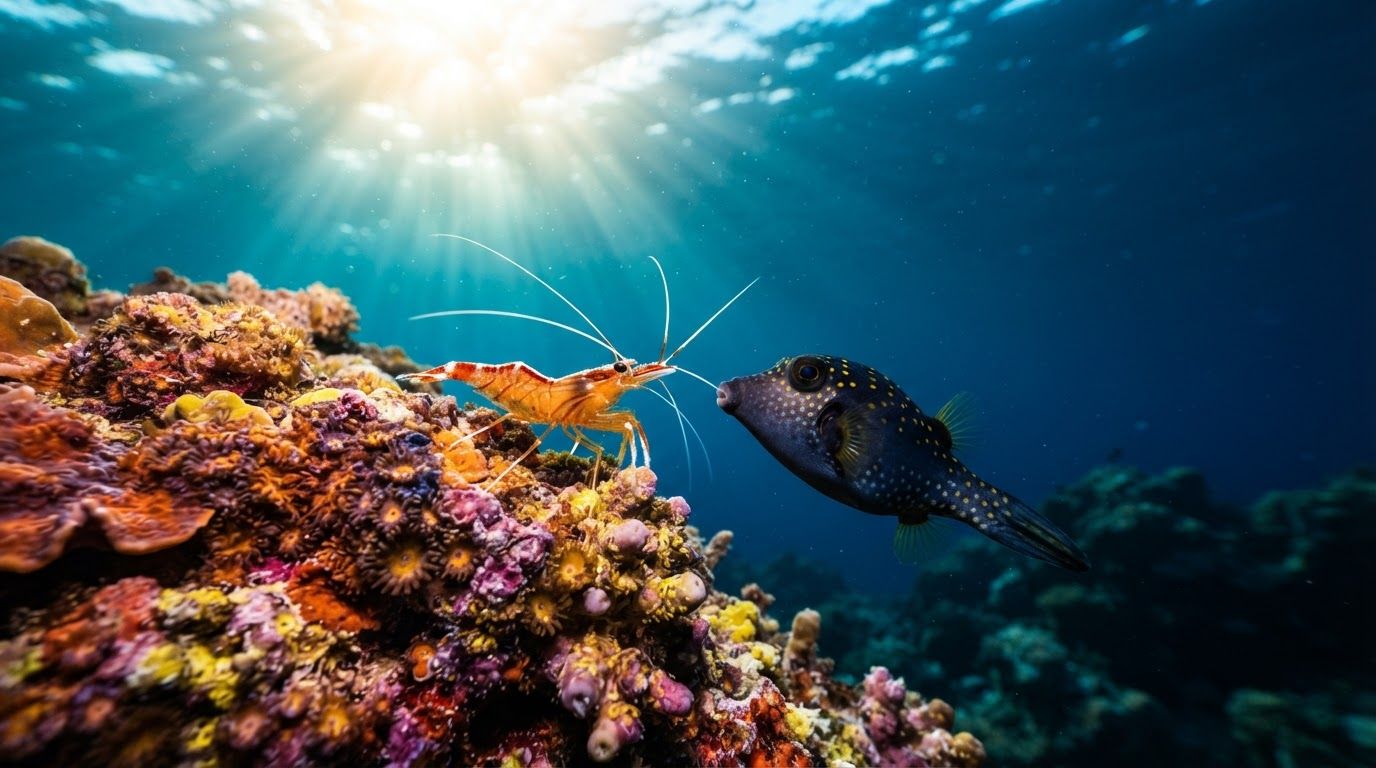
One of the smallest animals you may see during Kealakekua Bay snorkeling can run one of the reef’s most interesting services.
If you searched for “snorkeling Big Island Hawaii” or “snorkeling Big Island,” you may picture colorful fish, lava cliffs, and clear blue water. To snorkel Big Island reefs well, you also need to slow down enough to notice tiny interactions, including cleaner shrimp working at reef stations.
These shrimp remove unwanted material from visiting fish while receiving an easy meal. Once you know what to watch for, a quiet patch of coral can become one of the most memorable parts of your trip.
Why Kealakekua Bay snorkeling rewards slow observation
Kealakekua Bay offers more than attractive scenery. Its protected marine habitat gives you a chance to watch reef behavior without needing to swim far offshore. Fish move between coral formations, surge gently with the current, and visit specific places where small cleaner shrimp wait for clients.
Kona Snorkel Trips is a strong fit if you want a guided trip centered on marine life and personal attention. The company follows a “Reef to Rays” philosophy, with small-group tours, lifeguard-certified guides, quality snorkeling equipment, and reef-safe education. Guides also explain what you are seeing, so you don’t have to identify every fish or shrimp alone.
The company has built a five-star reputation by focusing on safety and service instead of crowded, impersonal tours. You can review its Big Island snorkeling tours before choosing the trip that fits your schedule.
For another local option, you can compare Captain Cook Snorkeling Tours, which focuses on excursions around the historic monument and Kealakekua Bay.
Start with a company that values the reef
A good crew does more than take you to clear water. Your guides should help you enter safely, explain local conditions, point out wildlife, and keep the group away from fragile coral.
That matters at a cleaning station. A shrimp may be only a few inches long, and touching the reef or swimming too close can end the behavior before you see it.
Read reviews before you book
Reviews can help you compare guide quality, communication, boat comfort, and how an operator handles beginners. They also give you clues about whether the experience feels rushed or relaxed.
If the timing works for your vacation, you can check availability for a guided Kona Snorkel Trips excursion.
What a cleaner shrimp reef station actually is
A reef station is a familiar spot where a cleaner animal waits for fish. The location might sit on a coral head, a lava ledge, or a rocky outcrop with enough visibility for fish to notice the shrimp.
The word “station” can make the area sound organized. In reality, it is a small natural service area that works because both animals recognize the routine.
The station has a regular location
Cleaner shrimp often choose a visible place with shelter nearby. They need protection from predators, but they also need passing fish to see them.
Look for a shrimp with long antennae and a high-contrast body. Color patterns vary, so don’t assume every striped shrimp is a cleaner. Some shrimp hide under ledges or inside crevices and have no interest in servicing fish.
The Pacific cleaner shrimp guide describes how these shrimp establish stations on coral or rock and wait for fish to arrive.
Cleaning starts with a signal
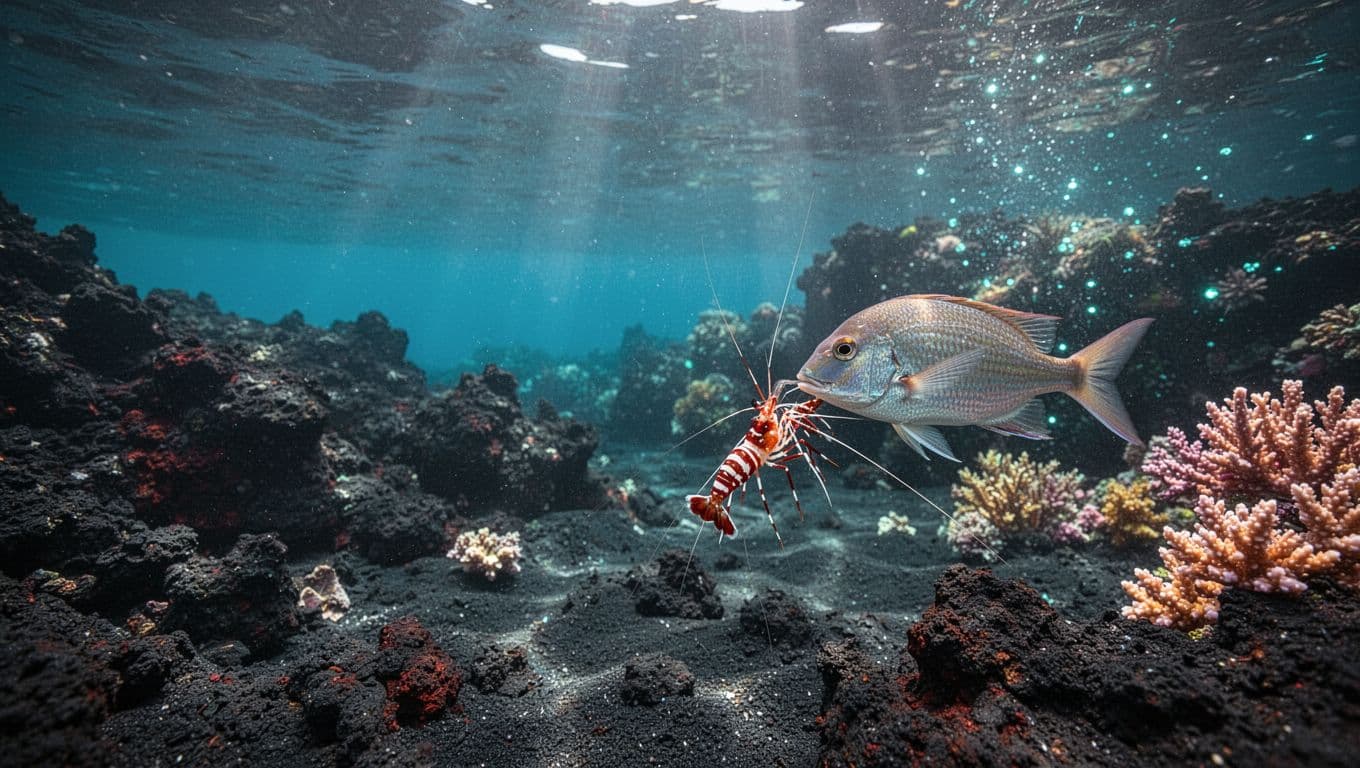
A fish often slows down near the station and holds its position. It may angle its body, spread its fins, open its mouth, or hover in place. These movements make exposed surfaces easier for the shrimp to reach.
The shrimp responds with its own behavior. It waves its antennae, moves toward the fish, and begins picking at the skin or other accessible areas. The fish remains still because the shrimp provides a useful service.
You should watch this exchange without chasing either animal. Sudden movement can send the fish away before the cleaning begins.
What shrimp remove and fish receive
Cleaner shrimp don’t groom fish for entertainment. They search for edible material on the fish’s body, including dead tissue and parasites. Some cleaning may also involve bacteria or other organic material.
The work benefits the visiting fish, while the shrimp receives food without needing to hunt across the reef. That exchange is known as a cleaning symbiosis.
The service is precise
A fish may pause for only a short visit. During that time, the shrimp can move along its body and reach areas that the fish can’t clean alone.
Fins, scales, skin folds, and areas near the mouth can all attract attention. Some cleaner shrimp may also enter a fish’s mouth or gill area. The sight can feel surprising when you first see it, but the fish controls the interaction by staying or leaving.
A recent overview from Integrative and Comparative Biology describes cleaner shrimp removing dead tissue, parasites, and bacteria. The meal is small, but repeated visits help the shrimp survive.
The relationship carries risk
A fish visiting a station could eat the shrimp. Instead, both animals follow a recognizable pattern. The shrimp announces its cleaning role, and the fish signals that it will tolerate the contact.
Research summarized by Duke University describes this dependable behavior between cleaner shrimp and potential predators. The shrimp uses specific movements, while the fish communicates that it won’t attack during the cleaning visit. You can read about this cleaner shrimp behavior before your trip.
Cleaner fish perform similar work, but shrimp add another layer of variety to the reef community. A review hosted by the University of Miami’s Shark Research site lists an estimated 51 species of marine cleaner shrimp and 208 cleaner fish species.
How to find one underwater
Finding a cleaner shrimp requires patience. You may swim over several promising formations before noticing the right behavior.
Your guide can make the process easier, but you can improve your chances by reading the reef carefully instead of scanning for large animals alone.
Read the reef, not a map
Start with structure. Coral heads, dark lava shelves, small overhangs, and reef edges give shrimp places to shelter while remaining visible to fish.
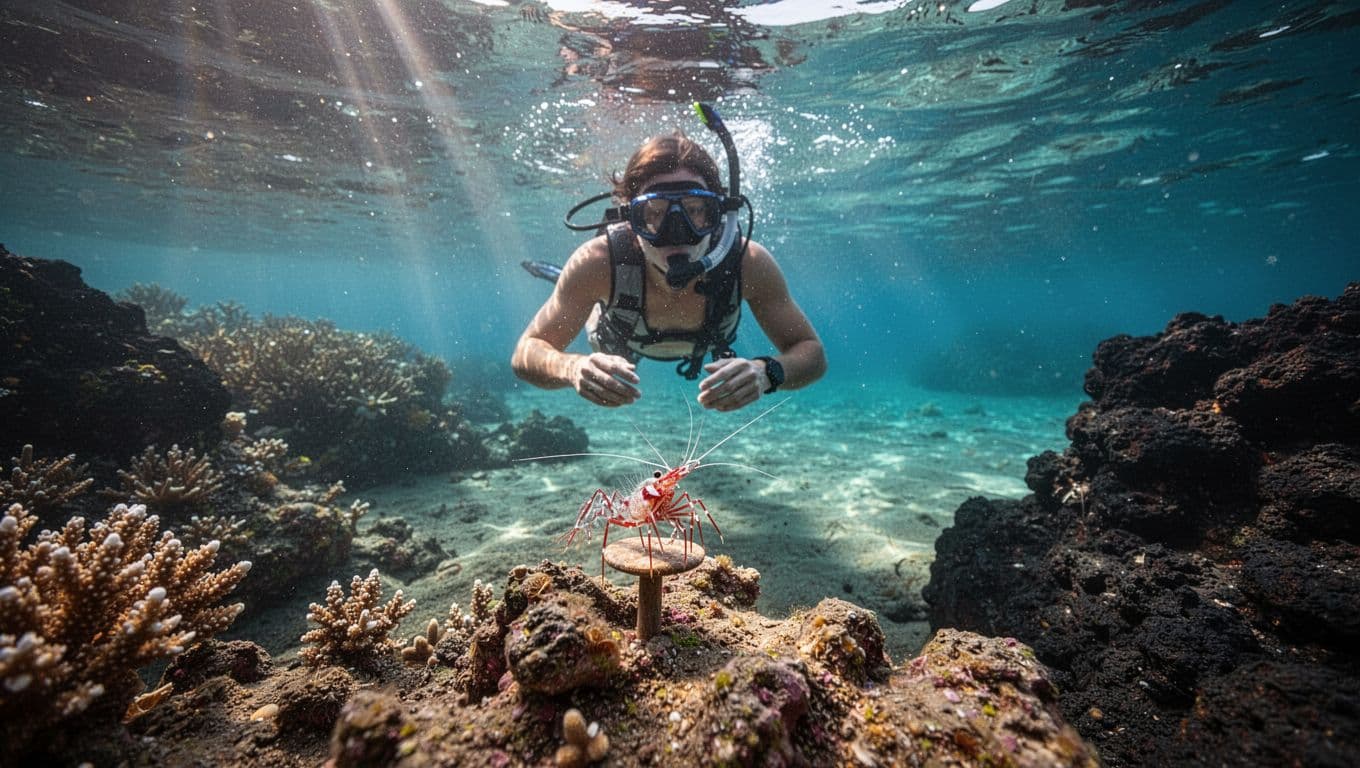
Pause in open water near the structure. Keep your fins above the bottom and let your eyes adjust. The shrimp may blend into the reef, especially when the water moves.
Avoid putting your face inches from a crevice. A relaxed distance gives you a wider view and reduces the chance of startling the animals.
Watch the fish queue
The visiting fish may reveal the station before you see the shrimp. Look for fish hovering in one place or returning to the same coral formation.
A cleaning station can attract several clients over time. They may not arrive in a neat line, but repeated pauses near the same spot are a useful clue.
A fish that stops and holds its fins open may be showing you where the cleaner shrimp is hiding.
Your best view may come after you stop swimming. Breathe slowly, keep your body steady, and let the reef’s routine continue around you.
What you may see while snorkeling Kealakekua Bay
Kealakekua Bay’s appeal comes from the variety of life around its rocky reef. Cleaner shrimp are one detail within a larger habitat that may include colorful reef fish, coral formations, sea turtles, and other small invertebrates.
You should treat every sighting as possible rather than guaranteed. Ocean conditions, season, water clarity, and animal behavior change each day.
Small details reward calm breathing
A slow swimmer notices more than someone who races across the site. Watch the spaces under coral shelves, the edges of lava rock, and the water above the reef.
You may see a parrotfish scrape algae from rock, a butterflyfish move between coral, or a wrasse pause near a cleaning area. Look for changes in behavior, not only bright colors.
When you spot a cleaner shrimp, study the interaction. Notice how the fish positions itself, how the shrimp moves, and when the fish decides to leave.
Bigger sightings stay wild
Green sea turtles may pass through the bay, but no responsible guide can promise a turtle encounter. The same applies to dolphins and unusual fish.
Keep your distance when a larger animal appears. Don’t swim after it, block its route, or surround it with other snorkelers. The animal’s behavior matters more than getting a close photograph.
If you use an underwater camera, keep both hands relaxed and maintain your position. A good image should show the animal in its habitat, not the disturbance caused by the photographer.
Reef-safe snorkeling around cleaning stations
Kealakekua Bay is a protected marine area, so your choices affect the reef. Small actions matter when many visitors share the same site.
The Hawaii Department of Land and Natural Resources provides a marine resource conservation guide with practical information about protecting coastal habitats.
Keep fins and hands off the reef
Never stand on coral, even if the water feels shallow. Coral can break under a single kick or step. Rest on the boat or tread water in a clear area if you need a break.
Adjust your mask strap before entering the water. That simple step reduces the temptation to grab coral when your mask leaks.
You should also avoid touching cleaner shrimp, fish, turtles, and other wildlife. Contact can remove protective coatings, cause stress, or change the animal’s normal behavior.
Give the station room
Stay outside the shrimp’s working space. You don’t need to hover directly above the fish to see the cleaning process.
Keep your group spread out and let other visitors take turns observing. If the fish leaves, give it time to return instead of following it around the reef.
A 2023 study in Frontiers in Marine Science found that scuba-noise playback reduced fish occurrences at cleaning stations by 7 percent. Snorkelers create less equipment noise, but the finding still supports calm movement and limited crowding.
Choosing a Kealakekua Bay snorkeling tour
The right tour can make a major difference in what you notice. Look beyond the destination name and compare how the operator runs the trip.
You want enough time in the water to observe the reef. You also want a crew that treats safety and conservation as part of the experience.
Check the route and timing
Ask where the boat departs, how long the trip lasts, and how much time you can expect in the water. Honokohau Harbor is a common departure point for Kona excursions.
Morning trips may offer different light and sea conditions than afternoon departures. Check the forecast, but remember that the captain makes the final call when conditions change.
A tour should also explain what equipment, drinks, snacks, and instruction are included. Clear details help you pack correctly and avoid surprises.
For a focused visit to the monument area, explore this Kealakekua Bay snorkeling excursion. You can also check avaialbility for the Captain Cook trip.
Match the boat to your group
Families may prefer a crew that welcomes different swimming abilities. Couples often value a quieter atmosphere and flexible guidance. Strong swimmers may want more time to explore, while beginners may need help with mask fit and breathing.
Small-group trips usually make it easier to ask questions and stay near a guide. Private trips offer more control over pace, rest breaks, and the sites you visit.
How a guided trip can improve your view
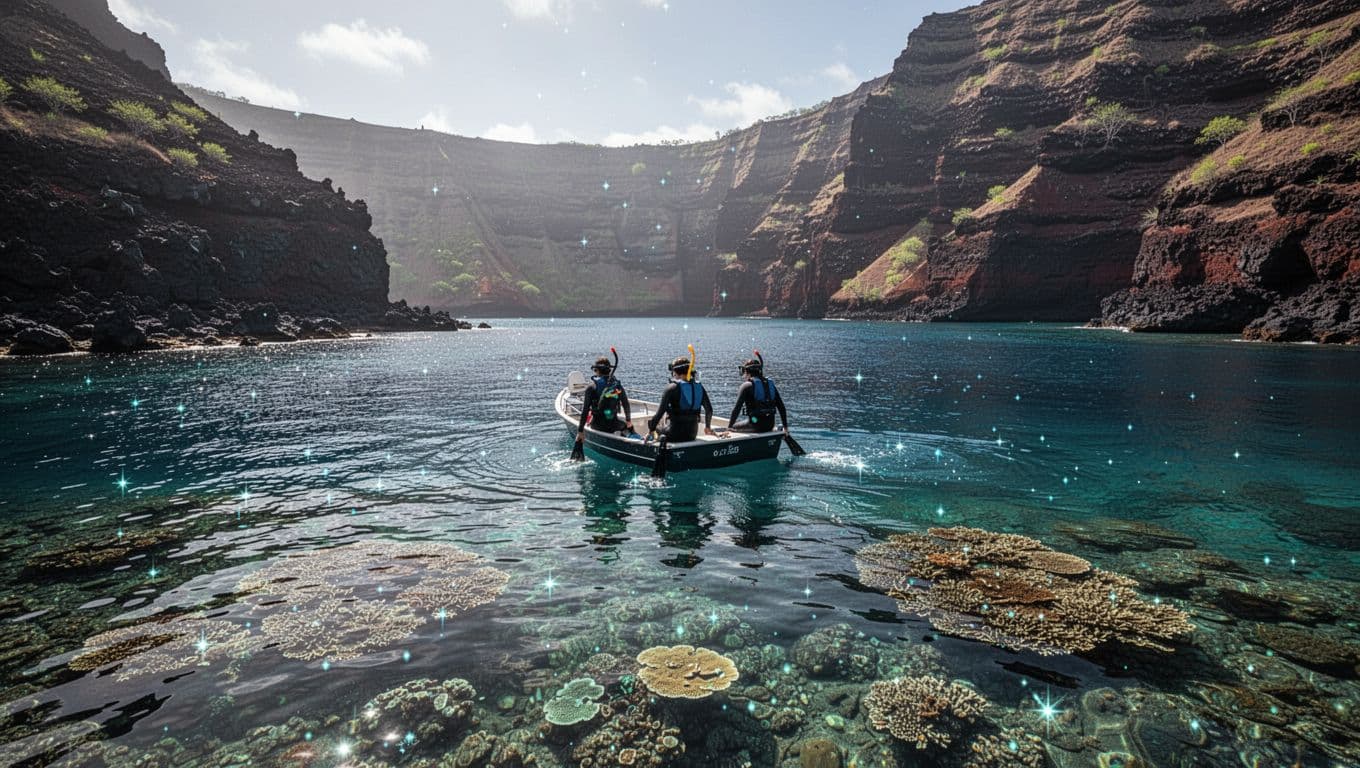
You can enter the ocean with a mask and fins, but a knowledgeable guide helps you understand what you see.
At a reef station, that context changes the experience. Instead of seeing a small shrimp near a fish, you recognize a structured relationship that depends on patience and trust.
Guides identify behavior
A guide may notice a station before you do. They know where fish tend to pause and which structures offer useful cover.
They can also explain the difference between cleaning, feeding, territorial behavior, and simple sheltering. That prevents you from mistaking an ordinary shrimp for a cleaner or assuming every fish near coral is waiting for service.
Guides may share the cultural and historical background of Captain Cook Monument and the 1779 events connected with the site. You receive a fuller sense of place while keeping your attention on the water.
Safety protects the experience
Lifeguard-certified guides can review entry procedures, currents, buddy practices, and flotation options. They also watch the group while you focus on the reef.
Pay attention during the briefing, even if you have snorkeled before. Conditions around the bay can change, and local advice is more useful than relying on yesterday’s water.
If you feel tired, cold, anxious, or uncomfortable, tell the crew early. You don’t need to prove anything to enjoy the ocean.
Plan your day on the water
A little preparation helps you spend more time observing instead of adjusting equipment.
Before you leave the harbor
Eat a light meal and drink water before boarding. If you get motion sickness, ask your healthcare professional about suitable options before your vacation.
Wear a swimsuit under comfortable clothing and bring a towel, reef-conscious sun protection, and dry clothes. Secure loose items so they don’t fall into the water.
If you are traveling with children, ask about age requirements, flotation equipment, swimming expectations, and restroom access before booking. Those details can shape the entire day.
Bring a prescription mask if you need one. Otherwise, ask for help fitting the provided mask before you enter the water.
During and after the snorkel
Keep your guide in sight and stay with your group. Take regular breaks on the boat, especially if you are new to snorkeling.
Your wider Kona itinerary can include a private Kona boat charter if you want a more flexible day. A separate Kona manta ray snorkeling trip offers a different nighttime wildlife experience, while seasonal Kona whale watching can add another ocean-focused outing during humpback season.
After the trip, rinse and dry your gear if the operator asks you to do so. Share wildlife observations with your guide, especially if you noticed unusual behavior or a possible reef concern.
Make the Most of Kealakekua Bay Snorkeling
Cleaner shrimp reward attention rather than speed. When you pause near a coral head and watch the fish, you may notice a small station operating beneath the surface.
Choose a tour that gives you safe access, thoughtful guidance, quality equipment, and enough time to observe. Then protect the experience by keeping your hands, fins, and gear away from the reef.
The best memory may not be the largest animal you see. It may be the moment a fish holds still, a tiny shrimp begins its work, and the whole reef suddenly makes more sense.