
How to Prevent Snorkel Mouthpiece Soreness at Captain Cook
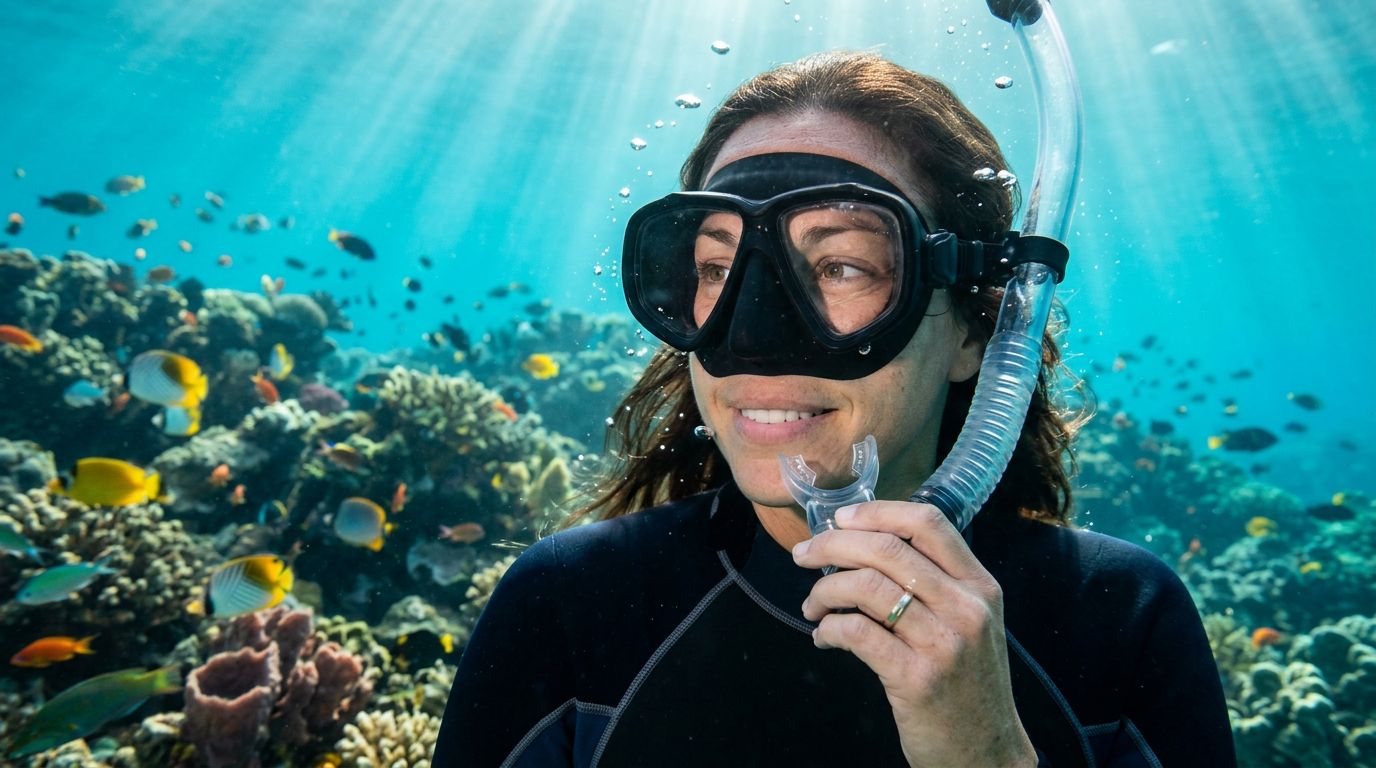
A sore jaw or tender gums can take the shine off an otherwise beautiful swim. If you’re planning a Captain Cook excursion, learning how to prevent snorkel mouthpiece soreness before you enter Kealakekua Bay will help you stay comfortable, relaxed, and focused on the reef.
Kona Snorkel Trips offers guided Captain Cook snorkeling experiences with quality equipment and Lifeguard Certified guides. Still, your comfort depends on more than the gear itself. A proper fit, a gentle bite, relaxed breathing, and a few simple habits can make a noticeable difference.
What Causes Snorkel Mouthpiece Soreness?
Most mouthpiece pain comes from holding the snorkel too tightly. Your teeth should keep the mouthpiece in place, but they shouldn’t clamp down on it. When you bite hard, your jaw muscles stay tense. After several minutes, that tension can spread into your cheeks, temples, neck, and even shoulders.
The mouthpiece can also press against your gums when it doesn’t fit your mouth. A large or stiff design may rub the soft tissue behind your front teeth. If the tabs sit too far forward, your lips may work harder to maintain a seal. That repeated pressure can create tender spots before you notice the problem.
Poor positioning adds another strain. When the snorkel pulls sideways, you may instinctively bite harder to stop it from moving. A mask strap that sits too low or a snorkel attached at the wrong angle can create this sideways pressure.
Breathing habits matter, too. New snorkelers sometimes breathe quickly because the sensation feels unfamiliar. Fast breathing can make you tense your jaw and grip the mouthpiece for security. Calm, steady breaths reduce that reaction.
A mouthpiece may feel uncomfortable because it is new, cold, dirty, or made from a material that doesn’t suit you. Shared equipment should be cleaned and inspected, but cleanliness doesn’t change the shape or stiffness of the mouthpiece. If the material feels harsh against your gums, ask whether another size or style is available.
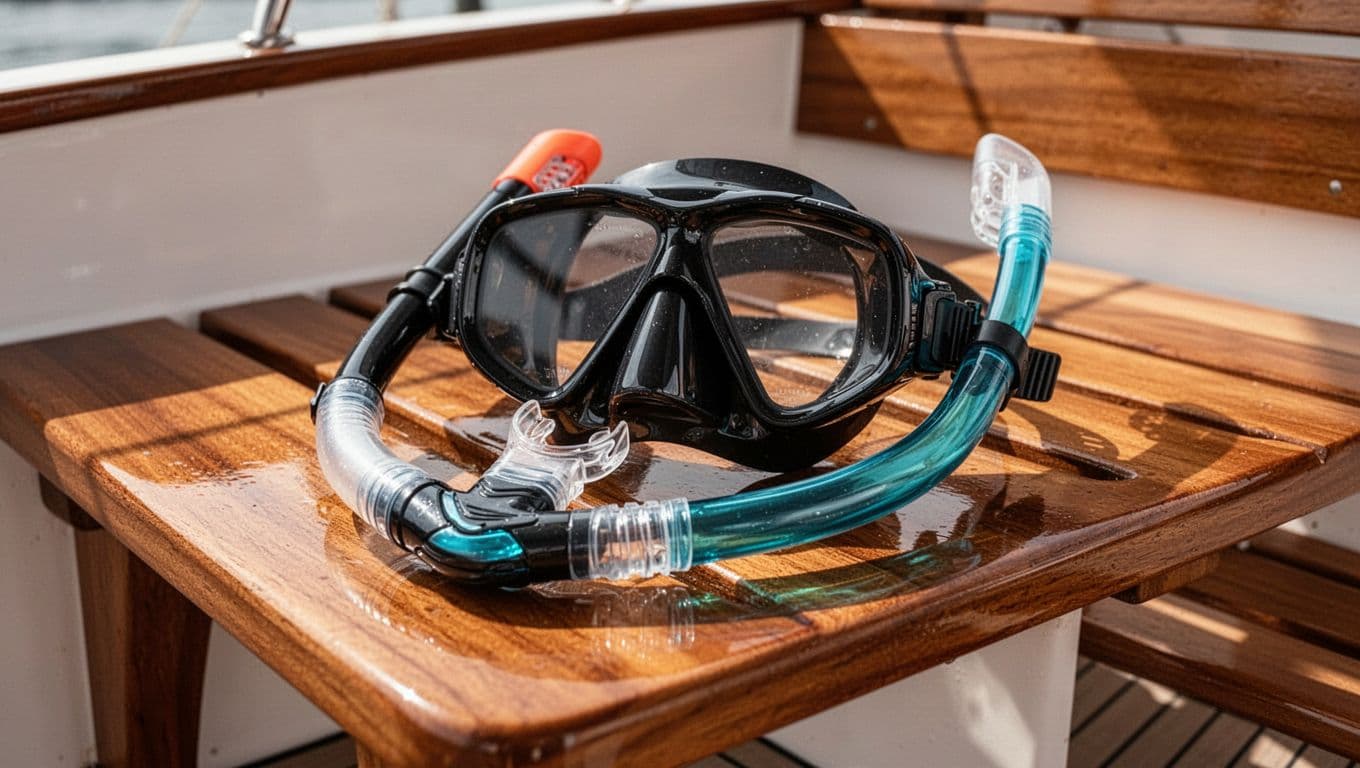
The main causes usually fall into four groups:
- The mouthpiece is too large, stiff, or poorly shaped for your mouth.
- You are biting down instead of resting your teeth on the tabs.
- The snorkel pulls against your lips because of its angle or attachment.
- Stress, cold water, or fast breathing keeps your jaw muscles tense.
You can correct most of these problems before they become painful. The best time to adjust your gear is on the boat, before you swim away from the guide.
How to Prevent Snorkel Mouthpiece Soreness With Better Gear
The right mouthpiece should feel stable without demanding pressure from your teeth. Look for soft, flexible silicone rather than a hard plastic design. Silicone usually sits more comfortably against your gums and lips during longer swims.
When you test the mouthpiece, place the tabs between your back teeth and front molars if that feels natural. Your lips should close around the outside without stretching. The bite tabs shouldn’t press sharply into your gums, and the mouthpiece shouldn’t force your jaw open.
A useful gear-fitting check takes less than a minute:
- Put the mouthpiece in your mouth while standing on the boat.
- Close your lips around it and take a slow breath through the snorkel.
- Relax your teeth until the mouthpiece begins to shift.
- Add only enough pressure to keep it stable.
- Turn your head gently from side to side and notice whether the snorkel pulls.
If you need to clench to keep the snorkel in position, tell your guide. You may need a different mouthpiece, a new snorkel angle, or a mask adjustment.
For more information about mouthpiece shape and jaw comfort, you can compare ergonomic snorkel mouthpieces. A separate snorkeling gear guide also highlights the value of a soft, flexible mouthpiece for extended use.
Your mask and snorkel should work together. If the mask strap is too loose, the snorkel may move whenever you turn your head. If the strap is too tight, pressure around your temples can make existing jaw tension feel worse. Set the mask so it seals with light contact, not heavy strap pressure.
The snorkel keeper should sit near the side of the mask strap. It shouldn’t pull the snorkel mouthpiece forward or downward. Ask your guide to check the position while you hold your head in a normal swimming posture.
| Comfort problem | Likely adjustment |
|---|---|
| Teeth feel tired quickly | Reduce your bite pressure |
| Gums rub against the mouthpiece | Ask for a softer or smaller mouthpiece |
| Snorkel pulls to one side | Reposition the keeper or mask strap |
| Lips feel strained | Check the mouthpiece angle |
| Water enters when you relax | Improve the seal and ask for a fit check |
A short test on the boat can prevent an uncomfortable return trip. You shouldn’t wait until your gums hurt to ask for help.
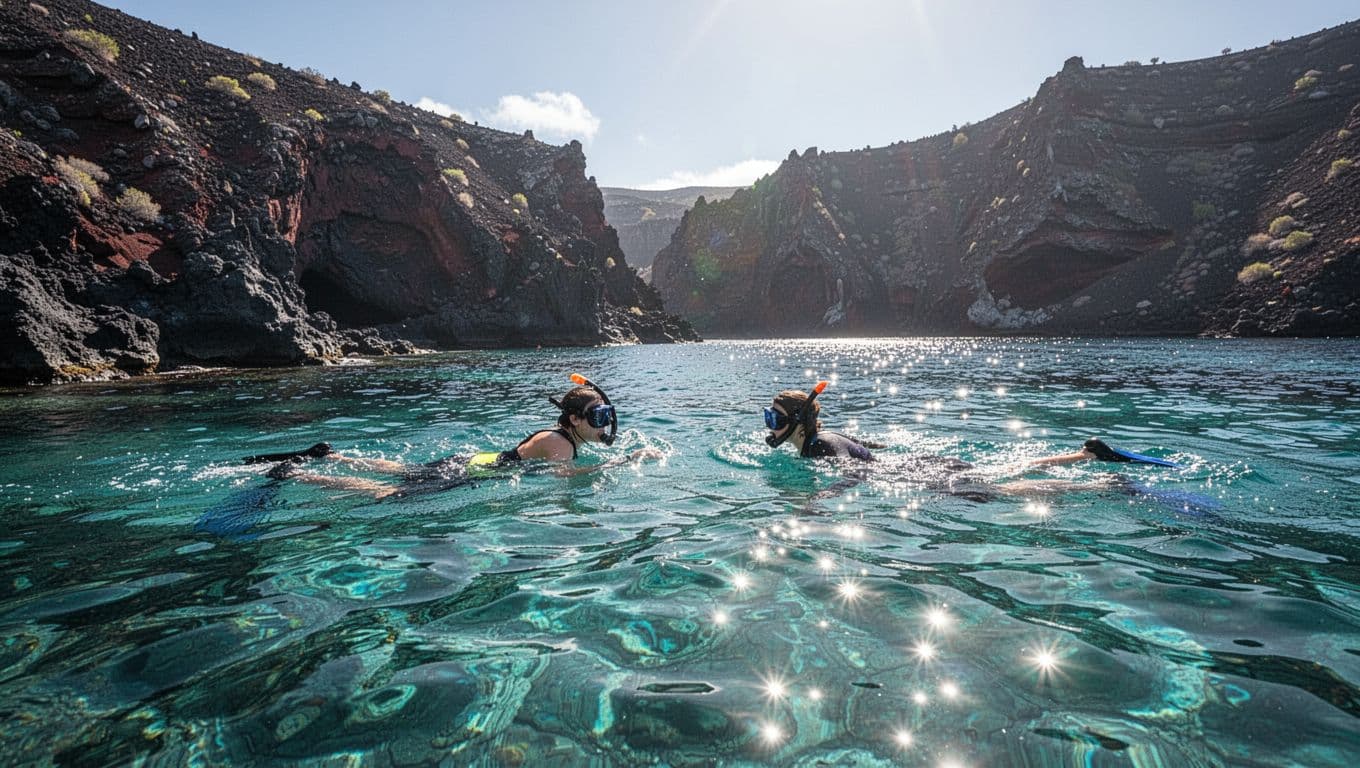
Relax Your Jaw Before You Enter Kealakekua Bay
Your first few minutes in the water set the pattern for the rest of the swim. Before you leave the boat, take several slow breaths through the snorkel. Let your shoulders drop, loosen your tongue, and allow your lower jaw to hang naturally around the mouthpiece.
Keep the bite tabs between your teeth without crushing them. Your lips create most of the seal. Your teeth provide light support, while your jaw muscles stay as loose as possible.
A simple breathing rhythm works well:
- Inhale slowly through your mouth.
- Pause briefly if you need to settle your breathing.
- Exhale steadily through the snorkel.
- Repeat without trying to take unusually deep breaths.
You don’t need to fill your lungs to maximum capacity. Comfortable breathing is easier to maintain and reduces the urge to clamp down.
Keep your head in a neutral position. Looking forward with your neck lifted can pull the snorkel away from your mouth. Looking sharply downward can push the mouthpiece against your gums. The best position is usually a relaxed face angled slightly toward the bottom.
If you need to speak, signal your guide or lift your head clear of the water. Don’t try to talk around the mouthpiece. Moving it repeatedly can create friction and encourage a harder bite.
You should also avoid chewing on the silicone. Chewing feels natural when you’re nervous, but it places constant pressure on the same areas of your teeth and gums. Instead, check your bite every few minutes. Ask yourself whether you are still holding the mouthpiece harder than necessary.
A guide can spot tension that you don’t feel. Kona Snorkel Trips’ crew provides equipment assistance and safety guidance before guests enter the water, so mention any concern during the briefing.
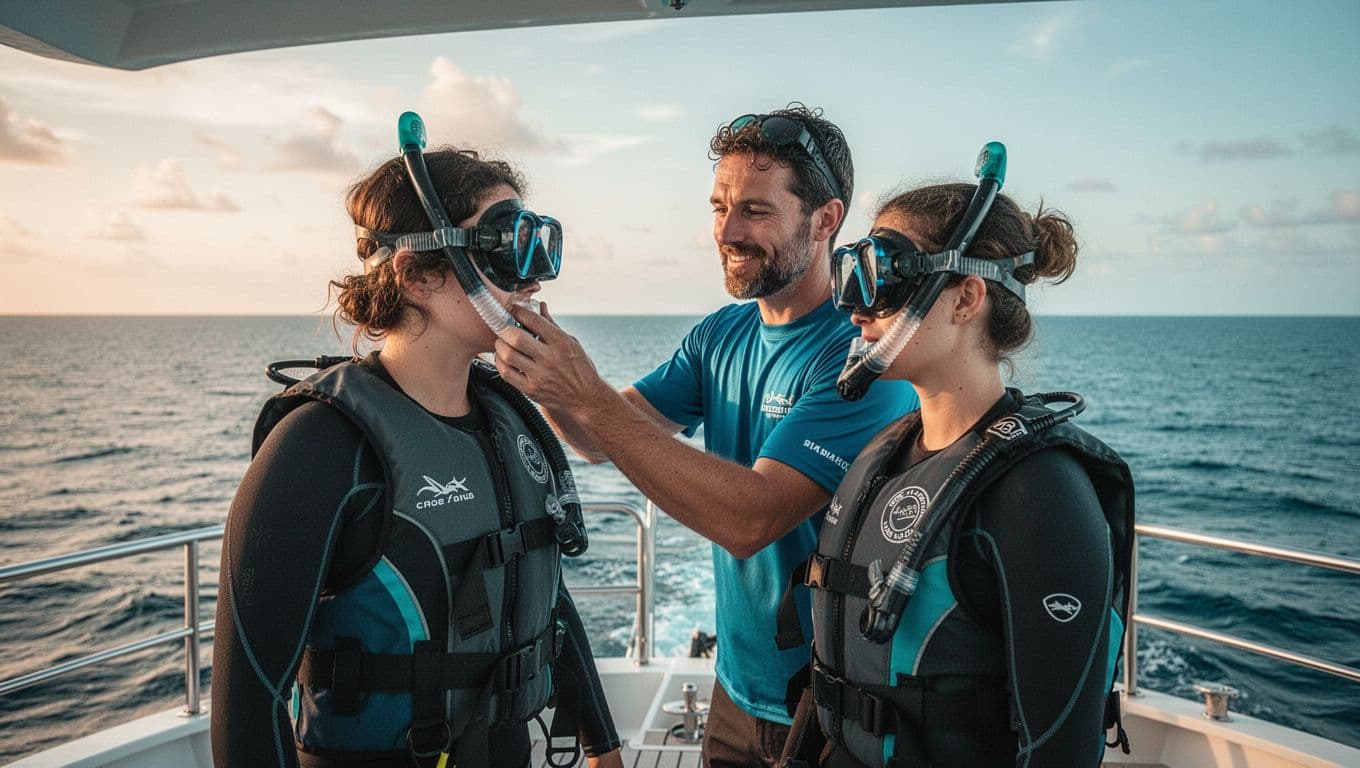
Prepare for the Conditions at Captain Cook
Kealakekua Bay is known for clear water, reef habitat, and the historic Captain Cook monument. The scenery can distract you in the best way, but changing body position, boat movement, and unfamiliar water can also make you tense your face.
A guided Captain Cook snorkel tour gives you a chance to ask questions before you swim. Use that time to test the mouthpiece, confirm how to signal the guide, and learn where you’ll enter and exit the water.
Your comfort can change as the day progresses. Sun, wind, saltwater, and physical effort may leave your mouth drier than usual. Dry lips make it harder to maintain a comfortable seal, which can lead to extra pressure around the mouthpiece. Drink water before boarding and take small drinks during breaks.
Don’t stretch the snorkel tube across your face. The tube should rise beside your head and extend above the water without tugging. If you turn your head, move your whole upper body instead of twisting only your mouth around the snorkel.
Fins can help you swim with less effort. When your legs work efficiently, you don’t need to paddle hard with your arms or tense your neck. Lower physical strain often makes it easier to keep your jaw relaxed.
You also need to respect your own limits. If the water feels choppy, stay close to the guide and use a steady, controlled kick. Fighting the water can make you grip the mouthpiece. A short rest at the surface is better than pushing through discomfort.
Kona Snorkel Trips follows a “Reef to Rays” philosophy, with small-group ocean adventures, carefully maintained gear, and Lifeguard Certified guides. The crew also teaches reef-safe practices, which means you can ask for help without feeling rushed through the setup.
For a broader look at available Big Island snorkeling tours, review the departure details and tour descriptions before booking. A trip that matches your swimming comfort and preferred pace can reduce the stress that causes mouthpiece clenching.
Use Short Comfort Breaks During the Snorkel
You don’t have to swim continuously to enjoy Captain Cook snorkeling. Planned comfort breaks protect your jaw, lips, and attention.
When you return to the boat or pause at the surface, remove the mouthpiece carefully. Don’t yank it out by pulling on the snorkel tube. Release your lips first, then take it out with one hand.
Look for early signs of trouble:
- Your jaw feels tired even though your breathing remains easy.
- Your gums feel tender around the bite tabs.
- One side of your mouth feels more pressured than the other.
- You keep adjusting the mouthpiece with your tongue.
- You notice a headache near your temples.
These signs mean you should adjust the gear before soreness increases. Rinse your mouth with fresh water if salt has dried around your lips. Reapply a reef-safe, skin-appropriate lip balm during a break, but don’t coat the silicone mouthpiece with oil or petroleum products. Those substances can affect the material and make the seal slippery.
If the mouthpiece feels fine at the start but becomes painful later, fatigue may be the cause. Your bite pressure often increases without conscious effort. Remove the snorkel, relax your face, and start again with a gentler hold.
A tour guide can also check whether the snorkel has shifted. Small changes matter. A keeper that moved a few millimeters may pull the mouthpiece enough to create soreness over time.
Families should teach children to report discomfort early. Kids may keep swimming because they don’t want to miss a turtle or colorful fish. Tell them that pain, numbness, and difficulty breathing are reasons to stop and speak with an adult immediately.
What to Do If Your Mouth Still Hurts
Stop using the snorkel if you develop sharp pain, bleeding gums, numbness, swelling, or a cracked tooth. These symptoms need more attention than a simple gear adjustment.
For mild soreness, rinse with fresh water and rest your jaw. Avoid chewing hard foods for a while if your teeth or gums feel sensitive. A cool drink may feel soothing, but severe or lasting pain should be evaluated by a dentist or medical professional.
People with braces, dental implants, loose teeth, dentures, jaw joint problems, or recent dental work should discuss snorkeling plans with their dentist. A standard mouthpiece may not suit every dental situation. You may also need to tell the tour operator before the day of the trip.
If you wear dentures, don’t assume they will stay secure in open water. Ask your dentist and guide about safe options before swimming. The same applies to removable orthodontic appliances.
Mouthpiece discomfort can also point to a different problem. Water entering the snorkel may cause you to bite harder. A loose mask seal can make you lift your head repeatedly. Anxiety can produce fast breathing and facial tension. Fix the source instead of forcing yourself to tolerate the pain.
A proper gear change should feel obvious. After adjustment, you should breathe comfortably, maintain a light seal, and move your head without the snorkel tugging at your mouth.
A Simple Captain Cook Snorkeling Comfort Routine
Use this routine before the boat reaches the entry point:
- Drink water and check that your lips feel comfortable.
- Test the mask seal without overtightening the strap.
- Place the snorkel beside your face and confirm that it doesn’t pull.
- Hold the mouthpiece with a gentle bite.
- Take several calm breaths through the tube.
- Relax your jaw, cheeks, tongue, and shoulders.
- Tell the guide about any pressure, rubbing, or dental concern.
- Recheck the fit after entering the water.
After five minutes, perform another quick check. Are you biting harder? Has the snorkel moved? Is one gum more tender than the other? Correcting the problem early takes seconds.
This routine works whether you snorkel with a tour group, rent gear at a beach, or bring your own equipment. It is especially useful if you plan to snorkel Big Island waters for the first time, because ocean conditions and gear styles may feel different from what you use at home.
The same habits apply when you’re snorkeling Big Island Hawaii with children or less experienced swimmers. Keep the focus on calm breathing and comfort rather than staying in the water for a set amount of time.
If you search for “snorkeling Big Island” experiences, pay attention to more than the location. Look for clear gear instructions, qualified guides, realistic time details, and a tour that gives you room to ask questions.
Make the Most of a Comfortable Reef Swim
Captain Cook snorkeling should leave you thinking about the water, not your teeth. A soft mouthpiece helps, but technique has an equal role. Light pressure, a neutral head position, and steady breathing prevent many cases of snorkel mouthpiece soreness.
Before you enter Kealakekua Bay, take time to fit the mask and snorkel properly. During the swim, notice early discomfort and speak up. Your guide can often solve the issue with a small adjustment or a different mouthpiece.
Once your mouth feels relaxed, you can pay attention to the details that make the site special: the volcanic coastline, clear water, reef fish, and the history connected to the Captain Cook monument. Comfortable equipment lets you stay present without forcing your body to work around a poor fit.
Conclusion
Snorkel mouthpiece soreness usually starts with a small problem, such as a hard bite, a poor angle, or a mouthpiece that doesn’t fit. Test your gear before entering the water, keep your jaw relaxed, and ask for an adjustment as soon as discomfort begins.
With the right setup and calm breathing, you can enjoy a longer, easier swim at Captain Cook. The strongest habit is simple: use only enough bite pressure to keep the mouthpiece steady, then let your lips and equipment do the rest.