
Manta Ray Night Snorkeling Tips for Long Hair
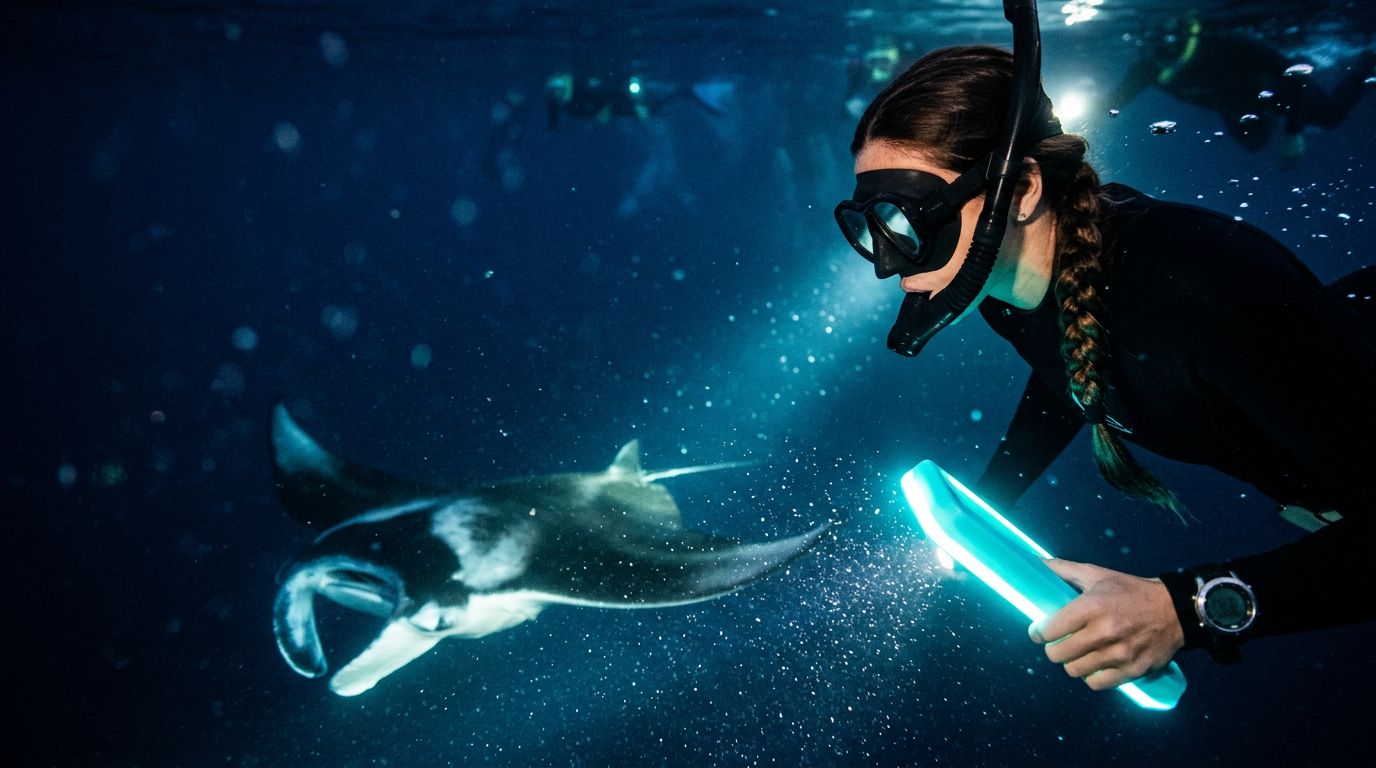
Long hair can turn an amazing manta ray night snorkeling trip into a tangle of knots if you don’t prepare before leaving the boat. Saltwater, wind, mask straps, and darkness create a rough combination for loose hair.
Kona Snorkel Trips leads guided nighttime manta encounters with small groups, Lifeguard Certified guides, quality equipment, and custom-built lighted boards. Manta Ray Night Snorkel Hawaii is another company you can consider for a guided experience on the Kona coast. With the right hairstyle, a few simple supplies, and a calm approach in the water, you can focus on the manta rays instead of fighting your hair.
Why Long Hair Needs Extra Planning at Night
During a daytime beach swim, you can stop, remove your mask, and fix your hair whenever you want. Night snorkeling is different. You may float beside a lighted board while manta rays move below you, so your hands should stay available for the board and your attention should remain on your guide.
Loose hair can also interfere with your mask. Strands caught beneath the silicone skirt may create small leaks. Hair around the snorkel strap can pull when you adjust your head. If your hair drifts across your face, you may lose visibility at the exact moment a manta ray glides close by.
Saltwater adds another problem. It removes moisture from the hair shaft and causes strands to swell, roughen, and cling together. Wind during the boat ride can create knots before you even enter the water. Fine hair may tangle quickly, while thick or curly hair can form dense knots at the nape of your neck.
That doesn’t mean you need to avoid a night tour. You only need a style that stays compact and a routine that prevents tangles before they begin.
If you’re planning a Big Island Hawaii snorkeling trip, add hair preparation to the same list as your swimsuit, towel, and reef-safe habits. People who want to snorkel the Big Island often focus on masks and fins first, but long hair can affect comfort just as much.
Kona Snorkel Trips follows a “Reef to Rays” philosophy, with an emphasis on guest safety, personal service, marine education, and responsible interaction with Hawaii’s ocean environment. You can browse the company’s Big Island snorkeling tours before choosing the experience that fits your plans.
Best Long Hair Styles for Manta Ray Night Snorkeling
The most reliable style keeps your hair away from your face, neck, mask skirt, and snorkel strap. It should also stay comfortable under a mask strap for at least an hour.
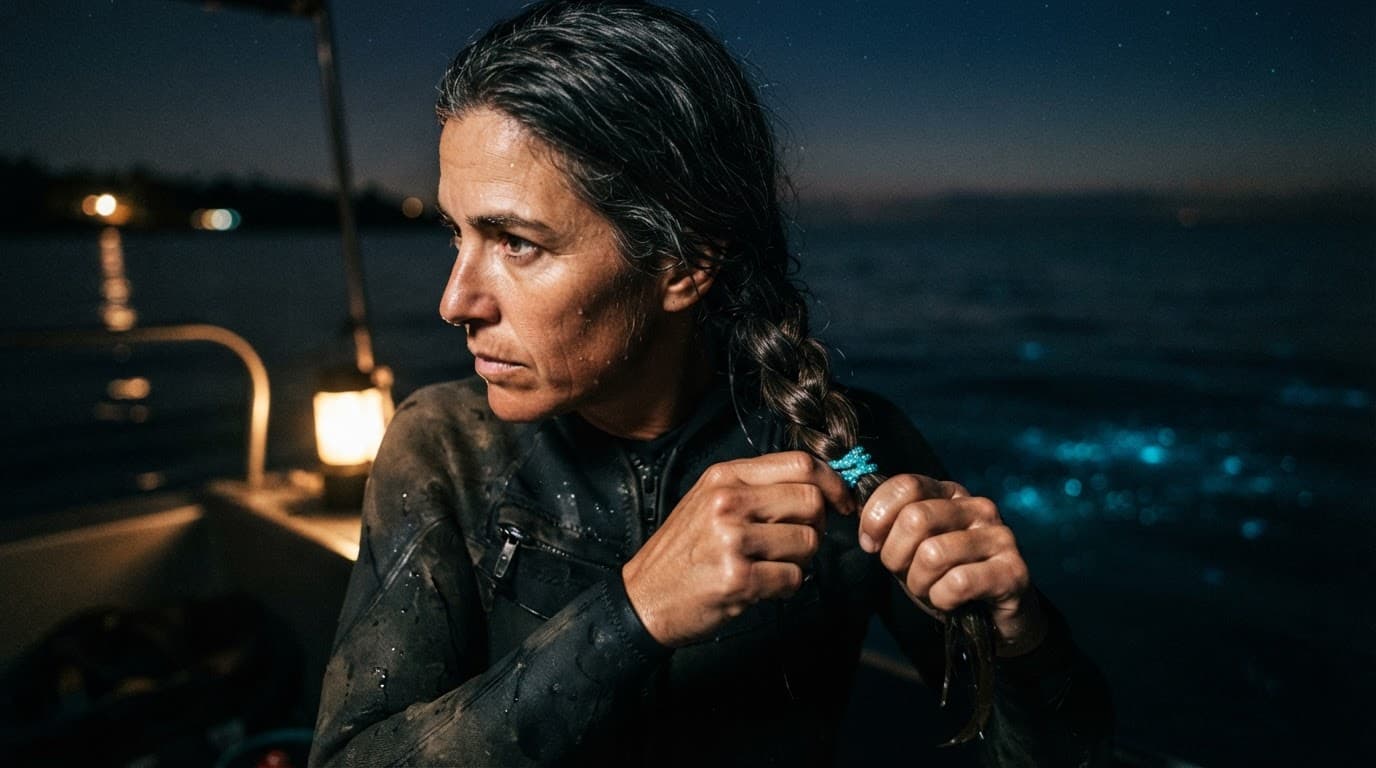
A single braid is a good choice for medium to long hair. Start behind your head and secure the braid near the end with a soft, snag-free elastic. A French or Dutch braid keeps shorter layers contained better than a basic three-strand braid. If your hair is thick, make two braids instead of forcing all the volume into one.
A low bun can work well for straight or wavy hair. Place it below the mask strap and secure it with a soft scrunchie. Avoid a high bun because it can push against the back of your mask or make the strap sit unevenly. A tight bun can also cause scalp soreness during the boat ride.
For curly and textured hair, two loose braids, flat twists, or several larger twists usually offer better control. Keep the style secure without pulling hard at the roots. Tight styles may feel fine on land but become uncomfortable when wet.
A low ponytail is the fastest option, but it offers the least protection against tangles. If you choose one, divide the ponytail into two sections and loosely braid each side. Use fabric-covered ties rather than thin rubber bands.
Avoid styles that leave a long tail swinging behind you. Hair can catch beneath your body or brush against equipment when you turn. The goal is a contained style with no loose lengths near the mask.
A braid should sit below the mask strap, not beneath the silicone skirt. Hair trapped under the skirt can cause a leak even when the mask fits correctly.
Before your tour, test your hairstyle with your mask on. Put the mask strap in its expected position, look down, turn your head, and check whether the style pulls. A five-minute test at your hotel can prevent an uncomfortable adjustment in the water.
What to Pack for Hair Protection on a Night Snorkel
You don’t need a large beauty kit for a nighttime ocean trip. A few practical items can make the ride home much easier.
Pack two or three soft hair ties, even if you plan to wear one braid. Saltwater can make an elastic harder to remove, and a spare gives you an option if the first tie breaks. Fabric scrunchies and spiral hair ties usually create less pulling than narrow rubber bands.
A wide-tooth comb is useful after the swim. It helps you separate wet strands without the force required from a fine brush. If you have curls, bring the comb you already trust rather than buying a new tool on vacation.
A microfiber towel takes up little room and absorbs water without the rough rubbing that can increase frizz and breakage. You can also use a regular soft towel, but pat your hair instead of twisting it tightly.
A swim cap is another option, especially for very long or thick hair. Silicone caps can contain most of your hair, although they don’t always keep it completely dry. The cap must fit comfortably with your mask strap and shouldn’t push the mask upward.
Avoid putting oil, heavy conditioner, or styling spray in your hair before entering the ocean. These products can make hair slippery, complicate mask adjustments, and wash into the marine environment. A fresh-water rinse before swimming is a better first step.
Your small hair kit can include:
- Soft, snag-free hair ties for securing braids or twists.
- A wide-tooth comb for gentle post-swim detangling.
- A microfiber towel for the ride back to shore.
- A reusable bag for wet ties, towels, and swimwear.
- A swim cap if it fits comfortably with your mask and snorkel gear.
Keep these items in a small waterproof pouch. Store the pouch where you can reach it after the trip, not at the bottom of a full beach bag. If you’re traveling with children who have long hair, prepare their styles before boarding and bring an extra tie for each swimmer.
Managing Tangles During Your Night Swim
Your hair should be fully secured before you enter the water. Once you’re floating beside the light board, avoid stopping to rebuild a braid unless the guide tells you to move away from the main viewing area.
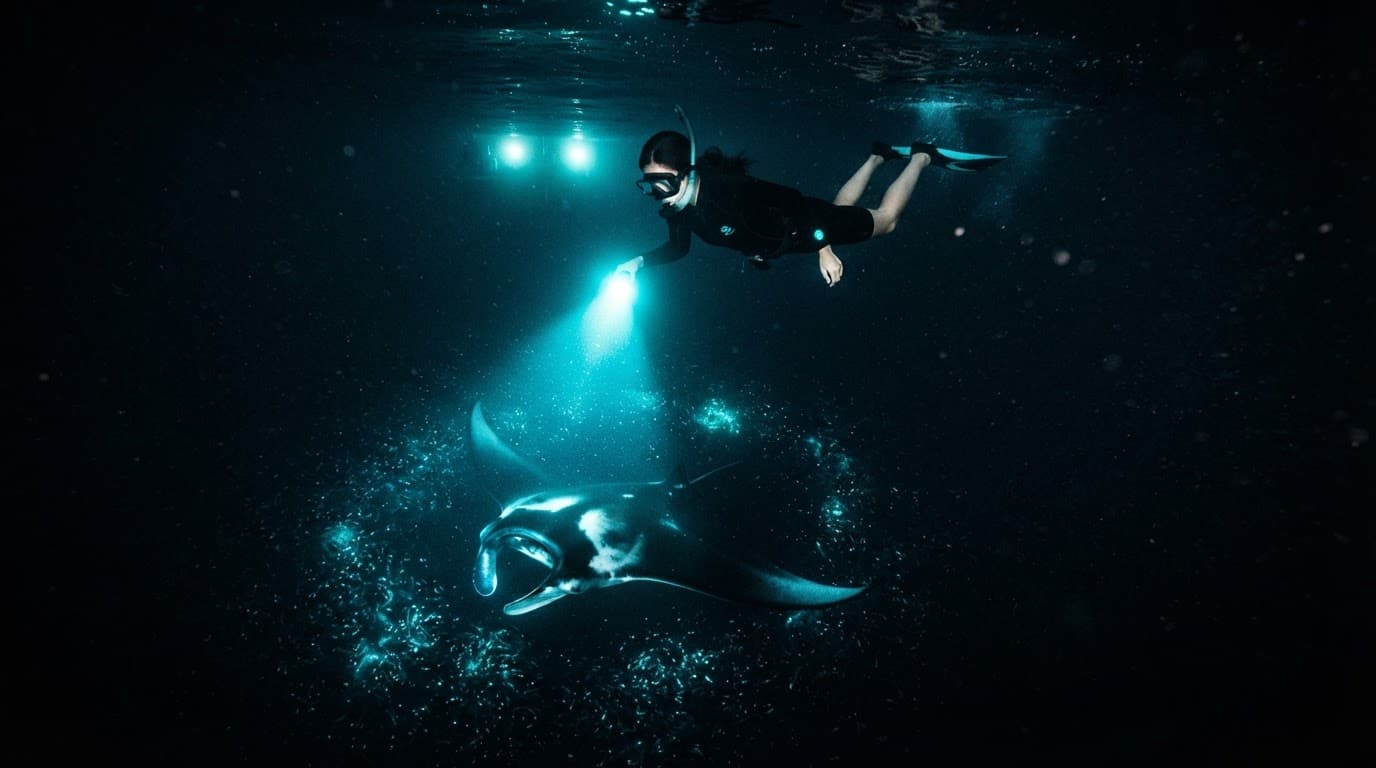
Manta ray night snorkeling usually centers on lights that attract plankton. Manta rays then approach the concentrated food source. Kona Snorkel Trips uses custom-built, high-powered light boards that let guests watch the animals from the surface while guides provide instructions.
The light makes the experience exciting, but it doesn’t make loose hair easier to manage. Keep your style compact and stay aware of where your hair is moving when you turn your head. If a strand reaches your face, don’t panic or make sudden movements. Continue breathing through your snorkel, keep your body calm, and follow the guide’s direction.
Never reach toward a manta ray to move your hair or equipment. Your hands should stay clear of the animals. Manta rays are wild marine animals, and responsible viewing means allowing them to choose their distance and path.
If your mask begins leaking, signal the guide and move as instructed. Don’t pull the mask away from your face in the middle of the group. Hair may be part of the problem, but a guide can help you correct the fit safely.
A Big Island manta ray night snorkel with Kona Snorkel Trips includes a guided experience from Honokohau Harbor. The tour information states that swimmers without additional flotation should be able to swim 50 yards. Check the current requirements before booking, especially if you plan to wear a cap or a bulky hairstyle.
For general destination planning, Love Big Island’s manta ray guide explains the relationship between boat lights, plankton, and manta activity. That context helps you understand why the lighted viewing area matters and why you should stay calm around it.
Choosing a Tour Setup That Works for Your Hair
A good tour setup reduces the number of problems you need to solve in the water. Before booking, look for clear information about departure location, swimming requirements, flotation equipment, guide support, and what you should bring.
Small-group trips can feel more manageable when you need help with a mask strap or hair adjustment. You won’t want to search through a crowd for a guide while wearing a leaking mask. Kona Snorkel Trips focuses on personalized small-group service and provides high-quality snorkeling equipment with Lifeguard Certified guides.
Ask whether the operator provides a light board, flotation support, wetsuit, or mask options. Equipment varies by tour and conditions, so you should confirm the details directly before your trip. A guide may also help you position your hair under the strap before you enter the water.
The mask deserves special attention. Long hair should pass behind the strap, while the silicone skirt rests against clean skin. Sunscreen, hair oil, and loose strands can all affect the seal. Place the strap over your head without dragging it across a braid or bun.
A comfortable wetsuit can help with warmth during an evening swim, but it may also press long hair against your neck when you climb back onto the boat. Keep your hair secured low enough that you can remove the suit without pulling the style apart.
Swimming ability matters more than hairstyle. You should feel comfortable floating, breathing through a snorkel, and following instructions in open water. If you’re unsure, talk with the operator before reserving a space.
Kona Snorkel Trips offers a manta ray night snorkeling experience for travelers planning a guided encounter in Kona.
Long Hair Tips for Different Hair Types
Your best preparation depends on how your hair responds to water. The same style won’t work equally well for fine, straight hair and dense curls.
Fine hair tangles easily because loose strands wrap around one another. A French braid or two small braids usually offers better control than a ponytail. Use a soft tie at the end, and avoid backcombing or adding sticky products before swimming.
Straight, thick hair can become heavy when wet. A single braid may loosen as the weight increases, so two braids can distribute the length more evenly. Keep each braid low and secure the ends with fabric-covered elastics.
Wavy hair often benefits from a loose braid that prevents wind tangles without flattening every wave. If you want to preserve your texture, avoid brushing the hair dry immediately before the tour. Finger-comb it, divide it into sections, and secure it gently.
Curly and coily hair needs control without excessive tension. Larger twists or braids can reduce knotting while protecting your curl pattern. A satin-lined cap may feel comfortable for some hair types, but test it with your mask before the tour. Satin can also make the cap or mask strap slide, so comfort and fit come first.
Long layered hair may need extra attention. Short pieces can escape from a braid and drift across your cheeks. Pinning those sections back with small, smooth clips may help, but avoid hard clips that could press against your scalp or mask strap.
If your hair has extensions, locs, or decorative accessories, tell the guide before entering the water. Remove accessories that could snag equipment or fall into the ocean. Secure extensions with a style that doesn’t place extra weight on your roots.
In every case, favor low tension and full containment. You want hair that stays in place without creating pressure, pulling, or discomfort during the boat ride.
A Five-Minute Routine Before You Enter the Water
You can finish most of your hair preparation at your hotel. Use the final minutes at the harbor or boat only for small adjustments.
First, rinse your hair with fresh water if a shower is available. Saturated hair absorbs less saltwater, which can reduce the drying effect of the ocean. Pat away excess water rather than rubbing it aggressively.
Next, separate the hair with your fingers or a wide-tooth comb. Work from the ends upward. Starting at the scalp pushes knots toward the bottom and makes them harder to remove.
Choose a braid, two braids, low twists, or a low bun. Secure the style with a soft tie, then check the back of your neck for loose sections. Keep the style below the mask strap.
After that, put on your mask and snorkel. Look down, turn your head from side to side, and breathe normally through the snorkel. If the strap catches or the mask shifts, fix the problem before boarding.
Finally, tell your guide that you have long hair. You don’t need special treatment, but the information helps the guide understand if you signal for a mask adjustment or need help after entering the water.
A simple sequence looks like this:
- Rinse and gently separate your hair.
- Secure all lengths away from your face and mask seal.
- Test the style with your mask and snorkel.
- Carry spare ties and a comb in your dry bag.
- Ask the guide for help before entering if anything feels loose.
This routine takes less time than removing a saltwater knot later. It also lets you enter the water feeling prepared instead of distracted.
Post-Swim Hair Care and Detangling Routines
Your hair care routine after manta ray night snorkeling should begin with a fresh-water rinse. Remove saltwater as soon as you can, especially if your hair is dry, color-treated, curly, or chemically processed.
Don’t yank out the hair tie while the hair is wet and tangled. Unwrap it slowly, then separate the braid or bun with your fingers. If the tie has caught on strands, add a little fresh water and work it free from the ends.
Apply conditioner once you have access to a shower. Let it sit for a few minutes, then detangle with a wide-tooth comb. Divide very long hair into sections and start at the tips. Move upward only after the lower section is clear.
Avoid vigorous towel drying. Press the towel around your hair to remove water, then let it air-dry when possible. Rubbing creates friction and can leave the outer layer rough.
If you have curly or textured hair, use your normal post-swim routine rather than experimenting with several new products on vacation. A small amount of your usual conditioner or leave-in product can help, but apply it after rinsing and away from the ocean.
Your scalp may also feel tight after wearing a mask strap or a secure style. Take down the hairstyle when you return to your hotel and give your roots a gentle massage with your fingertips. Avoid sleeping with wet hair pulled into a tight bun.
If you plan more snorkeling on the Big Island during your vacation, repeat the fresh-water rinse before each outing. You can protect your hair without adding products to the reef or spending much time in the bathroom.
Common Mistakes to Avoid
The most common mistake is waiting until the boat ride to decide what to do with your hair. Wind can create knots before you reach the viewing site. Prepare the style at your hotel, then carry only the small items needed for adjustments.
Another mistake is choosing a tight hairstyle because you want maximum control. Excess tension can cause a headache under the mask strap. A firm braid or low twist usually holds well without pulling at the roots.
Some swimmers apply oil to make their hair smooth. That can create problems with the mask seal and place unnecessary products in seawater. Fresh water and a contained hairstyle work better.
You should also avoid placing clips, pins, or decorative pieces where they can press against your head. Remove anything that might fall into the ocean. Marine life should never have to interact with personal accessories.
Don’t assume a swim cap solves every issue. A cap can contain hair, but it may slide, feel warm, or interfere with your mask strap. Test the combination before the tour.
Finally, don’t fix your hair while hovering close to manta rays. Signal your guide and follow the group’s movement instructions. The animals deserve a clear, calm viewing area, and you deserve help without rushing.
Conclusion
Long hair shouldn’t keep you from enjoying manta ray night snorkeling in Kona. Secure it in a comfortable low braid, twist, or bun, keep strands away from the mask seal, and pack a few gentle tools for the ride home.
The strongest preparation happens before you board. When your hair is contained and your equipment fits, you can spend the night watching manta rays move through the light instead of managing knots in the dark.