
What to Do If You Lose a Fin at Captain Cook
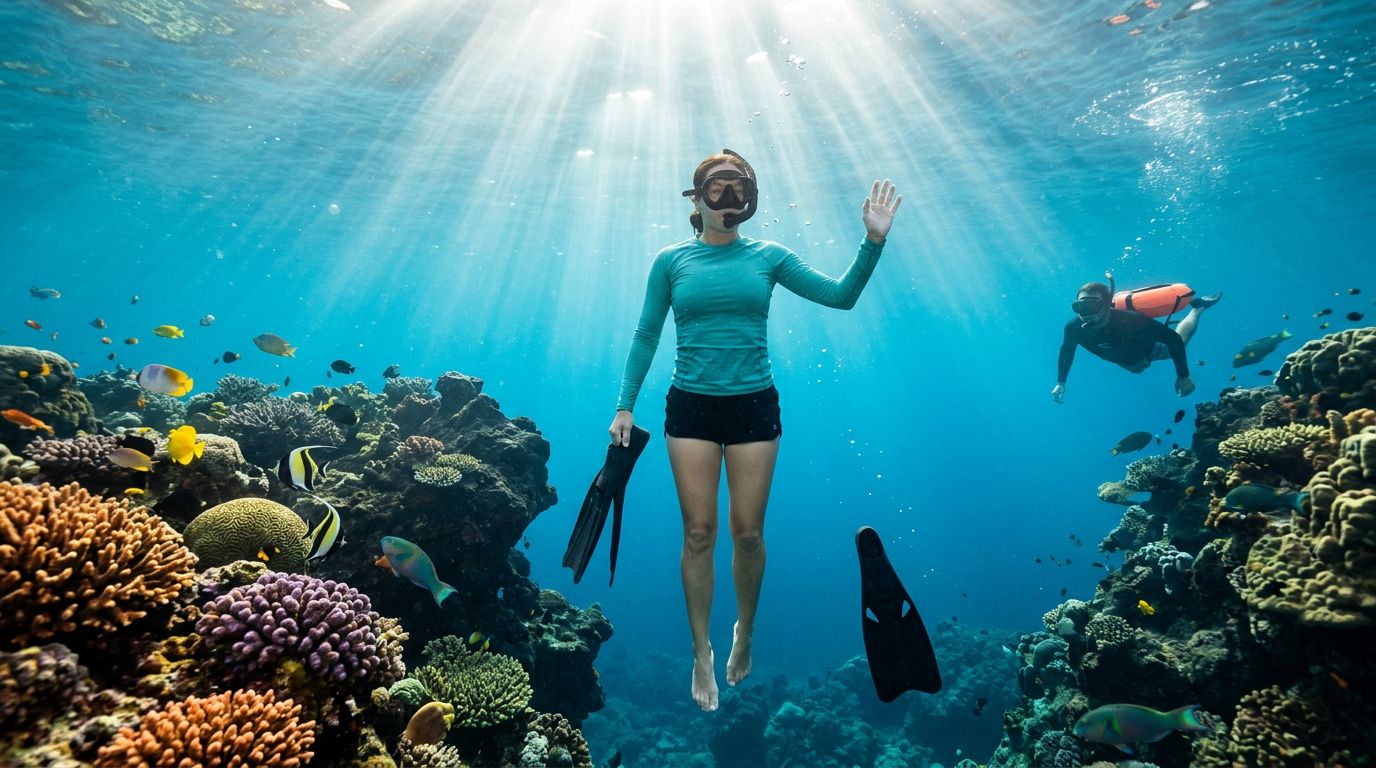
Losing a fin during Captain Cook snorkeling can turn a calm swim into a stressful moment, especially when you’re far from the boat or shore. The safest response is to stop kicking, signal your guide or buddy, and avoid chasing the fin into deeper or rougher water.
Kealakekua Bay has clear water, lava formations, coral gardens, and plenty of marine life. Those conditions make snorkeling Big Island Hawaii memorable, but they also make your equipment easy to lose if a strap loosens or a fin slips off. Follow these steps to protect yourself, your group, and the reef.
Captain Cook snorkeling: pause before you chase a fin
Your first instinct may be to dive after the missing fin. Resist that urge. A single fin usually drifts farther than expected, and chasing it can separate you from your buddy or tour group.
Take a breath and stop moving for a moment. Keep your face above water if you feel uncomfortable, then check your surroundings. Look for the boat, your guide, your buddy, and nearby swimmers. If you still have one fin, use slow movements to maintain your position. Avoid frantic kicking because it wastes energy and can increase anxiety.
Kona Snorkel Trips takes a safety-first approach to guided ocean trips. Its “Reef to Rays” philosophy combines small-group service, high-quality snorkeling equipment, reef education, and lifeguard-certified guides. If you want professional support during a Kealakekua Bay outing, you can review its Big Island snorkeling tours.
For another company focused on this area, you can also explore Captain Cook Snorkeling Tours. Whichever operator you choose, ask how guides handle lost gear before entering the water.
A missing fin is an equipment problem. It becomes a safety problem only when you let it pull you away from your group or beyond your comfort level.
Your location and breathing matter more than recovering a $20 fin. Stay with people who can help you.
Signal your guide and stay with your buddy
Once you stop, make yourself visible. Raise one arm above the water and wave toward the guide or boat. If your group uses a specific hand signal for assistance, use that signal. Otherwise, call out when the guide is close enough to hear you.
Tell your buddy what happened. A simple statement such as “I lost my fin” gives them useful information without creating confusion. Your buddy should stay beside you, not swim away to search alone.
If the guide sees the fin nearby, follow their instructions. They may ask you to point toward the last place you saw it. Give an estimate based on landmarks, such as the boat, a buoy, a lava wall, or a distinctive coral formation. Avoid pointing at the water and then diving before the guide confirms that it’s safe.
A tour boat should never ask you to swim underneath it or approach the propeller area. Stay clear of the stern and follow directions about where to wait. If the boat needs to reposition, remain with your buddy and keep your head above water.
When you have only one fin, you can still move slowly, but your technique needs to change. Use small, controlled kicks with the remaining fin. If you feel steady, gentle flutter kicks with your bare foot may help. Breaststroke-style movements can also work, but avoid kicking close to coral or other swimmers.
The best choice may be to remove the remaining fin and hold it against your body while you wait. This can reduce uneven movement and prevents you from losing the second fin. Ask the guide before taking off any other gear.
Your breathing provides an early warning. If you’re breathing quickly, swallowing water, or struggling to keep your face clear, stop trying to help with the search. Roll onto your back if that feels comfortable, call for assistance, and focus on staying calm.
Why fins come off at Kealakekua Bay
Fins rarely disappear without a reason. Usually, the foot pocket is too loose, the strap has shifted, or the swimmer uses a fin style that doesn’t fit well.
Water movement can also pull a fin free. Kealakekua Bay is protected, but conditions still change with wind, swell, boat wakes, and currents near the bay entrance. Waves may feel mild at the surface while creating stronger movement around rocks and drop-offs.
Before you snorkel, check that each fin sits securely on your foot. The strap should hold the fin in place without cutting into your ankle. A fin that feels loose on deck will feel even less secure once you start swimming.
Full-foot fins fit like a flexible shoe. They work well with bare feet in warm water, but sizing matters. Open-heel fins use an adjustable strap and may fit a wider range of foot shapes. They also work with neoprene booties, which can improve comfort around rocky entry points.
Your fin should feel snug, not painful. If you can easily pull your heel out while standing, ask for another size. If your toes press hard against the front, the fin may be too small.
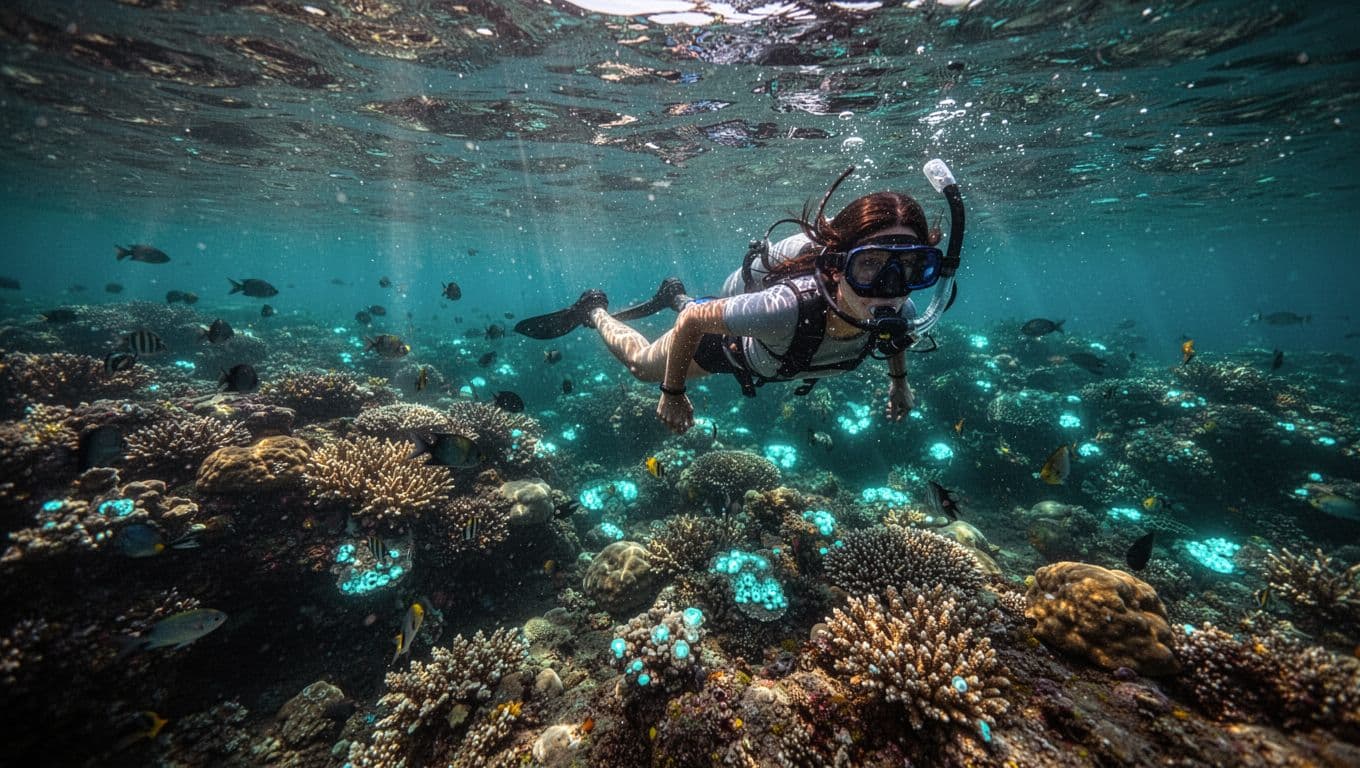
Kealakekua Bay is a marine life conservation district, so recovering gear requires care. Do not stand on coral, grab coral heads, or push off fragile reef. Even a quick search can damage slow-growing organisms.
A lost fin may land on sand, but it can also settle between rocks or near coral. Your guide can decide whether recovery is practical. If the fin is out of reach, leaving it behind may cause less harm than forcing a search.
For background on bay conditions and access, read this Kealakekua Bay snorkeling guide. It reinforces the basic reef rule: look at marine life without touching it.
What to do if the fin is still visible
If your guide says you can retrieve the fin, move slowly and stay close to your group. Never dive beyond your normal comfort level because a fin is visible below you.
First, check the depth and water movement. A fin floating on the surface may be easy to collect. A fin resting several feet below may require more effort than it appears. Sun glare, clear water, and changing depth can make objects look closer.
If you’re a confident swimmer and the fin is shallow, your guide may retrieve it with a pole or from the boat. Let the guide handle the search whenever possible. They have a better view of current direction and can watch for boat traffic, other swimmers, and reef hazards.
Avoid grabbing rocks for balance. Lava surfaces can be sharp, unstable, and covered with sea life. Touching the bottom can also stir sand into the water and make it harder to see.
Never chase a fin into a channel, around a point, or toward the open bay. Wind and current can carry it beyond the area where you first spotted it. Your body can drift while you look down, which may leave your buddy or guide farther away.
If the fin moves away, tell the guide immediately. Don’t feel embarrassed about giving up. Rental fins are replaceable. A strained shoulder, cut foot, or separated swimmer creates a much larger problem.
Some operators may mark the approximate location and return later if conditions allow. You should never expect a guide to take unnecessary risks for equipment. Safety and reef protection come first.
When you should stop searching
You should stop looking for a fin when the water becomes rough, visibility drops, you lose sight of your buddy, or you feel tired. Those limits apply even when the fin appears close.
Wind direction matters around the Kona coast. A change in wind or swell can make one part of the bay less comfortable than it was earlier. Before a trip, check the operator’s update and listen to the guide’s briefing. A local guide may change the route or cancel a water activity when conditions don’t support safe snorkeling.
Shore access deserves extra caution. Kealakekua Bay is not a simple beach swim in every location. Rocky approaches, uneven footing, currents, and limited exit points can make a lost-fin situation harder to manage. A local Kealakekua Bay access discussion can show the questions travelers ask, but social media cannot replace current conditions or direct guide advice.
If you’re near shore and lose a fin, swim toward a safe exit only when you can do so without crossing hazardous rocks. Keep your remaining fin with you. Use it to protect your foot if you need to wade, but don’t rush through breaking waves.
If you’re tired, tell your buddy and guide. A life jacket or flotation device can help you rest while the boat comes closer. You don’t need to prove your swimming ability by continuing without proper equipment.
If you feel chest pain, severe shortness of breath, confusion, weakness, or intense panic, treat the situation as a medical emergency. Signal for immediate help and follow the guide’s instructions.
How a professional guide handles a lost fin
A trained guide usually begins by locating the swimmer, not the equipment. They’ll confirm that you’re stable, identify your buddy, and move the group into a safe position.
The guide may ask where you lost the fin, whether you saw it float or sink, and whether you can comfortably remain in the water. Those details help them decide whether to search, provide replacement equipment, or return you to the boat.
Professional operators carry spare gear for common problems. That may include fins in different sizes, masks, snorkels, flotation equipment, and communication tools. Ask about replacement equipment before your trip if you have unusual sizing needs.
Kona Snorkel Trips focuses on personalized small-group excursions rather than crowded, impersonal outings. Guides provide quality gear and explain how to use it before you enter the water. The company also emphasizes reef-safe practices and marine-life education during its tours.
If you book with Kona Snorkel Trips, read the instructions carefully and tell the crew about your swimming experience. Share concerns about fin fit, breathing, seasickness, or physical limitations before entering the bay.
For a Captain Cook trip with Kona Snorkel Trips, you can check avaialbility before your travel day.
A good guide also watches the entire group. While one guide helps with the fin, another crew member may track swimmers, boat position, and changing conditions. That support is one reason guided Captain Cook snorkeling is a practical choice for families and visitors who don’t know the coastline.
How to prevent a lost fin during your trip
A few minutes of preparation can prevent most fin problems. Start with the fit, then test the equipment before you leave the boat.
Ask the crew to confirm your fin size. Put both fins on and walk carefully across the deck. They should stay in place without requiring you to curl your toes or grip with your feet.
Next, sit on the boat and move your ankles through a few gentle ranges of motion. If the strap twists, slips, or pinches, ask for an adjustment. Don’t wait until you are in the water.
Your mask and snorkel matter too. A poor-fitting mask can make you lift your head repeatedly, which changes your body position and can cause your fins to work harder. Adjust the mask strap so it holds the seal without excessive pressure.
Listen to the safety briefing. Guides often explain where to enter, where to stay, how to signal, and how to return to the boat. Those details may differ between sites and conditions.
Keep your gear organized on the boat. Place fins in the assigned area, with the straps open and visible. Loose gear can slide across a wet deck or become difficult to identify when several guests use similar equipment.
When you enter the water, pause near the boat. Check both fins again before swimming toward the reef. This small test lets you catch a loose strap while help is close.
Use steady kicks instead of large, fast movements. Efficient finning reduces fatigue and keeps your equipment under less strain. If you feel a fin shift, stop and adjust it immediately.
Reef-safe swimming also protects your fins. Stay horizontal, avoid dragging your feet, and maintain enough depth to clear coral. If you need to stand, ask the guide where sand or a safe platform is available.
Choose a tour that supports your comfort level
The right tour can make a lost-fin situation easier to manage. Look for a company that provides a clear safety briefing, properly fitted gear, experienced guides, and a group size that lets the crew see each swimmer.
Kona Snorkel Trips offers guided trips centered on reefs, marine life, and responsible ocean use. Its guides are lifeguard certified, and the company provides equipment suited to different guests. You can check availability when planning your Kailua-Kona ocean outing.
The company’s Captain Cook snorkeling tour visits Kealakekua Bay and the historic Captain Cook monument area. The tour includes snorkeling equipment, guide support, and time to observe tropical fish and coral without touching the reef.
A private trip may suit you if someone in your group needs more time, extra instruction, or a slower pace. You can ask about private boat charters in Kona and discuss your group’s swimming ability before booking.
For a broader vacation plan, Kona also offers a manta ray snorkel experience and seasonal whale watching in Kona. These activities use different equipment and conditions, but the same habits apply: listen to the crew, stay with your group, and report problems early.
During snorkeling Big Island trips, the best operator is the one that takes questions seriously. Ask where spare fins are kept, how the crew handles separation, and whether flotation support is available. Clear answers help you choose with confidence.
What to pack for a smoother snorkeling day
You don’t need a large gear bag, but a few personal items can make the day more comfortable.
Bring reef-safe sun protection, a towel, water, and dry clothes. A rash guard can protect your shoulders and back while reducing the need to apply sunscreen. Choose a reef-conscious product and follow the operator’s guidance about what you may use in the water.
If you wear prescription glasses, ask whether the operator has prescription masks or bring contact lenses if you normally use them for swimming. Avoid wearing loose jewelry, which can snag on equipment or fall into the water.
A small waterproof phone pouch can protect your phone between activities. Keep it secured on the boat rather than carrying it while you swim unless the guide approves.
Travelers with sensitive feet may want thin neoprene socks, but confirm that they fit inside the provided fins. Thick socks can make a properly sized fin feel too tight. Your guide can help you choose a comfortable setup.
If you’re prone to seasickness, eat a light meal and ask your healthcare provider about suitable prevention before the trip. Tell the crew if you begin feeling sick. Waiting until symptoms become severe can make returning to the boat harder.
Families should discuss the lost-fin plan before entering the water. Children need to know that they should stop, stay near an adult, and signal for help. They should never swim after floating equipment.
A simple lost-fin plan to remember
You can remember the response with four actions: stop, signal, stay, and listen.
Stop swimming as soon as you notice the fin is gone. Signal the guide or buddy so someone knows you need help. Stay with your group and away from coral, boat traffic, and strong current. Listen to the guide’s directions, even if the fin looks easy to retrieve.
If you’re calm and the fin is nearby, the crew may recover it. If the search creates risk, accept replacement gear or return to the boat. A responsible guide will make that decision based on your safety, the group, and the reef.
During a Captain Cook snorkeling tour, clear water can make a lost fin look deceptively close. Don’t let visibility persuade you to swim farther than planned. Your guide has the best view of the conditions and the safest route back.
The same approach works whenever you snorkel Big Island waters. Equipment can be replaced, but your energy, distance from the boat, and position in the water require careful attention.
Conclusion
A lost fin during Captain Cook snorkeling calls for a calm pause, a clear signal, and close contact with your buddy or guide. Don’t chase equipment into deeper water, across coral, or near the boat’s stern.
Check your gear before entering, report loose straps early, and choose a tour with trained guides and spare equipment. When you stay with your group and follow instructions, a missing fin remains a small interruption rather than a dangerous situation.