
Ship Eez Sea Sickness Patch: Stop Nausea
You’ve booked the snorkel trip. You’re excited about clear water, lava coastline, maybe manta rays, maybe Kealakekua Bay. Then one annoying thought shows up and won’t leave.
What if I get seasick?
That concern is common, and it’s smart to deal with it before boat day. Seasickness affects up to 90% of people on boats at some point, which is why prevention matters so much for ocean activities in Hawaii, especially longer outings on the water (Kona Honu Divers on seasickness and prevention).
Don't Let Seasickness Spoil Your Kona Snorkel Adventure
If you’re worried about motion sickness, you’re not overthinking it. First-time snorkelers ask about it all the time, and plenty of experienced ocean travelers do too.
A lot of people feel fine on land, fine in cars, and fine on planes, then discover that a small boat off Kona is a different story. Swell, wind chop, diesel smell, heat, nerves, and an early wake-up can all stack up fast.
That’s one reason preparation beats reaction. Once nausea gets rolling, people stop enjoying the ride out, skip the reef briefing, and sometimes don’t even want to get in the water. That’s a rough way to start a Hawaii adventure.
Why first-timers should plan ahead
The best seasickness strategy is usually simple:
- Pick one main remedy early: Don’t wait until the boat leaves the harbor.
- Eat lightly: A small, bland breakfast usually goes better than a heavy meal or an empty stomach.
- Hydrate before the trip: Dry, overheated guests tend to feel worse.
- Keep your eyes up on the horizon: Looking down at your phone is a common mistake.
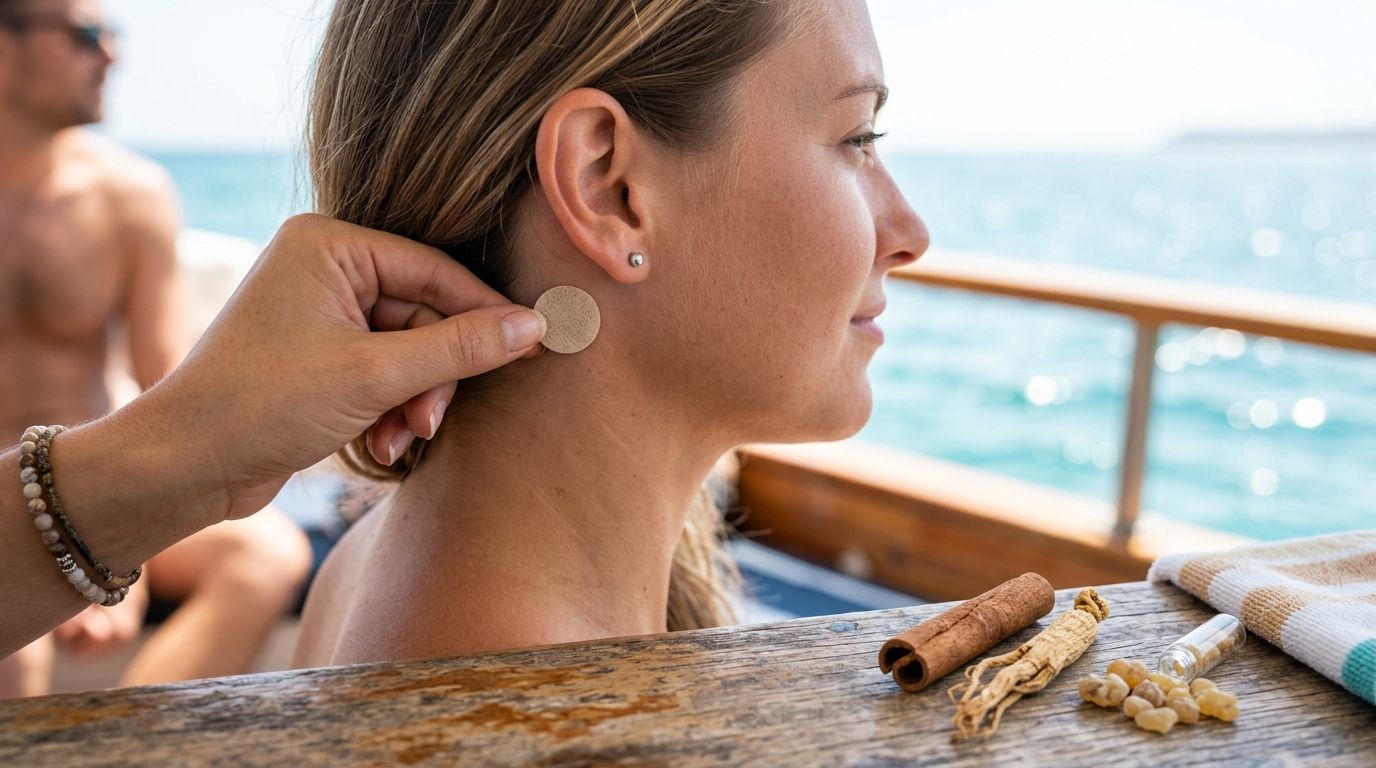
For many snorkelers, the ship eez sea sickness patch is appealing because it’s hands-off. You apply it before the trip, let it do its job, and focus on the fun part.
The goal isn’t to prove you can “tough it out.” The goal is to enjoy the boat ride, the snorkel, and the ride home.
The good news is that seasickness doesn’t mean you’re not cut out for ocean tours. It usually just means you need a better prevention plan. That’s fixable.
What Is a Ship-EEZ Sea Sickness Patch and How Does It Work
The version many travelers mean when they talk about Ship-EEZ is the herbal, non-pharmaceutical patch, not a prescription scopolamine patch. That difference matters.
It’s designed to sit on the skin and deliver a botanical blend over time, rather than asking you to remember another pill dose once you’re already on the boat.

What’s in it
The company describes the patch as using an all-natural botanical blend that includes cinnamon bark, Panax ginseng, and frankincense, delivered transdermally to help reduce gastric dysrhythmia and inflammatory pathways linked to nausea (Ship-EEZ product details).
That’s the technical version. In plain language, it’s trying to calm the body’s nausea response without using the same route as common medicated motion sickness products.
Why some snorkelers prefer a patch
Pills work for many people, but they come with a few practical annoyances:
- You have to remember them.
- Some people don’t like swallowing medicine before a tour.
- Some oral options can make you sleepy.
- If your stomach already feels off, taking more by mouth isn’t always appealing.
A patch avoids some of that friction.
Think of it as a slow, steady helper instead of a quick hit. That can be useful on boat trips where you want coverage from the ride out through snorkeling and the ride back.
What it does well and where it has limits
What works well:
- Convenience: Apply it and leave it alone.
- Low effort on the boat: No mid-trip dose to remember.
- Useful for people who dislike pills: Especially on active water days.
What it doesn’t do:
- It doesn’t replace smart habits like hydration, light food, and fresh air.
- It isn’t a guarantee for every person.
- It won’t help much if you slap it on too late and expect instant relief.
If you want a broader look at medication options for boating and cruise-style motion, this guide to the best seasick medicine for cruise is a useful companion.
How and When to Apply Your Patch for a Perfect Boat Trip
Effective application is essential. A good product used improperly can feel ineffective, when the underlying issue was timing, placement, or skin prep.
For the herbal Ship-EEZ patch, the product guidance emphasizes applying it 30 to 60 minutes before boarding and placing it behind the ear or on the forearm. The patch is also described as waterproof and suited for watersports use on the product page already cited earlier.

The easiest routine
Use this checklist the night before and morning of your tour:
Choose your spot early
Behind the ear is the classic spot. Forearm placement can also work if that’s what the instructions allow for your version.Start with clean, dry skin
Lotion, sunscreen, sweat, and salt can all interfere with adhesion.Apply before you’re rushing
If you wait until you’re parking at the harbor, you’re already behind.Press it on firmly
Make sure the edges are secure.Wash your hands after handling it
That’s just a good habit with any patch product.
Best timing for morning tours
Kona snorkel departures are often early. That’s one reason people forget their seasickness plan and end up improvising.
A smoother routine looks like this:
- Lay the patch out with your reef-safe sunscreen and towel
- Eat something light
- Drink water before arriving
- Put the patch on with enough lead time
- Bring a backup remedy in your bag
Practical rule: Don’t make the boat ride your testing lab. Know your plan before you leave your lodging.
What usually goes wrong
Most mistakes are predictable:
- Applying too late
- Putting it over damp skin
- Assuming “waterproof” means no need to check adhesion
- Using only the patch while also skipping food, water, and sleep
If you want a deeper look at other product types and timing choices, this guide to the best sea sickness med helps compare approaches.
Potential Side Effects and Important Safety Precautions
A responsible seasickness plan includes trade-offs. Patches are convenient, but “easy to use” doesn’t mean “use without thought.”
With the herbal Ship-EEZ patch, the main practical concern isn’t usually the same profile people worry about with stronger prescription products. The more common real-world issue is skin sensitivity, especially in warm, humid conditions where sweat, sunscreen, and friction all affect how adhesive sits on the skin.
What to watch for
Pay attention to a few things before your tour:
- Adhesive irritation: Redness, itchiness, or tenderness where the patch sits.
- Poor sticking: Sweat or damp skin can loosen the patch.
- Sensitivity to ingredients: If you react easily to topical products, be cautious.
- False confidence: A patch helps, but it doesn’t cancel out poor sleep, dehydration, or a heavy breakfast.
A simple test helps. Try a patch on a low-stakes day before your boat trip, especially if you have sensitive skin.
Who should pause and ask a doctor
Some people shouldn’t rely on blog advice for this. They should ask a clinician first.
Speak with a healthcare professional before using any seasickness patch if you’re pregnant, nursing, managing a medical condition, taking other medications, or unsure how topical botanical products may affect you.
That matters even more if you’re specifically looking for guidance around pregnancy. This article on sea sickness and pregnancy is a helpful place to start, but it should never replace your doctor’s advice.
A practical safety mindset
Good prevention is boring in the best way. You test things early, avoid surprises, and keep the day simple.
That means checking the product directions, using it as labeled, and not stacking multiple remedies together casually just because you’re nervous. If you want to combine products, ask a healthcare professional first.
Using Seasickness Patches for Kids and Family Snorkel Trips
Families have a tougher decision than adults traveling alone. Parents don’t just want something that might work. They want something they understand clearly.
That’s where the gap shows up. A Sea Sickness Patch for Kid Cruisers | Ages 3+ is available, but there’s still a notable lack of detailed public guidance on pediatric dosing and side effects. Given children’s susceptibility to motion sickness and anecdotal concerns about skin irritation in humid climates, consulting a pediatrician before use is the safest move (Ship-EEZ children’s guidance overview).

Why extra caution makes sense
Kids aren’t just smaller adults. Their skin can be more reactive, they may not explain discomfort well, and once they start feeling sick on a boat, the whole family’s day can shift fast.
A cautious parent should think about:
- whether the child has sensitive skin
- whether they’ve ever reacted to bandages or adhesives
- whether they can keep the patch on without touching it constantly
- whether a gentler backup like ginger or acupressure may be a better first test
What I’d recommend to families
Start simple. Talk with your pediatrician before the trip, especially if your child is young or has any history of reactions to topical products.
Then look at broader family planning. This guide to the best Kona snorkel tours for families with kids is useful for matching the outing to your child’s comfort level, not just choosing a remedy.
For kids, the safest plan is the one you’ve discussed with their doctor before vacation day, not while standing at the harbor.
Your Ultimate Seasickness Prevention Kit for Kona
A solid prevention kit gives you options. The patch can be your main line of defense, but backups matter because bodies respond differently.
If you’re packing for a Kona boat trip, I’d build a small pouch that handles prevention, comfort, and rescue.
What to pack
- Ship-EEZ Seasickness Patch: Best for people who want a simple patch option before boarding. Buy Ship-EEZ Seasickness Patch on Amazon
- Dramamine pills: A familiar choice for travelers who prefer an oral medication. Buy Dramamine pills on Amazon
- Bonine pills: Another common pill option that some travelers prefer over Dramamine. Buy Bonine pills on Amazon
- Sea Band wristbands: Drug-free and easy to carry, especially useful for people who want a non-pill backup. Buy Sea Band wristbands on Amazon
- Ginger chews: Great to keep in a dry bag or backpack for a gentle, food-based option. Buy Ginger chews on Amazon
What actually earns a spot in the bag
Some items matter more than people expect:
- Water bottle: Dehydration makes everything worse.
- Light snack: Crackers or something bland can help.
- Hat and shade layer: Heat can push borderline nausea into full misery.
- Dry zip bag: Keeps medicine and chews protected from spray.
My practical setup
If you want the simplest approach, use the patch as your base plan and bring ginger or wristbands as a low-drama backup. People who already know pills work for them may choose those instead, but it’s still smart to bring water and something bland to eat.
Ship-EEZ Patch vs Other Motion Sickness Remedies
No single remedy wins for everybody. The right choice depends on whether you care most about convenience, speed, drowsiness, kid-friendliness, or keeping things drug-free.
The ship eez sea sickness patch stands out because it’s a patch, not a pill, and that changes the experience even before you talk about ingredients. You apply it ahead of time and let it ride.
Seasickness Remedy Comparison
| Remedy | Type | Onset Time | Duration | Potential Drowsiness |
|---|---|---|---|---|
| Ship-EEZ patch | Herbal transdermal patch | Apply ahead of boarding | Longer-lasting than a single chew or wristband session | Low for many users |
| Dramamine | Medicated pill | Often used before travel | Temporary, based on product directions | Can cause drowsiness |
| Bonine | Medicated pill | Often used before travel | Temporary, based on product directions | May cause less drowsiness for some, but can still affect alertness |
| Sea Band wristbands | Acupressure band | Immediate once worn | As long as you keep them on | None from medication |
| Ginger chews | Natural chewable | Quick and flexible | Short-term support | None from medication |
How to choose based on your trip
For a morning snorkel boat, convenience matters. A patch is nice because you can handle it before the rush starts.
For people who know oral medication works well for them, pills may still be the best fit. The trade-off is that some travelers feel sleepy, foggy, or dry afterward. That’s not ideal if you want to feel sharp in the water.
Wristbands and ginger are useful for people who want low-risk, drug-free support. They’re also good backups. I wouldn’t treat them as identical to a stronger prevention plan for someone who already knows they get badly seasick, but they’re easy to carry and worth having.
What tends to work best in real life
A few patterns show up again and again:
- Patch users like convenience
- Pill users like familiarity
- Band users like no-drug simplicity
- Ginger users like flexibility and stomach comfort
If acupressure interests you, this breakdown of the best seasick bands is worth reading before you buy.
The best remedy is the one you’ll actually use correctly, early enough, and with realistic expectations.
Set Sail with Confidence on Your Hawaiian Adventure
Good ocean days usually start on land. You sleep well, eat lightly, hydrate, and bring the remedy that fits you best.
That’s why the ship eez sea sickness patch appeals to so many travelers. It gives people a simple plan they can put in place before they ever step on the boat. Add a few smart habits and you’ve removed one of the biggest barriers to enjoying Hawaii from the water.
If you like travel planning resources that focus on comfort and logistics, this piece on stress-free sailing is a useful reminder that smooth trips usually come from small decisions made early.
For manta lovers, the Manta Ray Night Snorkel tour page is worth a look, and Manta Ray Night Snorkel Hawaii is also an exceptional alternative when you’re comparing operators.
Frequently Asked Questions About Seasickness Patches
Can I wear a Ship-EEZ patch while snorkeling
Yes, that’s the whole point for most travelers. The patch is meant to stay on while you’re on the boat and in the water. Just make sure it’s attached well before the trip and placed on clean, dry skin.
Should I use a patch or pills for a snorkel tour
Pick the option that matches your history. If you’ve done well with pills before and don’t mind them, that may be your best choice. If you want something simple that doesn’t involve dosing on the boat, the patch is often easier.
Can I use more than one remedy at the same time
Be careful. Combining remedies without medical guidance isn’t smart, especially if one or more products are medicated. Non-drug options like ginger or acupressure are different, but if you’re unsure, ask your doctor first.
What if I still feel sick after using a patch
Use the boat basics right away. Get fresh air, look at the horizon, sip water, and avoid staring at your phone. Many people also feel better once they’re in the water rather than sitting on a rocking boat.
Is the patch a good option for children
Maybe, but don’t guess. Public guidance for kids is limited, so parents should check with a pediatrician before using it on a child.
Is the patch enough by itself
Sometimes yes, sometimes no. The best results usually come from stacking good habits around it. Sleep well, eat lightly, hydrate, and avoid showing up stressed, overheated, or hungover.
Is there a better option for some travelers
Absolutely. Some people prefer pills because they already know they work. Others want Sea-Bands or ginger because they prefer drug-free options. The best choice is personal, not universal.
If you’re ready to turn a good Hawaii boat day into a great one, browse Kona Snorkel Trips and pick the adventure that fits your crew best. A little seasickness prep now can make the whole day feel easier once you’re out on the water.